
Andropause Night Sweats: Causes, Solutions, and Real-World Relief
If you’re a man in your forties, fifties, or beyond, and you’ve started waking up drenched in sweat, you’re not alone. Night sweats during andropause are a real thing, and they can leave you tossing, turning, and feeling downright miserable. But here’s the good news, you don’t have to just put up with it. There are practical, proven ways to get your sleep back on track, and I’m here to walk you through them, step by step, just like we’re chatting over a cup of coffee.
Let’s dig into what’s really going on with andropause night sweats, why they happen, and most importantly, how you can finally get some relief.
What Is Andropause, Anyway?
First things first, let’s clear up what andropause actually is. You’ve probably heard it called "male menopause", but that’s not quite accurate. Men don’t have a sudden drop in hormones like women do during menopause, instead, testosterone levels in men decline gradually, usually starting in the late thirties or early forties, and continuing as you age. This gradual decrease can lead to low testosterone levels, a key contributor to the symptoms observed during aging.
Andropause is the term used to describe this slow, steady decrease in testosterone and the symptoms that come with it. These can include:
- Low energy: You might feel more tired than usual, even after a full night’s sleep.
- Mood changes: Irritability, sadness, or even depression can creep in.
- Reduced libido: Your sex drive often takes a hit.
- Trouble sleeping, sleep disturbances: Insomnia, restless nights, or even episodes of night terrors are common.
- Night sweats, hyperhidrosis: That’s the big one we’re focusing on today. While hyperhidrosis refers to excessive sweating in various situations, many men undergoing the aging process experience night sweats as a direct result of hormonal changes.
If you’re nodding your head right now, trust me, you’re in good company. Millions of men experience these symptoms, but night sweats can be especially disruptive.
Why Do Night Sweats Happen During Andropause?
Let’s get into the nitty-gritty. Night sweats are those episodes where you wake up soaked, sometimes needing to change your pajamas or even your sheets, and it’s not just a little perspiration, it’s a full-on sweat fest.
So, what are the causes of it? Here are the main culprits:
- Hormonal Fluctuations: As testosterone drops, resulting in low testosterone, your body’s thermostat, run by the hypothalamus, can get a little wonky, making it think you’re overheating even when you’re not, which triggers sweating to cool you down.
- Stress and Anxiety: Andropause can bring on mood swings and anxiety, both of which can ramp up your body’s stress response and make night sweats worse.
- Medications: Some medications, especially those for blood pressure or depression, can mess with your body’s temperature regulation.
- Lifestyle Factors: Drinking alcohol, eating spicy foods, or having a hot bedroom can all make night sweats more likely.
- Other Sleep Conditions: In some cases, conditions like sleep apnea contribute to sleep disturbances that further complicate the picture, as your body works overtime to get enough oxygen and regulate its temperature.
It’s a perfect storm, and it can leave you feeling exhausted and frustrated.
How Night Sweats Impact Your Life
Let’s be real, night sweats aren’t just a minor inconvenience, they can have a ripple effect on your whole life. Here’s how:
- Sleep Disruption, Sleep Disturbances: Waking up sweaty means you’re not getting the deep, restorative sleep your body needs, which can even contribute to episodes of night terrors.
- Daytime Fatigue: Less sleep at night means more tiredness during the day, and you might find yourself nodding off at your desk or snapping at loved ones.
- Mood Changes: Lack of sleep can make you irritable, anxious, or even depressed.
- Relationship Strain: If you’re sharing a bed, your partner might be losing sleep too, which can lead to tension.
It’s a vicious cycle, but the good news is, you can break it.
Practical Solutions for Andropause Night Sweats
Alright, let’s get to the part you really care about, how to stop waking up in a puddle of sweat. Here are some tried-and-true strategies that actually work.
1. Cool Down Your Bedroom
This one sounds simple, but it’s incredibly effective. Sleep experts recommend keeping your bedroom between 60°F and 67°F for optimal sleep, and if you’re dealing with night sweats, try lowering your thermostat a few degrees. You might be surprised at how much it helps, especially since with a bedfan from www.bedfans-usa, you can often raise your room temperature by about 5°F and still sleep cool, thanks to the direct airflow under your sheets.
2. Choose the Right Bedding
Your sheets and blankets can make a huge difference, so go for lightweight, breathable fabrics like cotton or bamboo, and avoid heavy comforters or synthetic materials that trap heat.
- Tight Weave Sheets: When using a bed fan, sheets with a tight weave help the air flow across your body and carry away the heat more efficiently.
3. Invest in a Bed Fan
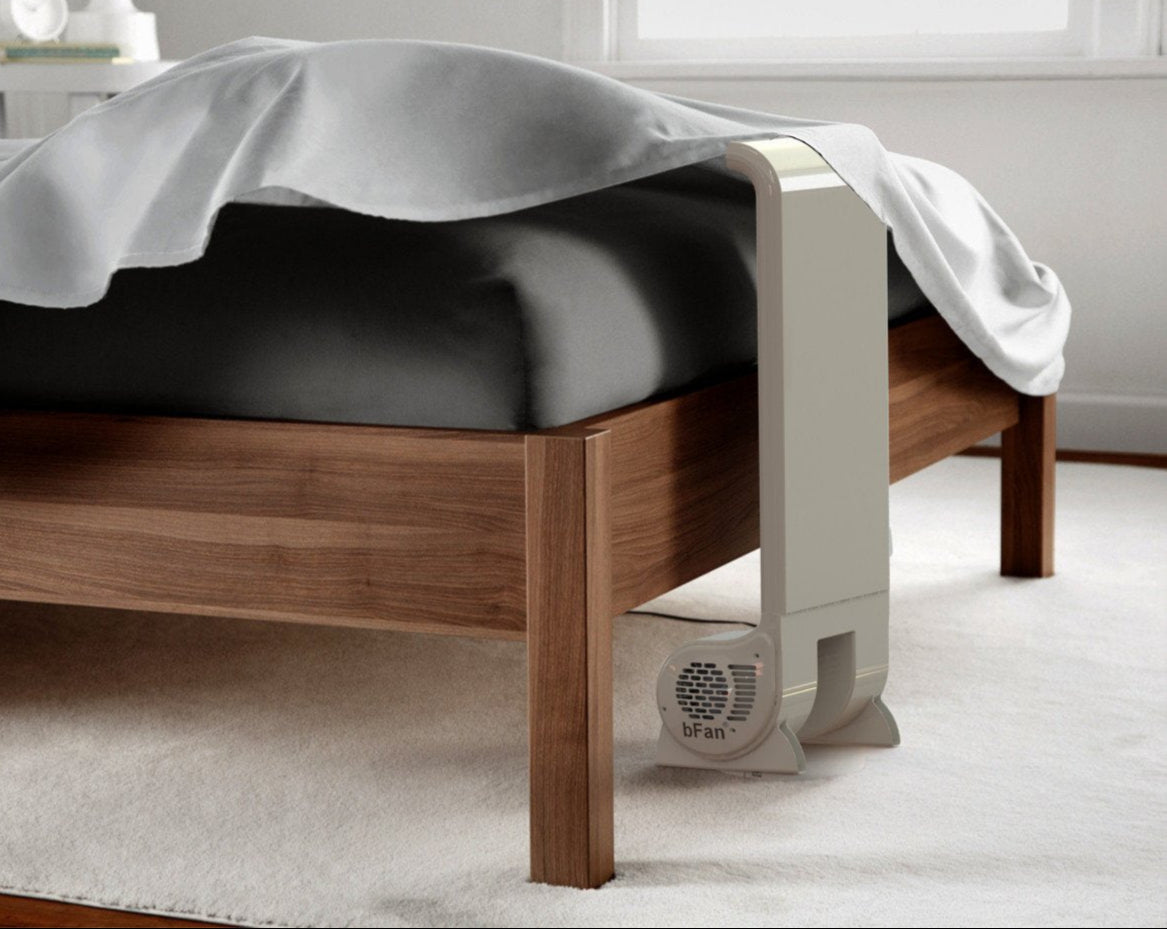
Let’s talk about one of the best-kept secrets for night sweats, the bedfan. Unlike traditional fans that just blow air around the room, a bedfan directs a gentle stream of air right under your sheets, cooling your body where you need it most.
- Energy Efficient: The bedfan uses only 18 watts on average, so you won’t see a spike in your electric bill.
- Quiet Operation: The bedfan sound level is between 28db and 32db at normal operating speed, which is quieter than a whisper, so it won’t disturb your sleep.
- Timer Controls: With timer controls, you can set it to run for just the right amount of time to help you fall asleep and stay cool all night.
- Dual-Zone Control: If you and your partner have different temperature preferences, the bedfan offers dual-zone microclimate control using two fans at a fraction of the price of a dual-zone Bedjet setup, since a Bedjet costs over $1,000 for dual-zone control.
Honestly, the bedfan is a game-changer, and it’s been around for years, long before the Bedjet was even on the market, making it one of the most effective and affordable solutions out there.
4. Watch What You Eat and Drink
Certain foods and drinks can trigger night sweats, so here’s what to avoid before bed:
- Alcohol: It might help you fall asleep, but it can also raise your body temperature and disrupt your sleep cycle.
- Spicy Foods: These can kick your metabolism into high gear and make you sweat more.
- Caffeine: Coffee, tea, and even chocolate can stimulate your nervous system and make night sweats worse.
Try to cut back in the evening, and see if it makes a difference.
5. Manage Stress
Stress and anxiety can make night sweats worse, so it’s important to find ways to relax before bed. Here are a few ideas:
- Deep Breathing: Take a few minutes to breathe deeply and calm your mind.
- Meditation: Even five minutes of mindfulness can help you unwind.
- Gentle Exercise: A short walk or some light stretching can help release tension.
6. Talk to Your Doctor
If your night sweats are severe or not improving, it’s a good idea to check in with your healthcare provider, since sometimes underlying health conditions, like infections, thyroid problems, or even certain cancers, can cause night sweats. Additionally, sleep apnea might be explored as a potential cause of your sleep disturbances, and your doctor can help rule out anything serious and suggest additional treatments if needed.
Comparing Bed Fan and Bedjet: What’s the Best Choice for Night Sweats?
You might have heard about the Bedjet, another popular product for cooling your bed, so let’s break down the differences so you can make an informed choice.
- Price: The Bedjet is about twice the price of a bedfan, and if you want dual-zone control, a Bedjet setup can cost over $1,000.
- Cooling Method: Neither the bedfan nor the Bedjet actually cool the air, they both use the cool air already in your room to keep your bed comfortable. The Bedjet blows air under your sheets, but it’s bulkier and uses more energy.
- Energy Use: The bedfan is a real energy-saver, using only 18 watts on average.
- Noise Level: The bedfan is whisper-quiet, running at just 28db to 32db at normal operating speed, so you won’t even notice it’s on.
- History: The original bedfan came to market several years before the Bedjet was even thought of, and it’s still going strong.
If you’re looking for an affordable, effective way to tackle night sweats, the bedfan from www.bedfans-usa is hard to beat.
Real-Life Stories: How Men Are Beating Night Sweats
Sometimes, the best advice comes from people who’ve been there, so here are a few stories from men who’ve found relief from andropause night sweats.
Mike, 52, Atlanta
"I used to wake up three or four times a night, soaked in sweat, and I tried everything, different pajamas, lighter blankets, even sleeping with the window open in the middle of winter. Nothing worked until I got a bedfan, and now I sleep through the night, and my wife is happier too!"
Carlos, 47, Phoenix
"The heat in Arizona is no joke, and my night sweats were out of control. I was skeptical about the bedfan at first, but it’s made a huge difference. I can actually sleep with the AC set higher, which saves money, and I don’t wake up drenched anymore."
James, 60, Chicago
"I thought night sweats were just part of getting older, but they were ruining my sleep. My doctor recommended cooling the room, but I didn’t want to freeze my wife out, so the dual-zone bedfan was the perfect solution. Now, we’re both comfortable, and I feel like myself again."
Frequently Asked Questions About Andropause Night Sweats
What causes night sweats in men during andropause?
Night sweats in men are most often triggered by hormonal changes, especially a drop in testosterone levels as you age. This hormonal shift can confuse your body’s internal thermostat, making it think you’re overheating and causing you to sweat excessively at night. Other factors like stress, certain medications, and lifestyle habits can also play a role.
Are night sweats during andropause dangerous?
Most of the time, night sweats are uncomfortable but not dangerous. However, if you notice other symptoms like unexplained weight loss, persistent fever, or if the sweats are severe and disrupt your daily life, it’s smart to check in with your doctor. Sometimes, night sweats can signal an underlying health issue that needs attention.
How can I stop night sweats naturally?
You can make several lifestyle changes to help reduce night sweats. Keep your bedroom cool, use lightweight and breathable bedding, and avoid spicy foods, alcohol, and caffeine before bed. Managing stress through relaxation techniques and regular exercise can also help keep night sweats in check.
What’s the best bedding for men with night sweats?
Look for sheets and blankets made from natural, breathable fabrics like cotton or bamboo. Tight weave sheets work especially well with a bedfan, helping air flow across your body and carry away heat. Avoid heavy or synthetic materials that trap warmth and moisture.
Can a bedfan really help with night sweats?
Absolutely, a bedfan is a practical and affordable solution for night sweats. It directs a gentle stream of air under your sheets, cooling your body where you need it most. Many men find they can raise their room temperature by about 5°F and still sleep cool, which can also help save on energy bills.
When should I see a doctor about night sweats?
If your night sweats are severe, frequent, or come with other symptoms like fever, weight loss, or fatigue, it’s important to see your healthcare provider. They can help rule out serious conditions such as infections, thyroid problems, or even certain cancers, and guide you toward the right treatment.
Do medications cause night sweats in men?
Yes, some medications can trigger night sweats as a side effect. Common culprits include antidepressants, blood pressure drugs, and medications for diabetes. If you suspect your medication is causing night sweats, talk to your doctor before making any changes.
Can testosterone therapy help with andropause night sweats?
Testosterone replacement therapy can help some men who have low testosterone and bothersome symptoms like night sweats. However, it’s not right for everyone and comes with its own risks and benefits. Always consult your doctor to see if hormone therapy is a good fit for your situation.
What temperature should my bedroom be to prevent night sweats?
Sleep experts recommend keeping your bedroom between 60°F and 67°F for optimal sleep. If you use a bedfan, you can often keep your room a bit warmer and still stay comfortable. The key is to create a cool, well-ventilated environment that helps your body regulate its temperature naturally.
Are there any quick fixes for night sweats if I wake up drenched?
If you wake up sweaty, try changing into dry pajamas and using a towel to dry off. Keep a glass of cool water by your bed to help lower your body temperature. Turning on a bedfan or adjusting your bedding can also provide quick relief and help you get back to sleep faster.
The Science Behind Sleep and Temperature
Let’s take a quick detour into the science of sleep. Your body temperature naturally drops at night to help you fall asleep and stay asleep, and if you get too hot, your body tries to cool itself down, sometimes by sweating.
- Optimal Sleep Temperature: Experts say the sweet spot for sleep is between 60°F and 67°F, so if your room is warmer, your body has to work harder to cool down, which can trigger night sweats and other sleep disturbances.
- How Bedfans Help: By circulating cool air under your sheets, a bedfan helps your body maintain that ideal temperature, so you can sleep soundly.
Tips for Better Sleep During Andropause
Here are some extra tips to help you get the best sleep possible, even if you’re dealing with night sweats.
- Stick to a Routine: Go to bed and wake up at the same time every day, even on weekends.
- Limit Screen Time: The blue light from phones and TVs can mess with your sleep hormones, so try to power down an hour before bed.
- Stay Active: Regular exercise can help regulate your hormones and improve sleep quality.
- Stay Hydrated: Drink plenty of water during the day, but cut back in the evening to avoid nighttime bathroom trips.
- Keep It Dark: Use blackout curtains or an eye mask to block out light and signal to your body that it’s time to sleep.
When to See a Doctor
Most of the time, night sweats during andropause are just a nuisance, but sometimes they can be a sign of something more serious, so here’s when to get checked out:
- Unexplained Weight Loss: If you’re losing weight without trying, see your doctor.
- Persistent Fever: Ongoing fever can signal an infection or other health issue.
- Other Symptoms: If you have chest pain, trouble breathing, or other concerning symptoms, don’t wait, get medical help right away.
Your doctor can help figure out what’s going on and recommend the best treatment for you, and they might also evaluate for sleep apnea or other sleep disturbances, as these conditions can occasionally have overlapping causes with andropause-related symptoms.
Final Thoughts: You Don’t Have to Suffer
Night sweats during andropause can feel overwhelming, but you’re not powerless, because with a few smart changes, like cooling your bedroom, choosing the right bedding, and investing in a bedfan, you can take control of your sleep and start feeling like yourself again.
Remember, you’re not alone in this, and millions of men are dealing with the same thing, so there are real solutions that work. Don’t be afraid to try different strategies until you find what works for you, and if you need a little extra help, don’t hesitate to reach out to your doctor.
If you’re ready to finally sleep cool and comfortable, give the bFan a try at www.bedfans-usa. It’s affordable, energy-efficient, and designed specifically to help you beat night sweats, without freezing out your partner or breaking the bank.
Here’s to better sleep, better health, and waking up dry and refreshed every morning, because you deserve it.
Key Takeaways:
- Andropause Night Sweats: They are common and can seriously disrupt your sleep and quality of life.
- Cooling Your Bedroom: Using a bedfan and proper bedding are two of the most effective ways to manage night sweats.
- Lifestyle Changes: Avoiding alcohol and spicy foods, managing stress, and choosing the right bedding can make a big difference.
- Understanding the Causes: Knowing that low testosterone levels, sleep disturbances, and even conditions like sleep apnea can be behind your symptoms is important in addressing the problem.
- Doctor Follow-Up: See your doctor if your night sweats are severe or accompanied by other concerning symptoms.
- You’re Not Alone: There are solutions available, and relief is possible, starting with taking action today.
If you’re tired of waking up drenched, don’t wait another night, try these tips, consider the bFan from www.bedfans-usa, and get ready to reclaim your sleep.
Resources
- Sleep Foundation: Night Sweats in Men This guide explains the causes, symptoms, and solutions for night sweats in men, including how hormones and lifestyle factors play a role.
- Mayo Clinic: Male Menopause (Andropause) Here, you’ll find a comprehensive overview of andropause, its symptoms, and treatment options for men experiencing hormonal changes.
- NHS: The 'Male Menopause' This resource from the UK’s National Health Service covers what to expect during male menopause, including emotional and physical symptoms.
- Harvard Health: Hot Flashes in Men Harvard Health discusses why hot flashes and night sweats happen in men and what you can do about them.
- BodyLogicMD: Night Sweats in Men This article dives into the hormonal causes of night sweats in men and offers advice on when to seek medical help.
- UCLA Health: Night Sweats in Men Could Have Many Causes UCLA Health outlines the various medical conditions that can cause night sweats in men and when to get checked by a doctor.
- Healthline: What Causes Night Sweats in Men? Healthline provides an easy-to-read breakdown of common triggers for night sweats and practical steps for relief.
- GoodRx: Night Sweats – Causes and Treatments This resource covers the medical and lifestyle reasons for night sweats and offers advice on when to seek professional care.
Share