Bedfan Sleep Blog

The Environmental Impact of Air Conditioning

on May 23 2024
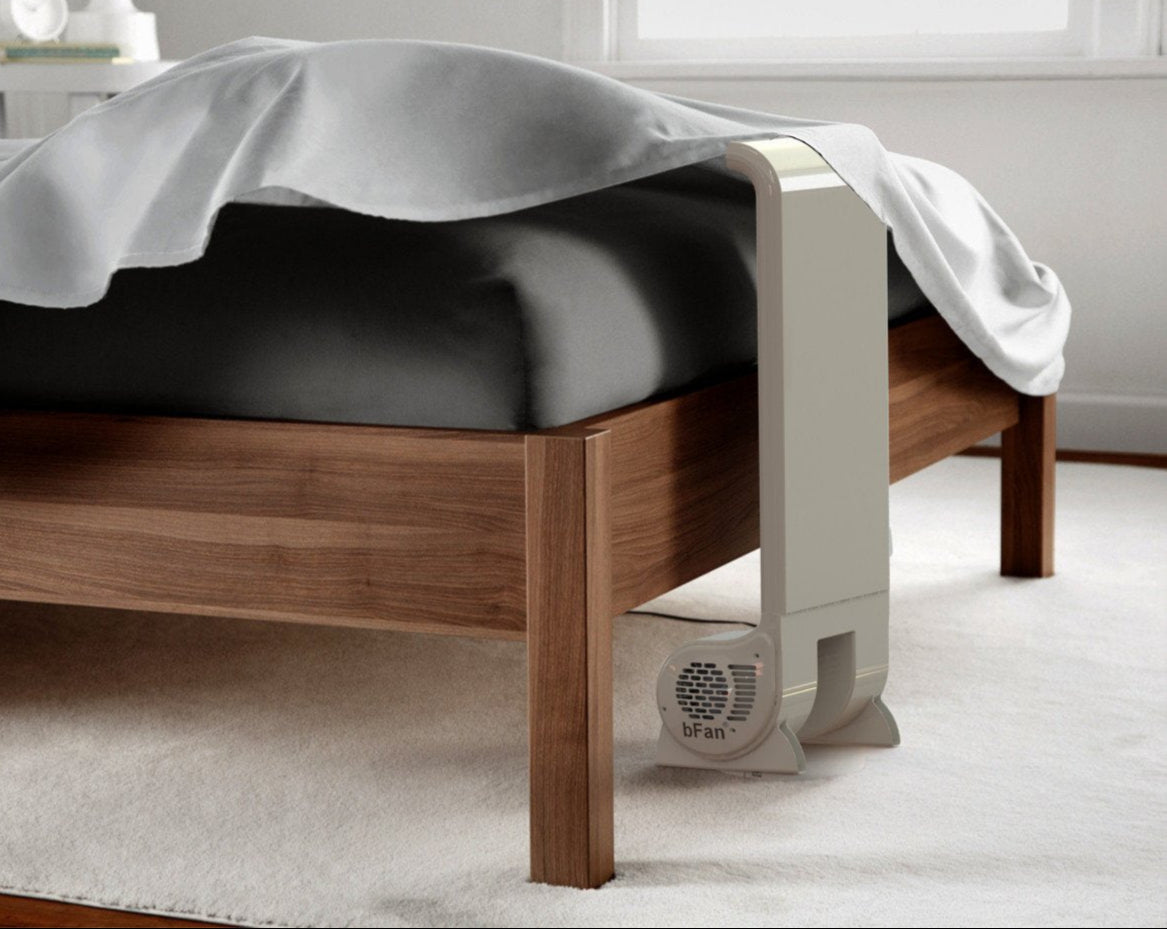
Air conditioning has become an indispensable part of modern life, providing comfort and safety in increasingly hotter climates. However, it is important to understand the environmental impact associated with its widespread use. Primarily, air conditioning units consume significant amounts of electricity, contributing to increased energy demand. This energy is often generated from fossil fuels, leading to higher carbon dioxide emissions, which are a major contributor to global warming. Moreover, air conditioners contain refrigerants that, when leaked, can be potent greenhouse gases with a much greater capacity to trap heat in the atmosphere than carbon dioxide. Older units, in particular, may use chlorofluorocarbons (CFCs) or hydrochlorofluorocarbons (HCFCs), both of which deplete the ozone layer in addition to their global warming potential. Additionally, the production and disposal of air conditioning units involve resource extraction and waste generation. The manufacturing process requires raw materials like copper, aluminum, and plastics, which can have detrimental effects on the environment due to mining and production wastes. At the end of their lifespan, improperly disposed air conditioners can release harmful chemicals into the environment, contributing to soil and water pollution. As the demand for air conditioning rises globally, it is crucial to explore sustainable alternatives and improvements. Innovations such as energy-efficient units, the use of eco-friendly refrigerants, and the integration of renewable energy sources can mitigate some of the adverse environmental impacts. Public policies and individual actions that promote energy conservation and alternative cooling techniques are also vital in addressing the environmental consequences of air conditioning. One eco-friendly alternative to traditional air conditioning is the Bedfan. The Bedfan operates by gently blowing cool air directly underneath the covers, creating a comfortable sleeping environment without the need to cool the entire room. This targeted cooling approach results in significantly lower energy consumption compared to air conditioning units, thereby reducing the demand for electricity and decreasing carbon dioxide emissions. Moreover, the Bedfan eliminates the reliance on refrigerants, avoiding the environmental hazards associated with their production, leakage, and disposal. The absence of harmful chemicals makes the Bedfan a safer option for both the environment and human health. Additionally, the device's compact size and relatively simple manufacturing requirements mean that it uses fewer raw materials and generates less waste over its lifespan, further minimizing its ecological footprint. Incorporating the Bedfan into the bedroom cooling strategy can be an effective way to promote sustainable living. By opting for energy-efficient and environmentally friendly solutions like the Bedfan, individuals can contribute to the global effort to reduce greenhouse gas emissions and mitigate the adverse environmental effects linked to traditional air conditioning systems.

Staying Cool with the Bedfan: An Eco-Friendly Alternative to Air Conditioning

on May 21 2024
As temperatures rise, the search for effective cooling methods becomes paramount. While air conditioners are a popular choice, they come with a significant environmental cost due to their energy consumption and the refrigerants they use. Enter the Bedfan, an eco-friendly alternative that can help keep you cool at night without the hefty environmental impact. Firstly, the Bedfan uses significantly less electricity compared to an air conditioner. Air conditioning units consume a substantial amount of energy, contributing to increased greenhouse gas emissions and placing a heavy burden on power grids. In contrast, the Bedfan operates efficiently, using a fraction of the energy required by traditional AC units. This reduction in energy consumption not only diminishes your carbon footprint but also leads to lower electricity bills, underscoring the economic benefits of this innovative device. Additionally, air conditioners often use refrigerants that can be harmful to the environment if not managed properly. Many of these substances are potent greenhouse gases that contribute to global warming when released into the atmosphere. The Bedfan, however, circumvents this issue entirely, as it relies on air circulation rather than chemical coolants to provide relief from the heat. By choosing a Bedfan, you are actively opting for a cooling solution that minimises the release of harmful substances into the ecosystem. Beyond its environmental advantages, the Bedfan also offers a targeted cooling experience. Unlike air conditioners that cool an entire room, the Bedfan directs airflow to your bed, providing a more efficient and personalised cooling effect. This precise airflow can help you sleep more comfortably without needing to lower the temperature of the entire room, further enhancing energy savings. In conclusion, the Bedfan presents an effective, efficient, and environmentally friendly alternative to traditional air conditioning. By integrating the Bedfan into your nightly routine, you can enjoy a cool, comfortable sleep while reducing your environmental impact. Making small changes like this can have a substantial positive effect on our planet, affirming that eco-friendly choices often come with added personal and financial benefits.

Beat the Heat: The Bedfan - Your Perfect, Economical Summer Cooling Solution

on May 19 2024
Summer can be a challenging season when it comes to staying cool without breaking the bank. Air conditioning units, while effective, can lead to soaring utility bills and aren't always the most energy-efficient solution. Enter the Bedfan, a revolutionary device designed to keep you comfortable and cool throughout those sweltering summer nights without the hefty price tag. The Bedfan operates by delivering a gentle, yet effective breeze directly underneath your sheets, pushing out the hot air and circulating cooler air to keep you at a comfortable temperature. This targeted cooling method is not only efficient but also incredibly economical, reducing the need to crank up the air conditioning just to get a good night's sleep. By using the Bedfan, you can significantly cut down on energy consumption and save on your electricity bills. What sets the Bedfan apart from other cooling solutions is its simplicity and effectiveness. Unlike traditional fans that cool an entire room, the Bedfan focuses its cooling power where you need it most - right in your bed. Its slim, unobtrusive design fits neatly at the foot of your bed and can be easily adjusted to your preferred fan speed and angle, ensuring personalized comfort. One of the standout benefits of the Bedfan is its whisper-quiet operation. Traditional air conditioning units or box fans can be noisy, disrupting your sleep. The Bedfan, however, operates almost silently, providing you with the cool comfort you need without the noise, ensuring a restful and uninterrupted night's sleep. In addition to being cost-effective and efficient, the Bedfan is also incredibly easy to set up and use. It requires no complicated installation; simply place it at the foot of your bed, adjust the settings to your preference, and enjoy a cool, comfortable night's sleep. To sum it up, if you're looking for an economical, efficient, and easy-to-use solution to stay cool during the summer, the Bedfan is the perfect choice. Say goodbye to sleepless, sweaty nights and hello to refreshing, cool comfort, all while saving money on your energy bills.

The Bedfan: Your Solution for a Cool and Comfortable Sleep

on May 17 2024
As the summer heat looms upon us, it's time to start thinking about ways to beat the rising temperatures. While we may enjoy warm weather during the day, trying to sleep in hot and humid conditions can be a real challenge. Sweating through the night, tossing and turning in discomfort - it's a recipe for an uncomfortable and restless sleep. But fear not, because we have the perfect solution to keep you cool and comfortable during those hot summer nights - the Bedfan. If you haven't heard of this ingenious invention yet, then read on to find out more about its many benefits. What is the Bedfan? The Bedfan is a unique fan system designed to keep you cool while you sleep. It is placed at the foot of your bed and blows a gentle breeze underneath your covers, circulating air throughout your entire bed. Unlike regular fans that simply blow air around the room, the Bedfan works specifically to create a cooling cocoon under your sheets. Benefits of using the Bedfan 1. Stay Cool All Night Long The most obvious benefit of the Bedfan is its ability to keep you cool while you sleep. With the gentle breeze circulating under your covers, you can say goodbye to sweaty and uncomfortable nights. The fan's adjustable speed settings also allow you to customize the airflow according to your preferences. 2. Saves Energy and Money Using an air conditioner throughout the night can be costly and not to mention, harmful for the environment. The Bedfan provides a more energy-efficient option for keeping cool during the summer. It uses significantly less electricity than an air conditioner and is also much more affordable. 3. Reduces Night Sweats Night sweats can be a common occurrence during hot summer nights, especially for women going through menopause. The Bedfan can help alleviate this problem by keeping your body temperature regulated throughout the night. 4. Improves Sleep Quality Sleeping in a cool and comfortable environment is crucial for getting a good night's rest. With the Bedfan, you can say goodbye to tossing and turning due to discomfort and hello to a peaceful and uninterrupted sleep. 5. Ideal for Couples with Different Temperature Preferences It's a common dilemma - one person loves the AC on full blast while the other prefers to sleep with just a sheet. The Bedfan is the perfect solution for couples with different temperature preferences. With its dual fan system, each person can adjust their own side of the bed to their desired level of coolness. How to Use the Bedfan Using the Bedfan is simple and hassle-free. It comes with an easy-to-install bracket that fits most beds, allowing you to set it up in just a few minutes. The fan also has a wireless remote control for added convenience. Conclusion Don't let the scorching heat of summer ruin your sleep. With the Bedfan, you can enjoy a cool and comfortable night's rest without breaking the bank. So, invest in this revolutionary fan system and get ready to beat the heat and sleep soundly all summer long. Sweet dreams!

How Sleep Apnea Causes Night Sweats: Understanding the Connection and Finding Relief

on Mar 28 2024
Sleep is essential for health and well-being, yet millions struggle to get quality rest due to sleep disorders. Among the most common and disruptive is sleep apnea, a condition that not only interrupts sleep but also causes a range of uncomfortable symptoms, including night sweats. For many, waking up drenched in sweat is more than an inconvenience, it is a sign of a deeper health issue. This article explores the relationship between sleep apnea and night sweats, examines the underlying causes, and offers practical solutions, including the innovative Bedfan, also known as the Bed Fan or bFan, which has helped countless individuals sleep cooler and more comfortably. What Is Sleep Apnea? Sleep apnea is a disorder marked by repeated interruptions in breathing during sleep. These interruptions, called apneas, can last from a few seconds to a minute and may occur dozens or even hundreds of times each night. The most common type, obstructive sleep apnea (OSA), happens when throat muscles relax excessively, causing the airway to collapse and block airflow. Central sleep apnea, a less common form, occurs when the brain fails to send proper signals to the muscles that control breathing. People with sleep apnea often experience loud snoring, gasping, or choking sounds during the night. They may wake up feeling unrefreshed, suffer from excessive daytime sleepiness, and struggle with concentration or memory. Over time, untreated sleep apnea can lead to serious health complications, including high blood pressure, heart disease, stroke, diabetes, and depression. Night Sweats: More Than Just a Nuisance Night sweats refer to excessive sweating during sleep that soaks pajamas and bedding. While everyone may sweat a little at night, especially in warm environments or after eating spicy foods, night sweats are more intense and persistent. They can disrupt sleep, cause discomfort, and leave individuals feeling tired and irritable the next day. Nocturnal sweating can be caused by a variety of factors, including infections, hormonal changes, medications, and certain medical conditions. However, for many people with sleep apnea, sleep apnea causes night sweats, making them a frequent and distressing symptom. The Link Between Sleep Apnea and Night Sweats The connection between sleep apnea and night sweats is rooted in the body’s response to interrupted breathing. When a person with sleep apnea stops breathing, oxygen levels in the blood drop, and the body reacts by triggering a stress response. This response involves the release of stress hormones like adrenaline, which increase heart rate, blood pressure, and body temperature. As the body struggles to restore normal breathing, it may produce excessive sweat as a way to cool down. Research shows that people with untreated sleep apnea are significantly more likely to experience night sweats compared to those without the condition. Studies suggest that up to one-third of individuals with sleep apnea report frequent night sweats. Treating sleep apnea, whether through lifestyle changes, medical devices, or surgery, can often reduce or eliminate night sweats altogether. Why Sleep Apnea Causes Night Sweats ? During an apnea event, the airway becomes blocked and the body is deprived of oxygen. This triggers the sympathetic nervous system, responsible for the “fight or flight” response. The heart races, blood vessels constrict, and body temperature rises. As the person briefly wakes up to resume breathing, the body attempts to cool itself by sweating. This cycle can repeat dozens or hundreds of times each night, leading to repeated surges in body temperature and sweating. Over time, this not only disrupts sleep but can also contribute to anxiety, fatigue, and poor overall health. Other Factors That Can Cause Night Sweats While sleep apnea is a common cause of night sweats, it is not the only one. Other potential causes include: Menopause and hormonal changes: Fluctuations in estrogen levels can trigger hot flashes and night sweats, especially in women going through menopause. Infections: Conditions like tuberculosis, HIV, and other infections can cause fever and night sweats. Medications: Certain drugs, including antidepressants, steroids, and fever reducers, can increase sweating. Chronic illnesses: Diabetes, cancer, and thyroid disorders are sometimes associated with night sweats. Anxiety and stress: Emotional distress can activate the body’s stress response, leading to sweating. If night sweats are persistent or accompanied by other concerning symptoms, it is important to consult a healthcare provider to rule out underlying medical conditions. Diagnosing Sleep Apnea and Night Sweats If you suspect that sleep apnea is causing your night sweats, the first step is to seek a professional evaluation. A healthcare provider will review your medical history, ask about your symptoms, and may recommend a sleep study, known as polysomnography. This overnight test monitors breathing, heart rate, oxygen levels, and other vital signs to determine if sleep apnea is present and how severe it is. In addition to diagnosing sleep apnea, your provider will consider other potential causes of night sweats and may order blood tests or other investigations as needed. Treatment Options for Sleep Apnea and Night Sweats The good news is that effective treatments are available for sleep apnea, and addressing the underlying disorder often leads to a significant reduction in night sweats. Treatment options include: Continuous Positive Airway Pressure (CPAP) CPAP therapy is the most common and effective treatment for obstructive sleep apnea. It involves wearing a mask over the nose or mouth during sleep, which delivers a steady stream of air to keep the airway open. Many people who use CPAP report immediate improvements in sleep quality and a reduction in night sweats. Oral Appliances For those with mild to moderate sleep apnea, oral appliances that reposition the jaw and tongue can help keep the airway open. These devices are custom-fitted by a dentist and are often more comfortable and portable than CPAP machines. Lifestyle Changes Certain lifestyle modifications can reduce the severity of sleep apnea and night sweats: Weight loss: Excess weight, especially around the neck, can increase the risk of airway obstruction. Avoiding alcohol and sedatives: These substances relax the throat muscles and can worsen sleep apnea. Sleeping on your side: This position helps keep the airway open compared to sleeping on your back. Maintaining a regular sleep schedule: Consistent sleep patterns can improve overall sleep quality. Surgical Options In some cases, surgery may be recommended to remove excess tissue from the throat or correct structural abnormalities that contribute to sleep apnea. Cooling Solutions for Night Sweats Even with effective treatment for sleep apnea, some people continue to experience nocturnal sweating due to other factors. Creating a cool and comfortable sleep environment can make a significant difference. This is where products like the Bedfan, also known as the Bed Fan or bFan, come into play. The Bedfan: Innovative Relief for Night Sweats The Bedfan is a unique cooling system designed specifically for people who struggle with night sweats and overheating during sleep. Unlike traditional fans that circulate air around the room, the Bedfan delivers a gentle stream of cool air directly under the sheets, targeting the area where heat and moisture tend to build up. How the Bedfan Works The Bedfan consists of a compact, adjustable fan unit that sits at the foot of the bed. It draws in air from the room and channels it through a slim, flexible vent that slides under the covers. The result is a continuous flow of cool, refreshing air that helps regulate body temperature and wick away sweat throughout the night. Benefits of the Bedfan Personalized cooling: The Bedfan allows users to adjust the airflow to their preferred level, ensuring maximum comfort without disturbing a sleeping partner. Energy efficiency: Because it targets the area under the sheets, the Bedfan uses less energy than air conditioning or large room fans. Quiet operation: The fan is designed to operate quietly, so it will not disrupt sleep with loud noises. Easy installation: The Bedfan can be set up in minutes and works with most bed sizes and types. For individuals with sleep apnea who experience night sweats, the Bedfan offers a practical and effective solution to stay cool and dry. Many users report that it has transformed their sleep, allowing them to wake up feeling refreshed and comfortable. Additional Tips for Managing Night Sweats In addition to using products like the Bedfan, there are several other strategies that can help reduce night sweats and improve sleep quality: Choose breathable bedding: Opt for lightweight, moisture-wicking sheets and pillowcases made from natural fibers like cotton or bamboo. These materials help draw sweat away from the skin and promote airflow. Keep the bedroom cool: Set the thermostat to a comfortable, cool temperature, ideally between 60 and 67 degrees Fahrenheit. Use blackout curtains to block out sunlight and reduce heat buildup during the day. Stay hydrated: Drink plenty of water throughout the day to prevent dehydration, which can make night sweats worse. Avoid caffeine and alcohol in the evening, as they can increase sweating and disrupt sleep. Practice relaxation techniques: Stress and anxiety can contribute to night sweats, so consider incorporating relaxation techniques such as deep breathing, meditation, or gentle stretching before bed. Wear lightweight sleepwear: Choose loose-fitting, breathable pajamas made from moisture-wicking fabrics. Avoid heavy or restrictive clothing that can trap heat and moisture. Monitor medications: If you suspect that a medication is causing night sweats, talk to your healthcare provider about possible alternatives or adjustments. When to Seek Medical Advice While occasional night sweats are usually harmless, persistent or severe sweating during sleep can be a sign of an underlying medical condition. Seek medical advice if you experience: Night sweats that occur regularly and disrupt your sleep Unexplained weight loss, fever, or other symptoms Night sweats that do not improve with lifestyle changes or cooling products A healthcare provider can help determine the cause of your symptoms and recommend appropriate treatment. The Importance of Addressing Sleep Apnea Sleep apnea is more than just a nuisance, it is a serious health condition that can have far-reaching consequences if left untreated. In addition to causing night sweats, sleep apnea increases the risk of high blood pressure, heart disease, stroke, diabetes, and depression. It can also impair cognitive function, reduce productivity, and strain relationships. Fortunately, effective treatments are available, and addressing sleep apnea can lead to significant improvements in sleep quality, energy levels, and overall health. If you suspect that you or a loved one may have sleep apnea, do not hesitate to seek professional help. The Role of the Bedfan in Improving Sleep Quality For many people, managing night sweats is an essential part of improving sleep quality and overall well-being. The Bedfan, with its targeted cooling technology, offers a simple yet powerful solution for those who struggle with overheating during the night. By delivering cool air directly under the sheets, the Bedfan helps regulate body temperature, reduce sweating, and create a more comfortable sleep environment. Whether used alone or in combination with other treatments for sleep apnea, the Bedfan can make a noticeable difference in how you feel each morning. Its quiet operation, energy efficiency, and customizable airflow make it a popular choice for individuals seeking relief from night sweats and restless nights. Frequently Asked Questions How common are night sweats with sleep apnea? Night sweats are quite common among individuals with sleep apnea, as sleep apnea causes night sweats. Studies indicate that about one-third of adults with untreated obstructive sleep apnea experience frequent nocturnal sweating. This symptom often improves significantly with effective treatment, such as positive airway pressure therapy. Why does sleep apnea cause night sweats? Sleep apnea causes repeated interruptions in breathing during sleep, which triggers the body’s stress response. This response releases stress hormones, increases heart rate, and raises body temperature, leading to excessive sweating as the body attempts to cool down. The cycle of apneas and arousals can cause multiple episodes of sweating throughout the night. Can treating sleep apnea reduce or eliminate night sweats? Yes, treating sleep apnea often leads to a significant reduction or complete resolution of night sweats. Therapies such as CPAP, oral appliances, or lifestyle changes help maintain open airways, reduce stress responses, and stabilize body temperature during sleep, resulting in fewer episodes of sweating. Are night sweats always a sign of sleep apnea? No, night sweats can result from various causes, including hormonal changes, infections, medications, anxiety, and chronic illnesses. While sleep apnea is a common cause, it is important to consult a healthcare provider to rule out other underlying conditions if night sweats are persistent or severe. What are other symptoms of sleep apnea besides night sweats? Other symptoms include loud snoring, choking or gasping during sleep, frequent awakenings, excessive daytime sleepiness, morning headaches, difficulty concentrating, mood changes, and high blood pressure. Not everyone with sleep apnea will experience all these symptoms, but a combination often points to the disorder. Can children with sleep apnea also experience night sweats? Yes, children with sleep apnea can experience night sweats, along with symptoms such as restless sleep, bedwetting, behavioral issues, and learning difficulties. If a child regularly wakes up sweaty or shows other signs of sleep-disordered breathing, a pediatric evaluation is recommended. Will using a Bedfan or bFan help with night sweats caused by sleep apnea? The Bedfan, also known as the Bed Fan or bFan, can provide significant relief from night sweats by delivering a gentle stream of cool air under the sheets. While it does not treat the underlying sleep apnea, it helps manage the discomfort of sweating, allowing for a cooler and more restful sleep environment. When should I see a doctor about night sweats and possible sleep apnea? You should consult a healthcare provider if you experience frequent or severe night sweats, especially if accompanied by symptoms like loud snoring, choking during sleep, excessive daytime sleepiness, or unexplained weight loss. Early diagnosis and treatment of sleep apnea can prevent complications and improve quality of life. Can medications for sleep apnea or other conditions worsen night sweats? Some medications, including certain antidepressants, steroids, and fever reducers, can increase sweating at night. If you notice a change in sweating patterns after starting a new medication, discuss this with your healthcare provider to explore alternatives or adjustments. Is it possible to have sleep apnea without experiencing night sweats? Yes, not everyone with sleep apnea will have night sweats. The presence or absence of sweating depends on individual physiology, the severity of apneas, and other health factors. Even without night sweats, sleep apnea can still have serious health consequences and should be evaluated if suspected. Conclusion Sleep apnea and night sweats are closely linked, with the stress response triggered by interrupted breathing often leading to excessive sweating during sleep. Understanding this connection is the first step toward finding effective solutions and improving sleep quality. By addressing sleep apnea through medical treatment and lifestyle changes, many people can reduce or eliminate nocturnal sweating altogether. For those who continue to struggle with overheating at night, innovative products like the Bedfan provide targeted relief and help create a cooler, more comfortable sleep environment. Combined with other practical strategies, such as choosing breathable bedding and keeping the bedroom cool, the Bedfan can help transform restless nights into restful, rejuvenating sleep. If you are experiencing persistent night sweats or suspect you may have sleep apnea, consult a healthcare provider for a thorough evaluation and personalized treatment plan. With the right approach, it is possible to enjoy cooler, more restful nights and wake up feeling refreshed and ready to take on the day. image External Resources National Sleep Foundation: Sleep Apnea Overview This page provides comprehensive information about sleep apnea, including symptoms, causes, and treatment options. Mayo Clinic: Night Sweats Causes This resource explains the various causes of night sweats and when to seek medical attention. American Academy of Sleep Medicine: Sleep Apnea Treatment This site details the different treatment options available for sleep apnea, from CPAP therapy to lifestyle changes. Johns Hopkins Medicine: Managing Night Sweats This article discusses strategies for managing night sweats and highlights potential underlying conditions. Bedfan Official Website Learn more about the Bedfan, its features, and how it can help individuals manage night sweats and sleep cooler. Share Leave a comment Please note, comments need to be approved before they are published. Start sleeping cooler tonight The bFan Bedfan If you are a hot sleeper you diserve the best fan at the best price. Order your Original bFan Bedfan today  

Hyperhidrosis Causing Night Sweats: Can the Bedfan Be Your Sleep Savior?

on Mar 26 2024
For many, a good night's sleep is an elusive dream. Those suffering from hyperhidrosis, in particular, find themselves in a perpetual battle against their own body as they navigate restless nights due to excessive sweating. Traditional cooling methods, such as fans and air conditioners, may provide some respite, yet often fail to address the issue at its core — the discomfort caused by night sweats can wreak havoc on sleep quality and overall well-being. However, there's a beacon of hope in the form of the Bedfan, an innovative sleep solution that offers targeted cooling tailored to the specific needs of people with hyperhidrosis. Let's explore how hyperhidrosis disrupts sleep, the implications for health, and why the Bedfan is emerging as a game-changer in the quest for nighttime comfort. Understanding Hyperhidrosis and Its Impacts on Sleep Hyperhidrosis is a medical condition characterized by excessive sweating beyond the body's thermoregulatory needs. Afflicting millions worldwide, it often manifests at night, leading to a condition commonly known as night sweats. These perspiration episodes can be extreme, soaking through clothing and bedding, and they are typically unrelated to ambient temperatures. As a result, individuals with hyperhidrosis frequently experience sleep disturbances, which can have far-reaching effects. The sleep-wake cycle, or circadian rhythm, is crucial for restorative sleep. Disruptions, like those caused by night sweats, can lead to sleep deprivation, which in turn affects cognitive function, mood, and can contribute to chronic health issues. For hyperhidrosis sufferers, this can create a distressing cycle of disrupted sleep, increased anxiety, and a decreased quality of life. The Bedfan Solution: Cool Comfort Tailored to You Traditional cooling methods cool the entire room or environment, which is more about ambient comfort than addressing perspiration directly. In contrast, the Bedfan is designed with a hyper-focused airflow that keeps only you cool, without the need to cool down the entire room. This targeted approach is born out of a recognition that it's the application of cooling specifically where and when it's needed — on the body of the individual — that truly enhances sleep quality for those with night sweats. The fan unit, attached to the foot of the bed, distributes a gentle stream of air along the surface of the mattress, preventing heat buildup and maintaining a cooler environment around the sleeper. The Bedfan is also adjustable, so users can set the fan to their desired speed and direction, ensuring a bespoke cooling experience that works with their body's natural thermal regulation. The Science Behind the Sleep The efficacy of the Bedfan rests not only on its clever design but also on an understanding of thermodynamics and the body's natural temperature regulation. At night, the body's core temperature decreases as part of the process of falling asleep. However, in hyperhidrosis, sweat production can cause a paradoxical increase in body temperature, leading to discomfort that interrupts the crucial onset of sleep. By counteracting this effect with localized cooling, the Bedfan can help restore the balance necessary for a restful night's sleep. The science speaks to the effectiveness of such targeted cooling solutions. Studies indicate that maintaining a cool room temperature fosters better sleep, and research on hyperhidrosis-specific interventions show promising results in improving overall sleep quality. Integrating the Bedfan Into Your Sleep Arsenal So, how can you integrate the Bedfan into your sleep routine? Here's a step-by-step guide: Step 1: Assess Your Setup Before purchasing the Bedfan, consider the layout of your bedroom and the structure of your bed. The Bedfan requires some clearance space beneath the frame for installation, and it's most effective with a mattress that allows airflow. Step 2: Installation and Setup Once your Bedfan arrives, follow the manufacturer's installation instructions. Ensure that the fan unit is securely attached and that the airflow is pointed in a direction that will maximize your comfort. Step 3: Personalization and Comfort Experiment with the fan's speed and direction to find the setting that provides the most comfort. Each individual may have a unique sleep profile, so customizing the fan's operation is key. Step 4: Track Your Rest Use a sleep journal to monitor any improvements in your sleep patterns and note how well the Bedfan mitigates episodes of night sweats. Over time, you'll be able to quantify the impact of this targeted cooling approach. Embracing Modern Solutions for Ancient Problems The Bedfan stands as a testament to human ingenuity, offering a modern solution to an ancient issue — the quest for restful sleep. As we continue to innovate, we can expect more tailored approaches to common health challenges, like hyperhidrosis. If you're among the millions dealing with night sweats, the Bedfan could be your answer to a cooler, more comfortable sleep. By focusing on personalized comfort, it represents a shift in the way we think about sleep solutions — not just in terms of sleep accessories, but as vital components that contribute to our holistic health and well-being. Remember, while an ideal sleeping environment can set the stage for a good night's sleep, it's also essential to prioritize sleep hygiene and consult a healthcare professional to address underlying health conditions. With a comprehensive approach to sleep health, the future of slumber could be cooler (thanks to the Bedfan) and brighter for those who suffer from night sweats.

Understanding Night Sweats: Unveiling the Link Between Stress and Sleep Discomfort

on Mar 24 2024
For those who often find themselves in the relentless grip of stress, the night can be anything but a sanctuary. Tossing, turning, and in the quiet hours, soaked in an unwelcome coat of perspiration — this is the irksome reality for many. In our modern world, where the neon glow of devices alone could keep one awake, it seems the pressures of everyday life strike deeper, even into our sleep. As we delve into the intricate web of stress and sleep disorders, our focus sharpens on a specific, yet widely experienced, nocturnal nuisance — night sweats. We unravel the why behind this physiological response to stress and explore innovative remedies such as the Bedfan that offer a cooling reprieve in the tumult of torrid nights. Stress and Sleep: The Complex Dance Stress isn't just a mental hurdle to leap over; it’s a full-body experience that can have profound impacts on the smallest elements of our daily functioning, including sleep. Night sweats, the profuse perspiration during sleep that so often accompanies the outbreaks of stress, are a sign of the intricate dance between our subconscious and the stress hormone adrenaline. The Inner Mechanics of Stress-Induced Night Sweats When our bodies perceive a threat, the sympathetic nervous system springs into action, initiating what's commonly known as the fight-or-flight response. Adrenaline surges, heart rates spike, and pores open to release that signature sheen of sweat, all in a bid to either battle against the stressor or flee from it. In modern times, the stressors are often mental and emotional, translating the body's ancient survival mechanisms into discomforting nightly episodes of profuse sweat. Cool It: The Bedfan as a Night Sweats Solution Understanding the cause is only half the journey. Seeking respite from the apparent sleep betrayal requires a strategic approach. The Bedfan presents itself as a pragmatic and technologically innovative solution to this age-old affliction. What is the Bedfan, and How Does It Work? Developed to enhance the comfort of sleep, the Bedfan is an underutilized marvel in the realm of dedicated sleep devices. It operates on the simple principle of gently blowing cooling air under the sheets and onto the body, negating the uncomfortable shift from warm to cold that often wakes and inhibits those with night sweats. Utilizing elegant technology, the Bedfan integrates seamlessly into the sleeping environment, adjusting airflow to suit individual needs and offering the tranquility of a cooled sleeping experience without the wintersome chill of a full-room circulation system. Beyond the Bedfan: Holistic Approaches to Alleviating Stress While the Bedfan offers a specific aid to the tribulations of night sweats, a more holistic approach to stress management can lead to a more profound and lasting improvement in sleep quality. The Role of Sleep Hygiene in Stress Management Establishing proper sleep hygiene — a set of practices promoting healthful sleep — is a critical, albeit often overlooked, foundation for stress reduction. Elements such as a consistent sleep schedule, comfortable bedding, and a calm sleep environment lay the groundwork for restorative rest and reduce the likelihood of nocturnal disturbances. The Importance of Psychological Wellness Tending to our psychological well-being through therapies like mindfulness, mediation, and cognitive-behavioral techniques can alter our response to stressors, dampening the frequency and intensity of sweat-triggering stress responses. Physical Fitness: A Stress-Busting Powerhouse Regular physical activity is a potent stress reducer, channeling the body's arousal toward muscular exertion and away from sweat-inducing anxious thoughts. The Path to Reclamation of the Night Night sweats, while often symptomatic of stress, need not be an accepted part of our nights. By unraveling the complex relationship between stress, sleep, and night sweats, and by embracing solutions like the Bedfan, we edge closer to reclamating the fullness of our nightly repose. As pioneers in our journey to overcome the sleep disruption, it's imperative we adopt a multi-faceted approach, intertwining innovative technologies with timeless wellness practices. With each restless night assuaged, our capacity for healthful, stress-free living expands — a journey well worth embarking upon.

The Nightly Battle: Unveiling the Mystery of Night Sweats

on Mar 24 2024
For those who've experienced it, waking up drenched in sweat is not just an uncomfortable occurrence; it's a nightly battle where the stakes are your sleep, comfort, and sometimes, sanity. Most people, especially women over 40 and those approaching or experiencing menopause, can testify to this. Yet, despite its familiarity, night sweats can still harbor a veil of mystery and misinformation. This blog post aims to shed light on one of the most common yet perplexing symptoms of menopause, addressing the frequently asked questions about night sweats and offering insights to help deal with this often undiscussed issue more confidently. What Are Night Sweats, and When Do They Signify a Medical Concern? Night sweats, clinically recognized as severe hot flashes that occur during sleep and result in extreme perspiration, can be a symptom of a wide range of underlying conditions. Generally, night sweats, as part of menopause, are considered a normal consequence of hormonal fluctuations. However, they might warrant medical attention if they are severe, persistent, disrupt your sleep, or are accompanied by other concerning symptoms, such as unexplained weight loss or high fever. These could be signs of infections, hormone disorders, or even some types of cancer. How Do Night Sweats Differ from Other Types of Sweating? Night sweats differ from the typical sweating that results from exercise or heat in several ways. They are more excessive and more likely to soak your pajamas and sheets. Additionally, night sweats often occur without a rise in your body temperature. While regular sweating regulates body temperature, night sweats might not serve any such function; rather, they are thought to be related to disturbances in the body's thermoregulatory system or to hormonal imbalances. The Science Behind Sweaty Slumbers While the exact cause of night sweats is often hard to nail down, several factors can contribute to these unwanted night-time showers. During menopause, fluctuating hormone levels, particularly estrogen, are the primary culprits. These hormonal changes can affect the hypothalamus, the part of the brain responsible for regulating body temperature, leading to the perception of being hot and triggering a sweat response—even when the environment is cool. Other common causes include certain medications, such as antidepressants and cortisone, as well as underlying medical conditions like diabetes, anxiety disorders, and sleep apnea. Unwrapping the Link Between Menopause and Night Sweats The menopausal transition is marked by a decrease in estrogen levels. It’s believed that the fluctuating levels of estrogen directly affect the hypothalamus, the body's internal thermostat. This impact, coupled with changes in other hormones, creates an imbalance that the body interprets as overheating, culminating in the response we experience as night sweats. Understanding this physiological shift can help in coming to terms with the symptom and exploring the various coping mechanisms available. Coping Strategies and Lifestyle Changes While night sweats may sometimes feel inevitable, there are ways to lessen their frequency and intensity. Lifestyle adjustments, such as keeping the bedroom cool, using lightweight, moisture-wicking sleepwear, and managing stress through relaxation techniques, can be remarkably effective. Additionally, adopting a healthy diet and regular exercise regimen may ease the intensity of night sweats. For those seeking natural remedies, plants like black cohosh and evening primrose oil have shown promise in some studies. However, it's important to consult with a healthcare professional before starting any new supplement. Seeking Medical Advice and Treatment Options If night sweats are disrupting your life, it's crucial to discuss them with a healthcare provider. Diagnosis involves history taking, physical examination, and possibly blood tests or imaging. Once an underlying cause is identified, treatment can be directed at managing the primary condition. For menopause-related night sweats, hormone replacement therapy (HRT) can be an option for some, but it's important to have a thorough discussion with your doctor to weigh the risks and benefits, as HRT is not suitable for everyone. Other medications, such as certain antidepressants, have also been shown to alleviate night sweats. The Psychological Toll of Night Sweats Night sweats can often be more than a physical inconvenience. Their impact on quality of life, mental health, and daily functioning should not be underestimated. They can contribute to fatigue, irritability, and even anxiety about going to sleep, leading to a cycle of insomnia and worsening sweats. Support systems, stress reduction techniques, and, in some cases, therapy can all play a crucial role in managing the psychological effects of night sweats. Harnessing Mindfulness and Holistic Approaches Approaching night sweats from a holistic standpoint that includes mindfulness can help mitigate their effects. Practices like yoga and meditation can enhance your awareness of your body’s signals and responses, allowing you to better recognize and respond to early signs of overheating. Holistic health approaches, which tackle the root causes of imbalances, can also provide a more comprehensive way to address night sweats, including acupuncture, chiropractic care, and herbal medicine. Night Sweats Across the Lifespan While commonly associated with menopause, night sweats are not exclusive to this stage of life. They can occur at any age due to various factors, such as hormonal disorders, infections like tuberculosis and HIV, and even certain medications. Discussing your symptoms with a healthcare provider is the first step in finding relief, regardless of your age or gender. Crafting Your Personal Wellness Toolkit Recognizing that everyone's body is different, it's essential to develop a personal toolkit of strategies to manage night sweats. This can involve a multimodal approach, combining strategies like mindfulness, adjustments in sleep environment, dietary changes, and possibly medical interventions. Over time, this toolkit can be refined and adapted as your body and its needs evolve. Winding Down: The Path to Peaceful Nights Night sweats may seem like an insurmountable problem, but with the right knowledge and approach, peaceful nights are possible. Educating yourself about the potential causes and remedies is a critical first step. From there, integrating lifestyle changes, seeking medical advice, and exploring alternative therapies can bring about a significant improvement in the quality of your sleep and, by extension, your life. Don’t be afraid to address the issue head-on—after all, knowledge and action are the keys to unlocking the door to a sound slumber.

The Link Between Chronic Fatigue Syndrome and Night Sweats: Your Comprehensive Guide

on Mar 22 2024
Understanding the many symptoms and complications of chronic fatigue syndrome (CFS) is crucial for patients and their caregivers. Night sweats, in particular, can be disruptive to sleep and impact the overall quality of life. In this extensive blog post, we dive into the reasons why CFS leads to night sweats, and we introduce a solution that's been a game-changer for many CFS patients: the Bedfan. Let's explore how this innovative device can help you or your loved one manage night sweats and reclaim restful nights. Unraveling the Mystery of Chronic Fatigue Syndrome Chronic fatigue syndrome (CFS), also known as myalgic encephalomyelitis (ME), is a complex disorder characterized by extreme fatigue that cannot be explained by any underlying medical condition. It worsens with physical or mental activity but doesn't improve with rest. Beyond the hallmark fatigue, individuals with CFS often experience a range of other symptoms including muscle pain, memory and concentration problems, sore throat, joint pains, headaches, and unrefreshing sleep. One such sleep disturbance that can plague CFS patients is night sweats, or episodes of excessive perspiration during the night that can often lead to soaking bedding or clothes and severe disruptions to sleep. Night Sweats and Chronic Fatigue: A Double Whammy It's not uncommon for those with CFS to experience night sweats. In fact, night sweats can be a response to the body's own stress and exertion. For CFS patients who often struggle with managing their energy levels, especially during sleep, the body's attempts to regulate temperature during the night can actually exacerbate other symptoms of the syndrome, ultimately leading to a worsening of the disease's cycle of fatigue and malaise. The connection lies in the body's autonomic nervous system (ANS). Dysfunction of the ANS can lead to abnormalities in temperature control, and CFS is thought to have a dysregulated ANS at its core. This can mean the body responds to even mild changes in room or body temperature with excessive perspiration, hence night sweats become a common complaint amongst those with CFS. The Bedfan: A Cool Solution to Night Sweats for CFS Patients Dealing with night sweats can be incredibly challenging for those with chronic fatigue. Interrupted sleep due to soaking-wet bedding is not only uncomfortable but can also contribute to the fatigue and weakness that characterizes CFS. However, the Bedfan provides a unique and welcome solution. The Bedfan is an innovative system that fits at the foot of your bed and blows air through a special slot in the head of the bed. This creates a gentle, unobtrusive breeze that you can adjust to your desired level of comfort. By cooling your sleep environment and helping to wick away excess moisture, the Bedfan can significantly reduce the discomfort and sleep interruptions caused by night sweats among CFS patients. Understanding the Bedfan: How It Works and Who It's For The setup of the Bedfan is simple – you attach the device to the foot of your bed and connect it to a power source. There's an adjustable arm that you can position anywhere under your top sheet, or you can elect to direct the air further down towards your feet for localized cooling effects. The Bedfan can be particularly beneficial for those who struggle with night sweats due to CFS. Unlike traditional fans, its design specifically targets the user lying down, and since it fits on the bed frame itself, it eliminates noise and drafts often associated with ordinary fans, ensuring a more restful sleep for those with sensitivities related to CFS. Real Experiences: How the Bedfan Has Made a Difference To truly understand the impact of the Bedfan, it's important to hear from those who have actually used it. CFS patients who incorporate the Bedfan into their sleep routine often report significant improvements in their sleep quality and night sweats. By aiding in the management of their body temperature without causing further discomfort or exertion, the device has the potential to be transformative. For some, the cooling effects of the Bedfan lead to a less disrupted sleep, which can result in a decrease in overall fatigue. Others highlight how a single night of uninterrupted rest can lead to better management of daytime symptoms, improving their overall quality of life. Choosing the Right Bedfan: Factors to Consider When deciding which Bedfan is right for you or a loved one living with CFS, there are a few factors to take into account. Consider the dimensions of your bed and the size of the room you will be using it in. Some models are designed for larger beds or spaces, while others are more compact and suited to a single sleeper. Also, think about the level of customization you might require in terms of the fan's settings. The ability to adjust the speed, direction, and the timing of the fan's operation can all contribute to its user-friendliness and effectiveness at managing night sweats in CFS patients. Tips for Integrating the Bedfan into Your Sleep Routine The Bedfan can be an extraordinary tool for managing night sweats in CFS patients, but its effectiveness often comes down to how it's used. Here are some tips for incorporating the Bedfan into your sleep routine: Experiment with positioning the Bedfan arm to find the optimal cooling effect for your body. Utilize the various speed settings to find the right balance of comfort and cooling. Maintain a regular sleep schedule and keep your sleep environment conducive to rest. Pair the use of the Bedfan with other healthy sleep strategies like avoiding caffeine in the afternoon, keeping your bedroom dark and quiet, and establishing a pre-sleep routine that helps signal your body it's time to rest. The Science of the Bedfan: Does It Really Work for Chronic Fatigue Patients? Scientific evidence on the Bedfan in relation to CFS is still emerging, but initial reports and anecdotal evidence from patients are promising. The device's ability to help CFS patients achieve a more comfortable and ideally ventilated sleep environment can have direct and significant benefits for their quality of life and symptom management. Adhering to proven scientific theories about the management of CFS symptoms, the Bedfan's capacity to promote better sleep hygiene aligns with the recommendations healthcare professionals commonly suggest to CFS patients. CFS and Night Sweats: The Wider Health Implications Night sweats are more than just a nuisance – they can be indicative of other health issues. In the context of CFS, the presence of night sweats may signify an exacerbation of the underlying autonomic dysfunction, making the management of this symptom even more critical. It's important for patients with CFS to pay attention not just to their fatigue but to the full range of symptoms they experience, and to communicate these with their healthcare providers. Addressing night sweats is more than just about comfort; it can have broader implications for the management of CFS as a whole. Frequently Asked Questions About Chronic Fatigue, Night Sweats, and the Bedfan Chronic fatigue syndrome and night sweats are complex issues, and the addition of a new device like the Bedfan to your health regimen can raise many questions. Here are some common queries you may have when considering the Bedfan for CFS: What other treatments are available for night sweats related to CFS? In addition to the Bedfan, there are various treatment routes to explore in managing night sweats, from natural remedies to medical interventions. It's essential to work closely with your healthcare team to find the right combination that works for you. Is the Bedfan safe for use if I'm taking medications for CFS? Since the Bedfan is non-invasive and doesn't involve any medical intervention, it is generally considered safe for use in conjunction with most medications used to manage CFS. However, always consult your physician if you have concerns about using new devices in your treatment regimen. Does the Bedfan require maintenance or regular cleaning? Like any appliance, the Bedfan benefits from regular cleaning to maintain its effectiveness and lifespan. Most models come with specific instructions on how to keep them in good working order. Can I use the Bedfan with a partner who doesn't have CFS? Certainly – the Bedfan can be a welcome addition to the sleep routine of anyone looking to manage their nighttime temperature. It can be especially useful for couples with differing preferences on room temperature. Final Thoughts: The Bedfan as a Tool for Better Sleep with Chronic Fatigue Syndrome Night sweats can be one of the most frustrating symptoms of chronic fatigue syndrome, but they don't have to dictate your sleep quality or overall well-being. By exploring innovative solutions like the Bedfan, patients with CFS can discover new ways to manage their symptoms and enjoy more restful nights. As always, when navigating the complexities of chronic illness, it's important to work with your healthcare team to find the solutions that best fit your individual circumstances. The Bedfan is just one of many tools available to those living with CFS, but for those whose nights are plagued by sweating and discomfort, it could be the solution they've been searching for. Navigating chronic fatigue syndrome can be a daunting journey, but small changes in your daily routine can lead to significant improvements in your quality of life. If night sweats are a challenge for you, the Bedfan can be a valuable ally in your quest for better sleep and more comfortable nights. Embracing technology that's designed with your condition in mind is a powerful way to take back control and enjoy the slumber you deserve.

Navigating Menopause: Answering Your Most Searched Questions

on Mar 22 2024
For women transitioning through midlife, menopause is a profound biological event that brings a bouquet of changes, from pivoting hormonal landscapes to a profound shift in well-being. This natural season of change is inundated with uncertainties, misconceptions, and a host of questions. Here, we endeavor to demystify the most common inquiries swirling around menopause, ensuring that you sail smoothly through this pivotal phase with knowledge as your compass, and confidence as your first mate. What Exactly Is Menopause? Below the surface level, menopause marks the cessation of menstruation and the closure of a woman's reproductive window. It’s officially declared after 12 consecutive months without a menstrual period. However, the menopause process is much more than the termination of the monthly cycle. It’s underscored by hormonal shifts—specifically a decline in estrogen—that can lead to an array of physical and emotional changes. Menopause is a major turning point, both biologically and emotionally, and can often be misunderstood as a singular event when it's, in fact, a personal and transitional phase. When Does Menopause Typically Start, and How Long Does It Last? Menopause signals the end of the menstrual cycle and with it a woman's fertility. For most women, this begins between the ages of 45 and 55. However, the start of menopause (perimenopause) can occur many years before the final menstrual period, often from mid-to-late 40s. Postmenopause is the term used to describe the rest of your life after menopause. This stage can last for years, even decades. What Are the Key Signs and Symptoms of Menopause? Menopause unfurls a cloak of symptoms, varying from person to person in type and intensity. Common complaints include hot flashes, night sweats, irregular periods, sleep disturbances, vaginal dryness, mood swings, weight gain, thinning hair, and changes in libido. The severity of these symptoms can be attributed to several factors, including genetics, lifestyle, and overall health. What Role Does Hormone Replacement Therapy Play in Menopause Management? Hormone Replacement Therapy (HRT) has been a game-changer for many women navigating through menopause. By supplementing the body with hormones that are reduced during menopause, HRT can effectively alleviate symptoms and reduce health risks related to menopause. However, HRT is not without its risks, and it's pertinent to consult with a healthcare provider to weigh the benefits and potential side effects before deciding to use HRT. Are There Natural or Alternative Approaches to Managing Menopause Symptoms? Indeed, there are various natural and alternative approaches to manage menopause symptoms. Lifestyle modifications, such as eating a healthy diet, regular exercise, proper sleep hygiene, and stress management, can significantly impact how one experiences menopause. Additionally, some women find relief with complementary therapies like acupuncture, herbal remedies, and relaxation techniques. While promising, the efficacy of these approaches can vary, and it is advised to discuss these strategies with a healthcare professional. What Health Risks Are Associated with Menopause, and How Can They Be Managed? The hormonal changes that occur during menopause can increase the risk of certain health conditions, including osteoporosis, cardiovascular disease, and weight gain. Adopting a health-promoting lifestyle, which includes a well-rounded diet and regular physical activity, can be effective in reducing these risks. Regular screenings and dialogues with your healthcare provider can help to identify and manage these conditions should they arise. How Does Menopause Affect Mental Health and Emotional Well-being? Menopause is not just a physical transformation but also has psychological implications. Many women report experiencing symptoms of anxiety, depression, and mood swings during this time. It's important to recognize and address these emotional changes. Engaging in activities that bring joy, seeking support from loved ones and professionals, and practicing mindfulness can significantly improve mental health and emotional well-being during menopause. Can Menopause Affect Relationships, and If so, How Can I Navigate This? The physical and emotional changes that come with menopause can sometimes strain relationships, particularly intimate partnerships. Open communication, patience, empathy, and a willingness to adapt can ease the impact of menopause on relationships. Couples can explore new ways of connecting to maintain a healthy and satisfying relationship through this transition. Are There Lifestyle Changes That Menopausal Women Should Consider? Adopting healthy lifestyle changes can help women manage the symptoms and risks associated with menopause. Regular exercise, maintaining a healthy weight, staying hydrated, quitting smoking, reducing alcohol consumption, and managing stress levels are all beneficial practices. These changes can enhance overall well-being as well as combat specific menopausal symptoms. How Can I Better Prepare for Menopause, Especially in My 40s? Preparation is key to navigating the waters of menopause. In your 40s, it's wise to educate yourself about the process, maintain strong communication with your healthcare provider, and begin adopting a healthier lifestyle. Starting the dialogue about menopause with your provider early can help you set realistic expectations and develop a personalized plan for managing this transition. How Can I Stay Informed and Find Support in My Menopause Journey? Knowledge is empowering, especially when you have a community to share it with. Stay informed by reading reputable sources, attending menopause-specific workshops, and participating in online forums. Support groups can be invaluable for sharing experiences, receiving advice, and finding emotional support. Remember, every woman's menopause experience is different, but we can all benefit from shared wisdom and camaraderie. In summary, menopause is a phase of transformation that's unique to every woman. By understanding the process, being proactive about your health, and seeking support when needed, you can traverse this life stage with grace and resiliency. It’s a chapter that closes one door and opens another to the vast potential of the postmenopausal years. In the end, the most important lesson is that menopause is not an endpoint but a new beginning—a chapter in the book of a woman's life, marked by change and opportunity.

Understanding the Link Between PTSD and Night Sweats: A Comprehensive Guide to Restful Sleep

on Mar 20 2024
Struggling with post-traumatic stress disorder (PTSD) often means facing a myriad of symptoms that extend past the psychological realms. Many individuals suffering from PTSD also contend with sleep disturbances, a common precursor to night sweats. Research has shown that up to 71% of people with PTSD experience nightmares, flashbacks, or intrusive memories, all of which can manifest during sleep, leading to night sweats and nocturnal disturbances. Understanding the intricate relationship between PTSD, sleep, and night sweats is crucial for finding sustainable relief. In this guide, we'll explore how PTSD impacts sleep patterns, why night sweats occur, and introduce a novel sleep solution, the Bedfan, that may offer comfort to those seeking reprieve from night sweats and insomnia.   The PTSD Night Sweat Connection Night sweats in PTSD are often an extension of the body's 'fight or flight' response, which is perpetually heightened in those with the disorder. Individuals with PTSD can often find themselves incidents that remind them of their trauma, leading to an outpouring of stress hormones like cortisol and adrenaline, even in the dead of night. For many experiencing these hormonal spikes, the result can be overheating, perspiration, and night sweats, which can cause not only discomfort but also sleep disruptions that further exacerbate the disorder's symptoms. The unfortunate cycle of trauma, stress, and disrupted sleep can be both physically and emotionally taxing. Impact of Night Sweats on Quality of Life Persistent night sweats can lead to chronic sleep deprivation, a state that impairs cognitive function, weakens the immune system, and can exacerbate mental health conditions. Beyond these potential complications, night sweats can also impact personal and professional spheres, leading to a decreased quality of life, as functioning during the day becomes more arduous. Managing night sweats is crucial for those with PTSD, as it not only improves the quantity of sleep but also the quality. Individuals who can mitigate night sweats often find that they experience fewer nightmares and flashbacks, leading to an overall higher quality of life. Traditional Management of Night Sweats Managing night sweats traditionally has involved various methods, some of which include: Maintaining a Cool Environment: Ensuring the sleeping environment is cool and comfortable can help regulate body temperature and minimize sweating. Choosing the Right Bedding: Utilizing moisture-wicking fabrics in bedding can help absorb and disperse sweat while remaining dry. Developing a Routine: Establishing a soothing bedtime routine that primes the body for sleep can be beneficial in those with PTSD, who often struggle to relax. These tactics, while effective for many, may not be sufficient for everyone, especially for those with PTSD who have unique and often extreme physiological responses to stress. The Bedfan: A New Approach to Cooling Sleep The Bedfan system offers an innovative solution for alleviating night sweats and improving sleep quality. By utilizing a unique fan system that installs under a user's bedding, the Bedfan creates a gentle breeze across the body, venting heat away and maintaining a cooling airflow all night long. This subtle but consistent cooling effect not only combats night sweats but can also improve the overall sleep environment, reducing the likelihood of sleep disturbances and nightmares by creating a more comfortable and consistent rest experience. Why the Bedfan Could Be the Choice for PTSD Sufferers The Bedfan caters to the specific needs of those with PTSD who often find it difficult to trust or relax in typical sleeping environments. Its quiet, unobtrusive operation means that it can provide comfort without causing additional stress, which is key for any PTSD-friendly solution. Furthermore, its under-the-bedding design eliminates the need for overhead fans or air conditioning units, which can sometimes exacerbate night sweats by causing concentrated cool air to fall directly onto the body. The Bedfan's balanced airflow offers a more natural and gentle cooling experience. Real-Life Applications of the Bedfan for PTSD Patients Patients have reported a significant reduction in night sweats and associated symptoms after incorporating the Bedfan into their sleep routines. Lower prevalence of night sweats has translated to more extended, undisturbed sleep, fewer nightmares, and reduced daytime sleepiness. The Bedfan's impact goes beyond the physical; its effect on promoting restorative sleep contributes to a more stable and regulated emotional state for those with PTSD. The Bedfan as Part of a Comprehensive Treatment Plan The Bedfan should be considered as an adjunct to a comprehensive treatment plan for PTSD. Therapies such as cognitive-behavioral therapy (CBT), medication, and complementary treatments can address the broader spectrum of PTSD symptoms, while the use of the Bedfan can help tackle a specific facet that often goes unaddressed—sleep quality. By integrating the Bedfan into a treatment regimen, individuals with PTSD can tackle the issue of night sweats head-on, exploring how targeted solutions can provide welcome relief alongside other treatments. Its non-invasive design and quiet operation make it a practical tool for those seeking to enhance their sleep hygiene without overwhelming a personal space that needs to feel safe and secure. Conclusion: Bridging the Gap to Restful Nights For those who struggle with PTSD, the road to restful sleep can be fraught with challenges. Night sweats, a common symptom of hyperarousal and the 'fight or flight' response, can be particularly disruptive, leaving individuals feeling weary and unprepared to face the day. Understanding how PTSD influences night sweats and, in turn, sleep quality is the first step toward finding solutions. The Bedfan offers a novel, holistic approach that could significantly improve the lives of those dealing with these complex interactions. By combining this innovative technology with other therapeutic approaches, individuals with PTSD can begin to rebuild their relationship with sleep, one night at a time. Remember that while the Bedfan can be a valuable tool, it’s essential to consult with a healthcare professional to develop a treatment plan specialized for your unique needs. By taking a multifaceted approach to tackling night sweats and sleep disturbances related to PTSD, you can pave the way for deeper, more restorative sleep and a renewed sense of well-being.

Hypoglycemia Night Sweats: Symptoms and Solutions

on Mar 18 2024
Hypoglycemia night sweats happen when low blood sugar triggers sweating during sleep. Common symptoms include waking up drenched, feeling shaky, or having a rapid heartbeat. Managing these sweats involves monitoring blood sugar, eating balanced meals, and talking to your doctor about medication adjustments. Creating a cool sleep environment can also help—using a bedfan or bFan from www.bedfans-usa is a great solution, as it quietly circulates room air under your sheets, helping you stay comfortable without raising your energy bill. Sleep experts recommend keeping your bedroom between 60°F and 67°F, and with a bedfan, you can often keep your room a bit warmer and still sleep cool.

Mastering Hyperthyroidism: Tackling Night Sweats with Bedfan Technology

on Mar 16 2024
Imagine waking up in the middle of the night, drenched in sweat. It's an uncomfortable and all-too-common phenomenon for those battling the challenges of hyperthyroidism. But controlling night sweats can be more than just a battle against the clock: it's a journey toward better sleep and overall well-being. The Science Behind Hyperthyroidism and Night Sweats Hyperthyroidism is a condition where the thyroid gland produces an excess of thyroid hormone, leading to a process known as thyrotoxicosis, or a toxic reaction to excessive thyroid hormone. This can cause many symptoms, but perhaps one of the most disruptive is night sweats, which are episodes of excessive nighttime sweating. Understanding the Thyroid's Role The thyroid is a small, butterfly-shaped gland located just below your Adam's apple. Despite its size, the hormones it secretes play a crucial role in regulating the body's metabolism. An overactive thyroid can rev up many of the body's systems, causing an increase in metabolism, which can lead to sweating, especially at night when you're under the covers. Connection Between Hormones and Hypothalamus The hypothalamus, a part of the brain, regulates body temperature. When the thyroid overproduces hormones, it can trick the hypothalamus into thinking the body is too hot, initiating a cooling response, which includes sweating, even though the temperature isn't actually elevated. Risks of Disrupted Sleep from Hyperthyroidism The impact of night sweats goes beyond the inconvenience of damp sheets and sleep interrupted. Sleep is vital for physical recovery and mental well-being. Disrupted sleep can lead to: Fatigue Increased Anxiety Concentration Difficulty Compromised Immune Function Aggravated Thyroid Symptom The Cyclical Nature of Sleep Disruption Fatigue from disrupted sleep can often lead to a vicious cycle, as increased tiredness during the day can cause napping, which can then disrupt the body's natural sleep cycle. Anxiety as a Consequence One of the hallmark symptoms of an overactive thyroid is increased anxiety, which is only exacerbated by inadequate sleep. Addressing night sweats can, therefore, help tackle multiple symptoms of hyperthyroidism. Lifestyle Changes to Manage Night Sweats Thankfully, there are strategies and lifestyle changes that can help manage night sweats. These include: Creating a Comfortable Sleep Environment: Keeping the bedroom cool and using moisture-wicking bedding can help regulate temperature and absorb sweat. Timing Your Meals and Medication: Avoid eating or taking medication within a few hours of bedtime to minimize the heat produced by metabolism. Regular Exercise: Regular activity can help regulate the body's systems and reduce the overall stress that can exacerbate night sweats. Stress Management Techniques: Night sweats can be triggered by emotional or psychological stress. Techniques such as meditation or breathing exercises can help you relax before bed. The Bedfan Solution While these lifestyle changes can be beneficial, many individuals with hyperthyroidism still struggle with night sweats. This is where innovative solutions like the Bedfan come into play. What is the Bedfan? The Bedfan is a unique and patented cooling system designed to provide relief from night sweats. It is a fan unit that sits at the foot of the bed and quietly cools the body with a gentle breeze, creating a personal cooling zone beneath the sheets. How Does the Bedfan Work with the Body's Natural Cooling Mechanism? The Bedfan isn't just about blowing air around; it's about working with the body's natural cooling mechanisms without chilling the entire room. It can help counteract the excess heat generated from an overactive thyroid and greatly improve the comfort of sleep. Benefits Beyond Night Sweats The relief from night sweats is only part of the story. By promoting more restful sleep, the Bedfan can help with managing anxiety, maintaining a regular sleep schedule, and overall enhancing the quality of life for individuals with hyperthyroidism. Testimonials from the Hyperthyroidism Community The best way to understand the impact of using a Bedfan for hyperthyroidism is through the experiences of those who have incorporated it into their lives. Real-Life Stories of Improved Sleep and Comfort Countless individuals have shared how the Bedfan has transformed their nights, allowing them to enjoy uninterrupted sleep, waking up refreshed, and ready to tackle the day. A Tool Recognized by Physicians It's not just patients who are praising the Bedfan; physicians specializing in sleep and endocrinology have begun to recommend it as a valuable tool in managing hyperthyroidism. Final Thoughts: Embracing the Journey to Better Sleep Managing the symptoms of hyperthyroidism, including night sweats, is a multi-faceted challenge that requires a combination of medical management and practical coping strategies. The Bedfan represents an elegant solution that can significantly enhance the sleep experience for those dealing with night sweats. Taking the First Step If you or someone you know is affected by hyperthyroidism, consider the benefits of integrating the Bedfan into your sleep routine. It's important to consult with a healthcare professional about your individual needs, but the stories from the hyperthyroidism community paint a picture of genuine relief and better sleep quality. Continuous Efforts Toward a Balanced Life Remember, the key is not to let hyperthyroidism, or any health condition, define your quality of life. By proactively addressing symptoms such as night sweats, you're not just managing a condition, you're crafting a better future filled with more restful nights and energized days. In the journey towards well-being, every small step counts. And waking up without drenched sheets could be the first step to reclaiming comfortable, uninterrupted sleep. So reach for that fan, create your perfect sleep environment, and let's turn those restless nights into restorative retreats.

Lupus and Night Sweats: How the Bedfan Can Help You Get Better Sleep

on Mar 14 2024
Living with lupus can be a daily battle, with the condition often affecting not just your physical health, but also your quality of life. Among the array of symptoms, sleep disturbances such as night sweats can be particularly vexing and disruptive. But what if there were a simple, non-invasive solution to help alleviate this issue and give you the restful sleep you desperately need? Enter the Bedfan – a clever device that tackles night sweats and overheating, making a compelling case for a more comfortable sleep for lupus patients and anyone dealing with similar symptoms. Demystifying Lupus and Its Effects on Sleep To address how the Bedfan can make a significant difference, let's first understand what lupus is and how it can impact your sleep. Lupus, a chronic autoimmune disease, can cause inflammation in various body systems. When this inflammation occurs, it can lead to symptoms such as joint pain, fatigue, and even fevers, all of which can disrupt sleep patterns. Night sweats, a common issue for those with lupus, often result from these fevers, making it difficult to stay cool and comfortable during the night. Poor sleep quality is not just an inconvenience; it can exacerbate other lupus symptoms, leading to a vicious cycle that further diminishes your well-being. The Bedfan: A Simple Solution for Night Sweats The Bedfan is a cooling system designed to fit the foot of your bed, quietly providing a stream of air over your body without the disturbance of traditional fans. It’s a thin profile fan that disperses cool air along your body, preventing excessive sweating and discomfort during the night. This innovative product is particularly effective for lupus patients who struggle with night sweats, as it can regulate body temperature, reduce perspiration, and create a more comfortable sleep environment without the risk of catching a chill from direct airflow. The Science of Staying Cool Night sweats are often associated with an overheated body, and the solution lies in temperature regulation. When suffering from lupus-induced fevers, your body's thermostat malfunctions, leading to discomfort. By incorporating the Bedfan into your sleep routine, you override this malfunction, ensuring a more consistent and comfortable temperature. This, in turn, minimizes the physical discomfort and allows for an undisturbed night of rest, which is crucial for boosting your overall health and managing lupus symptoms effectively. Impact on Sleep Quality and Well-Being Sleep is the body's natural restoration period, allowing it to repair damage and recuperate from daily activities. When uaffected by lupus symptoms like night sweats, sleep quality diminishes, impacting your energy levels and ability to function day to day. By enhancing your sleep environment with the Bedfan, you're taking a proactive step towards better sleep hygiene. Improved sleep quality can lead to fewer lupus flares, less pain, and an overall improvement in your mental and physical well-being. How to Incorporate the Bedfan Into Your Lupus Management Incorporating the Bedfan into your lupus management plan is as simple as fitting it at the foot of your bed and adjusting it to your desired level of airflow. Consider these strategies to optimize its use and make the most of its benefits in your journey to better sleep: Consistency is Key Use the Bedfan consistently to get your body adjusted to the new, more comfortable temperature. Consistent use can also help establish a routine, signaling to your body that it's time to wind down and prepare for rest. Trial and Error for Best Positioning Experiment with the Bedfan's positioning to find the setup that delivers the most comfort. Some users prefer a gentle breeze directed across their feet, while others find that the fan is more effective when placed slightly higher to cool the body's core temperature. Additional Sleep Hygiene Practices While the Bedfan can be a significant aid, it's important to incorporate other sleep hygiene practices to promote better sleep. These can include establishing a regular sleep schedule, creating a calming bedtime ritual, and ensuring your sleeping environment is conducive to rest. Testimonials and User Experience The effectiveness of the Bedfan can be seen through the numerous testimonials of those who have found relief from night sweats and other conditions that disrupt sleep. Users with lupus, menopause, and cancer treatments have praised the fan for its ability to provide a more comfortable sleeping environment during difficult times. Real Stories of Relief Real stories tell of users who have experienced fewer wakeups due to night sweats, a greater ability to fall and stay asleep, and an overall improvement in their quality of life. As a non-invasive solution, the Bedfan offers a ray of hope for those who struggle with sleep disturbances due to lupus and other health challenges. Safety Considerations and Peace of Mind For lupus patients who are often mindful of their health and safety, the Bedfan offers peace of mind. It's important to know that the Bedfan is safe and doesn't pose the risks that traditional fans might, such as dry sinuses or throat, which can exacerbate respiratory issues. Non-Disruptive Design The Bedfan's innovative design ensures that it's not just an effective solution for sleep but also a safe one. Its low-profile shape and the directed airflow mean you don't have to worry about its operation during the night, allowing you to sleep worry-free. Embracing New Hope for Restful Nights For those with lupus, and individuals facing similar health challenges, the prospect of a good night's sleep can seem like a distant dream. However, simple solutions like the Bedfan offer a new hope for restful nights and a better quality of life. By addressing night sweats and overheating, the Bedfan can be a valuable addition to your arsenal in managing lupus and promoting overall health and well-being. Crafting Your Comprehensive Sleep Strategy In the journey to combat the effects of lupus on sleep, the Bedfan is just one piece of the puzzle. It's important to approach your sleep strategy comprehensively, taking into account any additional symptoms or health considerations you may have. A Multifaceted Approach Remember that the most effective strategies are often multifaceted, combining tools like the Bedfan with lifestyle adjustments, proper medical management, and support from healthcare professionals. By crafting a comprehensive sleep strategy tailored to your unique needs, you can take control of your nights and, by extension, your days, ensuring a better quality of life even in the face of illness. Final Thoughts Living with lupus poses unique challenges, and night sweats can be one of the more disruptive symptoms. The Bedfan represents a practical and innovative approach to managing this issue, offering a reliable solution for a more restorative sleep experience. By understanding the science behind temperature regulation and the significance of sleep quality, individuals with lupus can take proactive steps to improve their overall health and well-being. Embracing the potential of products like the Bedfan not only provides relief from current symptoms but also exemplifies the spirit of resilience that is so vital in managing chronic illness. As innovative solutions continue to emerge, the future looks brighter for those in the lupus community and beyond, with the promise of more comfortable, restful nights enabling a more vibrant and active life.

Celiac Disease and Night Sweats: The Ultimate Guide to Better Sleep with Bedfan

on Mar 12 2024
Imagine waking up in the middle of the night—drenched in sweat, heart racing, and a bewildering sense of discomfort. Now, imagine experiencing this on a recurring basis, unable to piece together a good night's sleep. For individuals battling with celiac disease, such episodes are all too familiar, often accompanied by the rigors of managing a complex autoimmune disorder. This exhaustive guide sheds light on celiac disease, its connection to night sweats, and presents a groundbreaking solution—the Bedfan. Join us on this journey as we explore the relationship between these phenomena and learn how the Bedfan can revolutionize your sleep experience. Understanding Celiac Disease and Its Prevalence Celiac disease, also known as celiac sprue, is an autoimmune disorder that affects the small intestine, occurring in genetically predisposed people when they ingest gluten—a type of protein found in wheat, rye, and barley. The disease can develop at any age after people start eating foods or medicines that contain gluten. With symptoms ranging from mild digestive discomfort to severe malabsorption and nutrient deficiencies, it's crucial to understand that celiac disease goes beyond gastrointestinal distress. According to the Celiac Disease Foundation, about one in 100 people worldwide are affected by celiac disease, making it one of the most common genetic conditions in the world. However, it is also one of the most under-diagnosed diseases, as symptoms can vary greatly. Night Sweats: Unmasking the Causes and Associations Night sweats are episodes of perspiration that happen while you're sleeping. They're a common symptom experienced during the night, which often rouses you from comfortable deep sleep and leaves you with clammy, uncomfortable sheets. Night sweats aren't just uncomfortable; they can also be indicative of a more severe underlying condition. For those with celiac disease, night sweats are often indicative of the body's immune system at work. When gluten is consumed, the body's immune system responds by damaging the lining of the small intestine. With a compromised gut, the body may have difficulty absorbing nutrients properly, leading to a cascade of effects such as night sweats due to deficiencies in magnesium, B vitamins, and iodine. Improving Sleep with the Bedfan: A Game-Changer for Night Sweats The Bedfan is a revolutionary sleep technology designed to provide a cooling airflow directly to your body without the need to cool an entire room. It’s a thin, quiet fan that sits at the foot of your bed, blowing a gentle breeze between your top and bottom sheets to better regulate your personal sleep temperature. For those struggling with night sweats, the Bedfan offers a tailored approach to managing temperature-related sleep disturbances. How the Bedfan Can Help Celiac Patients Celiac disease patients can benefit from the Bedfan's cooling effect in multiple ways. Firstly, it provides immediate temperature relief during night sweats, helping in the management of this uncomfortable symptom. Secondly, by promoting better temperature regulation, the Bedfan can contribute to improved sleep quality, which is essential for the body's repair and healing processes, especially for those battling with an immune disorder like celiac disease. The Science Behind the Solution The Bedfan operates on a simple principle: creating a personal cooling zone without the need for an air-conditioned room. The air movement not only helps evaporate sweat more quickly but also enhances the thermo-neutral zone around the body for a more comfortable sleep environment. Scientific studies have shown that cool ambient temperatures improve sleep quality and can lead to more time spent in REM sleep, which is particularly beneficial for those with celiac disease. Testimonials from the Celiac Community Real-world experiences from individuals managing celiac disease underscore the value of the Bedfan. Those dealing with night sweats have reported significant improvements in their sleep patterns, attesting to the Bedfan's efficacy in providing much-needed respite from the discomfort of night sweats. Implementing the Bedfan for Better Sleep: Practical Steps and Considerations Taking the step towards integrating the Bedfan into your sleep routine involves several practical considerations. It's important to select the right model of the Bedfan that fits your bed size and sleeping arrangement, ensuring an optimal experience. Appropriately placing the fan and adjusting the settings to your preferred airflow intensity are also crucial for personalized results. Setting Up Your Bedfan Detailed guidance on setting up your Bedfan will guarantee that you make the most of its capabilities. Placement, angle of airflow, and distance from the bed all play a role in ensuring the fan functions at its best, delivering the cooling breeze where you need it most. Integrating the Bedfan into Your Celiac Management Plan For individuals with celiac disease, managing symptoms is an ongoing process. Integrating the Bedfan into your nightly routine as a complementary measure offers a proactive step towards addressing the discomfort of night sweats, allowing for deeper, more restorative sleep. As part of your overall celiac management plan, a good night's sleep can significantlvy improve your well-being. Final Thoughts: A Holistic Approach to Celiac Management As we unravel the relationship between celiac disease, night sweats, and sleep quality, it becomes clear that a multi-faceted approach to management is key. Incorporating the Bedfan into your sleep hygiene routine is just one step in the journey toward holistic health for celiac patients. By addressing the individual's elemental need for a comfortable sleep environment, we pave the way for an enhanced quality of life. Discovering relief from the challenges of celiac disease is not a one-size-fits-all endeavor. However, adopting innovative solutions like the Bedfan can make a significant difference, not just in the management of night sweats, but in improving overall sleep for those living with celiac disease. It's a stride forward on the path to a more comfortable, restful, and rejuvenating sleep experience. In closing, we invite you to explore the transformative potential of the Bedfan and its application in managing the rigors of celiac disease. Embracing cutting-edge technology that addresses the intricate dynamics of sleep physiology is a testament to the relentless pursuit of more effective, comprehensive healthcare solutions for everyone.

Multiple Sclerosis Night Sweats: The Bedfan Solution for a Cooler Sleep

on Mar 10 2024
If you’re living with multiple sclerosis, night sweats can seriously disrupt your sleep and comfort. This article explains why people with MS often experience night sweats, how these episodes affect rest, and what practical steps you can take to manage them. It covers tips like keeping your bedroom cool, choosing breathable bedding, and using targeted solutions such as the Bedfan, which circulates cool air under your sheets for relief. The FAQ section answers common questions about MS and night sweats, while the resources list offers links to expert advice and cooling products. With the right strategies, you can improve your sleep quality and feel more refreshed each day.

Rheumatoid Arthritis Night Sweats: Causes, Relief, and Real-World Solutions

on Mar 08 2024
Rheumatoid arthritis night sweats are a common and disruptive symptom caused by inflammation, medication side effects, hormonal changes, and increased risk of infection. These night sweats can severely impact sleep quality, leading to fatigue, increased pain, and mood changes. Practical solutions include keeping your bedroom cool, choosing the right bedding, managing stress, and using tools like the Bedfan to circulate cool air under your sheets. Consulting your doctor is important if night sweats are severe or accompanied by other symptoms. With the right strategies, you can manage night sweats and improve your sleep and overall quality of life.

Dealing with Night Sweats Caused by Antidepressants: How Bedfans Can Offer Relief

on Mar 06 2024
For many individuals struggling with mental health issues, antidepressants can offer a much-needed reprieve from the persistent cloud of depression and anxiety. However, relief from one set of symptoms can sometimes bring on a new set of side effects, such as the notorious nocturnal nuisance known as night sweats. If you've found yourself drenched in sweat, your sheets sticking to your skin as you bolt upright in bed, you're not alone. Night sweats are one of the most common side effects of antidepressant medications, affecting a significant percentage of users. But before you ditch your medication and its positive impacts, there's a solution that can help restore your quality of sleep – the Bedfan. The Unseen Battle: Night Sweats and Sleep Disruptions Night sweats associated with antidepressant use often catch individuals by surprise. The sudden rise in body temperature and excessive sweating can lead to significant discomfort and frequent awakenings throughout the night. Chronic sleep disruptions have a domino effect on your quality of life, impacting your mood, productivity, and overall well-being. The science behind why antidepressants cause night sweats is still not entirely clear, but they are thought to be related to the medications' effects on serotonin levels. Serotonin is a neurotransmitter that plays a role in mood regulation, but it also has a hand in the body's internal temperature control. When serotonin levels rise due to antidepressant use, it can lead to overactive sweat glands, particularly overnight. The Bedfan: Your Ally Against Night Sweats When traditional remedies like adjusting room temperature, using breathable bedding, or even changing medications don't provide the much-needed reprieve from night sweats, it's time to consider a dedicated solution. This is where the Bedfan comes in – a unique, unobtrusive device designed to keep you cool without disturbing your sleep or requiring complex setup. The Bedfan is essentially a powerful, yet whisper-quiet, fan that fits at the foot of your bed. Its horizontal design ensures that there's a gentle breeze moving under your sheets, cooling your body as you sleep. Unlike traditional fans, the Bedfan is non-disruptive to your sleep cycle while still effectively managing night sweats. Cooling Down the Night Unpacking the details on how Bedfans work includes understanding the importance of airflow. The Bedfan creates a soothing breeze underneath your top sheet, balancing your body's temperature and mitigating the onset of night sweats. It’s the crucial technology behind the fan – a comprehensive cooling system that allows you to rest without the fear of overheating. The cooling sensation provided by the Bedfan also has the added benefit of helping you fall asleep faster. In response to the circadian rhythm, the body naturally lowers its temperature to initiate sleep. By aiding this process, the Bedfan not only addresses night sweats but also helps to improve sleep onset and overall sleep quality. Understanding the Role of Sleep Hygiene Beyond investing in innovative sleep solutions like the Bedfan, it's essential to maintain a healthy sleep hygiene routine. For those taking antidepressants, this can be pivotal in managing night sweats. Strategies may include avoiding caffeine and heavy meals before bedtime, engaging in a calming bedtime routine, and setting up a sleep-conducive environment. Incorporating practices like maintaining a consistent sleep schedule, blocking out light and noise when sleeping, and abstaining from screen time an hour before bed can make a profound difference. When coupled with the cooling benefits of the Bedfan, these habits can create a powerful antidote to night sweats and the sleep disturbances that follow. The Role of Open Conversations and Your Healthcare Provider While the Bedfan has been a game-changer for many individuals dealing with night sweats, it's crucial to approach your treatment holistically. Open dialogs with your healthcare provider ensure that you're exploring all available options, from adjusting your medication to integrating the Bedfan into your sleep environment. Your healthcare provider can help tailor a treatment plan that addresses your unique needs, taking into account your mental health journey, medication management, and sleep quality. With their guidance, you can approach your mental well-being with a comprehensive approach that gives due importance to sleep quality. Testimonials and Real-World Experiences Understanding the impact of the Bedfan on real individuals with night sweats due to antidepressants is enlightening. Many individuals have shared their stories of how the Bedfan transformed their sleep, allowing them to wake up refreshed and ready to tackle the day. Their testimony provides a personal perspective on the relief the Bedfan has brought to their night sweats, affirming that it's more than just a device – it's a gateway to improved sleep and enhanced quality of life. Sharing these testimonials in your journey of exploring the Bedfan's potential for providing sleep relief can add a layer of authenticity and relatability to the solution. Real-world experiences carry weight and can be instrumental in influencing your perspective and decision-making. Conclusion: The Bedfan as a Tool in Your Sleep Arsenal Optimizing your sleep environment with tools like the Bedfan is a strategic move in tackling night sweats. It acknowledges the need for targeted solutions that work seamlessly with your medication regimen and lifestyle. By recognizing the role that sleep plays in your mental health journey, you can take proactive steps to manage its disturbances effectively. Whether you're new to managing night sweats due to antidepressants or a seasoned traveler in the realm of mental health, finding a reliable sleep solution is paramount. The Bedfan stands out as an unobtrusive, effective tool that can make the difference between a restless night and a night of rejuvenating rest. In your pursuit of mental health and well-being, never underestimate the power of a good night's sleep. And when night sweats threaten to derail your sleep, remember that the solution might just be at the foot of your bed – the trusty Bedfan, waiting to deliver you to the sweet spot of slumber. With all its features and proven effectiveness, integrating the Bedfan into your sleep routine can mark a turning point in your battle against antidepressant-induced night sweats. It's time to reclaim your nights and seize the rest you deserve with the cool comfort of the Bedfan.

Keeping Cool in the Dark: A Guide to Battling Night Sweats from Anxiety with the Bedfan

on Mar 04 2024
Falling asleep with a racing heart and waking in the wee hours drenched in sweat is a torment familiar to many anxiety sufferers. Night sweats can cascade into a disruptive cycle of poor sleep, increased anxiety, and heightened stress, but imagine if there were a simple, unobtrusive solution to keep your nights cooler and more restful. In this comprehensive guide, we tackle the complexities of night sweats and how the innovative Bedfan can offer a cooler, more comfortable reprieve from the heat that exacerbates your anxiety-driven sleep struggles. Uncovering the Connection: Anxiety and Night Sweats For those battling anxiety, each night can feel like the beginning of an epic drama with an uncertain ending. Anxiety has a keen way of creeping in when the lights go out, heightening emotional and physiological arousal that can induce night sweats. When the body perceives danger and the 'fight or flight' response kicks into gear, it's not just your mind that races – your circulatory system also speeds up, often leading to a spike in body temperature. Night sweats are particularly disruptive because they can wake you from the deeper, more restorative stages of sleep, leaving you with a racing heart, damp sheets, and a sense of dread. The aftereffects are profound, leading to daytime fatigue, irritability, and a worsening of anxiety symptoms. The Physical Mechanisms at Play The relationship between anxiety and sweating is complex, involving both the sympathetic nervous system's reaction to stress and changes in hormone levels. In cases of anxiety-induced night sweats, the body can experience a thermal mismatch – a perceived overheating even when the ambient temperature is cool. This is due to the combined effect of faster heart rates and sometimes shallow, rapid breathing typical of panic attacks or nighttime anxiety. Impact on Daily Life and Well-Being For patients with anxiety disorders, night sweats can turn what should be a period of rest and regeneration into a nightly battleground. This constant disruptiveness to sleep patterns can significantly affect daytime functioning, work performance, and interpersonal relationships. The emotional toll is significant, as the cycle of anxiety-sweating-anxiety reinforces itself, further exacerbating the underlying condition. Surmounting the Heat: Introducing the Bedfan The Bedfan offers a groundbreaking approach to managing night sweats. A unique, under-the-sheet fan system, it provides a gentle stream of cool air directly to your bed. By maintaining a consistent, comfortable temperature, the Bedfan acts as a key player in breaking the cycle of anxiety and sleep disruption. Functionality and Versatility The Bedfan is an adjustable, dual-fan system designed to fit snugly between your mattress and box spring at the foot of the bed. Its innovative design ensures that the airflow is both unobtrusive and effective, offering a continuous cool breeziness across the breadth of your sleeping area. The Bedfan's whisper-quiet operation means that you and your partner can both enjoy the benefits without any disruptive noise. Creating Your Oasis of Calm The Bedfan’s high performance enables temperature regulation without compromising on power efficiency, promising to keep your nights cool and comfortable. Its subtle presence beneath your sheets transforms anxiety-afflicted nights from hot and bothered to a soothing haven of tranquility, enhancing the quality and duration of your sleep. Tackling Sleep Disruption at Its Core By addressing the physical discomfort associated with anxiety-induced night sweats, the Bedfan allows individuals to experience longer, undisturbed periods of sleep. With sustained use, it can help break the negative feedback loop of anxiety and poor sleep, promoting a more relaxed state of mind and body by bedtime. The Bedfan Advantage: Testimonials and Clinical Relevance The efficacy of the Bedfan isn't just anecdotal – it's corroborated by a wealth of user testimonials and clinical studies. The Bedfan's impact on anxiety-induced night sweats has been lauded across the healthcare industry, with clinicians recognizing its unique position as a non-invasive, cost-effective tool in managing sleep disorders. Real-World Success Stories Actual users have reported dramatic improvements in their sleep quality and anxiety levels after integrating the Bedfan into their bedtime routine. Many who once struggled with sleepless nights due to night sweats and anxiety have found comfort and relief with this innovative device. Peer-Reviewed Research and Professional Endorsements Scientific analyses and endorsements from sleep specialists place the Bedfan as a potential game-changer in the field of sleep medicine. Studies have found that creating a cooler microclimate conducive to sleep helps reduce the frequency and intensity of night sweats associated with anxiety, leading to more relaxed, uninterrupted sleep cycles. Practical Guidance: Integrating the Bedfan into Your Sleep Ritual To fully harness the benefits of the Bedfan, it’s essential to integrate it into a comprehensive sleep hygiene routine. Here are some practical tips to maximize your cooling comfort and reduce anxiety before bedtime. Creating a Cool Sleep Environment In addition to the Bedfan, maintaining a cool room temperature can help prepare your body for sleep. Avoid heavy blankets or pajamas that can trap heat, and consider using breathable, moisture-wicking bedding materials. Establishing a Regular Bedtime Routine A consistent bedtime routine signals to your body that it’s time to wind down. Engage in calming activities, such as reading or meditation, to ease anxiety and prepare for a restful night of sleep. The Role of Diet and Exercise Physical fitness and a balanced diet play vital roles in managing anxiety and promoting sound sleep. Regular exercise can help burn off excess energy and regulate body temperature, while avoiding stimulants and heavy meals before bed can curb anxiety symptoms. Overcoming Obstacles: Frequently Asked Questions As with any new tool, there may be questions about the Bedfan’s compatibility with different sleep habits and individual circumstances. Here, we address common queries and concerns to help ensure a smooth transition to using the Bedfan. Will the Bedfan Work for Me If I Share a Bed with a Partner? The Bedfan system is designed to provide cooling comfort to each half of the bed, so both you and your partner can enjoy its benefits without compromise. With the adjustable settings, you can tailor the airflow to your personal needs, addressing individual preferences and sleeping patterns. What If I’m A Light Sleeper and Am Troubled by Noise? The Bedfan is engineered for minimal noise disruption, offering a soothing, rather than a disturbing, background hum. Its fan speed can be adjusted to suit those who are sensitive to sound but still crave the cooling effects. Is the Bedfan Safe for Use, Especially for Those with Anxiety? The Bedfan is constructed with safety in mind, featuring a UL Listed power unit and a low-voltage fan design. Its components are carefully selected to ensure peace of mind so that you can relax without having to worry about potential hazards. A Path to Peaceful Nights: The Integration of Bedfan in Anxiety Management The Bedfan is more than just a cooling device – it's a catalyst for change in the way we approach anxiety management and sleep disturbances. With its proven track record and the potential it offers in promoting restful sleep, the Bedfan stands as a beacon of relief for those navigating the complexities of anxiety and night sweats. Embracing Innovation in the Pursuit of Serenity As we continue to uncover the many facets of technology in health and wellness, the Bedfan emerges as a prime example of an innovation that intersects with the very human need for peace and tranquility. By leveraging its advantages, users can turn the tide on restless nights and reclaim their sleep with a newfound sense of calm. An Ongoing Discussion: Join the Conversation The journey to managing anxiety-induced night sweats is an evolving one, with new insights and solutions constantly emerging. Join the discourse on this transformative topic, share your experiences with the Bedfan, and contribute to a community committed to enhancing the well-being of others. In conclusion, as we navigate the challenges of anxiety and the toll it takes on our nightly reprieves, the Bedfan emerges as a beacon of hope. With its blend of practicality and ingenuity, this unassuming tool has the power to improve sleep quality, reduce anxiety, and transform your nights from a source of dread into a sanctuary of deep, unworried rest. The Bedfan is not just about staying cool – it's about reclaiming the peace that anxiety seeks to sow. So take the first step towards a cooler, calmer night and a brighter, more relaxed tomorrow with the Bedfan.

Cooling Off the Night: Bed Sweats During Pregnancy and the Bedfan Solution

on Mar 02 2024
Pregnancy is a miraculous journey that comes with its share of physiological changes. One common discomfort that many expecting mothers face is night sweats, the sudden onset of sweating during sleep. Apart from making sleep a sweaty and uncomfortable experience, bed sweats during pregnancy can also disturb the sleep cycle, leading to fatigue and a whole host of issues. With the enormity of other pregnancy-related concerns, a good night's sleep should not have to be an additional worry. That's where the Bedfan comes into play. In this in-depth look, we'll not only explore the causes and effects of bed sweats during pregnancy but also review how the Bedfan can offer relief and how it benefits not just moms-to-be but a whole range of sleep seekers. The Raging Fire: Understanding Bed Sweats During Pregnancy Pregnancy is often referred to as a time of "roller coaster emotions" and "hormonal havoc," and night sweats are not immune to these influences. As the body adapts to nurture a growing life within, several hormonal changes can lead to a rise in body temperature, especially during the night. This can result in sweating, even in cool environments. Many women find their sleep interrupted by damp sheets, which, ultimately, can disrupt the rest and rejuvenation that sleep is meant to provide. Night sweats are particularly concerning during pregnancy due to benefits compromised, not the least of which are significant discomfort and sleeplessness. Hormonal peaks, particularly during the first and third trimesters, tend to be the highest contributors. The first trimester, for instance, is marked by a surge in progesterone, while the third trimester sees an increase in the body's metabolic rate to accommodate the baby's growth. Effects on Sleep and Health Not only do bed sweats during pregnancy cause lost sleep, but they also lead to physiological stress on the body. Sleep is a critical component of overall health, especially during pregnancy when the body works doubly hard to nourish both mother and baby. Disrupted sleep has been linked to gestational diabetes, hypertension disorders, postpartum depression, and can even impact delivery outcomes. The quality of sleep is just as important as the quantity, and sweating is a notorious quality-sapper. How the Bedfan Cools Away Pregnancy Night Sweats In the realm of night sweat solutions, the Bedfan stands out for its simplicity and effectiveness. Unlike traditional fans that cool ambient air in the room, the Bedfan directs a cool and comfortable breeze right under the bed covers, ensuring a consistent and personal cooling system. Its design is particularly ideal for pregnant women who feel the heat acutely during the night and for those suffering from localized sweats that other room fans don't target. The Technology Behind the Comfort The Bedfan is not your average tabletop fan. It employs a revolutionary approach that ensures the airflow is customized to the individual's needs. By soothing the space immediately around the sleeper, it creates a microclimate of comfort, reducing the need for excessively low room temperatures that might otherwise be bothersome to other household members. Balancing Hormones with a Cool Night's Sleep Cooling the body during sleep can help regulate the hormonal imbalances that lead to night sweats. The Bedfan's targeted cooling action is a precise solution to bring respite from body heat fluctuations, helping expecting mothers sleep more soundly. Beyond Pregnancy: The Bedfan’s Reach to Various Sleep Seekers The benefits of the Bedfan don't just stop with pregnant women. Its innovative cooling system caters to a wide demographic of sleep seekers, all the way from menopausal women, individuals with night sweats, to just about anyone looking to enhance their nightly shut-eye. Menopause and Night Sweats The hormonal fluctuations experienced during menopause can mirror those of pregnancy, leading to night sweats and hot flushes. The Bedfan's localized cooling ensures relief without having to resort to extreme room temperatures or layers of beddings that may feel too heavy for menopausal individuals. Hot Sleepers and Beyond Even those who are not experiencing specific hormonal shifts can simply be categorized as "hot sleepers." The Bedfan provides a remarkable alternative to keeping the entire bedroom chilled, which not only is environmentally and economically advantageous but also a convenience for others sharing the sleeping space. Sleeping Smart: Tips for Better Rest During Pregnancy In conjunction with using the Bedfan to manage the discomfort of night sweats during pregnancy, it's important to employ a range of sleeping strategies to maximize rest. Optimize Sleeping Environment Creating a comfortable sleep environment can significantly improve sleep quality. A dark, cool, and quiet room is ideal. The Bedfan enhances this atmosphere by providing a personalized cooling experience. Maintain a Sleep Schedule Keeping a regular sleep schedule helps regulate the body's natural circadian rhythms. This practice has proven immensely helpful in combatting the effects of disrupted sleep caused by night sweats. Mindfulness and Relaxation Participating in calming activities before bed, such as meditation or deep breathing exercises, can help prepare the mind and body for a restful night's sleep. The Verdict: Bedfan Offers a Cool Solution to Pregnancy Night Sweats Pregnancy night sweats can turn a potentially restful night into a sweaty predicament. The Bedfan offers a proactive and effective solution that targets the core of this discomfort - overheating. Its innovative design and customizable cooling system cater to the needs of pregnant women and indeed anyone who seeks a more comfortable and restorative sleep environment. As we've explored, this smart cooling solution isn't just about managing symptoms, it's about empowering individuals to take charge of their sleep health, no matter the circumstances. For expecting mothers, the challenges of pregnancy are many, but with products like the Bedfan, the quest for a comfortable and healthful sleep can be one worry less. As for all sleep seekers, Bedfan exemplifies the creativity and commitment to comfort that define modern solutions to age-old problems like tossing and turning in a sweat-soaked bed. In the end, the balance between physical support, emotional composure, and mental well-being that is the hallmark of a well-liked pregnancy is right at the cool, gentle gust of air away.
The bFan Bedfan Bed Fan Under Sheet Fan

bFan Bedfan Under Sheet Fan

End Sleeples Nights

Your bFan Bedfan will keep you cool and sweat-free for many years. Order today and start sleeping cooler.