Mastering Body Temperature Regulation for Better Sleep and Health
Let’s get real about sleep for a minute. If you’re like most folks, you’ve had nights where you toss and turn, peel off the covers, or wake up drenched in sweat. That’s your body telling you something’s off with your temperature regulation and thermoregulation, or in other words, your thermal balance or homeostasis is off-kilter. It’s not just about comfort, either. Body temperature regulation is at the heart of good sleep and overall health. So, let’s have a chat and dive into how you can master your body’s temperature for better sleep and a healthier life.
Why Body Temperature Regulation Is So Important
Your body is always working, even when you’re asleep, and one of its main jobs at night is to keep your core temperature just right, a process coordinated by the hypothalamus to maintain homeostasis. This isn’t just a nice-to-have, it’s a must for quality sleep and avoiding conditions like hyperthermia or even heatstroke.
- Sleep Quality: If you’re too hot or too cold, your body has to work overtime, and that interrupts thermoregulation. This can lead to issues like hyperthermia or even, in cases of excessive cooling, hypothermia.
- Health Benefits: Keeping your temperature steady at night supports your cardiovascular system, metabolism, and immune system, all while ensuring proper heat loss and evaporation for efficient thermoregulation.
- Mood and Focus: Ever notice how cranky you feel after a sweaty, restless night? That’s your body saying its thermal balance is off, which then affects how you feel the next day.
The Science Behind Body Temperature and Sleep
Let’s nerd out for a second. Your body temperature isn’t fixed and it changes throughout the day as part of a sophisticated process of thermoregulation. At night, your internal clock, or circadian rhythm, tells your hypothalamus to cool down, preparing you for sleep.
- Core Temperature Drop: About two hours before you hit the sack, your core temperature starts to dip as your body works to maintain homeostasis, ensuring you stay in thermal balance.
- Peripheral Warming: Your hands and feet might feel warmer as your blood vessels relax to increase heat loss and aid in evaporation, helping your core cool off.
- REM Sleep: During the deeper stages of sleep, your body’s temperature control drops, making you more sensitive to your surroundings, which is a sign that your body is finely tuning its thermoregulation.
If your bedroom is too warm or your bedding traps heat, your body can’t lose enough heat through evaporation, and that puts you at risk for hyperthermia or, in extreme cases, heatstroke.
What’s the Best Temperature for Sleep?
Sleep experts recommend a sweet spot between 60°F and 67°F. It might sound a bit chilly, but it’s perfect for helping your body reach the right thermal balance. If you’re used to a warmer room, give yourself a little time to adjust, and you’ll notice the difference.
- Too Hot: You’ll toss, turn, and sweat, which disrupts thermoregulation and, in severe situations, can even lead to hyperthermia or heatstroke.
- Too Cold: You might shiver and wake up more frequently, especially if your bedding isn’t ideal, which increases the risk of hypothermia.
- Just Right: You’ll fall asleep faster, stay asleep longer, and wake up refreshed because your body is expertly managing homeostasis and efficient heat loss.
Here’s a tip: with a bed fan like the bFan from www.bedfans-usa, you can usually raise your room temperature by about 5°F and still sleep cool, thanks to the targeted airflow under your sheets that enhances evaporation and supports natural thermoregulation.
Common Challenges to Body Temperature Regulation
Not everyone has a perfectly controlled bedroom, and there are some common hurdles that might affect your thermal balance.
- Hot Sleepers: Some people naturally run hot because of hormonal fluctuations, metabolism, stress, or even a less sensitive hypothalamus, which can lead to hyperthermia or fever-like states at night.
- Couples with Different Needs: Sharing a bed can be tricky if one person’s thermoregulation needs lean toward cooler temperatures while the other prefers a bit more warmth.
- Seasonal Changes: Summer heatwaves might push you toward a risk of heatstroke, while winter chills can lead to hypothermia if you’re not properly insulated.
- Bedding Choices: Heavy comforters, memory foam mattresses, and synthetic sheets can trap heat and prevent proper heat loss by hampering evaporation.
Simple Tips for Better Body Temperature Regulation
You don’t have to overhaul your whole bedroom to keep it cool, sometimes small changes go a long way in supporting your homeostasis, thermal balance, and overall thermoregulation.
1. Pick the Right Bedding
- Tight Weave Sheets: Opt for sheets with a tight weave, like percale cotton, to help air flow across your body and carry away heat through conduction and evaporation.
- Light Comforters: Swap heavy blankets for lighter ones when the weather warms up, preventing hyperthermia.
- Breathable Materials: Choose natural fibers such as cotton, linen, or bamboo because they promote better heat loss and support natural thermoregulation.
2. Upgrade Your Mattress
- Cooling Mattress Toppers: If your mattress traps heat, a cooling topper can help maintain your thermal balance.
- Avoid Memory Foam: Traditional memory foam holds onto heat, so look for gel-infused or open-cell options if you’re a hot sleeper.
3. Control Your Room Temperature
- Set the Thermostat: Try to keep your room between 60°F and 67°F as sleep experts recommend. If this isn’t possible, a bed fan like the bFan from www.bedfans-usa can help you stay cool even if your room is a bit warmer, aiding in the prevention of fever and hyperthermia.
- Use Fans: Ceiling fans or portable fans keep air moving, but nothing beats the targeted airflow of a bed fan under your sheets, which enhances heat loss and evaporation.
4. Dress for Sleep
- Light Pajamas: Wear loose, breathable clothing made from fabrics that enhance evaporation for natural cooling, or even sleep in the buff if that’s what you prefer.
- Avoid Heavy Fabrics: Steer clear of heavy fabrics like flannel or fleece unless it’s really cold outside, as these can disrupt your thermal balance and even lead to hypothermia.
5. Hydrate, But Not Too Much
- Stay Hydrated: Keeping hydrated is key because dehydration can make you feel hotter by impairing your body’s ability to shed excess heat, but try not to chug water right before bed to avoid nighttime wake-ups.
6. Try a bFan (Bedfan or Bed Fan)
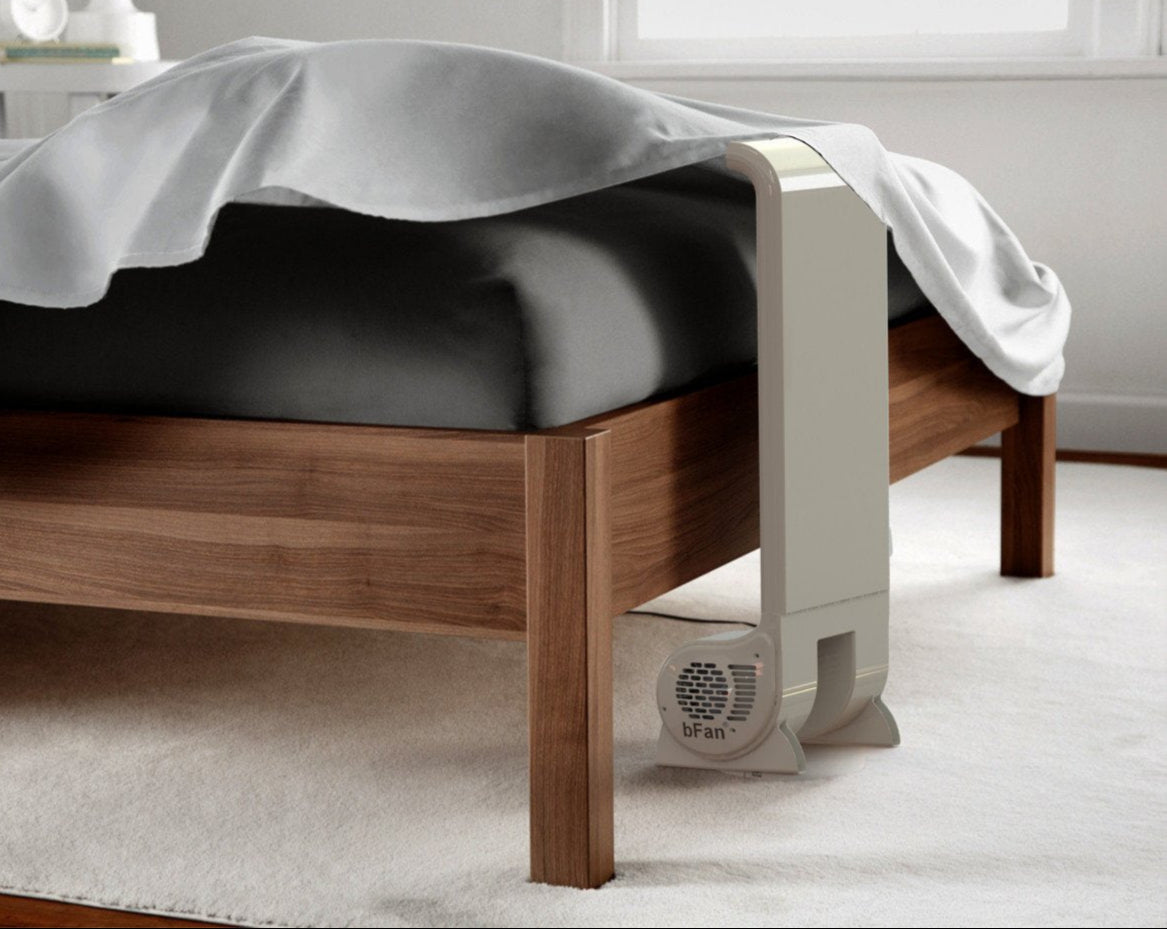
If you haven’t given a bed fan a try, you might be missing out. This clever device sits at the foot of your bed and gently blows cool room air under your sheets, creating a microclimate that supports your body’s thermal balance by enhancing heat loss through evaporation and natural thermoregulation. It’s super quiet, running between 28db and 32db at normal operating speed, and uses only 18 watts on average, so it won’t spike your electric bill.
- Energy Efficient: The bed fan sips power and helps you sleep cool without the need for extra energy.
- Dual-Zone Control: You can set up two fans for personalized comfort on each side of the bed, perfect if you and your partner have different temperature needs.
- Affordable: The bFan is much more affordable compared to the Bedjet. Remember, the Bedjet is twice the price of a bed fan, and the dual-zone Bedjet is over $1000, which is over $600 more than the price of a dual bed fan.
- Timer Controls: The bed fan offers timer controls so you can set it up exactly as needed to help you fall asleep and then shut off automatically.
- Proven Design: The original bed fan came to market several years before Bedjet was even thought of, making it a trusted solution.
How the Bedfan Stacks Up Against Other Cooling Solutions
There are plenty of gadgets promising cooler sleep, but not all of them deliver the same value or support your thermoregulation as well.
- Price: The Bedjet is about twice the price of a bed fan like the bFan from www.bedfans-usa, and if you opt for a dual-zone Bedjet setup, you’re looking at spending over $1000, a reminder that this is over $600 more than the price of a dual bed fan.
- Cooling Method: Neither the bed fan nor the Bedjet cool the air; they only use the cool air in your room to help your bed remain cool, enhancing natural heat loss and evaporation. The Bedjet doesn’t cool the air.
- Energy Use: The bed fan uses only 18 watts on average, while the Bedjet consumes more energy.
- Simplicity: The bed fan is straightforward to set up and use, with timer controls and no complicated remotes or apps, keeping your thermal balance intact with minimal fuss.
Other options include:
- Cooling Mattress Pads: Some use water or air to regulate temperature, but they can be pricey and require maintenance.
- Portable AC Units: These are effective and can cool the room, but they tend to be noisy and expensive to run all night, and if mishandled, might even risk focusing cold air too intensely.
- Open Windows: Great if the weather cooperates for natural heat loss and evaporation, but not so much during allergy season or intense heatwaves that could lead to hyperthermia.
Creating the Right Sleep Environment
Your bedroom isn’t just a place to crash, it’s your sleep sanctuary where achieving proper thermal balance, homeostasis, and thermoregulation can help fend off fever, hyperthermia, or hypothermia. A well-prepared sleep environment makes all the difference.
- Keep It Dark: Light can interfere with your circadian rhythm and your hypothalamus function, so investing in blackout curtains is a great idea.
- Reduce Clutter: A neat room feels cooler and more relaxing, which helps maintain that steady heat loss.
- Limit Electronics: TVs, computers, and even some chargers give off heat, so try to keep them out of the bedroom when possible.
Daily Habits That Affect Body Temperature
It isn’t just about your bedtime routine, your daily habits also play a big part in how your body manages thermoregulation and overall thermal balance.
- Exercise: Working out raises your core temperature, so try finishing intense exercise a few hours before bed to prevent residual heat.
- Alcohol and Caffeine: Both can interfere with your hypothalamus’ signals for thermoregulation, making it harder for your body to shed unwanted heat.
- Spicy Foods: They’re delicious, but can make you sweat and feel warmer at night, disrupting your homeostasis.
Special Considerations: Menopause, Illness, and More
Some folks face extra challenges when it comes to temperature regulation.
- Menopause: Hot flashes and night sweats are common during menopause, throwing your thermal balance off. Cooling solutions like a bed fan (bfan) can be a lifesaver in preventing fever and supporting natural thermoregulation.
- Fever or Illness: When you’re sick, your body temperature can spike, making it even more crucial to create an environment that helps with heat loss.
- Medications: Some medications can interfere with your hypothalamus’ ability to regulate body temperature, so talk to your doctor if you suspect your medications might be affecting your sleep.
The Benefits of Mastering Body Temperature Regulation
When you get this right, the payoff is huge.
- Deeper Sleep: You’ll spend more time in the restorative stages of sleep and wake up feeling truly refreshed because your body is maintaining homeostasis and efficient thermal balance.
- Better Health: Improved immune function, better heart health, and even weight management are linked to proper thermoregulation and consistent heat loss.
- More Energy: Say goodbye to groggy mornings, especially when your body isn’t fighting the effects of lingering heat or fever.
- Improved Mood: You’ll be less irritable and more focused, thanks to a night free of overheating or chills.
Real-Life Success Stories
I’ve talked to plenty of folks who struggled with sleep for years only to find relief by dialing in their body temperature. One couple used to battle over the thermostat every night. After adding a bed fan like the bFan to their setup, they now sleep comfortably with efficient thermoregulation and consistent homeostasis, and there are no more midnight battles over the covers. Another friend going through menopause swears the bed fan is the only thing that keeps her cool enough to sleep through the night, preventing uncomfortable episodes of overheating and fever.
Frequently Asked Questions
What is the ideal temperature for sleep?
Most sleep experts recommend keeping your bedroom between 60°F and 67°F for optimal sleep. This range supports your body’s natural cooling process, helps maintain thermal balance, and encourages healthy thermoregulation so you can fall asleep faster and stay asleep longer. If you’re used to a warmer room, try lowering the temperature gradually and see how your sleep improves.
How does body temperature affect sleep quality?
Your body’s core temperature naturally drops before and during sleep, which is a signal from your hypothalamus that it’s time to rest. If your environment is too warm or your bedding traps heat, your body struggles to lose heat through evaporation, leading to restless nights and frequent awakenings. Keeping your sleep environment cool helps you reach deeper, more restorative sleep stages.
Why do I get so hot at night even when the room is cool?
There are several factors that might make you feel hot at night, including hormonal changes, stress, certain medications, or bedding that traps heat. Even if your room is cool, heavy blankets or memory foam mattresses can prevent effective heat loss, leaving you prone to overheating. Using breathable sheets and a bed fan like the bFan can help move heat away from your body while boosting evaporation and thermoregulation.
What is a bFan and how does it work?
A bFan, bed fan, or bedfan is a device that sits at the foot of your bed and gently blows cool room air under your sheets. This creates a little microclimate that supports your body’s thermal balance by enhancing heat loss through evaporation and natural thermoregulation. The bFan is energy efficient, uses only 18 watts on average, and operates quietly between 28db and 32db.
Can a bFan help with night sweats or menopause symptoms?
Absolutely, many people experiencing night sweats, hot flashes, or even fever-like symptoms from menopause find real relief with a bed fan. By moving cool air directly under your bedding, it helps dissipate heat quickly, prevents overheating, and supports natural thermoregulation so you can enjoy undisturbed sleep.
How does the bFan compare to the Bedjet?
Both the bFan and Bedjet circulate cool room air under your sheets, but there are some key differences. The Bedjet is about twice the price of a bed fan like the bFan from www.bedfans-usa, and if you opt for a dual-zone Bedjet setup, you’re looking at spending over $1000, which is over $600 more than the price of a dual bed fan. Neither device cools the air with refrigerants; they only use the cool air already in your room to aid heat loss. The bFan does it quietly, uses only 18 watts on average, and offers simple timer controls for customized sleep.
Will a bFan work with any type of bed or bedding?
Yes, the bFan is designed to fit most beds and works best with sheets that have a tight weave, which promotes efficient airflow, moving heat away from your body and supporting proper thermoregulation. Whether you have a standard bed, a platform bed, or an adjustable base, the bFan can usually be set up without any hassle.
Is it safe to sleep with a fan on all night?
Sleeping with a fan like the bFan is generally safe and can, in fact, improve your sleep quality by helping maintain homeostasis and a steady thermal balance. The bFan is designed for quiet, energy-efficient operation and includes timer controls so you can set it to run just long enough. Just make sure your fan is clean and positioned properly for the best results.
Can using a bFan help save on energy costs?
Yes, using a bFan can help you save on energy bills because it allows you to raise your room temperature by about 5°F while still ensuring you sleep cool, so you can run your air conditioner less often. The bFan uses only 18 watts on average, making it a cost-effective way to maintain comfort and proper thermoregulation all night.
What should I do if my partner prefers a different sleep temperature?
The bFan offers dual-zone microclimate control using two fans so you can set personalized comfort on each side of the bed, which is perfect for couples with different temperature preferences, allowing everyone to maintain their thermal balance and homeostasis without compromise.
Final Thoughts: Take Control of Your Sleep
At the end of the day, mastering body temperature regulation isn’t about fancy gadgets or expensive upgrades, it’s about understanding how your body works, making a few smart choices, and creating a sleep environment that supports deep, restorative sleep by maintaining homeostasis, thermal balance, and efficient thermoregulation. Whether you’re a hot sleeper, sharing a bed with someone who runs cooler, or just looking to get the best sleep of your life, focusing on temperature is a game-changer.
If you’re ready to take your sleep to the next level, check out the bFan from www.bedfans-usa. It’s simple, effective, and affordable, and it might just be the missing piece in your sleep puzzle. Remember, sleep experts recommend a bedroom temperature between 60°F and 67°F, and with a bed fan, many people can raise their room temperature by about 5°F and still sleep cool, comfortable, and well-rested.
Here's to cooler nights, better sleep, and waking up ready to take on the world. Sweet dreams!
Resources
- Sleep Foundation: This article explains the science behind why your body heats up at night and offers practical tips for staying cool, check it out at Sleep Foundation: Why Do I Get So Hot When I Sleep?
- Cleveland Clinic: A trusted medical source breaking down the best temperature range for sleep and explaining why it matters for your health, visit Cleveland Clinic: What Is the Ideal Sleeping Temperature for My Bedroom?
- WebMD: Learn about the changes your body goes through during sleep, including temperature regulation and sleep cycles at WebMD: What Happens to Your Body When You Sleep?
- Therapedic: Find actionable strategies for creating a temperature-neutral bedroom and improving your sleep environment at Therapedic: Strategies to Regulate Body Temperature for Sleep
- NIH: A detailed scientific review on how your body manages temperature during different sleep stages is available at NIH: Sleep and Thermoregulation
- GoodRx: This article discusses the pros and cons of using a fan while you sleep and addresses common concerns at GoodRx: Can Sleeping With a Fan Make You Sick?
- Banner Peak Health: A practical guide with science-backed tips for managing your body temperature at night can be found at Banner Peak Health: How to Regulate Body Temperature While Sleeping
- Sleepopolis: Learn more about how your body’s temperature changes throughout the night and how to optimize your sleep environment at Sleepopolis: Thermoregulation During Sleep
Share