
Night Sweats After Hysterectomy: Helpful Insights
Night sweats are a common and often distressing symptom experienced by many women after undergoing a hysterectomy. While the procedure itself can bring relief from various gynecological issues, it can also trigger a cascade of hormonal changes, including shifts in hormones, that lead to uncomfortable nights drenched in sweat. Understanding why night sweats occur post-hysterectomy, how to manage them, and what solutions are available, including innovative products like the Bedfan ,can empower women to reclaim restful sleep and improve their quality of life.
Understanding Hysterectomy and Its Impact
A hysterectomy is a surgical procedure that involves the removal of the uterus. In some cases, the ovaries and fallopian tubes may also be removed, a procedure known as a total hysterectomy with bilateral salpingo-oophorectomy. The reasons for undergoing a hysterectomy vary and can include uterine fibroids, endometriosis, chronic pelvic pain, abnormal bleeding, or cancer.
The removal of the uterus alone through a hysterectomy does not necessarily induce menopause unless the ovaries are also removed. However, even when the ovaries are left intact, some women experience a decline in ovarian function post-surgery, leading to symptoms similar to those of menopause.
Why Do Night Sweats Occur After Hysterectomy?
Night sweats are episodes of excessive sweating during sleep, often severe enough to soak through sleepwear and bedding. They are closely linked to fluctuations in hormone levels, particularly estrogen. After a hysterectomy, especially when the ovaries are removed, the body undergoes a sudden drop in estrogen, which can disrupt the body’s ability to regulate temperature.
Hormonal Fluctuations
Estrogen plays a crucial role in maintaining the body’s temperature control system. When estrogen levels fall, the hypothalamus, the part of the brain that regulates body temperature can become more sensitive to slight changes. This heightened sensitivity, together with shifts in hormones, can trigger the body to react as if it is overheating, resulting in sweating as a cooling mechanism. Moreover, many women experience hot flushes, a term often used interchangeably with hot flashes, which are a common manifestation of these hormonal changes.
Surgical Menopause
Women who have both ovaries removed during a hysterectomy experience what is known as surgical menopause, often accompanied by severe hot flashes. Unlike natural menopause, which occurs gradually, surgical menopause happens abruptly. This sudden change can lead to more intense and frequent symptoms, including night sweats, hot flushes, and other vasomotor symptoms. The rapid onset of these changes, sometimes highlighted in a longitudinal study tracking menopausal symptoms, explains the persistence and severity of night sweats after hysterectomy.
Stress and Recovery
The physical and emotional stress of surgery and recovery, along with the importance of post-hysterectomy care, can also contribute to night sweats. Anxiety, pain, and changes in daily routines can all impact sleep quality and exacerbate sweating episodes. In many cases, the anticipation or experience of hot flushes may be heightened by stress, creating a feedback loop that further disrupts sleep.
The Experience of Night Sweats: More Than Just Sweat
Night sweats after hysterectomy are not merely a physical inconvenience. They can have a profound impact on overall well-being. Women often report:
- Disrupted Sleep: Frequent awakenings due to sweating can lead to insomnia and chronic fatigue.
- Emotional Distress: The frustration of sleepless nights accompanied by unexpected hot flushes can contribute to anxiety, irritability, and even depression.
- Relationship Strain: Sharing a bed with a partner can become challenging, as night sweats may disturb both individuals’ sleep.
- Physical Discomfort: Damp sheets and clothing can cause skin irritation and increase the risk of infections.
Managing Night Sweats After Hysterectomy
While night sweats can be challenging, there are several strategies and solutions that can help manage and reduce their frequency and severity.
1. Hormone Replacement Therapy (HRT)
Hormone replacement therapy is often considered for women who experience severe menopausal symptoms after hysterectomy, especially if the ovaries have been removed. HRT involves supplementing the body with estrogen (and sometimes progesterone) to alleviate symptoms like night sweats and hot flushes.
Benefits:
- Reduces frequency and intensity of night sweats and hot flushes
- Improves sleep quality
- Alleviates other menopausal and vasomotor symptoms
Considerations:
- Not suitable for everyone, especially those with a history of certain cancers or blood clots
- Should be discussed thoroughly with a healthcare provider
2. Non-Hormonal Medications
For women who cannot or prefer not to use HRT, several non-hormonal medications may help manage night sweats. These include certain antidepressants, anti-seizure medications, and blood pressure drugs that have been shown to reduce hot flushes and night sweats.
3. Lifestyle Modifications
Simple changes in daily habits, such as reducing or quitting smoking, can make a significant difference in managing night sweats:
- Keep the Bedroom Cool: Lowering the thermostat or using a fan can help maintain a comfortable sleeping environment.
- Wear Breathable Fabrics: Lightweight, moisture-wicking pajamas and bedding can reduce discomfort.
- Avoid Triggers: Spicy foods, caffeine, and alcohol can exacerbate night sweats and hot flashes. Identifying and avoiding personal triggers, which sometimes include episodes of hot flushes, can help.
- Practice Relaxation Techniques: Stress reduction through meditation, deep breathing, or gentle yoga before bed can improve sleep quality.
4. Innovative Cooling Solutions: The Bedfan
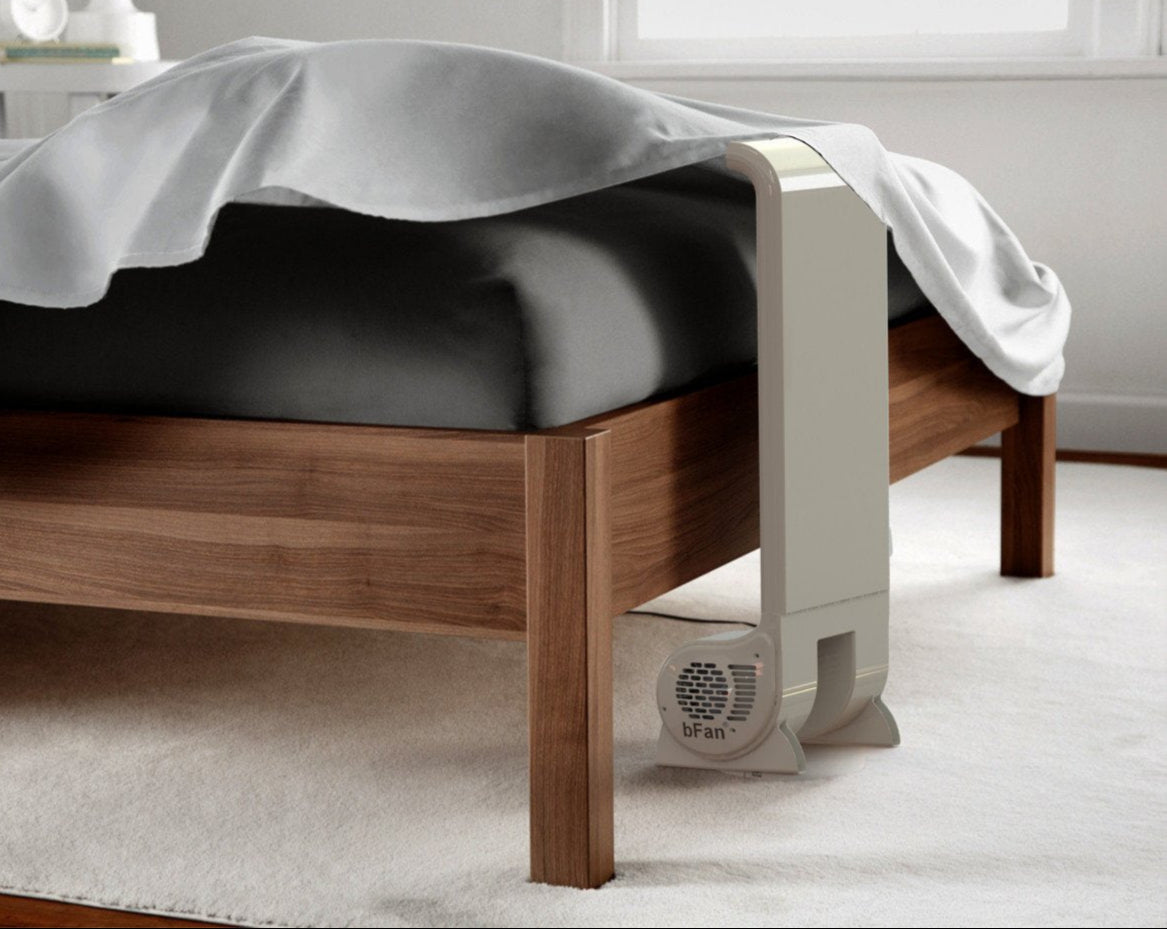
One of the most effective ways to combat night sweats is to address the immediate environment. The Bedfan, available at Bedfan.com, is a unique product designed specifically to provide targeted cooling under the sheets. Unlike traditional fans that circulate air in the room, the Bedfan directs a gentle stream of air between the sheets, helping to wick away moisture and maintain a comfortable sleeping temperature.
How the Bedfan Works:
- The Bedfan is positioned at the foot of the bed and delivers a steady flow of air directly under the covers.
- It is adjustable, allowing users to control the airflow to their preference.
- The device operates quietly, ensuring that it does not disturb sleep.
Benefits for Night Sweats:
- Provides immediate relief from overheating and sweating, even during episodes of hot flushes
- Helps keep bedding dry and comfortable
- Can be used in conjunction with other cooling strategies
Many women who have struggled with night sweats after hysterectomy have found the Bedfan to be a game-changer, allowing them to sleep through the night without frequent awakenings due to discomfort.
5. The Role of the bFan in Sleep Quality
The bFan, another name for the Bedfan, has received positive reviews for its effectiveness in managing night sweats. By focusing on the microclimate between the sleeper and the bedding, the bFan addresses the root cause of discomfort rather than simply cooling the air in the room. This targeted approach can be especially beneficial for women experiencing intense night sweats and recurrent hot flushes after hysterectomy, as it provides relief exactly where it is needed most.
When to Seek Medical Advice
While night sweats are a common symptom after hysterectomy, it is important to consult a healthcare provider if:
- Night sweats are severe or persistent, especially after a hysterectomy
- They are accompanied by other symptoms such as fever, weight loss, or unexplained pain
- There is a history of cancer or other serious medical conditions
A thorough evaluation can help rule out other potential causes of night sweats, such as infections, thyroid disorders, or medication side effects.
Long-Term Outlook
For most women, night sweats gradually diminish as the body adjusts to new hormone levels after hysterectomy. However, the duration and intensity of symptoms can vary widely. Some women may experience relief within a few months, while others may continue to have symptoms for years, a trend sometimes documented in a longitudinal study. Adopting a proactive approach, combining medical treatments, lifestyle changes, post-hysterectomy care, and innovative solutions like the Bedfan, can significantly improve comfort and quality of life during this transition.
Additional Tips for Managing Night Sweats
Stay Hydrated
Sweating can lead to dehydration, which can worsen fatigue and other symptoms. Drinking plenty of water throughout the day can help maintain hydration and support overall health.
Maintain a Healthy Weight
Excess body weight can increase the likelihood and severity of night sweats. Engaging in regular physical activity and eating a balanced diet can help manage weight and reduce symptoms.
Create a Sleep-Friendly Environment
- Use blackout curtains to keep the room dark and cool, as environmental factors including smoking can impact sleep quality and exacerbate night sweats.
- Invest in a high-quality mattress and pillows that promote airflow.
- Consider using cooling mattress pads or moisture-wicking sheets in addition to the Bedfan.
Track Symptoms
Keeping a symptom diary can help identify patterns and triggers for night sweats and hot flushes. This information can be valuable when discussing treatment options with a healthcare provider.
Emotional Support and Coping Strategies
The emotional impact of night sweats after hysterectomy should not be underestimated. Support from family, friends, or support groups can make a significant difference. Many women find comfort in connecting with others who have experienced similar challenges, whether through in-person groups or online forums.
Mind-Body Techniques
Practices such as mindfulness meditation, progressive muscle relaxation, and guided imagery can help reduce stress and improve sleep quality. These techniques can be particularly helpful for women who experience anxiety or mood changes related to night sweats, hot flashes, and accompanying hot flushes.
Counseling and Therapy
If night sweats are contributing to significant emotional distress or impacting relationships, counseling or therapy may be beneficial. A mental health professional can provide coping strategies and support during this transitional period.
The Importance of Self-Care
Prioritizing self-care is essential for women recovering from hysterectomy and managing night sweats. This includes:
- Allowing time for rest and recovery after surgery
- Engaging in activities that bring joy and relaxation
- Setting realistic expectations for the healing process
Self-compassion and patience are key as the body adjusts to hormonal changes and new routines.
Frequently Asked Questions About Night Sweats After Hysterectomy
How long do night sweats last after hysterectomy?
The duration of night sweats varies. Some women experience symptoms for a few months, while others may have them for several years. Factors such as age, whether the ovaries were removed, and individual hormonal responses, all of which can include episodes of hot flushes play a role.
Are night sweats after hysterectomy normal?
Yes, night sweats are a common symptom after hysterectomy, especially if the ovaries are removed. They are a result of hormonal changes and are similar to symptoms experienced during natural menopause, including vasomotor symptoms such as hot flushes.
Can night sweats be prevented after hysterectomy?
While it may not be possible to prevent night sweats entirely, their severity and frequency can often be managed with a combination of medical treatments, lifestyle changes, and environmental adjustments such as using a Bedfan.
Is it safe to use hormone replacement therapy after hysterectomy?
HRT can be safe and effective for many women, but it is not suitable for everyone. A healthcare provider can help determine if HRT is appropriate based on individual health history and risk factors.
What makes the Bedfan different from a regular fan?
The Bedfan is designed to deliver a focused stream of air directly under the sheets, targeting the area where heat and moisture build up. This makes it more effective for managing night sweats and hot flushes compared to traditional fans that only circulate air in the room.
Conclusion
Night sweats after hysterectomy can be a challenging and disruptive symptom, but they are manageable with the right combination of strategies. Understanding the underlying causes ranging from hormonal fluctuations and abrupt changes in hormones to vasomotor symptoms like hot flushes, exploring medical and non-medical treatments, and utilizing innovative solutions like the Bedfan can help women regain restful sleep and improve their overall well-being. By taking a proactive approach and seeking support when needed, women can navigate this transition with confidence and comfort.
image
image
External Resources
- North American Menopause Society: Managing Menopausal Symptoms This resource provides comprehensive information on managing menopausal symptoms, including night sweats and hot flushes, with both medical and lifestyle approaches.
- Mayo Clinic: Hysterectomy - What to Expect An authoritative overview of hysterectomy, including reasons for the procedure, recovery, and potential side effects.
- National Institutes of Health: Menopausal Symptoms After Surgery A summary of research on menopausal symptoms following surgical procedures like hysterectomy.
- Sleep Foundation: Night Sweats Causes and Treatments Detailed explanations of the causes of night sweats and evidence-based recommendations for treatment and management.
- Bedfan Official Website The official site for the Bedfan, offering product details, user testimonials, and purchasing options for those seeking relief from night sweats and hot flushes.
Share
Leave a comment
Please note, comments need to be approved before they are published.
Start sleeping cooler tonight
The bFan Bedfan
If you are a hot sleeper you diserve the best fan at the best price. Order your Original bFan Bedfan today
Share