Why Couples Sleep at Different Temperatures (and What to Do About It)
Sharing a bed does not mean sharing the same internal thermostat. One partner may pull the comforter up to the chin while the other pushes covers away at 2 a.m., flips the pillow to the cool side, and wonders why the room suddenly feels stuffy. That variation in personal sleep patterns is common, and it is not a sign that either person is "too picky." People really do sleep at different temperatures, and the reasons are grounded in biology, habits, and the bedroom setup itself. The good news is that couples do not have to choose between cuddling and comfort while maintaining great sleep quality.
Why one person runs hot while the other runs cold
Sleep depends on temperature regulation. As bedtime approaches, the body usually lowers its core temperature to help trigger sleep. When that cooling pattern gets interrupted, sleep can feel lighter, more restless, and less refreshing. Even slight temperature differences in sleeping conditions may lead to significant disruptions in sleep quality and overall sleep patterns.
People do not cool down in exactly the same way. Factors that affect comfort at night include:
- Age: Different life stages bring different sleep needs.
- Hormones: Shifts can impact your temperature, as seen with menopause and night sweats.
- Metabolism: A faster metabolism may create more heat.
- Body composition: More muscle means more heat production, whereas less insulation can make you feel cold faster.
- Medications: Some can alter your natural temperature balance.
- Health conditions: Thyroid issues or other conditions can change how warm or cold you feel.
A partner who feels perfect at 67°F may share a bed with someone who feels chilly at anything below 72°F, underscoring the importance of temperature differences in the bedroom that affect sleeping.
Women often report stronger sensitivity to temperature changes, and hormonal shifts can make that sensitivity even more noticeable. For example:
- Menopause: Can cause hot flashes and night sweats, turning a comfortable room into an uncomfortable one quickly.
- Thyroid issues: Can make a person feel too warm or too cold.
- Internal variations: Ultimately affect sleep quality if not properly managed.
Body size and muscle mass also matter:
- More muscle: Can produce more body heat.
- Less insulation: May feel cold faster.
- Other factors: Stress, late-night workouts, alcohol, heavy blankets, or heat-trapping mattresses can widen the gap between partners, leading to noticeable variation in sleep patterns and temperature comfort.
The bedroom can make the mismatch worse
The thermostat is only part of the story. Other factors that can change the feel of the night include:
- Bedding material: Different fabrics can trap or release heat.
- Airflow: Insufficient airflow or vents blowing unevenly can create different sleep zones.
- Mattress materials: Heat-holding mattresses may contribute to discomfort.
- Sleepwear: Synthetic pajamas can leave a sleeper damp and overheated.
- Bed position: Which side of the bed a person takes can affect the microclimate.
Additional details include how memory foam can hold heat, thick duvets trap warmth, synthetic pajamas can leave a sleeper damp or overheated, and a vent blowing toward one side of the bed can create two very different sleep zones while clutter near the bed can block airflow and keep warm air trapped under the covers.
Temperature disagreements can drag on for months because one person is trying to cool the room while the other is trying to warm the bed, and both are solving different problems, which leads to altered sleep patterns over time.
Common reasons couples prefer different sleep temperatures
Internal factors (from the body):
- Age and hormones: Can influence your sleep temperature.
- Metabolism and body composition: Affect how you generate or lose heat.
- Health conditions and medications: Can tip the balance either way.
- Menopause, night sweats, thyroid changes, and stress: May cause one partner to overheat.
What couples often notice:
- One partner feels hot no matter what the thermostat says.
- Sudden waking, sweating, chills, and tossing covers off.
Bedroom factors (from the setup):
- Room temperature: Affects overall comfort.
- Vent placement and ceiling fans: Play a role in airflow.
- Humidity: Can amplify temperature differences.
- Mattress materials, sheets, duvets, pajamas, and pillows: All contribute to how the bed feels.
What couples often notice:
- One side of the bed feels cooler than the other.
- The bed may feel stuffy even when the room seems cool.
Shared habits include:
- Late meals: Which can affect your body heat.
- Alcohol consumption: May disrupt natural cooling.
- Bedtime routines: That are out of sync.
- Blanket sharing: Can start a nightly tug-of-war.
What couples often notice:
- Repeated cover pulling and micro-wakeups that disturb sleep patterns.
Compromise by thermostat alone often falls short because if the room is cooled enough for the hot sleeper, the cold sleeper may be miserable, and if the room is warmed enough for the cold sleeper, the hot sleeper may keep waking up. The right balance of temperature control is key for both sleeping comfortably and maintaining overall sleep quality.
Why temperature fights turn into sleep problems
Poor sleep from temperature issues is usually not dramatic; it is repetitive. One foot comes out from under the blanket, a duvet gets yanked, a sleeper wakes just enough to turn over, adjust clothing, or flip the pillow. Even minor temperature shifts during sleeping hours can add up to a noticeable decline in sleep quality and altered sleep patterns.
Many couples live with this pattern for years because it feels normal. They blame stress, age, or a busy schedule, when the real issue is simple comfort. Better temperature control can mean fewer wakeups, less frustration, and a calmer bedtime routine.
Fixes couples can try right away
The easiest changes are low-cost and low-commitment. They do not require a new mattress or a full bedroom makeover; they just reduce the number of things trapping heat or creating conflict, starting with choosing the right bedding material.
A shared bed works better when each person gets more control over their own side. That can mean:
- Separate bedding: Use separate duvets so each partner can adjust to their liking.
- Lighter sheets: Opt for breathable fabrics.
- Breathable sleepwear: Keeps you cool and comfortable.
- Cooler room, warmer layers: Set the room slightly cooler and let the colder partner add warmth with socks, layered pajamas, or a heavier blanket.
- Switching sides: Experiment with different positions on the bed.
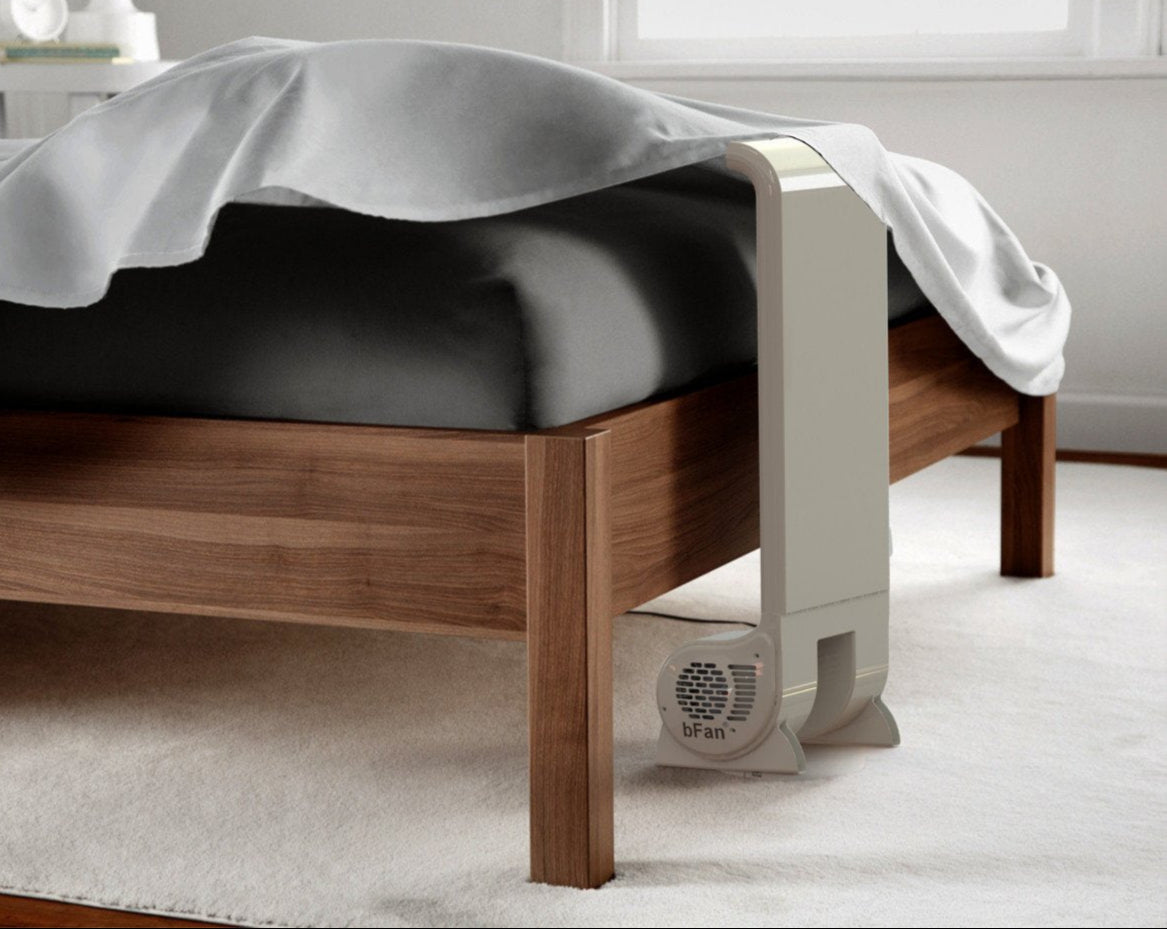
Another practical move is to target the hot sleeper's issues directly. In this regard, using a bFan from www.bedfans-usa can be a smart solution, as it offers dual-zone microclimate control with two fans at a fraction of the price of a Bedjet, which is twice the price of a bedfan. The bedfan uses only 18 watts on average, and its sound level is between 28db and 32db at normal operating speed. It is designed to create a cooling microclimate under your sheets without cooling the entire room, meaning that sleep experts recommend a bedroom temperature of 60°F to 67°F, and with a bedfan you can often raise the room temperature by about 5°F and still sleep cool.
When a fan helps, and when a bed cooling system makes more sense
A floor fan or ceiling fan can help, but general airflow is not always enough. It may cool the whole room while still leaving heat trapped under the covers, and targeted airflow becomes much more useful. Under-sheet cooling works differently because it pushes air directly into the bed microclimate where heat and moisture build up around the sleeper, cooling where cooling is actually needed and creating two comfort zones in one bed. The hot sleeper gets relief without forcing the cold sleeper to shiver through the night.
Bedfans-USA focuses on exactly that problem. Its bFan Bedfan sits at the foot of the bed and sends air between the sheets, creating cooling under the covers rather than blasting air around the room. It provides a smart alternative to thermostat battles for couples who experience regular temperature differences and shifting sleep patterns.
Product advantages include:
- Targeted airflow: Cools the space under the sheet where heat gets trapped, ensuring that the temperature stays optimal for sleeping.
- Quiet performance: Uses a brushless DC motor for very low noise.
- Wide control range: Digitally adjustable from 5% to 100% with a remote.
- Energy savings: Uses about 12 watts, which can help support a higher thermostat setting.
- Flexible fit: Available in sizes that work with bed heights from 18 to 38 inches.
This mix is especially appealing for people who sleep hot, those who deal with night sweats, and couples who prefer different sleeping conditions.
What this looks like in a real couple setup
A good shared-bed setup does not aim for one "perfect" room temperature; it creates local control. One partner might keep a medium-weight blanket and no added airflow, while the other might use a lighter top layer with a bFan under the sheet. Both sleepers remain in the same bed, keep their preferred bedding feel, and stop disturbing each other every time the room shifts a degree or two. The right choice of bedding material, paired with a bed fan for targeted cooling, can change your whole sleeping experience.
This approach is especially helpful when one person has night sweats. Whole-room cooling may still leave the bed feeling damp and stuffy, but directed airflow under the sheet can move that heat away faster, helping the sleeper settle back down for a comfortable night.
Bedding choices still matter
Technology helps, but materials still count. Even the best bed cooling setup has to work with breathable fabrics and sensible layering. If a hot sleeper is under a dense comforter, on a heat-holding mattress, or wearing heavy sleepwear, relief may be limited.
Better bedding choices include:
- Breathable fabrics: Cotton, linen, bamboo, or other materials that let heat pass.
- Lighter layers: Easy to remove if you get too warm.
- Flexible sleepwear: Consider thicker sleepwear or an extra blanket for the colder partner.
This is where couples often find the biggest win: one side cools with airflow, and the other side warms with layers. No one has to give up comfort, and both partners can enjoy the benefits of a comfortable sleep.
When symptoms point to more than preference
Sometimes a temperature issue is not just a preference issue. Symptoms to watch for include:
- Night sweats: Persistent sweating at night may signal more than just a warm room.
- Hot flashes: Sudden episodes of intense heat can disrupt sleep.
- Sudden chills: Unexplained swings in temperature.
- Dramatic discomfort: Overall changes in sleep comfort.
These may be tied to menopause, medications, thyroid changes, illness, or stress. If these patterns are frequent, it makes sense to bring them up with a healthcare professional. Monitoring sleep patterns can also help in understanding whether the temperature differences are affecting overall sleep quality.
Comfort tools remain useful, but a smart sleep setup can work alongside medical care. For shoppers managing menopause symptoms or other health-related overheating, Bedfans-USA also offers a practical payment advantage. Eligible customers may use HSA or FSA funds through Flex, making a targeted cooling system easier to add without straining the household budget.
A simple plan for couples who are tired of the nightly tug of war
The best next step is to stop treating the problem like a shared thermostat problem only. It is usually a personal comfort problem happening inside a shared bed. A couple can start with three moves:
- Cooler room: Set the room on the cooler side.
- Separate bedding: Separate the bedding layers to allow individual adjustments.
- Localized cooling: Add targeted cooling for the hot sleeper, like using a bed fan.
That formula gives each person more control over their own sleeping space without pushing them into separate bedrooms. For many couples, it is the first change that feels fair to both sides while reducing temperature differences and supporting consistent sleep patterns.
Bedfans-USA’s under-sheet systems fit neatly into that plan. The bFan Bedfan is portable, discreet, and easy to install. It is designed to cool the sleeper without forcing the whole house into refrigerator mode. For couples who want to sleep together and still enjoy comfortable sleeping, that kind of focused cooling can change the entire feel of bedtime, improving sleep quality throughout the night.
Once the blanket tugging, thermostat adjusting, and midnight overheating start to fade, the bed feels like a shared space again instead of a nightly negotiation, letting both partners appreciate the natural variation in sleeping preferences while maintaining optimal temperature conditions.
Frequently Asked Questions
What is the ideal bedroom temperature for couples?
Most sleep experts recommend a bedroom temperature between 60°F and 67°F for optimal sleep. This range helps the body naturally cool down, which is essential for falling and staying asleep. However, individual comfort may vary, so couples should adjust within this range to find what works best for both partners.
Why do partners often feel comfortable at different temperatures?
Temperature comfort is influenced by factors such as age, hormones, metabolism, body composition, and health conditions. For example, women may experience hot flashes or night sweats during menopause, while others may have thyroid issues or differences in muscle mass that affect heat retention. These biological differences make it common for couples to have varying sleep temperature needs.
Can sleeping at the wrong temperature affect my health?
Yes, sleeping in an environment that is too hot or too cold can disrupt sleep quality, leading to frequent awakenings, lighter sleep, and reduced restorative rest. Over time, poor sleep can contribute to irritability, weakened immunity, and even chronic health issues such as hypertension or metabolic disorders.
What are some simple solutions for couples with different sleep temperature preferences?
Couples can try using separate duvets or blankets, lighter sheets, and breathable sleepwear. Setting the room slightly cooler and allowing the colder partner to add layers is often effective. Products like dual-zone mattress pads or under-sheet cooling systems can also provide individualized comfort without compromising sleep quality.
Are there medical reasons for extreme temperature sensitivity at night?
Yes, medical conditions such as menopause, thyroid disorders, infections, or medication side effects can cause night sweats, chills, or temperature swings. If these symptoms are frequent or severe, it is important to consult a healthcare professional to rule out underlying health issues.
Is it normal for couples to have different sleep habits and schedules?
Absolutely. Mismatched sleep patterns and temperature preferences are common among couples and can lead to minor annoyances or more significant relationship challenges. Open communication and practical adjustments can help both partners achieve better rest without sacrificing comfort.
Can technology help couples sleep better together?
Yes, advances in sleep technology offer solutions such as dual-zone mattress pads, under-sheet cooling systems, and smart thermostats. These products allow each partner to control their side of the bed's temperature, minimizing disruptions and improving overall sleep quality.
When should couples consider sleeping separately due to temperature differences?
If temperature disagreements consistently disrupt sleep and affect daytime functioning or relationship satisfaction, sleeping separately may be a healthy option. There is no stigma in prioritizing quality rest, and many couples find that separate sleeping arrangements improve both their health and their relationship.
How do bedding materials impact sleep temperature?
Bedding made from breathable fabrics like cotton, linen, or bamboo helps regulate body temperature by allowing heat and moisture to escape. Heavy or synthetic materials can trap heat, making one or both partners uncomfortable. Choosing the right bedding is a simple way to enhance sleep comfort for both individuals.
What should I do if my partner's temperature needs change suddenly?
Sudden changes in temperature preference may signal a new health issue, such as hormonal changes, illness, or medication side effects. Encourage your partner to speak with a healthcare provider if these changes are persistent or accompanied by other symptoms, to ensure any underlying conditions are addressed.
Resources
- Sleep Foundation: Explains the science behind optimal bedroom temperatures and offers tips for improving sleep quality. (https://www.sleepfoundation.org/bedroom-environment/best-temperature-for-sleep)
- Mayo Clinic: Provides practical advice for creating a healthy sleep environment and managing sleep disturbances. (https://www.mayoclinic.org/healthy-lifestyle/adult-health/in-depth/sleep/art-20048379)
- National Institutes of Health: Details the health benefits of sleep and the risks associated with poor sleep quality. (https://www.nhlbi.nih.gov/health/sleep/why-sleep-important)
- Harvard Health: Discusses the impact of sleep on physical and mental health, including strategies for better rest. (https://www.health.harvard.edu/newsletter_article/the-importance-of-sleep-and-how-to-get-it)
- Cleveland Clinic: Outlines common causes of night sweats and when to seek medical advice. (https://my.clevelandclinic.org/health/symptoms/17669-night-sweats)
- Johns Hopkins Medicine: Offers information on various sleep disorders and their management. (https://www.hopkinsmedicine.org/health/conditions-and-diseases/sleep-disorders)
- Centers for Disease Control and Prevention: Provides comprehensive data and recommendations on sleep health and sleep disorders. (https://www.cdc.gov/sleep/index.html)
- American Academy of Sleep Medicine: Covers evidence-based habits for improving sleep quality and duration. (https://sleepeducation.org/healthy-sleep/healthy-sleep-habits/)
Share
Leave a comment
Please note, comments need to be approved before they are published.
Start sleeping cooler tonight
The bFan Bedfan
If you are a hot sleeper you deserve the best fan at the best price. Order your original bFan Bedfan today
Share