
Multiple Sclerosis Night Sweats: The Bedfan Solution for a Cooler Sleep
If you’re living with multiple sclerosis, you already know how unpredictable and frustrating the symptoms can be. One of the most overlooked, yet incredibly disruptive, symptoms is night sweats, which can be significantly alleviated with appropriate therapy. It’s not just about waking up damp and uncomfortable, it’s about the way those sweaty nights rob you of deep, restorative sleep. And when you’re managing MS, sleep disturbances caused by factors like night sweats mean you need every ounce of good sleep you can get.
Let’s pull up a chair, pour a cup of coffee, and talk about why night sweats happen with MS, how they mess with your sleep, and what you can do to finally get some relief. I’ll walk you through practical solutions, including why a bed fan like the bFan might just become your new best friend. We’ll keep it real, keep it practical, and make sure you walk away with tips you can actually use tonight.
Understanding Multiple Sclerosis Night Sweats
What Is Multiple Sclerosis?
Multiple sclerosis, or MS, is a chronic disease that affects your central nervous system, which includes your brain and spinal cord, and a diagnosis can be life-changing. It’s an autoimmune condition, meaning your immune system mistakenly attacks the protective covering of your nerves. This leads to a whole host of symptoms, from muscle weakness and numbness to vision problems and fatigue.
Why Do People With MS Experience Night Sweats?
Night sweats are a common complaint among people with MS, but why do they happen? Here’s the scoop:
- Nervous System Dysfunction: MS can mess with the part of your brain that controls temperature regulation. Your body might have trouble cooling itself down, especially at night when you’re bundled up in bed.
- Medications: Some of the drugs used to manage MS symptoms, like steroids or certain antidepressants, can cause sweating as a side effect.
- Hormonal Changes: MS can sometimes trigger hormonal imbalances, which can also lead to night sweats.
- Infections: People with MS are more prone to infections, which can cause fevers and, you guessed it, night sweats.
How Night Sweats Affect Sleep Quality
Let’s be honest, waking up drenched in sweat is miserable. It’s not just about being uncomfortable, it’s about the way it shatters your sleep cycle. You might find yourself tossing and turning, changing your pajamas, or even getting up to change the sheets. All of this interrupts your deep sleep, leaving you groggy, cranky, and less able to cope with MS symptoms during the day.
The Science of Sleep and Body Temperature
Why Temperature Matters for Sleep
Sleep experts agree, the temperature of your sleeping environment plays a huge role in how well you sleep. Your body naturally cools down as you drift off, and a cooler room helps signal to your brain that it’s time to rest. The sweet spot? Most experts recommend keeping your bedroom between 60°F and 67°F for optimal sleep.
How Night Sweats Disrupt This Balance
When you’re sweating through the night, your body’s natural cooling process gets thrown out of whack. Instead of a gentle drop in temperature, you get spikes and crashes, which can jolt you awake or keep you in lighter, less restorative stages of sleep.
Common Triggers for Night Sweats in MS
Let’s break down some of the most common triggers for night sweats if you have MS:
- Room Temperature: If your bedroom is too warm, you’re fighting an uphill battle. Even a few degrees can make a big difference.
- Bedding and Pajamas: Heavy blankets, flannel sheets, or synthetic fabrics can trap heat and moisture, making sweating worse.
- Diet and Alcohol: Spicy foods, caffeine, and alcohol can all raise your body temperature and trigger sweating.
- Stress and Anxiety: MS is stressful, and stress can ramp up your body’s sweat response.
Practical Tips for Managing Night Sweats
You don’t have to just put up with sweaty, sleepless nights. Here are some tried-and-true tips that can help:
1. Optimize Your Bedroom Environment
- Keep It Cool: Aim for that 60°F to 67°F range. If you can’t crank the AC, try opening a window or using a fan.
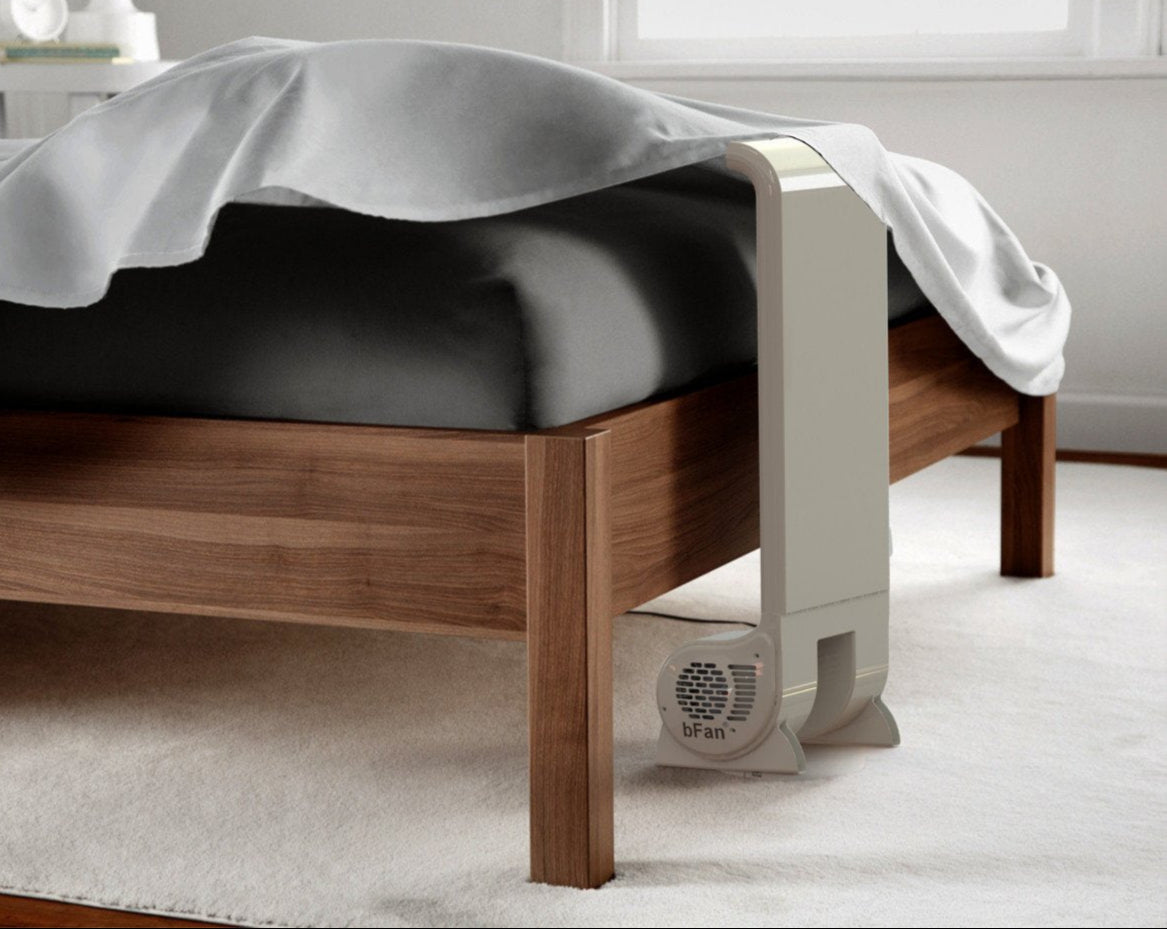
- Use a Bedfan: A bed fan like the bFan is a game-changer. It slides under your sheets and circulates cool air directly over your body, helping to carry away heat and moisture. Unlike regular fans, it targets the area where you need it most—right under the covers.
- Choose the Right Bedding: Go for sheets with a tight weave, like high-quality cotton or linen. These help air flow across your body and wick away moisture.
- Lightweight Blankets: Swap out heavy comforters for lighter options. Layering lets you adjust as needed.
2. Rethink Your Pajamas
- Breathable Fabrics: Stick to natural fibers like cotton or bamboo. Avoid synthetics, which can trap heat.
- Loose Fit: Tight clothing can make sweating worse. Go for loose, comfortable pajamas.
3. Adjust Your Evening Routine
- Cool Down Before Bed: Take a lukewarm shower, avoid hot drinks, and skip the spicy foods at dinner.
- Limit Alcohol and Caffeine: Both can raise your body temperature and disrupt sleep, contributing to sleep disturbances.
- Manage Stress: Try relaxation techniques like deep breathing, meditation, or gentle stretching before bed, as incorporating therapy can also help reduce anxiety that might contribute to night sweats.
4. Talk to Your Doctor
- Review Medications: Some meds can cause night sweats. Your doctor might be able to adjust your prescription, suggest a treatment, or offer alternatives.
- Rule Out Infections: If your night sweats are new or getting worse, check in with your healthcare provider to rule out infections or other medical issues.
The Bedfan: A Simple, Effective Solution
Let’s talk more about the bFan, because honestly, it’s one of the most practical solutions out there for night sweats, especially if you’re dealing with MS.
How the Bedfan Works
The bFan is designed to fit right at the foot of your bed, sliding under your sheets. It quietly circulates cool air directly over your body, helping to whisk away heat and moisture. Here’s why it stands out:
- Low Noise: With a sound level between 28db and 32db at normal speed, it’s whisper-quiet. You’ll barely notice it’s there.
- Energy Efficient: It uses only 18 watts on average, so you won’t see a spike in your electric bill.
- Dual-Zone Control: If you share your bed, the bFan offers dual-zone microclimate control using two fans. That means you and your partner can each set your own comfort level, and it’s a fraction of the price of a dual-zone Bedjet.
- Timer Controls: You can set it to run for a specific amount of time, helping you reach that ideal sleep temperature and then taper off as you settle in.
- Proven Track Record: The original Bedfan hit the market years before the Bedjet was even a thing, so you’re getting a tried-and-true solution.
Bedfan vs. Bedjet: What’s the Difference?
You might’ve heard of the Bedjet, another popular bed cooling system. Here’s how they stack up:
- Price: The Bedjet is about twice the price of a Bedfan. If you want dual-zone control, the price gap gets even bigger.
- Cooling Method: Neither the Bedfan nor the Bedjet actually cool the air—they just use the cool air in your room to cool your bed. But the Bedfan does it with less noise and less energy.
- Simplicity: The Bedfan is straightforward, with easy controls and no complicated setup.
Why Sleep Experts Recommend a Bedfan
Sleep experts say that keeping your bedroom cool is key for good sleep, especially if you’re prone to night sweats. With a Bedfan, you can often raise your room temperature by about 5°F and still sleep cool, because the air is moving right where you need it. That means you can save on AC costs and still wake up feeling refreshed.
Real-Life Stories: How the Bedfan Changed Sleep for People With MS
Let’s hear from folks who’ve actually used the Bedfan to tackle night sweats with MS:
- Sarah’s Story: “I used to wake up three or four times a night, drenched in sweat. Since I started using the Bedfan, I sleep through the night. It’s quiet, easy to use, and I don’t have to crank the AC anymore.”
- Mike’s Experience: “My wife and I have different temperature needs. The dual-zone Bedfan lets us each set our own comfort level. I’m finally getting deep sleep again, and my MS symptoms feel more manageable.”
Other Cooling Solutions to Consider
While the Bedfan is a standout, there are a few other options you might want to try:
- Cooling Mattress Pads: These can help regulate temperature, but they don’t move air the way a Bedfan does.
- Portable AC Units: Effective, but noisy and expensive to run all night.
- Moisture-Wicking Sheets: These can help, but they work best when paired with good airflow.
Creating a Sleep-Friendly Routine With MS
Managing night sweats is just one piece of the puzzle. Here are some other tips for building a sleep-friendly routine:
- Stick to a Schedule: Go to bed and wake up at the same time every day, even on weekends.
- Limit Screen Time: The blue light from phones and TVs can mess with your sleep hormones. Try to power down at least an hour before bed.
- Create a Relaxing Bedtime Ritual: Whether it’s reading, listening to calming music, or gentle stretching, find what helps you unwind.
- Keep Your Bedroom Dark and Quiet: Blackout curtains and white noise machines can help block out distractions.
When to Seek Medical Help
If you’ve tried all the tricks and you’re still struggling with night sweats, it’s time to talk to your doctor. Persistent night sweats can sometimes signal an underlying infection or other medical issue that needs diagnosis, treatment, and attention. Don’t tough it out alone—your healthcare team is there to help.
Frequently Asked Questions About Multiple Sclerosis Night Sweats
What causes night sweats in people with multiple sclerosis?
Night sweats in MS are often linked to the body’s difficulty regulating temperature due to nerve damage. Medications, hormonal changes, and infections can also play a role. Many people with MS find that their body’s thermostat just doesn’t work the way it used to, leading to unexpected sweating at night.
Are night sweats a common symptom of MS?
Night sweats are not considered one of the most common MS symptoms, but they do affect a significant number of people living with the condition. Some experience them regularly, while others may only notice them occasionally, especially when taking certain medications or during MS flare-ups.
Can MS medications make night sweats worse?
Yes, some MS medications, including steroids and certain disease-modifying therapies, can increase the likelihood of night sweats. If you notice a change in your sweating patterns after starting a new medication, it’s a good idea to discuss this with your healthcare provider to see if adjustments are possible.
How can I reduce night sweats if I have MS?
You can take several steps to minimize night sweats, such as keeping your bedroom cool, using breathable bedding, and wearing lightweight pajamas. Many people find relief with targeted cooling solutions like a Bedfan, which circulates cool air under the sheets and helps wick away heat and moisture.
What are the best cooling solutions for MS night sweats?
Some of the top cooling solutions include the Bedfan, cooling mattress pads, moisture-wicking sheets, and cooling vests. The Bedfan stands out because it delivers cool air right where you need it, helping you stay comfortable without having to lower your room temperature drastically.
Is it safe to use a fan or Bedfan all night?
Absolutely, using a fan or Bedfan throughout the night is safe for most people. The Bedfan is especially energy-efficient and quiet, running at just 28db to 32db, so it won’t disturb your sleep. Always make sure the device is in good working order and follow the manufacturer’s instructions for safe use.
Can night sweats be a sign of MS progression?
Night sweats alone don’t usually indicate MS progression, but if you notice new or worsening symptoms, it’s important to talk to your doctor. Sometimes, night sweats can signal an infection or another health issue that needs attention, so don’t ignore persistent changes.
What temperature should my bedroom be for the best sleep with MS?
Sleep experts recommend keeping your bedroom between 60°F and 67°F for optimal rest. With a Bedfan, many people find they can keep their room about 5°F warmer and still sleep comfortably, which can help save on energy bills while still getting quality sleep.
Are there specific sheets or bedding that help with night sweats?
Yes, sheets with a tight weave made from natural fibers like cotton or linen are best for airflow and moisture control. Avoid heavy or synthetic bedding, as these can trap heat and make sweating worse. Pairing quality sheets with a Bedfan can make a noticeable difference in comfort.
When should I talk to my doctor about night sweats?
If your night sweats are new, severe, or accompanied by other symptoms like fever, weight loss, or persistent fatigue, reach out to your healthcare provider. It’s always better to check in and rule out infections or other underlying issues, especially when living with MS.
Final Thoughts: Take Back Your Nights
Living with multiple sclerosis is tough enough without losing sleep to night sweats. The good news is, you don’t have to settle for restless, sweaty nights. By making a few smart changes—like optimizing your bedroom, choosing the right bedding, and investing in a Bedfan—you can create a cooler, more comfortable sleep environment.
Remember, sleep is one of the most powerful tools you have for managing MS. When you sleep better, you feel better, and you’re better equipped to handle whatever the day throws your way. So don’t wait—try out these tips tonight, and see how much of a difference a little cool air can make.
And if you’re ready for a real game-changer, check out the Bedfan at www.bedfans-usa. It’s a simple, affordable solution that’s helped countless people with MS finally get the restful sleep they deserve. Give it a try, and wake up feeling like yourself again.
Key Takeaways:
- Night sweats are common with MS and can seriously disrupt your sleep.
- Keeping your bedroom cool (60°F to 67°F) is crucial for good sleep.
- The Bedfan offers targeted, energy-efficient cooling right where you need it, helping you sleep comfortably even if your room is a bit warmer.
- Small changes to your bedding, pajamas, and routine can make a big difference.
- Don’t hesitate to talk to your doctor if night sweats persist or worsen.
You deserve a good night’s sleep, even with MS. With the right tools and a little know-how, you can take back your nights and wake up ready to tackle the day.
Resources
- MS and Night Sweats: Research, Treatment, and More This article from Medical News Today explores the connection between multiple sclerosis and night sweats, including causes and treatment options.
- How to Deal with Sweating at Night When You Have MS Overcoming MS provides practical advice for managing night sweats, including lifestyle changes and cooling strategies.
- Heavy Sweating at Night: Is It Related to MS? MultipleSclerosis.net shares personal experiences and expert insights on why night sweats happen with MS and how to cope.
- Keep Cool: Multiple Sclerosis and Heat Tolerance The VA offers guidance on managing heat sensitivity in MS, including tips for staying cool and comfortable.
- Cooling Products for Multiple Sclerosis Everyday Health reviews a variety of cooling products designed to help people with MS manage heat and night sweats.
- A 'Cool' Product Guide: Cooling Items The National MS Society highlights a range of cooling items and techniques to help people with MS beat the heat.
- MS and Sleep: Managing Night Sweats, Insomnia, and More MS Views and News discusses sleep challenges in MS, including night sweats, and offers expert-backed solutions.
- Cooling Techniques and Devices for MS Can Do MS provides an overview of cooling techniques and devices that can help reduce night sweats and improve comfort for those with MS.
Share