Bedfan Sleep Blog

Hot Flashes During Labor: Causes, Symptoms, and Effective Relief Strategies

on Oct 23 2022
1
Hot flashes and night sweats are common symptoms experienced during both menopause and pregnancy, often intensifying as labor approaches due to hormonal fluctuations, especially changes in estrogen levels. These symptoms can mimic early signs of labor but are not definitive indicators on their own. Other early labor signs include contractions, diarrhea, pelvic pressure, and nesting urges. Managing hot flashes may involve cooling strategies or, in some cases, hormone therapy. It’s important for expectant mothers to monitor their symptoms, trust their instincts, and consult a healthcare provider for guidance as labor nears.

Night Sweats and Frequent Peeing

on Oct 22 2022
Several different conditions can cause night sweats and frequent nighttime urination. Of course, this article should not be used in place of a doctor's analysis, and you should see your primary doctor regarding any health concerns that you might have. Please only use this for research purposes. With that said, here are some of the conditions which can cause the aforementioned symptoms:     Diabetes, specifically type 2, can cause frequent urination and night sweats. Night sweats are caused by a drop in blood sugar, which can frequently occur during the night for people with diabetes. With diabetes, you also develop an increased need to pee because there is too much glucose in the body for the kidneys to keep up with. Because they're failing to keep up and the body still needs to get rid of all of the excess glucose, it is excreted through urination.     Other symptoms of diabetes are weight loss, extreme thirst or hunger, tingling or numbness in limbs, sudden weight loss, exhaustion, slow healing wounds, dry mouth, and headaches.     Urinary tract infections could also be the cause of night sweats and frequent nighttime urination. A urinary tract infection is an infection that can show up in any part of the urinary system, which is made up of the bladder, kidneys, urethra, and ureters. When bacteria from this infection accumulate in the bladder, it can cause swelling and increase the urge to urinate. Night sweats with other signs of a UTI can mean that the infection has moved into the kidney. You should contact your doctor if you have a UTI and begin to develop night sweats, a fever, or chills.     Urinary tract symptoms besides frequent peeing and night sweats are pain or burning while urinating, constantly feeling the need to pee, pressure or cramping in the lower abdomen, bloody or cloudy urine, and strong-smelling urine.     Another possible cause behind night sweats and frequent nighttime urination is bladder cancer. Bladder cancer is generally transitional cell carcinoma, which means that cells in the bladder's transitional tissue allow it to expand, grow out of control and become a tumor. Night sweats often occur with cancers of all kinds, although the reasoning behind why is not entirely clear. Frequent urination is caused by the bladder being irritated by the tumor and being unable to hold as much urine as it previously was.     Bladder cancer can also present with blood in the urine, painful urination, and pain in the lower back.     In the case of diabetes and bladder cancer, night sweats are often chronic. Chronic night sweats can make sleeping extremely difficult and lead to sleep loss over time, so it is essential that efforts are made to alleviate the symptoms. The best way to relieve night sweats is to address the bedroom. Using light comforters or quilts and breathable sheets can keep the body cool. The best way to truly reduce night sweats is to keep the bedroom nice and cold. This is generally achieved through the use of air conditioning; however, this can get pricey, especially during the summer. The BedFan is a less expensive and proven way to relieve night sweats by blowing cool air directly over the body and under the sheets.

Night Sweats With Breast Cancer

on Oct 21 2022
Many of our customers fighting breast cancer report using the BedFan to help relieve persistent night sweats. Both night sweats and hot flashes are common in cancer survivors and patients alike. They are generally brought on by medications, surgeries, or radiation therapy. Unfortunately, night sweats can be pretty troublesome, causing a lack of sleep, pain, and a decline in mental health in breast cancer patients. What is breast cancer?     Breast cancer occurs when cells within the breast tissue grow in an out-of-control manner. It can cause various changes to the patient's breasts, which are usually the first signs that something is amiss. Lumps in the breast or armpit, irritation of the skin, a pulling in of the nipple, nipple discharge (including blood), and redness or flaky skin in any area of the breast can all be signs of breast cancer. What are the treatments for breast cancer?     Breast cancer can be treated in several different ways: Surgery can be performed on the affected breast or breasts to remove the cancerous tissues. Chemotherapy can also be used to kill or shrink cancer cells through either a pill or medicine injected directly into the bloodstream. Hormonal therapy blocks cancer cells from growing by depriving them of the hormone that helps them grow. Radiation therapy kills cancer cells through the use of high-energy rays. Biological therapy helps the body's immune system fight off cancer or control the side effects of treatment. What treatments can cause night sweats as a side effect?     Night sweats most often occur in women when they enter menopause, but radiation and chemotherapy can put the body in a medically induced menopausal state, thus causing night sweats. In addition, hormone therapy medications like tamoxifen and aromatase inhibitors are prescribed five years after surgery to remove cancerous breast tissue and occasionally to follow radiation or chemotherapy. These medications lower the amount of estrogen in the body, which also puts the body in a state similar to menopause, causing night sweats. How can night sweats be minimized?     Luckily, there are many ways to help reduce the severity of night sweats due to breast cancer treatment. First, it's essential to stay hydrated when dealing with night sweats, as the body loses a lot of water due to sweating. Drinking a cool glass of water can take care of hydration and also provide relief from the overheating. Keeping a glass of cold water on your bedside table is a good move if you're having bad night sweats. You should also monitor whether or not your night sweats are influenced by what you eat or drink. Alcohol, caffeine, and spicy foods can worsen night sweats for some people. If you notice that correlation, it would be wise to avoid those triggers.      It would also help if you also made changes to your bedroom situation to help provide relief from night sweats. For example, having a quilt or light comforter on your bed instead of a heavier comforter can make a world of difference. Light, breathable clothing can also help keep your body cool. Keeping your room cool is also very important, although it can get expensive when using air conditioning, especially during the summer. This is where the BedFan comes in, as it's an affordable option to cool the body down when night sweats are flaring up.  

Night Sweats In Teens

on Oct 20 2022
Night sweats can occur to anyone, with their cause varying significantly from person to person. Some people suffer from chronic night sweats for various reasons, such as menopause or cancer treatments. There are also acute cases that stem from common colds or other viruses. Although night sweats are generally seen in middle-aged adults, they can also occur in teenagers for various reasons.     Night sweats are defined as being episodes of excessive sweating that occur during sleep. They are generally so extreme that the teen's clothing and bedding end up entirely soaked. They can be very disruptive to sleep as well because the discomfort of the wet sheets can wake the teen, and the scorching hot feeling can make it difficult for them to go back to sleep. Therefore, it's essential to try and alleviate the symptoms to allow the body to get the proper amount of sleep- especially for teens who need more rest. In addition, long-term disruptive night sweats can cause a decline in mood and performance in school.     One of the leading causes of chronic night sweats in teens is puberty. During puberty, one of the two types of sweat glands, apocrine, are activated. Apocrine glands continuously release sweat when activated and are spurred on to release even more in response to emotions. Between puberty activating them and all of the heightened emotions that also come with puberty, it's no surprise that some teens struggle with night sweats during this time.     Anxiety, which frequently becomes stress, can also cause excessive sweating during the teenage years. Stress tends to cause the body to sweat more, similar to sweat caused by heightened emotions. Although stress generally occurs during the day due to specific situations, it has the potential to cause chronic night sweats.     There are also external and easy-to-address factors that could be causing night sweats in teens. For example, illnesses such as the flu or common cold could easily cause acute teen night sweats. Alternatively, eating spicy foods could cause night sweats for some people, so consider whether the sweats are occurring post spicy food binge. It's also important to address the environment where the teen is sleeping. For example, if the climate is naturally hotter, it could very well cause night sweats. This is especially likely if it's also summertime. The bedding in the teen's room could also be too heavy, causing them to overheat at night and sweat heavily.     Luckily for those teens out there suffering, there are many ways to help alleviate night sweats. Firstly, taking a cold shower and applying deodorant before bed can go a long way. In addition, exchanging current comforters and sheets for lighter choices can help prevent the body from overheating and thus feeling even hotter. Cotton and linen are excellent choices for those with night sweats, while synthetic sheets should be avoided.     Lastly, and arguably most importantly, is keeping the bedroom cool. This can be a troublesome task, especially in hotter climates and during the summer. Air conditioner costs can be exuberantly high, so it is better and most cost-efficient to opt for using the BedFan instead. The BedFan both saves money and delivers cool air to the most critical place- directly over the body. 

Night Sweats as a Sign of Pregnancy

on Oct 19 2022
Night sweats, which are defined as heavy sweating that occurs while sleeping, are closely linked to women’s hormones. Night sweats are one of the most aggressive symptoms of menopause, so it should come as no surprise that they can also occur with pregnancy. In fact, a sudden onset of night sweats can be considered an early sign of pregnancy when in conjunction with other symptoms. So why do night sweats occur during pregnancy?     Hormones heavily impact the part of your brain that controls your body’s heat levels. This means that a change in hormones stemming from menopause, or in this case pregnancy, can cause an increase in sweating in order to cool down the body. In addition, anti-nausea medications prescribed to women suffering from pregnancy-induced nausea can also cause night sweats because they interact with your body’s Sympathetic Nervous System, which controls sweating.     Night sweats can begin as early as within the first two to three weeks of pregnancy because there is such a rapid production of estrogen. They’re also most common during the first trimester overall and tend to decrease as the pregnancy progresses. It’s also important to note that estrogen is not the only hormone causing these changes in the first trimester. Two other pregnancy-related hormones are thyroid stimulating hormone and human chorionic gonadotropin (hCG), both speeding up your metabolism to provide the baby with enough nutrients. The influx of these hormones can make the body more sensitive to heat and sweating more.     Outside of the influence of the aforementioned hormones, pregnancy causes progesterone to rise, which also causes the body to run hotter and cause night sweats. Tracking the body’s temperature, especially basal temperature, during pregnancy will show that there is a rise in the body’s temperature just after waking up. This nighttime spike in temperature can also be a driving force behind night sweats.     Night sweats can also occur during the third trimester, although alternative factors cause them during this time frame. Third-trimester sweats result from due to the body increasing blood flow to the baby. Postpartum night sweats are also very common, if not more common than during pregnancy. Postpartum sweats occur as the body tries to eliminate the excess liquid accumulated within the body during pregnancy.     Night sweats during pregnancy add a lot of unnecessary stress to your life as they can make sleeping difficult, leading to a lack of sleep. It’s essential to drink plenty of water during this time to prevent dehydration. Dressing in breathable clothing for rest with removable layers can help keep your body cool. Using a light comforter and breathable sheets can also assist in keeping the body cool. Although setting the air conditioner to a cooler temperature can also help improve sleep, it can also get pricey very quickly. This is why opting for a fan is a better choice, especially for those on a budget. While tower fans and ceiling fans can provide relief, the most relief can be gained from the BedFan, which blows air directly over the body. 

Night Sweats With Hyperthyroidism

on Oct 18 2022
Approximately one in every one-hundred people in the United States has hyperthyroidism. This condition presents with several troublesome symptoms, one of which is night sweats. Hyperthyroidism is defined as a condition in which the thyroid gland, located in the front of your throat, is overactive and produces more hormones than needed. The thyroid gland is primarily responsible for two hormones: thyroxine and triiodothyronine. These two hormones are responsible for a variety of your different bodily functions, including: The speed at which your heart beats How deep of a breath you can take Your body’s internal temperature Your metabolism Whether you lose or gain weight The thyroid plays a significant role in the body, so it is no surprise that when there is an issue with it (such as hyperthyroidism), there are a variety of very different symptoms. Some of the symptoms of hyperthyroidism are as follows: Hyperthyroidism predominantly affects the nervous system and sends it into overdrive. Thus it should be no surprise that there are a lot of sleep-related issues with hyperthyroidism. These issues can result in insomnia, which is defined as persistent trouble falling asleep. In addition, an overactive thyroid will cause night sweats because the body becomes less tolerant to heat and therefore it begins to sweat excessively, which makes it much harder to stay asleep. Another symptom, which is generally a secondary symptom of insomnia, is muscle weakness and fatigue. This is because not getting enough sleep decreases muscle protein synthesis, which can cause muscle weakness over time. Shakiness and hand tremors are common symptoms of hyperthyroidism because of the way the nervous system is affected. However, involuntary movements in your hands or arms should be a cause for concern no matter what and could be a sign of hyperthyroidism or other issues. Changes in appetite and a loss of weight can also frequently occur with hyperthyroidism. This is because hyperthyroidism over-releases the hormone, decreasing appetite, and food intake, making the body often underweight. An irregular heartbeat and heart palpitations can also occur due to the thyroid’s direct effect on your heart. There are also a number of lung issues that can be caused by hyperthyroidism. Hyperventilation can occur, which causes the body to take too many shallow breaths and deprives the body of the proper amount of carbon dioxide, leading to lightheadedness and the aforementioned irregularly fast heartbeat. As with any health concerns, if you suspect that you might be suffering from hyperthyroidism, it is important to contact your doctor with your concerns. Only proper medical treatment can truly offer relief from the myriad symptoms of hyperthyroidism. Therefore, this article should not be used as a diagnostic tool but as an educational resource. One symptom that can be addressed is night sweats. We know just how tough night sweats can be to deal with, which is why we invented the BedFan. Our fan works uniquely by addressing the issue of overheating by blowing under the covers and over the body. This provides significantly better relief from hyperthyroidism's drenching night sweats at a much cheaper cost than other alternatives— especially during the summer when air conditioning costs are at an all-time high!

Dealing with night sweats that smell like vinegar

on Sep 29 2022
The causes of sweats that smell like vinegar were discussed in a prior blog post (Night Sweats Smell Like Vinegar); however, that post focused on diseases that cause the condition. That leaves a lot of things unaddressed, such as other things that can be responsible for the condition and how it can be dealt with. Of course, as with any health issue, you should consult your doctor about any health concerns you have. If you struggle with sweat that smells and feel self-conscious about it, there are some guidelines that can be followed to reduce the smell. Avoiding eating spicy food at night can help reduce odorful night sweating. Spicy food causes the body to sweat more because the chemical in spicy food, capsaicin, tricks the brain into thinking the internal body temperature is rising. In response to the body believing the temperature is rising, it activates the sweat glands in order to cool the body down. This high increase in sweat production will worsen the issue for those dealing with odorful sweat. The spicy foods which cause the worst reactions are spicy curry, hot wings, peppers, jalapenos, and wasabi. Food with a lot of general spices such as curry, garlic, and cumin also cause the body to create compounds that react with sweat and cause strong odors. In the case of night sweats, which is defined as excessive sweating occurring at night, the most important thing you can do to reduce sweating is to keep your body cool. You can keep your body cool at night in various ways, from lighter comforters and sheets to different fans. However, dropping the A/C temperature can be expensive, especially during the summer. This is why addressing the comforter and sheets situation first is essential. Swapping your usual comforter for a lighter one, such as a quilt, and using breathable sheets like linen or cotton can help cool you down while sleeping for a pretty low price. The BedFan is also highly effective at cooling the body while you sleep as it blows air directly over you. There is also a lot that can be done regarding hygiene that can help reduce the intensity of the smell of night sweats. For example, frequent washing, especially in the morning after sleeping, can eliminate the odor-causing sweat that accumulates overnight. Washing up before bed also helps to prevent vinegar-smelling night sweats by washing away bacteria already present on the body so that it will not mix with sweat overnight. Washing up with antibacterial soap, whether at night or in the morning, should also be followed up with an application of deodorant. Applying deodorant prior to bed can effectively reduce the intensity of the night sweat smell. This is because deodorant acts as a barrier between the body’s sweat glands and the bacteria on the skin, which reduces the chances of a reaction occurring and causing a strong smell. It should also be noted that if any other concerning symptoms are occurring along with vinegar-smelling sweats, you should consult a doctor as soon as possible. 

Night Sweats and Diarrhea: Causes, Connections, and Solutions for Restful Sleep

on Sep 28 2022
Night sweats and diarrhea can be linked by underlying health issues, stress, or infections, and both can seriously disrupt your sleep. The article explains common causes, highlights when to see a doctor, and offers practical solutions for better rest. It also recommends using a bedfan, like the bFan from www.bedfan.com, to help manage night sweats by keeping you cool at night, which can make a big difference in your sleep quality. Sleep experts suggest keeping your bedroom between 60°F and 67°F, and with a bedfan, you can often raise your room temperature by about 5°F and still stay comfortable.

Night Sweats Smells Like Vinegar: Causes, Health Implications, and Solutions

on Sep 23 2022
Sweat odor can vary widely and is influenced by factors such as diet, genetics, stress, and medical conditions. While most sweat is produced by scentless eccrine glands, apocrine glands in areas like the armpits and groin can create stronger odors when sweat mixes with bacteria. Certain foods, hormonal changes, and excessive sweating can intensify body odor. Medical conditions like diabetes, kidney disease, liver disease, hyperhidrosis, and rare genetic disorders can cause sweat to smell like vinegar or other unusual scents. Persistent changes in sweat odor, especially when accompanied by other symptoms, should be evaluated by a healthcare professional to rule out underlying health issues. Maintaining good hygiene, managing stress, and using appropriate deodorants can help control sweat odor.

Too stressed to sleep

on Sep 21 2022
At some point, you’ve probably found yourself wide awake in bed, unable to sleep, with your thoughts running a mile a minute and being unable to shake the feeling of stress. Unfortunately, this situation is all too common, and stress is one of the most significant factors in experiences of sleeplessness. Sleep-preventing stress can result from various things, from work or finances for adults to school and important assignments for teenagers. When stress begins to interrupt sleep, it can cause further disruption within everyday life. Failing to reach the recommended 7-9 hours of sleep can cause a variety of issues, such as memory and your ability to learn. Furthermore, the stress system is triggered when the body does not get enough sleep, which spikes stress levels even more, eventually causing a continuous cycle. That’s a lot to unpack! So how can you reduce your levels of stress in order to avoid the vicious cycle of stress and sleep loss? Exercise is widely used as a tool to help both the body and the mind. Exercise has great psychological effects, including alleviating stress and anxiety. This is because exercising releases dopamine, endorphins, and serotonin, which all promote a feeling of happiness by dampening pain and depression. Exercise also reduces the production of the hormones cortisol and adrenalin, which are stress-related hormones. In addition, evidence has found that adding physical exercise into your everyday routine vastly improves sleep quality in those who struggle with sleep disorders. Exercise can be added to your daily routine in several different ways. For example, if you enjoy going to the gym, you could head to the gym (and maybe grab a gym partner on the way!) and run on the treadmill for a good thirty minutes. This is considered to be a moderate to high physical activity, which is especially helpful in reducing stress and promoting sleep. However, if you’re looking for something more reasonable, you can opt to walk instead of drive when given a chance! You can also take the stairs instead of the elevator to really get your muscles burning and your heart pumping. As you get closer to bedtime, such as in the evening, you should engage in relaxing activities. Taking some time to engage in mindfulness meditation has been shown to benefit those struggling with stress greatly. The mindfulness session can last anywhere from 10 to 30 minutes and can lead to improvements in depression, stress, and anxiety. Taking a bath close to bedtime is also a very relaxing activity that can help reduce stress and promote sleepiness. Once you finally get to bed, there are more practices you can follow to help quiet your brain so that you can finally sleep. First, stay off electronics so that the blue light from your devices does not interfere with your body’s sleep/wake cycle. From there, play relaxing music or your choice of sleep sounds. While doing so, begin working on slow breathing exercises and let your muscles fully relax. You can find many guides online to walk you through how to perform slow breathing exercises and muscle relaxation properly. Both exercises are beneficial in lulling yourself to sleep, so do take the time to read up on them! 

Covid-19 and Night Sweats

on Sep 18 2022
Covid-19 can present itself with many symptoms, such as night sweats, that vary from person to person. To make matters even more complicated, it has multiple variants that present with slightly different symptoms.      Covid-19 generally presents with the following symptoms: Fever or chills Difficulty breathing Cough Headache Diarrhea Loss of taste or smell Fatigue Body aches Nausea or vomiting Sore throat     The Delta variant of Covid-19 presents with: Fever Runny nose Headache Sore throat The Omicron variant of Covid-19 presents with: Fever Body pain Sneezing Sore throat Dry cough Headache Fatigue Night Sweats The symptoms that show with the different variants of Covid-19 are very similar. In addition, flu symptoms are also highly similar to those of Covid-19. Therefore, the only way to verify if the illness causing these symptoms is Covid-19 is to take a covid test. However, night sweats do not only occur with acute Covid-19; they can also happen with post-acute Covid-19.  Post-acute Covid-19, also known as long covid, is the presence of covid symptoms over 12 weeks before the occurrence of covid. Between 10% and 30% of people who contract covid will experience long covid, and there is no correlation between the severity of acute covid and the likelihood of developing long covid. The common symptoms of long covid are headaches, difficulty concentrating, fatigue, muscle and joint aches, difficulty sleeping, fever, anxiety, depression, chest pain, rapid pulse, and night sweats. Those suffering long covid often have a lot of trouble with sleeping, called covid insomnia. They often report having trouble with both falling asleep and staying asleep. Covid insomnia occurs due to poor sleep quality, sleep/wake schedule disturbances, and insomnia. Night sweats also contribute to the poor sleep quality in those suffering from long covid.  The best way to combat night sweats in those suffering from both acute Covid-19 and post-acute Covid-19 is to develop good sleep hygiene. Good sleep hygiene consists of both a good bedroom environment and sleep-promoting routines. In addition, having good sleep hygiene is beneficial for mental and physical health, which makes sleep hygiene a central part of good health. Both children and adults can benefit from good sleep hygiene. Sleep-promoting routines should have a solid bedtime and a set wake-up time, allowing your body to get into a rhythm. There should also be a thirty-minute period before bedtime devoted to relaxation. This period should ideally be device free so that there is no exposure to blue light or distractions. Relaxing music, stretching, reading, and having a warm tea (especially chamomile or lavender) are all relaxing activities to engage in before bed.  A good bedroom environment prioritizes comfort. Investing in a comfortable mattress and pillows is essential to creating the perfect bedroom environment. A good mattress is a crucial part of a sleep-promoting bedroom. The bedroom temperature should be cool, ideally around 65 degrees Fahrenheit. Especially for someone struggling with night sweats, fans are great for increased comfort. The Bedfan is especially great for those struggling with night sweats, as it blows air directly over the body. 

Understanding Night Sweats and Cough: Causes & Remedies

on Sep 16 2022
This article explores the connection between night sweats and coughing, highlighting that these symptoms often occur together due to respiratory infections or chronic conditions such as the common cold, pneumonia, acute bronchitis, and emphysema. It explains how night sweats result from the body’s response to infection and emphasizes the importance of monitoring symptoms, as persistent or worsening issues may signal serious illnesses like pneumonia or COPD. The article also provides guidance on when to seek medical advice and discusses practical solutions for managing night sweats, such as using the Bedfan to improve sleep comfort. Overall, it encourages individuals to be vigilant about their symptoms and seek timely medical care when needed.

Night Sweats and Itchy Skin

on Sep 14 2022
Night sweats and itchy skin without having a rash are two symptoms that are commonly associated with lymphoma. Night sweats are defined as excessive sweating which occurs at night, especially while sleeping. This sweating can result in soaked bed sheets and night clothes and occurs without outside influence from things like too many blankets or hot weather. Itchy skin is pretty straightforward as far as symptoms go.      Lymphoma is cancer that occurs in the body’s lymphatic system, which is the system that the body uses to fight off germs. It specifically occurs in the white blood cells of the lymphatic system called lymphocytes. The lymphatic system is made up of the spleen, thymus gland, bone marrow, and lymph nodes. Lymphoma can show up in all of those areas as well as other organs in the body. Lymphoma is also divided into two different types: Hodgkin Lymphoma and Non-Hodgkin Lymphoma.      There are two types of lymphocytes in the lymphatic system. T lymphocytes (T cells) come in many different types. Some T cells slow or boost the activity of other immune system cells and other T cells destroy abnormal cells or germs. The other type of lymphocyte is the B lymphocyte (B cells) which make proteins called antibodies to assist in protecting the body from viruses and bacteria. Hodgkin Lymphoma generally begins in B cells.      Hodgkin Lymphoma can develop in any of the body’s lymphatic tissue. It most frequently begins in areas of the upper body, such as the chest, neck, or under the arms. The lymphatic tissues in those areas are the adenoids, tonsils, thymus, and lymph nodes in the armpits. Hodgkin Lymphoma has two sub types, which are treated differently. Classic Hodgkin lymphoma (cHL) is the most common, with 9 out of 10 cases of Hodgkin lymphoma being classic. The cHL cancer cells are called Reed-Sternberg cells, which are abnormal B lymphocyte cells. Classic Hodgkin lymphoma then has 4 sub types as well. Nodular lymphocyte-predominant Hodgkin lymphoma (NLPHL) is the second type and only occurs in 5% of cases. NLPHL cells are variants of the Reed-Sternberg cells, called popcorn cells (as they resemble popcorn).      Non-Hodkin lymphoma is very similar to Hodgkin lymphoma, occurring in B cells as well. It is categorized by the different types of lymphomas that can occur.  Indolent lymphomas grow and spread slowly and may not need to be treated quickly, but instead can just be closely monitored. Aggressive lymphomas grow and spread slowly and need to be treated very quickly. Other types of lymphoma don’t fit into either of these two categories     Now that the different types of lymphoma are understood, the symptoms can be examined. The most common symptoms are swollen lymph nodes, unexplained weight loss, fatigue, sweats, infections, fever, and itching. As noted, itching and sweats are two of the symptoms. The itching occurs due to cytokines, which the body’s immune system releases in response to lymphoma. These cytokines irritate nerve endings in the skin, which causes the itching sensation. Although doctors are not entirely sure why lymphoma causes sweating, it is likely because of the chemicals that the body releases in response to the lymphoma.      The BedFan is often used by people who are fighting lymphoma, as it provides great relief from the drenching night sweats that are so often experienced. 

Night Sweats and Headaches

on Sep 12 2022
1
    Both night sweats and headaches by themselves can be symptoms of minor problems. However, when the two are frequently showing up together, they can be a sign of something more concerning. Night sweats can be caused by problems such as anxiety, menopause, and drug or alcohol use. Headaches can be caused by similar issues like stress, too many painkillers, or too much alcohol. Headaches and night sweats overlap as symptoms of hypoglycemia.      Hypoglycemia is defined as low blood glucose and there are many other symptoms which can help you identify if that is what might possibly be behind the night sweats and headaches. Of course, if there is any suspicion that hypoglycemia could be an issue in your life, you should contact your doctor with your concerns. Some of the other symptoms are as follows: Palor Excessive sweating Shakiness Nausea Fast heartbeat Anxiety or irritability Fatigue Dizziness Issues with concentration Tingling or numbness around the mouth Hypoglycemia frequently occurs with diabetes. Given that glucose is your body’s main source of energy, hypoglycemia can be dangerous. If untreated, it can, on the extreme end, result in seizures, comas, or death. It can also cause falls, injuries, motor vehicle accidents, weakness, and can increase the risk for dementia in older adults. This is why it is so important to see a doctor if hypoglycemia is suspected. It most often occurs due to diabetes medications such as insulin. Insulin is prescribed to people with diabetes in order to help them control their blood sugar levels. In type 1 diabetes the body fails to make insulin, while in type 2 diabetes the body is less responsive to insulin, which is why insulin or another medication must be prescribed. However, if too much insulin is introduced to the system, hypoglycemia can occur.  Night sweats as a symptom is very concerning for those with diabetes, as the drop in blood sugar is occurring during their sleep and they are unable to respond quickly to it. Chronic night sweats and waking up with a bad headache is a sure-tell sign for diabetics that hypoglycemia is likely occurring during their sleep. It is suggested that if these symptoms occur together for several days in a row, a quick test should be done. Everyday Health suggests that an alarm should be set for the middle of the night, such as around three hours after bedtime. At this time, glucose levels should be tested and then tested once again upon waking. If there are abnormal fluctuations occurring, your doctor should be contacted.     Nocturnal hypoglycemia can also occur outside of diabetes. Changes in personal routine can cause a drop in blood sugar. As can alcohol consumption, exercising too close to bedtime, and eating too few carbohydrates. Other external factors, even environmental, can cause nocturnal hypoglycemia! High altitudes can cause a drop in blood sugar, whether from the altitude itself or from the extraneous exercise from hiking to a high altitude. High temperatures or humidity can also cause hypoglycemia because heat can cause blood vessels which enhances insulin absorption causing blood sugar to drop.

Night Sweats with HIV: Causes, Management, and Solutions

on Aug 04 2022
Night sweats are a common issue for people living with HIV, often caused by the virus itself, medications, or related infections. Managing night sweats with HIV involves identifying triggers, staying hydrated, and keeping your bedroom cool. Using a bedfan, like the bFan from www.bedfans-usa, can help by circulating cool room air under your sheets, which is energy-efficient and quiet, running at just 28-32db. Sleep experts recommend keeping your bedroom between 60°F and 67°F, and with a bedfan, you can often raise your room temperature by about 5°F and still sleep comfortably. The bedfan is more affordable than alternatives like the Bedjet, offers dual-zone control, and uses only 18 watts on average. For best results, use tightly woven sheets to help airflow and heat removal. Remember, neither the bedfan nor the Bedjet cools the air—they simply move the cool air already in your room to help you sleep better.

Night Sweats On Keto

on Aug 03 2022
The ketogenic diet, more commonly referred to as “keto” is a low-carb, high-fat diet. This diet is taken up in order to lose weight and improve health. It is also believed to help avoid diabetes, cancer, and Alzheimer's disease. The high-fat concentrate in keto foods replaces average carb intake, which puts your body into a state called ketosis. When your body is in ketosis, it becomes adept at turning fat into energy. The low amounts of carbs consumed while doing this diet also lead to lower levels of blood sugar and insulin, which can be helpful to some people.      While this diet has a fair amount of health benefits, it can also cause some unforeseen health issues. During the first two to seven days after starting a keto diet, a myriad of flu-like symptoms can arise. This is known as the “keto flu.” While there isn’t much medical research on the keto flu phenomenon, from what evidence of it has been gathered, the symptoms generally consist of the following:     -Foggy brain    -Headaches    -Fatigue    -Nausea    -Difficulty sleeping    -Constipation     There’s no clear reason as to why the keto flu occurs after starting the diet. It could be related to the sudden cut back on carbs, a change in the gut microbiome, or related to detoxing. However, these symptoms usually secede within a week.  Night sweats are also occasionally reported with starting the keto diet. While there is not much research on this either, there are quite a few different things that could cause night sweats while on the keto diet!  The keto diet includes a very serious drop in the number of carbs that the body normally takes in. As carbs are turned into simple sugars when digested, it’s no surprise that eating a high amount of carbs can cause a rise in blood sugar. It should make sense then that when all of those carbs are cut, blood sugar levels in the body drop drastically. If the body’s blood sugar levels drop extremely low, heavy sweating and night sweats can result.  Also caused by the sudden drop in carbs is, surprisingly, dehydration! The low amount of carbs causes the body to have lower amounts of glycogen and insulin, and higher ketone levels. When the low-carb diet first begins, the body relies heavily on muscle glycogen for energy. However, for each bit of glycogen that the body uses, twice the amount of water is lost. This means that dehydration can occur easily once the body starts using up high amounts of glycogen. Being dehydrated can cause body temperatures to rise at night, causing night sweats. This can be pretty easily avoided though, by making sure to drink adequate amounts of water while on keto. Night sweats can also occur as a symptom of withdrawal from sugars! Most people have heard at some point that sugar is addictive, and this is entirely true. Both sugars and refined carbs have addictive qualities and a research review by Harvard showed that sugar withdrawal shares symptoms of opioid withdrawal. One of the symptoms being heavy sweating and night sweats. 

What Causes Night Sweats?

on Aug 01 2022
Night sweats are defined as episodes of extreme sweating from hot flashes that occur during sleep. They are typically pretty severe, soaking clothing and bedding with sweat. Doctors can find the cause of a patient’s night sweats with a detailed medical history and after running a variety of tests. They can be the result of a number of different conditions, from menopause to cancer.     Menopause- Night sweats often occur when a woman is going through menopause. Menopause is a transitional 12-month period of time which begins after a woman's last period and marks the end of her reproductive ability. Common symptoms of menopause include hot flashes, chills, mood changes, weight gains, and hot flashes. The hot flashes associated with menopause are often quite severe and make sleeping difficult.      Tuberculosis- Many infections cause night sweats, but tuberculosis is the most likely one to cause them. Tuberculosis (TB) is a bacterial disease that mainly affects the lungs, but can also affect the kidney, brain, and spine. The bacterium that causes TB is called Mycobacterium tuberculosis and is spread through the air from person to person. When the TB bacterium is breathed in, it settles in the lungs and begins to grow. Once it has settled, it can be passed to more people through any activity that expels air from the lungs. Night sweats are usually an indicator that the level of TB infection in the body is very high. Thyroid Disease- Thyroid diseases such as hypothyroidism can also cause night sweats. While there is not much scientific evidence to back the idea that hypothyroidism directly causes night sweats, there is a link between night sweats and the hypothyroidism medication levothyroxine. Overuse of levothyroxine increases sweating and night sweats.  Stress and Anxiety- Stress and anxiety are one of the leading causes of night sweats. You can generally tell if these two issues are the root of the night sweats if your night sweats are accompanied by other stress and anxiety-related symptoms. Having feelings of worry, fear, and dread that continue to come back is a big indication that there might be a root issue of anxiety.  Medications- Certain medications can also be a cause of night sweats. SSRIs and tricyclic antidepressants, which are both used to treat depression, can cause excessive sweating. Common pain killers such as NSAIDs like aspirin and ibuprofen and acetaminophen (Tylenol) have also been linked to acute night sweats. Hormone therapy drugs, steroids, and antipsychotics are also on the list.  Diabetes- Diabetes can cause night sweats in a variety of ways. First of all, low blood sugar can cause night sweats. This can especially be seen in a situation called nocturnal hypoglycemia where the blood sugar drops while you’re asleep, generally because you had a late day or ate late at night. It can also cause chills and severe headaches. The second way that diabetes can be linked to night sweats is through medication. People who medicate their diabetes through insulin are at a higher risk of night sweats. This is because insulin, as well as alcohol and food, prevent you from measuring your glucose levels. 

Night Sweats Defined

on Jul 22 2022
Mayo Clinic defines night sweats as episodes of very heavy sweating during sleep, in which the clothing and sheets are often soaked. Night sweats are specifically not caused by factors such as being hot from sleeping under a large number of blankets. Instead, they are caused by the body sweating heavily to adjust body temperature. This need for adjustment is often caused by conditions including: Menopause Autoimmune disorders Drug addiction Thyroid disease Certain cancers     Out of all the conditions that can cause night sweats, the sweats that come from specific types of cancers are often extreme and drenching, as well as accompanied by fevers and weight loss. Two cancers that commonly cause night sweats are lymphoma and leukemia. Leukemia-related night sweats can also come with fatigue, excessive bruising, daytime fevers, and weight loss.  Adrenal tumors can also cause excessive sweating. The adrenal glands are part of the system that releases hormones into the blood. Hormones are essential to a large majority of the body’s processes. The body has two adrenal glands, with one being located on the top of each kidney. Tumors on adrenal glands stimulate excessive catecholamines hormone production, resulting in pheochromocytoma, which causes profuse sweating at night.  Carcinoid tumors may also cause night sweats. These tumors are a type of neuroendocrine tumor that comes from neuroendocrine cells. It’s a slow-growing cancer that can appear in different areas of the body. These tumors are found in children and young adults to be in either the appendix or lungs. In adults, they are more likely to be found in the digestive tract. There’s not yet a clear indication of why night sweats can be a symptom of these tumors. Night sweats may also occur with: Mesothelioma  Bone cancer Liver cancer Why Does Cancer Cause Night Sweats?     It’s not clear why some of these cancers cause night sweats. The two most likely causes are either hormones or the body trying to fight off cancer, thus causing fevers and excessive sweating. Cancer treatments, such as chemotherapy, can also cause night sweats, as can hormone-altering medications and morphine.  The best way to treat night sweats from cancer is to make changes within your sleep environment. Wearing light, loose, and breathable clothing is a good start, as tight-fitting clothes trap heat and only worsen the sweating. The best material for breathable pajamas is Supima cotton. This type of cotton is extra-breathable and feels cool on the skin.      You should also invest in new bedding to help with night sweats. Lightweight, breathable sheets can help reduce sweating. You should also ensure that the comforter you’re using is not too heavy and heat-trapping but also light and breathable. Beyond just the bedding, mattresses can also play a big part in night sweats as particular mattresses will retain heat. Cooling mattresses are beneficial, but can also be pricey, so you could instead opt for a cooling bed topper.     Keeping your room cool with the help of AC or fans is also integral to keeping the body cool and preventing night sweats. This is where the BedFan comes into play, as it offers a unique ability to blow cool air under the sheets instead of just relying on cool air in the room. This airflow directly onto the body relieves people suffering from night sweats.

Gastroesophageal Reflux Disease

on Jul 20 2022
     Most people have heard the advice about sleeping on your left side at some point in their life. While this advice is valid, it leaves a lot of unanswered questions. The biggest one is how, exactly, is sleeping on your left side beneficial? There are actually a lot of benefits to sleeping on your left side, especially for people who are either pregnant or suffering from gastroesophageal reflux disease (GERD).      For people who are pregnant, sleeping on your left side is very helpful to your developing baby. It keeps pressure off of the liver, while also increasing blood flow between the heart, fetus, kidneys, and uterus. However, while it is a good practice, it is not necessary. It won’t hurt the baby if you choose to sleep on your right side as well for a short time. GERD is also a common symptom of pregnancy, and sleeping on your left side has been scientifically proven to lessen both the intensity and frequency of acid reflux!      Sleeping on your left side also promotes bowel movements due to gravity, which is great for people who struggle to have regular bowel movements. This can be helpful to people who have lazy bowel syndrome, constipation, or inflammatory bowel disease.      Researchers have found that another benefit of sleeping on the left side can is that it is also healthy for your brain! It can help your body clear interstitial waste from your brain. It could reduce your chances of getting Alzheimer's disease, which destroys thinking and memory skills, or Parkinson’s disease which affects the central nervous system and the ability to move.       Sleeping on your side is also great for your spin, especially if you can get into a symmetrical side sleeping position. It supports the spine's natural curve and is gentler on the body. You can also assume the fetal position while on your side, although it can become hard to breathe if you curl up too tightly.        Sleeping on your right side can also be beneficial at times, especially for people who have heart failure, as sleeping on their left side can be painful due to the way it affects their heart. 

What Sleep Is Best

on Jul 11 2022
What Sleep Is Best? Sleep is a vital part of life, and it's something that we all do. But when was the last time you thought about how much sleep you should be getting each night? Or what types of sleep are best for your body? We're going to take a closer look at the different stages of sleep so that you can have a better understanding of what type of sleep is best. Sleep Habits Sleep is the foundation of good health, but what does that really mean? What does sleep do for us in the first place? And how many hours should we be sleeping to feel rested, alert, and energized throughout the day? These are all important questions to ask yourself if you're trying to improve your sleep habits—and hopefully, one day even get enough shut-eye so that you can wake up without an alarm clock! Before we cover what type of sleep is best, let’s figure out how much sleep you need. This question is probably on everyone's mind when they're thinking about their daily rest and recovery schedule. The answer depends on several factors including age, gender, and how active or inactive someone is during their waking hours (i.e., exercise). Considering that most adults only get six hours on average (according to a recent poll), it's fair to say that our society doesn't prioritize getting enough shuteye as much as some other countries around the world! How Much Sleep Do You Need? 7-9 hours. This is the recommendation of the National Sleep Foundation, but it's a broad range and you may need more or less sleep depending on your age, body size, lifestyle, health, and environment. If you're under 18 years old: You should get 9-13 hours of sleep per night. If you're over 18 years old: You should get 7-9 hours of sleep per night. The amount of sleep needed decreases with age until about 50 years old when your need for deep sleep increases slightly again until about 70 years old (when it decreases). The Stages of Sleep There are five different stages of sleep: Stage 1 - Very Light Sleep Stage 2 - Light Sleep Stage 3 - Deep Sleep Stage 4 - Very Deep Sleep REM (Rapid Eye Movement) Sleep Stages 1, 2, and 3 are the lightest and most common stages of sleep. If you have trouble falling asleep or staying asleep, this is almost certainly why. When you're in a lighter stage of sleep your brain activity slows down, but muscle activity increases to prevent you from acting out your dreams if they become too intense. For example, if you're dreaming about having an accident while driving and suddenly jerk awake violently with your hand on the brake pedal, that's an example of what happens when muscle tension gets too high during light-stage sleep. Rapid Eye Movement (REM) REM sleep is when you are most likely to experience a dream. It is also the stage of sleep where your eyes move rapidly from side to side and up and down. REM sleep makes up about 20% of total sleep time for adults, but it can vary between 10-25% depending on your age. Your brain enters REM during the last third of your sleeping period—so if you're going to bed at 10 p.m., then you’re likely to enter REM at around 2:00 in the morning. It doesn't happen all at once; instead, it happens in cycles throughout the night with each cycle lasting approximately 90 minutes (but again, that can vary based on age). During this stage of sleep, our brains are active but we don't physically move around much (if at all); this makes it easy for us not only to have vivid dreams but also hallucinations or false perceptions—which explains why some say they can see ghosts while they're asleep! The Bedfan will help you reach REM sleep faster and allow you to stay there longer.   The more time spent in REM the better rested we will feel when we wake up because our bodies release hormones called growth hormone during these periods which helps regenerate tissues such as muscle fibers and bone cells In the end, while you can't choose what stage of sleep you'll spend the most time in during sleep, making sure that you are aiming to get an age-appropriate amount of sleep each night will increase your chances of spending the right amount of time in all of the sleep stages. 
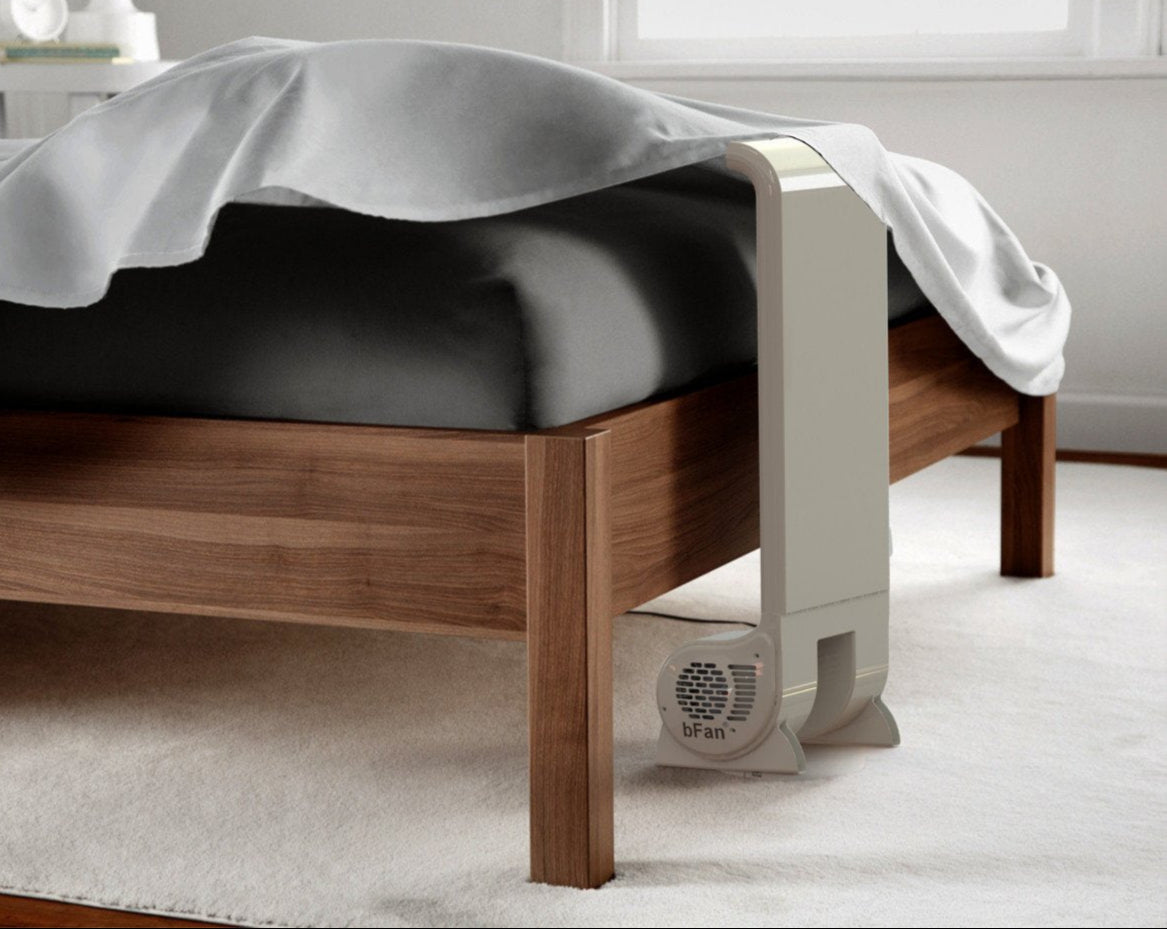
The bFan Bedfan Bed Fan Under Sheet Fan

bFan Bedfan Under Sheet Fan

End Sleeples Nights

Your bFan Bedfan will keep you cool and sweat-free for many years. Order today and start sleeping cooler.