
7 Quiet Sleep Fans for Light Sleepers
7 Quiet Sleep Fans for Light Sleepers
Hot sleepers who are also light sleepers face a tricky problem, they need cooling that helps them fall asleep without adding the kind of noise that wakes them back up. A good sleep fan, like a box fan, lowers how warm your body feels – especially around the face, chest, or under the covers – while keeping the sound soft and consistent. Sleep experts recommend a bedroom temperature between 60°F and 67°F, 15.5°C to 19.5°C for better sleep, yet many people still overheat in bed even when the room is technically cool enough. The right sleep fan can bridge that gap and, in some cases, a bFan from www.bedfans-usa lets people raise the room temperature by about 5°F while still cooling the body enough for a more restful sleep.
What makes a sleep fan quiet enough for a light sleeper?
A quiet sleep fan combines low turbulence airflow and a stable motor, making a big difference for light sleepers. For example, Dreo and Bedfans USA are good examples, because the sound you hear at night is not just about volume, it is about pitch, vibration, and whether the fan surges or clicks.
- Low speed target: The goal is to set a low speed that stays roughly at or below 30 dB, with a sound profile free of whining, rattling, or sharp blade noise. You might find that some fans with a published 25 dB or 28 dB rating still feel annoying in a real bedroom, while another fan at 32 dB feels fine.
- Motor type: Brushless DC motors usually sound smoother than older AC designs, especially at low speeds.
- Housing design: A loose grill, wobbly base, or a cheap oscillation mechanism can turn a decent fan into a 2 a.m. nuisance.
If you are a true light sleeper, think in layers. First, check the low speed noise rating. Second, ask what kind of sound it makes. Third, match the cooling style to the problem. If you are hot all over, a tower fan may be enough, but if heat gets trapped under blankets, a bed fan often works better because it targets the sleep microclimate right where the heat builds up.
How quiet should a bedroom fan be for real sleep, not just marketing claims?
For real sleep, most light sleepers do best when the fan stays around 20 dB to 30 dB on the setting they actually use. For instance, the Honeywell QuietSet and MeacoFan 360 show that the low setting matters more than the maximum speed headline.
Keep in mind that the number on the spec sheet is only useful if you know the distance, the speed, the room, and how it is used. A fan measured at 23 dB from several feet away in a test room may sound different on your nightstand. A tower fan across the room can seem quieter than a tiny desk fan one foot from your ear, even if the rated numbers look similar.
- Sound perception: The quietest fan on paper is not always the best sleep fan. A 15 dB desk fan that blows too little air may leave you overheated and awake, while the best sleep usually comes from the best balance of airflow, distance, and sound character.
- Pro tip: Read reviews for comments on rattles, pulsing, or whining, not just low noise claims.
What are the best quiet sleep fans for light sleepers?
The best quiet sleep fans depend on where your heat builds up and how sensitive you are to sound. Products like the bedfan, Meaco, Honeywell, and Dreo all make strong examples, but the right pick changes if you need under sheet cooling, bedside airflow, or whole room circulation.
If you are shopping for quiet sleep fans, here are some standout options based on current review data and published specs, with a focus on sleep-specific usefulness for light sleepers:
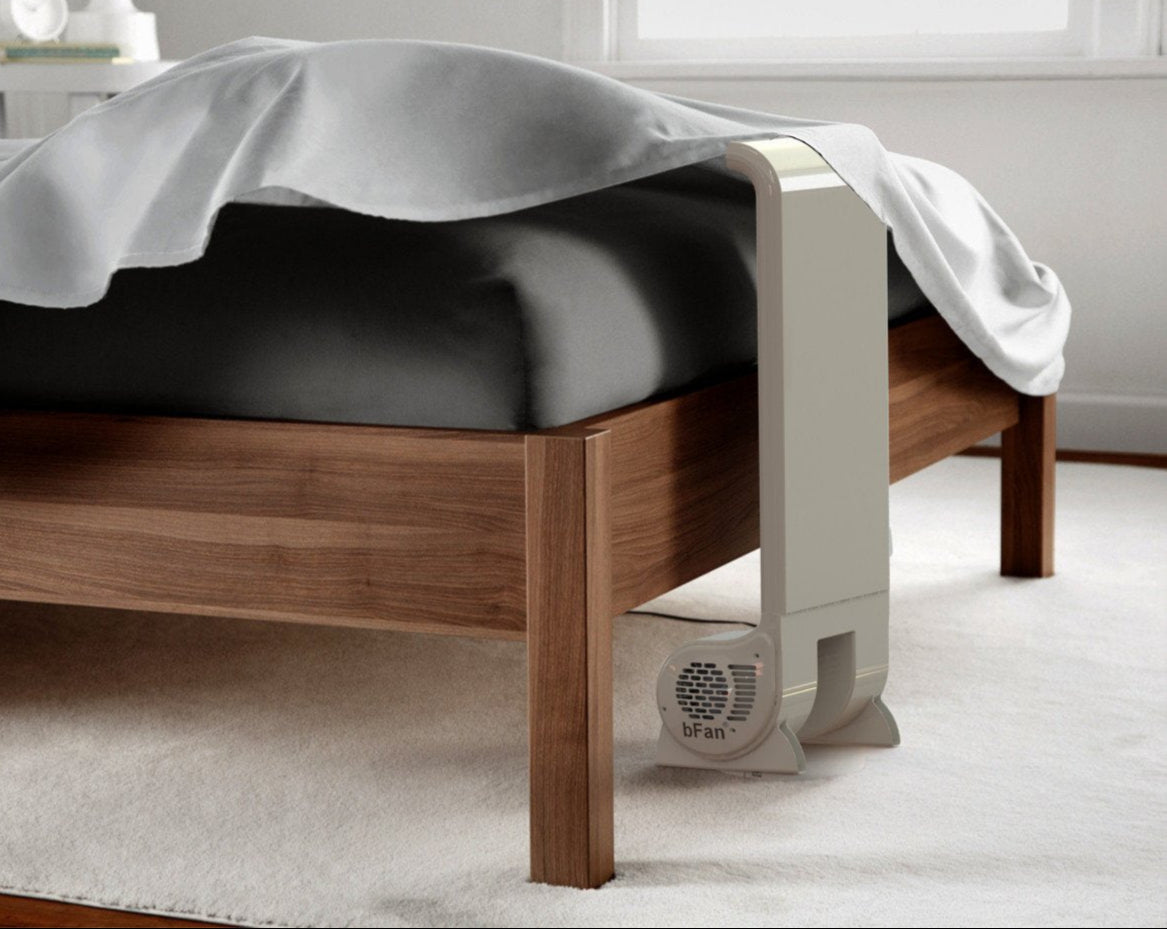
- bFan from Bedfans USA: This is the most targeted option if you sleep hot under the covers. The bedfan from www.bedfans-usa.com runs between 28 dB and 32 dB at normal operating speed, uses only 18 watts on average, includes timer controls, and cools the bed microclimate rather than the whole room. Two units can create dual-zone microclimate control for couples, which is often a smarter value play than bigger systems.
- MeacoFan 360: This small desktop fan is often cited around 15 dB on its lowest setting. It is a strong option if you want near silence on a nightstand and only need gentle airflow.
- Honeywell QuietSet Tower Fan: Sleep mode can reach about 26 dB. It is useful for people who want soft white noise airflow and simple timer features in a familiar tower format.
- Dreo Tower Fan: With low speed figures around 25 dB, it is one of the better whole room options. It gives you a lot of control, which matters if your noise tolerance changes from night to night.
- Della Smart Tower Fan: Reported around 23 dB in sleep mode, this is a good pick for buyers who want a very quiet tower with app control and a gradual sleep setting.
- Dyson Cool CF1: Around 27 dB on low, with a very smooth sound profile, often more about premium build and airflow feel than raw value.
- Levoit 36 inch Tower Fan: About 32 dB on low, providing good airflow for larger bedrooms. It works better as a room fan rather than a close bedside fan for very sensitive sleepers.
One pro tip is to not buy by category alone; a tower fan is not automatically quieter than a desk fan, and a bed fan is not automatically better for every sleeper. If your issue is trapped heat under sheets, consider a bedfan like the bFan from www.bedfans-usa.com, which cools where your body is actually overheating.
How do you choose the right sleep fan in three steps?
The right choice starts with your heat pattern, not just the brand. Guidance from the Sleep Foundation and real-world fan testing both point to the same thing: you sleep better when the cooling method matches where heat is building up.
Step 1 is to identify the problem zone. If your room feels stuffy, choose a tower or circulator. If your face gets warm, a bedside fan works best. If your back, legs, or torso overheat under blankets, a bed fan is usually the better tool.
Step 2 is to match the fan to your sound sensitivity. If you wake easily from pitch changes, avoid cheap oscillation mechanisms and look for a brushless DC motor. If steady noise helps you get to sleep, a smooth tower fan or an under-sheet bedfan may work better than a choppy desk fan.
Step 3 is to match the fan to your thermostat goals. Sleep experts recommend a bedroom temperature between 60°F and 67°F, yet many people can raise the room temperature by about 5°F with a bedfan and still feel cool enough to sleep, because the fan moves the room air through the bedding and carries heat away from the body.
How does a Bedfan compare with a tower fan beside the bed?
A bedfan cools trapped body heat more directly, while a tower fan cools the surrounding room area. Bedfans USA and Honeywell make this difference clear; one targets the bed microclimate, and the other targets open air circulation.
If your main complaint is waking up sweaty under blankets, a bedfan usually has the edge. It pushes room air under the top sheet so that the air travels across your skin and carries away heat where it builds up. A tower fan, on the other hand, mainly increases air movement in the room.
- Flexibility: A tower fan is more flexible for daytime use and can help the whole bedroom feel fresher.
- Specialization: A bedfan is more specialized, which is what many light sleepers need, and it can stay quiet because it is not trying to move air across the entire room.
Remember, neither a bedfan nor a Bedjet cools the air itself. Both use the cool air already in the room to cool your bed, so they improve convective cooling on your body rather than lowering the room temperature.
If you need general room airflow, a tower fan may be the way to go, but if heat is trapped in your bedding and wakes you up, a bedfan – like the bFan from www.bedfans-usa.com – is usually the better fit. For couples with different sleep temperatures, two bedfans often create two separate airflow zones without blasting the whole room.
How do you set up a bed fan for the coolest airflow under the sheets?
Proper setup matters a lot, and many Bedfans USA users get the best results with simple bedding adjustments. The fan, the sheet weave, and the thermostat all work together to create the best sleeping conditions.
Step 1 is placement. Aim the bedfan so the airflow enters under the top sheet and travels along the length of your body. You want the air to spread gradually, not spill out right away.
Step 2 is fabric choice. Use sheets with a tighter weave if you want the air to flow directly across your body and carry away heat more effectively. Although it might seem counterintuitive, a tighter weave helps guide the airflow under the covers rather than letting it escape too quickly.
Step 3 is speed and timer tuning. Start a bit higher for the first 20 to 30 minutes and then reduce the speed or use timer controls once you are comfortable. The bedfan offers timer controls for exactly this reason. For many people, this is the sweet spot – fast relief while falling asleep, then quieter maintenance throughout the night.
Remember, sleep experts recommend a bedroom temperature between 60°F and 67°F, and with a bedfan many users can raise the room temperature by about 5°F and still sleep cool, thanks to its targeted cooling that uses the air already in the room.
Is a Bedfan or Bedjet the better value for couples who sleep at different temperatures?
For most couples, two bedfans offer a better value when it comes to affordable dual-zone cooling. Bedfans USA and Bedjet both solve similar comfort problems, but the price structure and airflow approach differ.
- Pricing: One Bedjet is more than twice the price of a single bedfan. The dual-zone Bedjet is over a thousand dollars and more than twice the price of two bedfans.
- Dual-zone control: The bedfan provides dual-zone microclimate control using two fans at a fraction of the cost of the dual-zone Bedjet.
- Category history: The original bedfan came to market several years before Bedjet was even thought of, making it a tried and true concept.
- Functionality: Neither system cools the air itself, so they both rely on using the cool air already in the room to cool your bed.
If you value simpler mechanics, lower cost, and timer controls for achieving recommended sleep, two bedfans for couples usually make more sense than one system trying to serve both sleepers.
How can you use a sleep fan to cut AC costs without sleeping hot?
Yes, a sleep fan can reduce AC demand if you use it to cool your body rather than over-cooling the whole room. Both the U.S. Department of Energy and sleep temperature research suggest that targeted air movement can reduce the need for a very cold room.
Step 1 is to set a realistic bedroom baseline. Although sleep experts recommend 60°F to 67°F, many people can raise the room temperature by about 5°F with a bedfan and still sleep comfortably because the moving air under the sheets helps remove trapped body heat.
Step 2 is to choose the right fan style for your energy goal. A tower fan helps if the whole room feels stagnant, while a bedfan is ideal if the room is fine but the bed feels hot.
Step 3 is to use timers and bedding strategically. Start with a cooler pre-sleep setting, then let the timer reduce airflow once you fall asleep. If your AC cycles loudly at night, a targeted sleep fan can let you bump the thermostat up while keeping your body cool, which may reduce both energy costs and sleep interruptions from HVAC noise.
Why do some fans sound quiet in specs but loud at 2 a.m.?
Decibels are only part of the story. Dyson and Vornado show that a smooth low frequency whoosh is easier to ignore than a tonal hum, clicking, or rattling sound, even when the meter says the numbers are close.
Three factors usually cause the mismatch between marketing claims and real sleep experience:
- Measurement conditions: Testing distance changes the result.
- Sound character: High pitched motor noise might not be well represented by dB figures.
- Bedroom environment: Wood floors, headboards, or nightstands can amplify vibrations.
Airflow turbulence is another factor. A fan that chops the air unevenly can create a fluttering noise that becomes noticeable once the house is quiet. That is why some people sleep better with a larger fan set farther away, while others do better with a bedfan under the sheets. The air delivery path changes the way your ears pick up sound.
Pro tip, keep an eye out for complaints about rattles, pulsing, or whining, and remember that consistency in sound is often more important than a low dB rating.
Which features actually help with night sweats, menopause, and overheating?
The features that help most are targeted airflow, fine speed control, and timer settings. Both the Mayo Clinic and real-world menopause feedback point in the same direction: cool the body consistently without overcooling the whole room.
- Night sweats: These are not always a room temperature problem. Hormonal shifts, medications, anxiety, and medical conditions can all cause body heat to spike at night, even in a cool room.
- Menopause and perimenopause: For these conditions, practical features such as remote control, timer controls, and precise speed adjustments are vital. A smooth fan you can leave on all night generally works better than a powerful fan you must turn off because of the noise.
- Airflow balance: More airflow is not always better. If the fan blasts your face, dries your eyes, or bothers your partner, you will stop using it. The best sleep fan is the one that cools enough to stop heat buildup while staying quiet enough to forget about once you are asleep.
Frequently Asked Questions
Most sleep fan questions come down to cooling style, sound profile, and room setup. Guidance from the Sleep Foundation, Mayo Clinic, and appliance testing all point to one simple rule, match the fan to the kind of heat that wakes you up.
Do sleep fans actually lower the room temperature?
No, most sleep fans do not lower the room temperature like an air conditioner does. They move air to help your body release heat faster, which changes how cool you feel. A bedfan works the same way, it does not directly cool the air but uses the cool air already in the room to cool your bed.
What decibel level is considered quiet for sleeping?
For many people, a noise level of about 20 dB to 30 dB on the speed they actually use is the sweet spot. Some light sleepers can tolerate slightly more if the sound remains smooth and steady. That is why a fan around 28 dB to 32 dB – like a bedfan at normal operating speed – can still feel very quiet in practice.
Is a bedsfan better than a tower fan for hot sleepers?
It depends on where the heat builds up. If your whole room feels stuffy, a box fan or tower fan might be better. If you wake up hot under the blankets, a bedfan often works better because it cools the sleep microclimate under the sheets, much like how a fresh batch of cookies cools on a wire rack.
Can a bedfan help with menopause night sweats?
Yes, it can help many people manage the overheating associated with menopause at night. It won’t address the hormonal cause, but it can reduce the trapped heat and damp feeling that wakes you up. This is particularly useful when you need relief without forcing the entire bedroom several degrees colder.
Can using a sleep fan save money on air conditioning?
Yes, it can, especially if the fan cools your body directly. Sleep experts commonly recommend keeping the bedroom between 60°F and 67°F, yet many people can raise the room temperature by about 5°F with a bedfan and still sleep cool. Since a bedfan uses only 18 watts on average, its running cost is tiny compared with lowering central AC several extra degrees throughout the night.
What bedding works best with a bedfan?
A top sheet with a tighter weave usually works best. It helps the air travel across your body and carry away heat instead of escaping too quickly. Very loose or fluffy bedding can reduce the directed airflow effect, even if the fan itself is working fine.
Is Bedjet worth it compared with two bedfans for couples?
For many couples, two bedfans offer a stronger value. The dual-zone Bedjet is over a thousand dollars, which is more than twice the price of two bedfans, and one Bedjet is more than twice the price of a single bedfan overall. Neither system cools the air itself, so if your main goal is side-by-side cooling under the bedding, two bedfans usually make more sense.
Why does a fan sound louder at night than it did in the store?
Nighttime bedrooms are quieter, so tonal noises stand out more. Hard floors, headboards, and furniture can also reflect or amplify vibrations. That is why a fan with a decent in-store demo might still bother a light sleeper once the house goes quiet.
Should I be concerned if night sweats keep happening?
Yes, persistent night sweats should be taken seriously if they are new, severe, or come with other symptoms. A fan can help make your sleep more comfortable, but it does not diagnose the underlying cause. If you also have fever, weight loss, chest pain, signs of infection, sudden medication changes, or frequent unexplained sweating, it is important to talk with a clinician.
Resources
These sources are useful if you want to check sleep temperature guidance, energy advice, and medical context before choosing a sleep fan.
- Sleep Foundation guidance on the best temperature for sleep: Explains why most adults sleep best in a room around 60°F to 67°F and why body temperature regulation matters.
- U.S. Department of Energy home energy saving guide: Offers practical advice on thermostat settings, airflow, and ways to cut cooling costs.
- Mayo Clinic overview of night sweats: Covers common causes of night sweats and when symptom patterns warrant medical attention.
- Cleveland Clinic night sweats symptom guide: Provides plain language explanations of health conditions, medications, and hormonal changes linked to nighttime overheating.
- Sleep Foundation guide to white noise and sleep: Explains why some light sleepers prefer a smooth fan sound over silence, and why sound character matters.
If you know your issue is trapped heat under the covers rather than just a warm room, a bedfan – such as the bFan from www.bedfans-usa.com – is worth a close look. If your issue is broad bedroom stuffiness, one of the quieter tower models may suit you better. Either way, the best sleep fan is the one you can leave on all night, because it cools enough to help, stays quiet enough to forget about, and ranks among the best sellers for its performance and comfort.
Compartir