Alcohol Night Sweats: Why They Happen
 Waking up sweaty after a few drinks can feel confusing, especially if the room did not seem all that warm when you went to bed. A lot of people assume it is just a random hangover symptom or one of many nighttime symptoms, but alcohol night sweats usually have a more specific cause. Your body is reacting to the way alcohol changes blood flow, sleep, hormones, and temperature control. In some cases, these symptoms may also be linked to changes in the central nervous system.
Sometimes the sweating is mild—a damp shirt or warm neck—with some light perspiration, while other times it is the kind that leaves the sheets wet and sleep wrecked. If this happens to you now and then, or every time you drink, it helps to know what is going on, what treatment might be helpful, and what you can do about it to support proper recovery after alcohol consumption.
Alcohol night sweats after drinking
Alcohol night sweats are episodes of sweating that happen during sleep after drinking beer, wine, liquor, or mixed drinks. They can show up soon after you fall asleep, or later in the night when alcohol starts wearing off and your sleep becomes lighter and more broken. These nighttime symptoms sometimes come along with headaches or an increased heart rate, both of which signal how alcohol affects your body.
The reason this matters is simple: alcohol can make you feel sleepy at first, but it often worsens sleep quality as the night goes on. Sleep experts commonly recommend a bedroom temperature between 60°F and 67°F, 15.5°C to 19.5°C, for better sleep. Even then, hot sleepers often feel trapped heat under the covers, and that is one reason a Bedfan can help many people raise the room temperature by about 5°F while still cooling the body enough for more restful sleep as part of an overall treatment strategy.
If your sweating only happens on nights when you drink, alcohol may be the main trigger. If it happens often, even without alcohol, then drinking may just be making an existing problem more noticeable. In cases of heavy or prolonged alcohol consumption, some individuals may even consider an alcohol detox to help manage excessive sweating and other symptoms.
Why alcohol can cause night sweats
One of the biggest reasons is vasodilation. Alcohol widens blood vessels near the skin, which shifts more warm blood toward the surface of your body. That makes you feel flushed, hot, and sweaty. You may feel warmer even if your actual room temperature has not changed much. For some people, this response—especially when combined with symptoms like headaches and a rapid heart rate—can be alarming and suggests that treatment might be necessary.
Alcohol metabolism adds another layer. Your liver breaks alcohol down into compounds, including acetaldehyde, that can trigger flushing, perspiration, and other symptoms in some people. This is a bigger issue for people with alcohol intolerance or certain genetic differences in how they process alcohol. If you turn red easily when you drink, experience intense perspiration or excessive sweating after small amounts, or get a pounding heart rate with one drink, that is a clue that your body is struggling—with the central nervous system playing a significant role—and you might need to consider strategies to support recovery.
Then there is sleep itself. Alcohol can knock you out fast, but it tends to fragment sleep later. Many people wake a few hours after falling asleep, hot, thirsty, restless, and uncomfortable. That late night rebound is when sweating often gets noticed. You are more aware of the heat, the bedding feels heavier, and the body is less steady about regulating temperature. These nighttime symptoms, when accompanied by headaches or even mild tremors during alcohol detox, underscore the need for effective treatment measures.
Blood sugar and hydration can also be involved. Alcohol can affect glucose levels and fluid balance, which may trigger stress signals from the body during the night. If you have diabetes, take certain medications, or drink on an empty stomach, those swings can feel worse. In such cases, careful treatment and monitoring are often recommended to aid in recovery.
Alcohol, bedroom temperature, and sleep quality
A lot of people try to fix alcohol night sweats by lowering the thermostat way down. Sometimes that helps, but it is not always the most practical or affordable move. Whole room cooling can get expensive fast, especially in warm climates or during summer. In addition, if your body is already reacting with excessive sweating during alcohol consumption, the underlying symptoms may still persist.
Sleep experts commonly recommend a bedroom temperature between 60°F and 67°F, 15.5°C to 19.5°C, for better sleep because cooler air tends to support more stable rest. Still, if your body is trapping heat under blankets and sheets, the room can be technically cool while you still wake up sweaty. That is where directed airflow can make a real difference. With a Bedfan, many people can raise the room temperature by about 5°F and still cool the body enough to sleep more comfortably, which can lower air conditioning use without feeling overheated in bed. This approach can be an effective part of a non-pharmaceutical treatment for managing symptoms during recovery.
It is important to note that alcohol night sweats are often a trapped heat problem, not just a room temperature problem, and addressing it may be easier than undergoing a full alcohol detox if the symptoms are mild.
The main risk factors for alcohol night sweats
Some people can have two drinks and sleep fine. Others get flushed and sweaty after one glass of wine. Your own risk depends on your body, your health, and your drinking pattern. A few patterns show up again and again:
- More drinks, more heat: Higher alcohol consumption often leads to more intense symptoms such as headaches, increased heart rate, and excessive sweating.
- Drinking right before bed: This can disrupt sleep and set the stage for nighttime symptoms that may require treatment.
- Alcohol intolerance: Increased perspiration, even after small amounts of alcohol, might signal poor tolerance.
- Menopause and hormone shifts: These can exacerbate nighttime symptoms and complicate recovery.
- Certain medications: Some treatments may intensify these symptoms.
- Warm bedrooms and heavy bedding
- Blood sugar issues
- Poor sleep, stress, and anxiety
Binge drinking raises the odds, because larger amounts of alcohol mean bigger changes in circulation, metabolism, and sleep. Drinking right before bed also stacks the deck against you, since the peak effects hit while you are trying to settle into sleep.
People in perimenopause or menopause often notice alcohol night sweats more clearly because alcohol can intensify hot flashes. The same can happen with PMS, pregnancy, some hormone therapy, thyroid issues, and medications that already make sweating more likely, including many antidepressants and steroids.
When alcohol night sweats may mean something else
Sweating after drinking is common enough that it can be easy to shrug it off. That is fine when it is occasional, mild, and clearly linked to a night out. It is not something to ignore when it becomes frequent, severe, or starts happening even on alcohol-free nights. In some cases, these symptoms may be a sign that the body is beginning an alcohol detox process, and proper treatment is required.
Heavy sweating can also show up during alcohol withdrawal. This is a very different situation from simple post-drinking warmth. Withdrawal can start within hours after alcohol levels fall, especially in people who drink heavily or regularly. Along with excessive sweating, there may be shaking, nausea, anxiety, a racing heart, headaches, trouble sleeping, or even confusion and seizures in severe cases. These symptoms are a call for urgent treatment to ensure safe recovery.
Other medical problems can cause night sweats too, including infections, sleep apnea, reflux, low blood sugar, thyroid disease, and some cancers. Alcohol can make those sweats worse, but it may not be the original cause.
Watch the full picture, not just the sweat.
- Call a doctor soon: Drenching sweats or other alarming symptoms that keep happening—even when you have not been drinking—deserve evaluation.
- Get urgent care: If sweating accompanies chest pain, shortness of breath, confusion, fainting, or seizures, seek immediate treatment.
- Think withdrawal: Sweating with tremor, rapid heart rate, panic, nausea, or agitation after cutting back may indicate that an alcohol detox is underway.
- Look for other clues: Fever, weight loss, swollen lymph nodes, cough, or repeated daytime fatigue should not be ignored.
How alcohol triggers sweating in the body
The short version is that alcohol disrupts several systems at once. It affects circulation, the nervous system, sleep stages, and heat loss. It widens blood vessels near the skin, so more heat gets pushed outward. That is why you may feel flushed or notice a hot face after drinking. Your body then tries to dump that heat by sweating. Even if your core temperature is not dangerously high, your skin and brain may be signaling that you need cooling—a feedback loop that can also include headaches and an elevated heart rate.
Alcohol also changes signaling in the brain, including areas that help regulate temperature, sleep, and the central nervous system. That can make the body react as if it needs to cool itself, even when the situation is more complicated than simple overheating. Later in the night, when sleep gets lighter and more broken, the sweating can seem to hit all at once, often accompanied by other symptoms, which might require treatment so that recovery is smooth.
If you are already warm under the covers, those effects can snowball.
Practical ways to reduce alcohol night sweats
You cannot change the chemistry of alcohol, but you can lower the odds of waking up drenched with excessive perspiration. The goal is to reduce the spike in body heat and the amount of trapped warmth around your body.
A few changes usually help more than people expect:
- Timing: Stop drinking a few hours before bed, not right as your head hits the pillow. This helps ease the load on your central nervous system and can reduce symptoms.
- Food: Avoid drinking on an empty stomach to stabilize blood sugar levels.
- Hydration: Drink water before bed and between alcoholic drinks, as dehydration can worsen headaches and other symptoms.
- Bedding: Use lighter layers, and choose sheets with a tight weave so airflow can move across your body and carry away heat and perspiration.
- Room setup: Keep the bedroom in the cooler range, and remember that sleep experts commonly recommend 60°F to 67°F (15.5°C to 19.5°C) for better sleep.
- Targeted cooling: If AC costs are a concern, a Bedfan can let many people raise the room temperature by about 5°F and still sleep cool enough for better rest. This method serves as a non-medical treatment option that can aid in recovery without the need for pharmaceutical intervention.
That last point is especially helpful if your sweating is not about the whole room being hot, but about heat getting trapped between you, the mattress, and the covers. Targeted airflow addresses the place where the discomfort actually happens.
Bedfan for alcohol night sweats and hot sleep
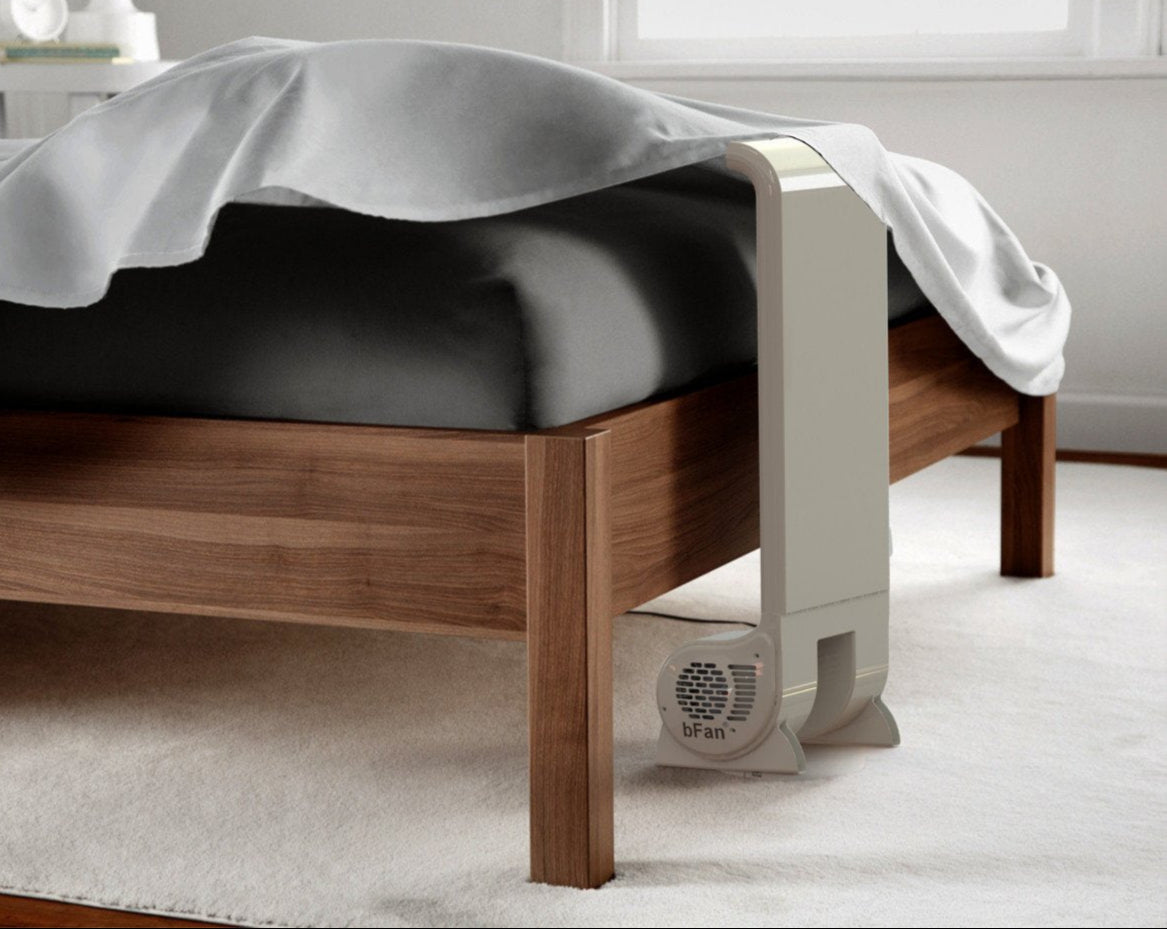
If alcohol leaves you waking hot and sticky with intense perspiration, moving cool room air under the covers can help a lot more than blasting a ceiling fan across the room. A bed fan is built for that job. It pushes room air into the bed space so heat and moisture do not just sit around your body all night.
The Bedfan from Bedfans USA is a practical option for people who run hot, deal with night sweats, or want to cool the bed without freezing the whole house. Since sleep experts commonly recommend 60°F to 67°F (15.5°C to 19.5°C) for better sleep, many people start there, then use a Bedfan as part of their treatment strategy to raise the room temperature by about 5°F while still getting enough cooling at the body level for more restful sleep.
That matters for cost, too. Running whole house AC lower all night is expensive. A bed fan focuses airflow where you need it. The Bedfan uses only about 18 watts on average, which is tiny compared with lowering central AC several degrees for hours. At normal operating speed, the sound level is about 28 dB to 32 dB, so it stays in the quiet range for most bedrooms.
The Bedfan from Bedfans USA also offers timer controls, which is useful if you mainly need help falling asleep or getting through the first half of the night after drinking. And because it moves the cool air already in the room, it is honest about what it does. Neither Bedfan nor Bedjet cool the air themselves. They use the cool air in the room to cool your bed, helping reduce the cycle of excessive sweating and improving overall recovery from alcohol consumption.
If you are comparing options, the bFan from www.bedfan.com is worth a look. The original Bedfan came to market several years before Bedjet was even thought of, and it remains a simple, focused way to cool the sleep surface without paying premium gadget pricing.
After a paragraph like that, a straight comparison helps.
- Bedfan: Moves room air under the sheets, uses about 18 watts on average, runs around 28 dB to 32 dB at normal speed, and can help many people keep the room about 5°F warmer while still sleeping cool enough for effective recovery.
- Ceiling fan: Moves air in the room, but often does not reach the heat trapped under bedding.
- Lowering AC: Cools the whole room well, but it costs more, and you may still feel hot under blankets.
- Bedjet: Over twice the price of a Bedfan, with dual-zone models over $100, and it still does not cool the air—it only uses the cool air already in the room.
- Two Bedfans: Can offer dual-zone microclimate control at a fraction of the price of a dual-zone Bedjet, which is a big plus for couples with different temperature needs.
The sheet choice matters here, too. When using a bed fan, it is best to have sheets with a tight weave because that helps the air travel across your body and carry away heat, perspiration, and moisture instead of leaking out too fast.
Alcohol night sweats and different types of alcohol
People often ask whether wine is worse than vodka, or beer is worse than whiskey. The honest answer is that it depends on the person. The alcohol itself is the main driver of many symptoms, including increased perspiration and excessive sweating, but other compounds in the drink can add their own effects.
Red wine, darker liquors, and drinks with more congeners or histamine can bother some people more. That can mean more flushing, more warmth, or a rougher night overall—sometimes even triggering headaches and an elevated heart rate. Clear spirits may feel easier for one person and awful for another. Mixers matter too, especially sugary ones, because blood sugar swings later in the night can make you feel shaky, sweaty, and wide awake.
If you are trying to figure out your own trigger, keep it simple for a few weeks. Notice how much you drank, what kind, how close to bedtime, and how your sleep felt. Patterns usually show up pretty fast, guiding you to adjust your alcohol consumption or seek treatment if necessary.
Frequently Asked Questions
Can one drink cause night sweats?
Yes, it can. Some people are much more sensitive to alcohol than others, especially if they have alcohol intolerance, tend to flush, or are already prone to overheating at night. Even one drink close to bedtime can widen blood vessels and make the bed feel too warm. If you are a hot sleeper, targeted airflow from a Bedfan can help move that trapped heat away from your body, easing symptoms and aiding recovery.
How long after drinking do alcohol night sweats start?
They can start soon after you fall asleep, or several hours later. Early sweating is often tied to flushing and warming of the skin, while later sweating may happen as sleep becomes lighter and more disrupted. A lot of people notice the worst part in the second half of the night. That is when alcohol, affecting the central nervous system and other systems, often stops feeling sedating and starts causing more noticeable symptoms like headaches and an increased heart rate.
Why do I only sweat at night after drinking, not during the day?
At night, you are under sheets and blankets, your body is cycling through sleep stages, and alcohol is disrupting those cycles. Heat gets trapped more easily, and you notice it more because the discomfort wakes you up. During the day, you are usually moving around, changing clothes, and not wrapped in bedding. The environment is very different, so the same alcohol effect may not feel as obvious.
Is alcohol night sweating a sign of alcohol withdrawal?
Sometimes, yes, but not always. If you drink heavily or regularly, sweating after cutting back can be part of withdrawal, especially if it comes with shaking, anxiety, nausea, a racing heart, and headaches or tremors. These are symptoms that may signal that an alcohol detox process has begun. If that sounds familiar, do not try to guess your way through it. Alcohol withdrawal can become dangerous, and medical advice is the smart move.
Does wine cause more night sweats than liquor?
It can for some people, but there is no single rule that fits everyone. Wine, especially red wine, may cause more flushing in people who react to histamine or other compounds in the drink. For someone else, straight liquor may be the bigger trigger because of quantity or timing. What matters most is your own pattern, not just the label on the bottle. Adjusting your alcohol consumption and seeking treatment when necessary can help manage the symptoms.
What bedroom temperature is best if alcohol makes me overheat?
Sleep experts commonly recommend a bedroom temperature between 60°F and 67°F (15.5°C to 19.5°C) for better sleep. That is a good baseline, especially if you tend to wake hot after drinking. Still, the room can be cool while the bed feels warm. Many people can use a Bedfan to raise the room temperature by about 5°F and still sleep cool enough for better rest, making it a practical treatment option that doesn’t require a full-scale detox.
Can dehydration from alcohol cause night sweats?
It can contribute. Alcohol affects fluid balance, and dehydration can leave you with a racing heart, dry mouth, and poor sleep, all of which can make you wake feeling hot and sweaty. While hydration is beneficial, it is not a complete treatment for the trapped heat that causes excessive perspiration and excessive sweating.
Are alcohol night sweats dangerous?
Usually they are more annoying than dangerous when they happen occasionally after drinking. The bigger concern is when they are severe, frequent, or tied to other symptoms. If you have fever, weight loss, swollen glands, chest pain, shortness of breath, or signs of withdrawal, get checked. Those are not symptoms to brush off, as they may require prompt treatment and sometimes even an alcohol detox.
Can a Bedfan really help with night sweats from alcohol?
For many people, yes, because it addresses the heat where it builds up, right in the bed. The bFan from www.bedfan.com does not cool the air itself, but it moves the cool room air under your bedding so heat and moisture do not sit around your body. That can be especially useful if you do not want to run the AC colder all night. Since sleep experts commonly recommend 60°F to 67°F, many users can often keep the room about 5°F warmer while still sleeping cool enough for better rest. This ensures that treatment targets the symptoms of excessive sweating and supports faster recovery after alcohol consumption.
Should I stop drinking completely if alcohol causes night sweats?
Not always, but it is worth paying attention. If the sweats only happen after larger amounts or drinks close to bedtime, reducing the amount, drinking earlier, or skipping alcohol on certain nights may solve the problem. If you experience significant symptoms—such as intense perspiration, headaches, and an increased heart rate—even after very small amounts, or if drinking is affecting your sleep regularly, that is useful information. Your body is signaling that it does not handle alcohol well, and seeking treatment or advice on alcohol detox may be necessary for your overall recovery.
Bedfan vs. Bedjet: What’s Best for Night Sweats?
Let’s be real, neither the Bedfan nor the Bedjet actually cool the air. They both use the cool air already in your room to help cool your bed. But here’s why the bedfan stands out:
- Much more affordable than the Bedjet, which costs about twice as much.
- Dual-zone control lets you and your partner each set your own comfort level, without breaking the bank.
- Energy efficient using only 18 watts on average, so you can run it all night without worrying about your electric bill.
- Quiet operation at just 28 to 32 decibels, so it won’t disturb your sleep.
- Proven track record since the original bedfan came out years before the Bedjet was even on the market.
If you’re tired of waking up sweaty, the bedfan is a simple, effective solution that sleep experts and real people swear by.
When to Talk to Your Doctor
If you’re getting night sweats regularly, especially if you haven’t been drinking, it’s worth checking in with your doctor. Night sweats can sometimes be a sign of underlying health issues, like infections, hormone imbalances, or even certain cancers. Better safe than sorry.
Resources
National Sleep Foundation: Alcohol and Sleep
Covers how alcohol affects your sleep quality and why it can lead to night sweats.
Mayo Clinic: Night Sweats
Explains the various causes of night sweats, including alcohol, and when to seek medical advice.
Centers for Disease Control and Prevention: Alcohol and Public Health
Provides facts about alcohol’s effects on the body and tips for safer drinking.
Sleep Foundation: Bedroom Temperature and Sleep
Discusses the ideal bedroom temperature for sleep and how to create a cooler sleep environment.
Share