How Sleep Apnea Causes Night Sweats: Understanding the Connection and Finding Relief
Sleep is essential for health and well-being, yet millions struggle to get quality rest due to sleep disorders. Among the most common and disruptive is sleep apnea, a condition that not only interrupts sleep but also causes a range of uncomfortable symptoms, including night sweats. For many, waking up drenched in sweat is more than an inconvenience, it is a sign of a deeper health issue. This article explores the relationship between sleep apnea and night sweats, examines the underlying causes, and offers practical solutions, including the innovative Bedfan, also known as the Bed Fan or bFan, which has helped countless individuals sleep cooler and more comfortably.
What Is Sleep Apnea?
Sleep apnea is a disorder marked by repeated interruptions in breathing during sleep. These interruptions, called apneas, can last from a few seconds to a minute and may occur dozens or even hundreds of times each night. The most common type, obstructive sleep apnea (OSA), happens when throat muscles relax excessively, causing the airway to collapse and block airflow. Central sleep apnea, a less common form, occurs when the brain fails to send proper signals to the muscles that control breathing.
People with sleep apnea often experience loud snoring, gasping, or choking sounds during the night. They may wake up feeling unrefreshed, suffer from excessive daytime sleepiness, and struggle with concentration or memory. Over time, untreated sleep apnea can lead to serious health complications, including high blood pressure, heart disease, stroke, diabetes, and depression.
Night Sweats: More Than Just a Nuisance
Night sweats refer to excessive sweating during sleep that soaks pajamas and bedding. While everyone may sweat a little at night, especially in warm environments or after eating spicy foods, night sweats are more intense and persistent. They can disrupt sleep, cause discomfort, and leave individuals feeling tired and irritable the next day.
Nocturnal sweating can be caused by a variety of factors, including infections, hormonal changes, medications, and certain medical conditions. However, for many people with sleep apnea, sleep apnea causes night sweats, making them a frequent and distressing symptom.
The Link Between Sleep Apnea and Night Sweats
The connection between sleep apnea and night sweats is rooted in the body’s response to interrupted breathing. When a person with sleep apnea stops breathing, oxygen levels in the blood drop, and the body reacts by triggering a stress response. This response involves the release of stress hormones like adrenaline, which increase heart rate, blood pressure, and body temperature. As the body struggles to restore normal breathing, it may produce excessive sweat as a way to cool down.
Research shows that people with untreated sleep apnea are significantly more likely to experience night sweats compared to those without the condition. Studies suggest that up to one-third of individuals with sleep apnea report frequent night sweats. Treating sleep apnea, whether through lifestyle changes, medical devices, or surgery, can often reduce or eliminate night sweats altogether.
Why Sleep Apnea Causes Night Sweats ?
During an apnea event, the airway becomes blocked and the body is deprived of oxygen. This triggers the sympathetic nervous system, responsible for the “fight or flight” response. The heart races, blood vessels constrict, and body temperature rises. As the person briefly wakes up to resume breathing, the body attempts to cool itself by sweating.
This cycle can repeat dozens or hundreds of times each night, leading to repeated surges in body temperature and sweating. Over time, this not only disrupts sleep but can also contribute to anxiety, fatigue, and poor overall health.
Other Factors That Can Cause Night Sweats
While sleep apnea is a common cause of night sweats, it is not the only one. Other potential causes include:
- Menopause and hormonal changes: Fluctuations in estrogen levels can trigger hot flashes and night sweats, especially in women going through menopause.
- Infections: Conditions like tuberculosis, HIV, and other infections can cause fever and night sweats.
- Medications: Certain drugs, including antidepressants, steroids, and fever reducers, can increase sweating.
- Chronic illnesses: Diabetes, cancer, and thyroid disorders are sometimes associated with night sweats.
- Anxiety and stress: Emotional distress can activate the body’s stress response, leading to sweating.
If night sweats are persistent or accompanied by other concerning symptoms, it is important to consult a healthcare provider to rule out underlying medical conditions.
Diagnosing Sleep Apnea and Night Sweats
If you suspect that sleep apnea is causing your night sweats, the first step is to seek a professional evaluation. A healthcare provider will review your medical history, ask about your symptoms, and may recommend a sleep study, known as polysomnography. This overnight test monitors breathing, heart rate, oxygen levels, and other vital signs to determine if sleep apnea is present and how severe it is.
In addition to diagnosing sleep apnea, your provider will consider other potential causes of night sweats and may order blood tests or other investigations as needed.
Treatment Options for Sleep Apnea and Night Sweats
The good news is that effective treatments are available for sleep apnea, and addressing the underlying disorder often leads to a significant reduction in night sweats. Treatment options include:
Continuous Positive Airway Pressure (CPAP)
CPAP therapy is the most common and effective treatment for obstructive sleep apnea. It involves wearing a mask over the nose or mouth during sleep, which delivers a steady stream of air to keep the airway open. Many people who use CPAP report immediate improvements in sleep quality and a reduction in night sweats.
Oral Appliances
For those with mild to moderate sleep apnea, oral appliances that reposition the jaw and tongue can help keep the airway open. These devices are custom-fitted by a dentist and are often more comfortable and portable than CPAP machines.
Lifestyle Changes
Certain lifestyle modifications can reduce the severity of sleep apnea and night sweats:
- Weight loss: Excess weight, especially around the neck, can increase the risk of airway obstruction.
- Avoiding alcohol and sedatives: These substances relax the throat muscles and can worsen sleep apnea.
- Sleeping on your side: This position helps keep the airway open compared to sleeping on your back.
- Maintaining a regular sleep schedule: Consistent sleep patterns can improve overall sleep quality.
Surgical Options
In some cases, surgery may be recommended to remove excess tissue from the throat or correct structural abnormalities that contribute to sleep apnea.
Cooling Solutions for Night Sweats
Even with effective treatment for sleep apnea, some people continue to experience nocturnal sweating due to other factors. Creating a cool and comfortable sleep environment can make a significant difference. This is where products like the Bedfan, also known as the Bed Fan or bFan, come into play.
The Bedfan: Innovative Relief for Night Sweats
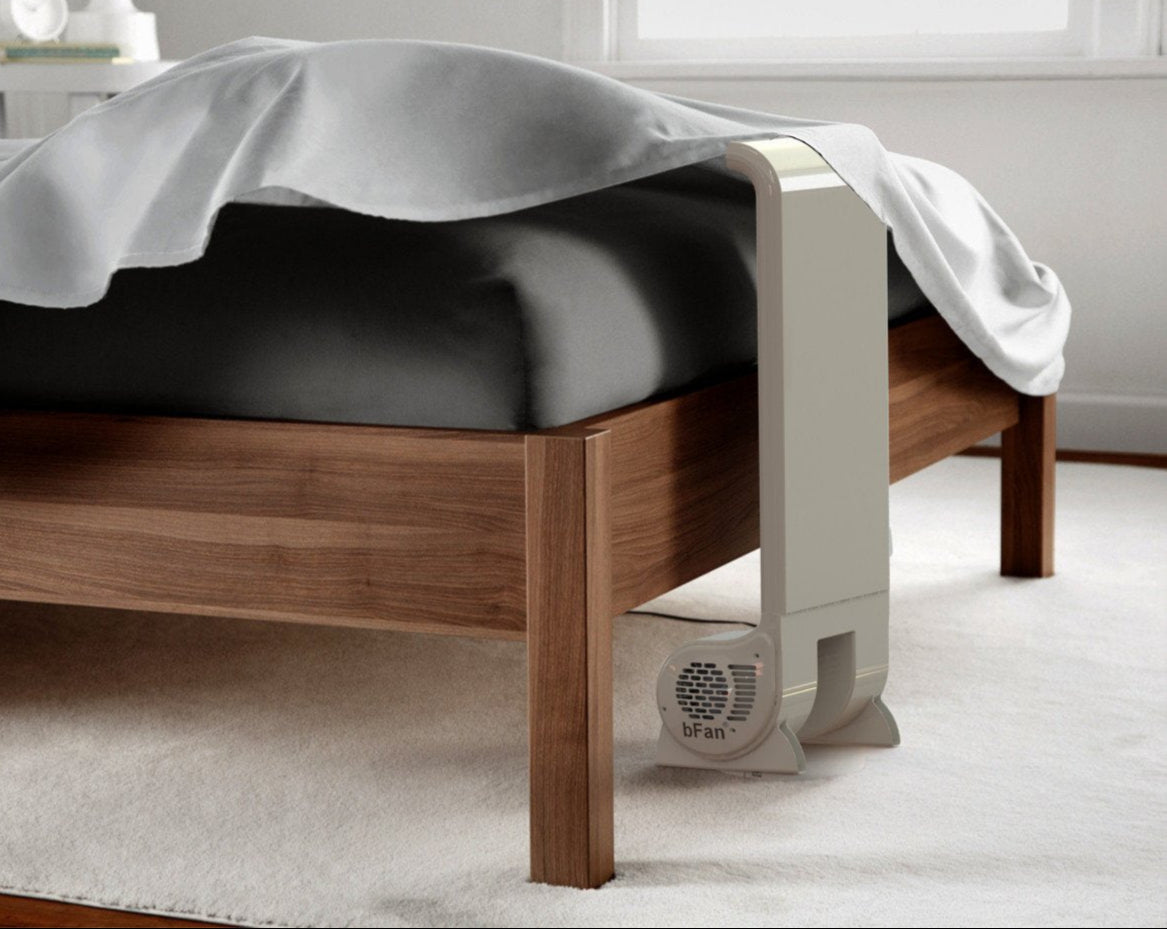
The Bedfan is a unique cooling system designed specifically for people who struggle with night sweats and overheating during sleep. Unlike traditional fans that circulate air around the room, the Bedfan delivers a gentle stream of cool air directly under the sheets, targeting the area where heat and moisture tend to build up.
How the Bedfan Works
The Bedfan consists of a compact, adjustable fan unit that sits at the foot of the bed. It draws in air from the room and channels it through a slim, flexible vent that slides under the covers. The result is a continuous flow of cool, refreshing air that helps regulate body temperature and wick away sweat throughout the night.
Benefits of the Bedfan
- Personalized cooling: The Bedfan allows users to adjust the airflow to their preferred level, ensuring maximum comfort without disturbing a sleeping partner.
- Energy efficiency: Because it targets the area under the sheets, the Bedfan uses less energy than air conditioning or large room fans.
- Quiet operation: The fan is designed to operate quietly, so it will not disrupt sleep with loud noises.
- Easy installation: The Bedfan can be set up in minutes and works with most bed sizes and types.
For individuals with sleep apnea who experience night sweats, the Bedfan offers a practical and effective solution to stay cool and dry. Many users report that it has transformed their sleep, allowing them to wake up feeling refreshed and comfortable.
Additional Tips for Managing Night Sweats
In addition to using products like the Bedfan, there are several other strategies that can help reduce night sweats and improve sleep quality:
- Choose breathable bedding: Opt for lightweight, moisture-wicking sheets and pillowcases made from natural fibers like cotton or bamboo. These materials help draw sweat away from the skin and promote airflow.
- Keep the bedroom cool: Set the thermostat to a comfortable, cool temperature, ideally between 60 and 67 degrees Fahrenheit. Use blackout curtains to block out sunlight and reduce heat buildup during the day.
- Stay hydrated: Drink plenty of water throughout the day to prevent dehydration, which can make night sweats worse. Avoid caffeine and alcohol in the evening, as they can increase sweating and disrupt sleep.
- Practice relaxation techniques: Stress and anxiety can contribute to night sweats, so consider incorporating relaxation techniques such as deep breathing, meditation, or gentle stretching before bed.
- Wear lightweight sleepwear: Choose loose-fitting, breathable pajamas made from moisture-wicking fabrics. Avoid heavy or restrictive clothing that can trap heat and moisture.
- Monitor medications: If you suspect that a medication is causing night sweats, talk to your healthcare provider about possible alternatives or adjustments.
When to Seek Medical Advice
While occasional night sweats are usually harmless, persistent or severe sweating during sleep can be a sign of an underlying medical condition. Seek medical advice if you experience:
- Night sweats that occur regularly and disrupt your sleep
- Unexplained weight loss, fever, or other symptoms
- Night sweats that do not improve with lifestyle changes or cooling products
A healthcare provider can help determine the cause of your symptoms and recommend appropriate treatment.
The Importance of Addressing Sleep Apnea
Sleep apnea is more than just a nuisance, it is a serious health condition that can have far-reaching consequences if left untreated. In addition to causing night sweats, sleep apnea increases the risk of high blood pressure, heart disease, stroke, diabetes, and depression. It can also impair cognitive function, reduce productivity, and strain relationships.
Fortunately, effective treatments are available, and addressing sleep apnea can lead to significant improvements in sleep quality, energy levels, and overall health. If you suspect that you or a loved one may have sleep apnea, do not hesitate to seek professional help.
The Role of the Bedfan in Improving Sleep Quality
For many people, managing night sweats is an essential part of improving sleep quality and overall well-being. The Bedfan, with its targeted cooling technology, offers a simple yet powerful solution for those who struggle with overheating during the night. By delivering cool air directly under the sheets, the Bedfan helps regulate body temperature, reduce sweating, and create a more comfortable sleep environment.
Whether used alone or in combination with other treatments for sleep apnea, the Bedfan can make a noticeable difference in how you feel each morning. Its quiet operation, energy efficiency, and customizable airflow make it a popular choice for individuals seeking relief from night sweats and restless nights.
Frequently Asked Questions
How common are night sweats with sleep apnea?
Night sweats are quite common among individuals with sleep apnea, as sleep apnea causes night sweats. Studies indicate that about one-third of adults with untreated obstructive sleep apnea experience frequent nocturnal sweating. This symptom often improves significantly with effective treatment, such as positive airway pressure therapy.
Why does sleep apnea cause night sweats?
Sleep apnea causes repeated interruptions in breathing during sleep, which triggers the body’s stress response. This response releases stress hormones, increases heart rate, and raises body temperature, leading to excessive sweating as the body attempts to cool down. The cycle of apneas and arousals can cause multiple episodes of sweating throughout the night.
Can treating sleep apnea reduce or eliminate night sweats?
Yes, treating sleep apnea often leads to a significant reduction or complete resolution of night sweats. Therapies such as CPAP, oral appliances, or lifestyle changes help maintain open airways, reduce stress responses, and stabilize body temperature during sleep, resulting in fewer episodes of sweating.
Are night sweats always a sign of sleep apnea?
No, night sweats can result from various causes, including hormonal changes, infections, medications, anxiety, and chronic illnesses. While sleep apnea is a common cause, it is important to consult a healthcare provider to rule out other underlying conditions if night sweats are persistent or severe.
What are other symptoms of sleep apnea besides night sweats?
Other symptoms include loud snoring, choking or gasping during sleep, frequent awakenings, excessive daytime sleepiness, morning headaches, difficulty concentrating, mood changes, and high blood pressure. Not everyone with sleep apnea will experience all these symptoms, but a combination often points to the disorder.
Can children with sleep apnea also experience night sweats?
Yes, children with sleep apnea can experience night sweats, along with symptoms such as restless sleep, bedwetting, behavioral issues, and learning difficulties. If a child regularly wakes up sweaty or shows other signs of sleep-disordered breathing, a pediatric evaluation is recommended.
Will using a Bedfan or bFan help with night sweats caused by sleep apnea?
The Bedfan, also known as the Bed Fan or bFan, can provide significant relief from night sweats by delivering a gentle stream of cool air under the sheets. While it does not treat the underlying sleep apnea, it helps manage the discomfort of sweating, allowing for a cooler and more restful sleep environment.
When should I see a doctor about night sweats and possible sleep apnea?
You should consult a healthcare provider if you experience frequent or severe night sweats, especially if accompanied by symptoms like loud snoring, choking during sleep, excessive daytime sleepiness, or unexplained weight loss. Early diagnosis and treatment of sleep apnea can prevent complications and improve quality of life.
Can medications for sleep apnea or other conditions worsen night sweats?
Some medications, including certain antidepressants, steroids, and fever reducers, can increase sweating at night. If you notice a change in sweating patterns after starting a new medication, discuss this with your healthcare provider to explore alternatives or adjustments.
Is it possible to have sleep apnea without experiencing night sweats?
Yes, not everyone with sleep apnea will have night sweats. The presence or absence of sweating depends on individual physiology, the severity of apneas, and other health factors. Even without night sweats, sleep apnea can still have serious health consequences and should be evaluated if suspected.
Conclusion
Sleep apnea and night sweats are closely linked, with the stress response triggered by interrupted breathing often leading to excessive sweating during sleep. Understanding this connection is the first step toward finding effective solutions and improving sleep quality. By addressing sleep apnea through medical treatment and lifestyle changes, many people can reduce or eliminate nocturnal sweating altogether.
For those who continue to struggle with overheating at night, innovative products like the Bedfan provide targeted relief and help create a cooler, more comfortable sleep environment. Combined with other practical strategies, such as choosing breathable bedding and keeping the bedroom cool, the Bedfan can help transform restless nights into restful, rejuvenating sleep.
If you are experiencing persistent night sweats or suspect you may have sleep apnea, consult a healthcare provider for a thorough evaluation and personalized treatment plan. With the right approach, it is possible to enjoy cooler, more restful nights and wake up feeling refreshed and ready to take on the day.
image
External Resources
- National Sleep Foundation: Sleep Apnea Overview This page provides comprehensive information about sleep apnea, including symptoms, causes, and treatment options.
- Mayo Clinic: Night Sweats Causes This resource explains the various causes of night sweats and when to seek medical attention.
- American Academy of Sleep Medicine: Sleep Apnea Treatment This site details the different treatment options available for sleep apnea, from CPAP therapy to lifestyle changes.
- Johns Hopkins Medicine: Managing Night Sweats This article discusses strategies for managing night sweats and highlights potential underlying conditions.
- Bedfan Official Website Learn more about the Bedfan, its features, and how it can help individuals manage night sweats and sleep cooler.
Share
Leave a comment
Please note, comments need to be approved before they are published.
Start sleeping cooler tonight
The bFan Bedfan
If you are a hot sleeper you diserve the best fan at the best price. Order your Original bFan Bedfan today
Share