
Understanding How Body Temperature Is Regulated During Sleep
Body Temperature Regulated During Sleep Explained
Sleep is not a passive shutdown. While a person drifts off, the brain, blood vessels, skin, and sweat glands all start working together to move heat out of the body. That cooling pattern is one reason a bedroom that feels fine at 6:00 p.m. can feel stuffy and disruptive at midnight. Understanding how body temperature is regulated during sleep is essential for maintaining homeostasis and optimizing sleep quality.
For hot sleepers, this matters a lot because ambient temperature can significantly influence their sleep quality. When the body cannot release heat efficiently, sleep onset can take longer, awakenings can show up more often, and the whole night can feel restless. A better grasp of thermoregulation, the dynamic regulation of body temperature, and the natural circadian rhythm helps explain why cooler air, breathable bedding, and targeted airflow can make such a noticeable difference. This process also supports overall sleep patterns and reduces the risk of insomnia.
The body starts cooling before sleep even begins
Body temperature follows a daily rhythm. Core temperature usually peaks in the late afternoon, then starts to decline in the evening. Research suggests that this drop begins roughly two hours before sleep, guided by the circadian rhythm and the hypothalamus, the part of the brain that acts like a thermostat. This regulation of body temperature is critical for setting the stage for both REM sleep and nrem sleep.
That shift is not random. The body is preparing for sleep by lowering its internal set point, and metabolic rate begins to adjust as part of this transition. Hormonal changes, such as the rise of melatonin, signal that sleep onset is near while also influencing how body temperature and hormones are managed. A person may not notice the process directly, but the signs are familiar: heavier eyelids, a calmer body temperature, and a greater need for a cooler, quieter room.
After sleep starts, core temperature continues to fall through the night, usually by about 1°C overall, aligning closely with sleep cycles to ensure restorative rest. That is a meaningful change in body temperature, and it is one reason overheating under the covers can feel so disruptive.
- Core temperature starts dropping before bedtime
- Hands and feet often warm up
- Sleepiness rises with evening melatonin and hormonal changes
- Heat shifts from the core toward the skin, assisting homeostasis
Why hands and feet warm while the body cools
One of the smartest tricks in human sleep biology is peripheral vasodilation. Blood vessels in the hands, feet, and skin widen, allowing warm blood to move closer to the body surface. This lets heat escape into the surrounding air and bedding, playing a key role in thermoregulation and regulation of body temperature.
It sounds backward at first. A person may feel warmer in the extremities right before bed, yet that warming is actually part of the thermoregulatory processes involved in the cooling process. The goal is to dump heat, not hold onto it, which helps maintain a balanced metabolic rate and overall metabolism during sleep.
This is also why simple habits can help sleep come faster. Warm socks, a warm bath before bed, or a comfortably warm sheet can trigger the body to send blood outward. That outward flow helps the core cool down, and a cooler core temperature is a sleep-friendly signal that also supports better sleep patterns.
The hypothalamus controls how body temperature is regulated during sleep
The hypothalamus, especially the preoptic area, coordinates most of this work. It takes in temperature signals from the skin and the body core, compares them to the current set point, and then tells the body what to do next. Its precise regulation of body temperature is essential for both REM sleep and nrem sleep stages.
At night, that set point shifts lower. The hypothalamus promotes heat loss through wider skin blood vessels and sweating. During wakefulness, the system is usually more responsive and precise. During sleep, especially in rem sleep, the usual thermoregulation becomes more stage-dependent as the body struggles to maintain its ideal body temperature.
REM sleep is a special case. During REM, the body's usual temperature controls are less active. Sweating is reduced, heat loss becomes less efficient, and the brain can warm slightly compared with non-REM sleep. This subtle rise in body temperature during rem sleep may contribute to fragmented sleep patterns and sometimes even insomnia, especially in individuals with pronounced hormonal changes. That helps explain why a sleeper who feels fine early in the night may wake up overheated later, even without a big change in bedroom temperature.
Sleep stages change the cooling pattern
The body does not regulate body temperature the same way all night. Cooling is strongest during non-REM sleep, especially deep sleep, which is critical for proper homeostasis. REM sleep, however, is different, with weaker thermoregulation and less effective heat release. Understanding the interplay between rem sleep and nrem sleep is essential for optimizing sleep quality and managing metabolic rate overnight.
A simple overview makes the pattern easier to see:
|
Sleep period |
What happens to core body temperature |
What the body does |
|---|---|---|
|
Pre-sleep evening |
Starts falling |
Melatonin rises, hands and feet warm, skin blood flow increases, and the regulation processes begin |
|
Early non-REM sleep |
Drops further |
Vasodilation increases, heat moves outward |
|
Deep non-REM sleep |
Reaches the lowest point |
Sweating and heat loss are most active; body temperature drops significantly as part of metabolism shift |
|
REM sleep |
Stabilizes or rises slightly |
Sweating is reduced, temperature control is less responsive; hormonal changes can disrupt sleep patterns |
|
Early morning |
Starts climbing again |
Body prepares for waking and daytime activity, with exercise often helping kick-start metabolism |
That pattern helps explain why a cool sleep setup can support both falling asleep and staying asleep. The body is already trying to release heat and regulate body temperature in accordance with its natural circadian rhythm. It simply works better when the bedroom and bedding are not fighting that process.
When cooling gets harder
Not everyone experiences sleep thermoregulation the same way. Age, hormonal changes, and certain health conditions can all change how efficiently the body sheds heat at night. In addition, regular exercise during the day can improve how body temperature is regulated during sleep.
Older adults often show a weaker temperature rhythm and less effective heat loss through the skin. They also tend to spend less time in deep non-REM sleep, which can reduce the strongest part of the body’s nighttime cooling pattern and disturb sleep patterns. The result may be lighter sleep, more awakenings, or even insomnia.
Menopause is one of the clearest examples because hot flashes and night sweats are thermoregulatory events, tied to changes in hypothalamic sensitivity and blood vessel control that affect body temperature regulation.
After a paragraph like that, a few patterns stand out:
- Aging: Smaller temperature swings and lighter sleep that can reduce overall sleep quality
- Hormonal change: Altered hormones can increase the risk of hot flashes and night sweats, affecting body temperature and sleep patterns
- Neuropathy or autonomic issues: Poorer blood flow and sweating control hinder effective thermoregulation
- REM-heavy nights: Less dependable heat release during rem sleep can disturb metabolism and sleep onset
Some health conditions can also interfere with normal cooling. Diabetes with peripheral neuropathy may impair blood flow changes in the feet and lower legs, making it harder to offload body temperature heat in the usual way. Fever, thyroid disorders, and other metabolic issues can raise heat load and make sleep feel unsettled.
The bedroom microclimate matters more than many people realize
A sleeper is not just dealing with room temperature and ambient temperature; they are also dealing with the small pocket of air trapped between skin, pajamas, sheets, and blankets. That bed microclimate can become warm and humid very quickly, affecting body temperature and overall sleep quality.
If the room is too hot, or the bedding traps too much heat, the body has to work harder to cool itself despite a stable metabolic rate. If humidity is high, sweat does not evaporate well, so the body loses one of its best cooling tools. The skin can end up damp without getting much relief, even as the body temperature remains elevated.
That is why the same person may sleep well at 70°F with breathable sheets and poor sleep at 70°F with dense bedding and still air. Airflow, fabric choice, and moisture control all directly shape the thermal experience and help regulate body temperature throughout the night.
A few practical bed-climate factors usually matter most:
- Room temperature: Most adults sleep best in a cool room, often around 64 to 72°F, where the bedroom temperature supports proper thermoregulation
- Humidity: Lower to moderate humidity supports sweat evaporation and stabilization of body temperature
- Sheets and sleepwear: Breathable fabrics help heat and moisture escape, aiding the regulation of body temperature
- Air movement: Fans remove trapped warm air near the skin to promote convective heat loss
Bedding can either help or block heat loss
Breathable materials give the body a better chance to cool itself naturally during both nrem sleep and rem sleep. Cotton, linen, bamboo-derived fabrics, and Tencel are often chosen because they allow more airflow and handle moisture better than dense, heat-trapping alternatives. This ensures smooth regulation of body temperature and supports a healthy metabolic rate overnight.
Heavy comforters and tight bedding can create a warm pocket that feels cozy at first but turns uncomfortable later. That is especially common for people with night sweats or couples who prefer very different sleep temperatures. Even small changes can shift the balance:
- lighter blanket
- looser top sheet
- moisture-wicking pajamas
- lower loft bedding
When a person is already warm, the goal is not only softness; it is controlled heat release. Such regulation helps maintain body temperature within an optimal range, even during rem sleep.
Airflow helps the body do what it already wants to do
Fans do not change human physiology, but they can support it very effectively. Moving air clears away the warm layer sitting on the skin and under the covers, making thermoregulatory processes more efficient and assisting the natural drop in body temperature. That improves convective heat loss and helps sweat evaporate more efficiently. This is particularly important because many sleep disruptions are really microclimate problems rather than issues with metabolic rate or overall metabolism.
The room itself may not be extreme, yet the bed environment can become too warm, too still, or too humid, disrupting sleep cycles. Directed airflow can relieve that trapped heat without forcing the whole house to feel cold, ensuring that both sleep onset and the progression of sleep patterns remain undisturbed.
That is where under-sheet cooling systems stand out. Instead of pushing air across the entire room, they target the exact area where heat tends to build up, helping regulate body temperature exactly where it is needed most.
How targeted bed cooling fits into sleep science
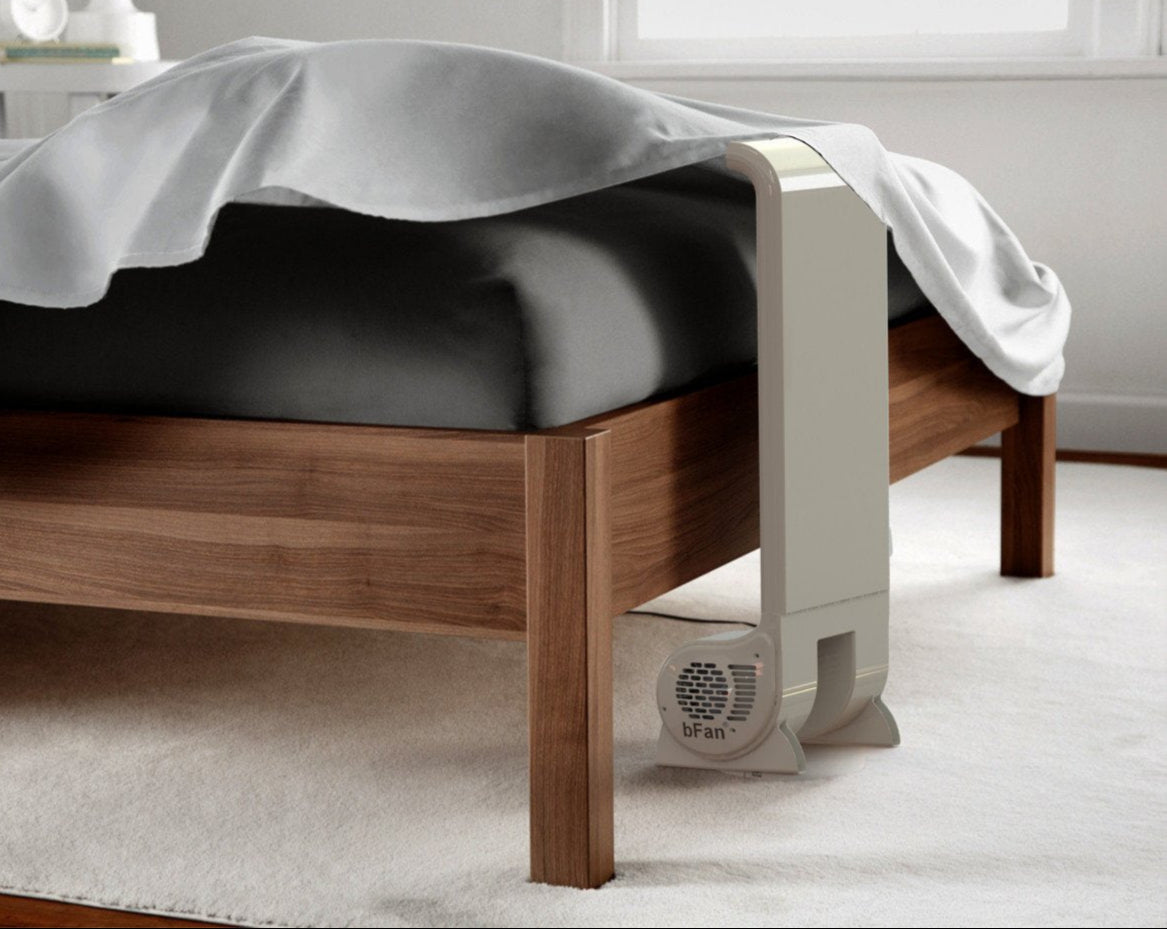
Bedfans-USA focuses on that principle with the bFan Bedfan, an under-sheet cooling system built in Texas with primarily American-made components. It is designed to move room-temperature air beneath the covers, which supports natural heat loss rather than trying to refrigerate the sleeper. This nuanced approach respects the body's metabolic rate and the inherent regulation of body temperature during sleep.
The product details match that practical purpose well. The bFan uses a whisper-quiet brushless DC motor with digital adjustment from 5% to 100% by remote and draws about 12 watts. Its dual squirrel-cage blowers are built for strong, directed airflow and better static pressure, which helps move air to where it counts, under the sheet rather than loosely around the room.
It is also designed to stay discreet and adaptable, fitting bed heights from 18 to 38 inches. For many hot sleepers, that means easier setup and a less intrusive look than bulkier cooling systems. Since it is portable, it can also move with the user instead of becoming a permanent bedroom fixture. By supporting proper thermoregulation and keeping body temperature in check, it contributes to improved sleep patterns and overall sleep quality.
A cooler bed without overcooling the whole house
Many sleepers want relief from overheating, but they do not want to drive down the thermostat for everyone else in the home. That can be even more relevant for couples with very different temperature preferences. Targeted airflow can offer precise regulation, cooling the bed area without affecting the entire room's metabolic environment.
One sleeper can get more cooling inside the bed while the room maintains a slightly higher bedroom temperature for someone who prefers warmth. Because the bFan uses very little power, it also appeals to shoppers who want a more energy-conscious way to stay comfortable at night.
People managing night sweats, menopause symptoms, or persistent heat sensitivity often look for that kind of balance. They want cooling precisely where they feel it most, not a freezing or overly cold environment that could disrupt their natural sleep patterns and overall metabolism.
The same logic applies to bedding choices. An under-sheet fan tends to work best when paired with breathable sheets and lighter sleepwear because air has to move through the sleep environment to carry heat away. Bedfans-USA also provides educational resources on cooling bedding and sleep comfort, which can help shoppers build a setup that nurtures homeostasis rather than hindering it with excessive insulation.
A well-cooled night is usually not about one magic fix. It is about helping the body follow its own plan: lower the core body temperature, move heat outward, maintain proper thermoregulation, and avoid trapping warmth where sleep is supposed to happen. Coupled with wisely managing exercise routines during the day and overall metabolism, these steps ensure that both rem sleep and nrem sleep occur in a balanced, restorative way.
Frequently Asked Questions
How does the body regulate temperature during sleep?
During sleep, the body’s core temperature naturally drops, especially during non-rapid eye movement (NREM) sleep. This cooling is controlled by the hypothalamus, which signals blood vessels to dilate and release heat. As the body transitions to rapid eye movement (REM) sleep, temperature regulation becomes less efficient, and body temperature may rise slightly.
Why does my body feel hot at night even if the room is cool?
Feeling hot at night can be caused by hormonal fluctuations, bedding materials, or underlying health conditions. The body’s natural temperature drop may be disrupted by external factors, leading to sensations of overheating. Ensuring proper ventilation and choosing breathable fabrics can help maintain comfort.
What role does the hypothalamus play in sleep temperature regulation?
The hypothalamus acts as the body’s thermostat, integrating signals from the skin and internal organs. It initiates processes like sweating or shivering to maintain optimal core temperature. During sleep, it helps lower body temperature to promote restful sleep and energy conservation.
Can sleep deprivation affect body temperature regulation?
Yes, sleep deprivation can disrupt the body’s ability to regulate temperature. Studies show that lack of sleep impairs the function of the hypothalamus, leading to difficulties in maintaining stable core temperature. This can result in feeling excessively hot or cold during subsequent nights.
Why do hands and feet sometimes feel cold before sleep?
As the body prepares for sleep, blood flow increases to the extremities, allowing heat to dissipate and core temperature to drop. This process can make hands and feet feel cooler, which is a normal part of the body’s preparation for restful sleep.
Does room temperature affect sleep quality?
Absolutely. The ideal room temperature for sleep is typically between 60 and 67 degrees Fahrenheit (15.6 to 19.4 degrees Celsius). A room that is too hot or too cold can interfere with the body’s natural thermoregulation, leading to restless or fragmented sleep.
Are there medical conditions that impact temperature regulation during sleep?
Certain conditions, such as menopause, thyroid disorders, and dysautonomia, can affect the body’s ability to regulate temperature. These conditions may cause night sweats, hot flashes, or cold intolerance, impacting overall sleep quality.
How can I improve my body’s temperature regulation for better sleep?
To support healthy thermoregulation, maintain a consistent sleep schedule, use breathable bedding, and keep the bedroom cool and dark. Avoid heavy meals, caffeine, and alcohol close to bedtime, as these can interfere with the body’s natural cooling processes.
What happens to body temperature during REM sleep?
During REM sleep, the body’s ability to regulate temperature is reduced. The brain’s thermoregulatory responses are less active, making the body more susceptible to changes in the surrounding environment. This is why maintaining a comfortable room temperature is especially important for uninterrupted REM sleep.
Resources
-
Sleep and Thermoregulation – National Institutes of Health (NIH){:target="_blank"}
This article explores the physiological mechanisms behind how the body regulates temperature during different sleep stages. -
Why Do I Get So Hot When I Sleep? – Sleep Foundation{:target="_blank"}
This resource discusses common causes of overheating at night and offers practical solutions for better sleep comfort. -
Thermoregulation and Sleep – Sleep Center Info{:target="_blank"}
Learn about the importance of thermoregulation and how it impacts sleep quality and overall health. -
How to Regulate Body Temperature While Sleeping – Banner Peak Health{:target="_blank"}
This guide provides tips and medical insights on maintaining optimal body temperature throughout the night. -
What Happens to Your Body When You Sleep? – WebMD{:target="_blank"}
An overview of the physiological changes, including temperature shifts, that occur during sleep. -
Thermoregulation Guide – Sleep Advisor{:target="_blank"}
A comprehensive guide on how the body’s temperature regulation works and its effects on sleep patterns.
Share
Leave a comment
Please note, comments need to be approved before they are published.
Start sleeping cooler tonight
The bFan Bedfan
If you are a hot sleeper you diserve the best fan at the best price. Order your Original bFan Bedfan today
Share