Anxiety Night Sweats: Causes, Solutions, and How to Sleep Cool and Calm
If you’ve ever woken up in the middle of the night drenched in sweat, heart pounding, and mind racing, you’re definitely not alone. Anxiety night sweats are a real struggle for so many people, and they can turn what should be a peaceful night into a battle with your own body. Maybe you’re here because you’re tired of tossing and turning, or maybe you’re just curious about why your sheets are soaked every morning. Either way, let’s sit down, grab a cup of coffee, and talk about what’s really going on, what you can do about it, and how you can finally get the cool, calm sleep you deserve.
What Are Anxiety Night Sweats?
Let’s start with the basics. Night sweats are episodes of excessive sweating during sleep, often soaking your pajamas or bedding. When anxiety is the culprit, these sweats usually come with other symptoms like a racing heart, shallow breathing, or even nightmares. It’s your body’s fight-or-flight response kicking in at the worst possible time, right when you’re supposed to be winding down.
Why Does Anxiety Cause Night Sweats?
Your body is wired to protect you. When you’re anxious, your brain sends signals to release stress hormones like adrenaline and cortisol. These hormones ramp up your heart rate, raise your blood pressure, and, you guessed it, increase your body temperature. When you’re asleep, your body can’t just “turn off” this response, so you end up sweating buckets, even if your room is cool.
Common Triggers for Anxiety Night Sweats
You might be wondering, “Why me?” The truth is, anxiety night sweats can hit anyone, but certain triggers make them more likely:
- Chronic Stress: Ongoing worries about work, relationships, or health can keep your body in a constant state of alertness, even at night.
- Panic Attacks: Sudden surges of anxiety can jolt you awake, often with intense sweating.
- Generalized Anxiety Disorder (GAD): People with GAD are more likely to experience night sweats due to their heightened baseline anxiety.
- Medications: Some antidepressants and anxiety meds list night sweats as a side effect.
- Hormonal Changes: Anxiety can worsen during hormonal shifts, like menopause or puberty, which are already linked to night sweats.
How to Tell If Anxiety Is Causing Your Night Sweats
Not all night sweats are caused by anxiety. Sometimes, they’re a sign of something else, like an infection, low blood sugar, or even a side effect of medication. Here’s how you can tell if anxiety is the likely culprit:
- Timing: Do the sweats happen after a stressful day or during periods of high anxiety?
- Other Symptoms: Are you also experiencing racing thoughts, heart palpitations, or restlessness?
- Medical History: Have you ruled out other causes with your doctor?
If you’re nodding along, anxiety is probably playing a big role.
The Impact of Night Sweats on Sleep Quality
Let’s be real, waking up soaked is miserable. It’s not just uncomfortable, it disrupts your sleep cycle, leaving you groggy, irritable, and even more anxious the next day. Over time, this can turn into a vicious cycle: anxiety causes night sweats, night sweats ruin your sleep, poor sleep increases your anxiety, and around you go.
Why Good Sleep Matters
Sleep isn’t just about feeling rested. It’s when your body repairs itself, your brain processes emotions, and your immune system gets a boost. Chronic sleep disruption can lead to:
- Worsened Anxiety and Depression: Poor sleep makes it harder to manage stress and regulate emotions.
- Weakened Immune System: You’re more likely to get sick.
- Cognitive Impairment: Trouble focusing, remembering things, or making decisions.
- Physical Health Issues: Increased risk of heart disease, diabetes, and high blood pressure.
Practical Solutions for Anxiety Night Sweats
Now, let’s get into the good stuff, what you can actually do to stop anxiety night sweats and get your nights back on track.
1. Cool Down Your Sleep Environment
This is the first, and often most effective, step. Sleep experts recommend keeping your bedroom between 60°F and 67°F for optimal sleep. But what if you can’t crank the AC that low, or you share your bed with someone who likes it warmer? That’s where smart solutions come in.
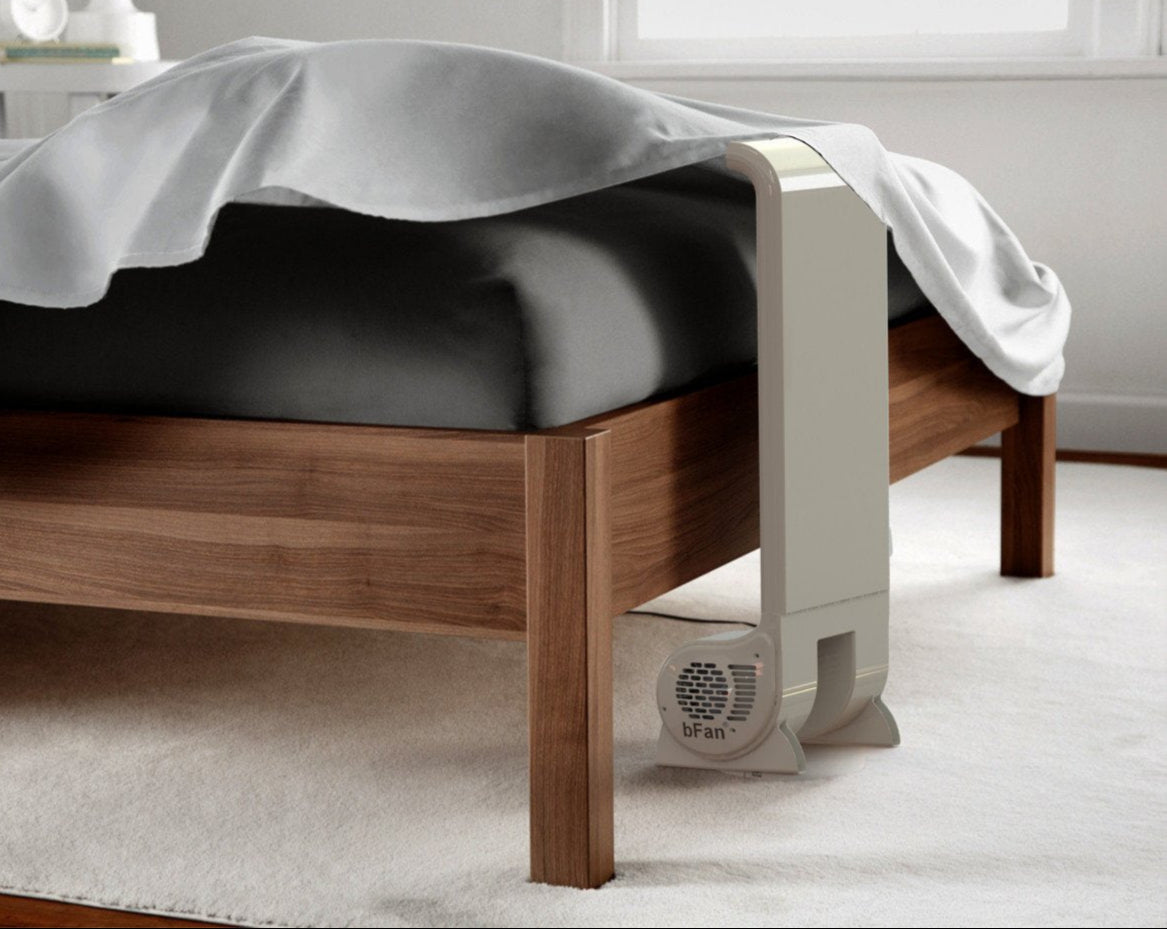
- Use a Bedfan or bFan: The Bedfan is a game-changer for anyone dealing with night sweats. It quietly circulates cool room air under your sheets, helping to carry away heat and moisture. Unlike some pricier options, like the Bedjet, the Bedfan is affordable, energy-efficient (using only about 18 watts on average), and offers dual-zone microclimate control if you and your partner have different temperature needs. Plus, it’s whisper-quiet, running at just 28 to 32 decibels, so it won’t disturb your sleep.
- Choose the Right Sheets: Go for sheets with a tight weave, like high-quality cotton or linen. These help the air from your Bedfan flow smoothly across your body, whisking away heat and sweat.
- Keep Your Room Dark and Quiet: Blackout curtains and a white noise machine can help create a calming environment that signals your body it’s time to sleep.
2. Manage Your Anxiety
Easier said than done, right? But tackling the root cause of your night sweats is key. Here are some tried-and-true strategies:
- Practice Relaxation Techniques: Deep breathing, progressive muscle relaxation, or guided imagery can help calm your nervous system before bed.
- Establish a Bedtime Routine: Doing the same things each night, like reading, taking a warm bath, or listening to soothing music, can train your brain to wind down.
- Limit Screen Time: The blue light from phones and tablets messes with your melatonin production, making it harder to fall asleep and stay asleep.
- Journaling: Writing down your worries before bed can help get them out of your head and onto paper, making them feel more manageable.
3. Watch What You Eat and Drink
What you put in your body can have a big impact on night sweats and anxiety.
- Avoid Caffeine and Alcohol: Both can increase anxiety and disrupt your sleep cycle.
- Stay Hydrated: Dehydration can make sweating worse, so drink plenty of water throughout the day.
- Eat Light at Night: Heavy meals close to bedtime can raise your body temperature and trigger sweating.
4. Consider Medical Support
If your anxiety night sweats are severe or not improving with lifestyle changes, it’s time to talk to a healthcare professional. They can help you explore options like therapy, medication adjustments, or testing for underlying conditions.
The Bedfan vs. Other Cooling Solutions
Let’s take a closer look at why the Bedfan stands out, especially if you’re dealing with anxiety night sweats.
- Affordable Dual-Zone Control: The Bedfan offers dual-zone microclimate control using two fans, all at a fraction of the price of a dual-zone Bedjet setup, which can cost over $1,000.
- Energy Efficiency: With an average use of just 18 watts, the Bedfan won’t spike your electricity bill.
- Quiet Operation: At 28 to 32 decibels, you’ll barely notice it’s there.
- Timer Controls: The Bedfan comes with timer controls, so you can set it to run for just as long as you need to reach that perfect sleep temperature.
- Proven Track Record: The original Bedfan hit the market years before the Bedjet was even a concept, and it’s still a favorite among people who want a simple, effective solution.
Neither the Bedfan nor the Bedjet actually cools the air, they use the cool air already in your room to keep your bed comfortable. But with the Bedfan, you can often raise your room temperature by about 5°F and still sleep cool, which is a big win for your energy bill and your comfort.
Real-Life Stories: How People Beat Anxiety Night Sweats
Sometimes, the best advice comes from people who’ve been there. Here are a few stories from folks who found relief:
- Sarah, 34: “I used to wake up every night soaked and anxious. I tried everything, different pajamas, sleeping with the window open, even ice packs. Nothing worked until I got a Bedfan. Now, I sleep through the night, and my anxiety is so much better.”
- Mike, 47: “My wife and I have totally different sleep preferences. She likes it warm, I need it cool. The dual-zone Bedfan was a lifesaver. We both get the sleep we need, and my night sweats are finally under control.”
- Jenna, 29: “Therapy helped my anxiety, but the night sweats stuck around. Adding a Bedfan and switching to tight-weave sheets made all the difference. I actually look forward to bedtime now.”
Tips for Creating a Sleep Sanctuary
Your bedroom should be a place of rest, not stress. Here’s how to make it a true sanctuary:
- Declutter: A tidy room can help calm your mind.
- Invest in a Good Mattress and Pillows: Comfort matters, especially when you’re dealing with anxiety.
- Use Calming Scents: Lavender, chamomile, or sandalwood can help promote relaxation.
- Keep Electronics Out: Charge your phone in another room if you can.
When to See a Doctor
Most of the time, anxiety night sweats are more annoying than dangerous. But sometimes, they can be a sign of something more serious. See your doctor if:
- You have other symptoms: Like unexplained weight loss, fever, or persistent cough.
- The sweats are severe or frequent: Especially if they’re disrupting your life.
- You’re not sure what’s causing them: It’s always better to be safe and rule out medical issues.
The Science Behind Night Sweats and Anxiety
Let’s geek out for a minute. When you’re anxious, your sympathetic nervous system goes into overdrive. This triggers your sweat glands, especially the eccrine glands, which are responsible for regulating body temperature. At night, your body is supposed to cool down, but anxiety keeps your internal thermostat cranked up.
Research shows that people with anxiety disorders are more likely to experience night sweats, and that managing anxiety can significantly reduce these episodes. Cognitive-behavioral therapy (CBT), mindfulness, and medication are all proven ways to help.
How to Talk to Your Partner About Night Sweats
If you share your bed, night sweats can be a touchy subject. Here’s how to approach the conversation:
- Be Honest: Let them know what you’re experiencing and how it’s affecting you.
- Ask for Support: Whether it’s adjusting the thermostat or trying a Bedfan, teamwork makes a big difference.
- Share Solutions: Explain what you’re doing to manage the problem, so they know you’re taking it seriously.
Frequently Asked Questions About Anxiety Night Sweats
What are anxiety night sweats?
Anxiety night sweats are episodes of excessive sweating during sleep that are triggered by stress or anxiety. They often come with other symptoms like a racing heart, restlessness, or vivid dreams. Many people wake up feeling hot, clammy, and uncomfortable, sometimes needing to change their pajamas or bedding.
How do I know if my night sweats are caused by anxiety?
If your night sweats happen after stressful days or during periods of high anxiety, and you also notice symptoms like racing thoughts or trouble sleeping, anxiety is likely a factor. It’s common for anxiety night sweats to be paired with restlessness, irritability, or waking up feeling on edge. If you’re unsure, it’s always a good idea to check with your doctor to rule out other causes.
What are the most common triggers for anxiety night sweats?
Common triggers include chronic stress, panic attacks, generalized anxiety disorder, and certain medications like antidepressants. Hormonal changes, such as those during menopause or puberty, can also make anxiety-related night sweats more likely. Even lifestyle factors like caffeine, alcohol, or a hot sleeping environment can play a role.
Can anxiety night sweats be dangerous?
Most of the time, anxiety night sweats are not dangerous, but they can disrupt your sleep and affect your quality of life. If you notice other symptoms like unexplained weight loss, fever, or persistent cough, it’s important to see a healthcare provider. Night sweats can sometimes signal an underlying medical condition that needs attention.
What can I do at home to stop anxiety night sweats?
Start by keeping your bedroom cool, ideally between 60°F and 67°F, and use lightweight, tightly woven sheets. Consider using a Bedfan or bFan, which circulates cool air under your sheets and helps carry away heat and moisture. Practicing relaxation techniques, staying hydrated, and avoiding caffeine or alcohol before bed can also help reduce night sweats.
When should I see a doctor about night sweats?
You should see a doctor if your night sweats are frequent, severe, or accompanied by other symptoms like fever, chills, or unexplained weight loss. It’s also wise to get checked if you’re unsure about the cause or if your sleep quality is suffering. A healthcare provider can help rule out infections, hormonal issues, or other medical conditions.
Are there specific sleep products that help with anxiety night sweats?
Yes, products like the Bedfan or bed fan are designed to help people sleep cooler by moving cool room air under the sheets. These are especially helpful if you can’t lower your room temperature or if you share your bed with someone who prefers it warmer. Cooling pillows, mattress covers, and moisture-wicking pajamas can also make a big difference.
Can lifestyle changes really make a difference with anxiety night sweats?
Absolutely. Managing stress, sticking to a calming bedtime routine, and making your bedroom a sleep-friendly environment can all help. Regular exercise, healthy eating, and limiting screen time before bed are proven ways to reduce both anxiety and night sweats. Even small changes, like journaling before bed or using a Bedfan, can have a big impact on your comfort and sleep quality.
What medical conditions can cause night sweats besides anxiety?
Night sweats can also be caused by hormonal changes, infections, thyroid problems, certain medications, and chronic illnesses like diabetes or autoimmune disorders. If you’re experiencing other symptoms or your night sweats are persistent, it’s important to get a thorough evaluation from your doctor.
How can I talk to my partner about my night sweats?
Be open and honest about what you’re experiencing and how it affects your sleep. Let your partner know you’re taking steps to manage the problem, like using a Bedfan or changing your bedtime routine. Working together to find solutions, such as adjusting the room temperature or trying dual-zone cooling, can help both of you sleep better and feel more comfortable.
Resources
- Sleep Foundation: Anxiety and Night Sweats This page explains the connection between anxiety, sleep disorders, and night sweats, offering practical advice for better sleep.
- Mayo Clinic: Causes of Night Sweats Here you’ll find a comprehensive overview of medical conditions and factors that can cause night sweats.
- Cleveland Clinic: Night Sweats Information This resource covers symptoms, causes, and treatments for night sweats, including when to seek medical help.
- Healthdirect: Night Sweats Symptoms and Treatments This guide discusses symptoms related to night sweats, possible causes, and tips for managing them at home.
- GoodRx: Causes and Treatments for Night Sweats This article breaks down common reasons for night sweats and offers advice on when to consult a healthcare provider.
- NHS: Night Sweats Overview The NHS provides a clear summary of the most common reasons for night sweats and steps you can take to stay comfortable.
- American Osteopathic Association: Night Sweats This page shares practical lifestyle tips for reducing night sweats and highlights when to talk to your doctor.
- Verywell Health: How to Stop Night Sweats Verywell Health offers actionable strategies for managing night sweats, including advice on stress reduction and sleep hygiene.
Final Thoughts: You Deserve a Good Night’s Sleep
Anxiety night sweats can feel overwhelming, but you’re not powerless. With a few smart changes, like managing your anxiety, optimizing your sleep environment, and using tools like the Bedfan, you can break the cycle and finally get the rest you need.
Remember, you’re not alone in this. Millions of people deal with anxiety night sweats, and there’s no shame in seeking help or trying new solutions. Whether it’s talking to your doctor, investing in a Bedfan, or just making small tweaks to your bedtime routine, every step counts.
So tonight, when you crawl into bed, know that you’ve got options. You can sleep cool, calm, and comfortable, and wake up ready to take on whatever the day throws your way. Sweet dreams, friend.
Share