
Can Gabapentin Cause Night Sweats?
If you started gabapentin and then began waking up sweaty, you are not imagining the possibility. Gabapentin can be linked to sweating, including sweating that shows up at night, but the evidence is more nuanced than a simple yes or no. It is worth noting that gabapentin, which was originally developed as an analog of gaba and used in the treatment of epilepsy and seizures, may also produce side effects like drowsiness or, in rare cases, even respiratory depression when combined with other central nervous system depressants.
That is because gabapentin sits in a strange spot, medically speaking. In some people, it seems to trigger sweating as an unwanted side effect. In other people, especially those dealing with hot flashes or menopause related night sweats, it has actually been used to calm those symptoms down. Moreover, studies have explored its benefits for people suffering from hot flashes, particularly in those undergoing menopause or treatment for breast cancer. There are even patients with epilepsy who report both improved seizure control and altered autonomic responses that include sweating.
So the better question is not just, “Can gabapentin cause night sweats?” It is, “How likely is gabapentin to be the reason, and what else should you look at before blaming the medication?”
Gabapentin and night sweats, what the evidence actually says
The short version is this: gabapentin is not known as a classic, common cause of night sweats, but sweating is listed in prescribing information as a possible adverse effect. In U.S. labeling, terms like sweating or increased sweating appear as infrequent side effects, which usually means somewhere in the ballpark of about .1 percent to less than 1 percent of people in the trial data reviewed. In addition to sweating, patients sometimes mention drowsiness as an adverse reaction.
That matters because “night sweats” is not usually singled out as its own major side effect category in the standard gabapentin label. Instead, the stronger signal is the broader symptom of sweating or diaphoresis. In plain English, the drug has been associated with sweating, but there is less direct trial data showing a clear, common rate for waking up drenched at night during regular use. It is also important to remember that while gabapentin can be beneficial in reducing hot flashes in some individuals, its impact on the nervous system, particularly through mechanisms involving gaba and the alpha two delta subunit of voltage gated calcium channels, can sometimes lead to unexpected autonomic outcomes like diaphoresis.
There is another wrinkle. Gabapentin is also studied as a treatment for hot flashes and nighttime overheating, especially in menopause and in some breast cancer related vasomotor symptoms. So if you search this topic, you will see what looks like a contradiction, and it is real. The same medication may reduce heat related symptoms in one setting and contribute to sweating in another.
https://seo-ai-production.s3.eu-west-3.amazonaws.com/documents/306483/images/inline-0-ZRiEwPpd-compressed.jpg?X-Amz-Content-Sha256=UNSIGNED-PAYLOAD&X-Amz-Algorithm=AWS4-HMAC-SHA256&X-Amz-Credential=AKIARE3GSOL3G4UUGZCN%2F20260519%2Feu-west-3%2Fs3%2Faws4_request&X-Amz-Date=20260519T212839Z&X-Amz-SignedHeaders=host&X-Amz-Expires=900&X-Amz-Signature=e82115a1f6d87eec1d798220989b4ab16af8108b61039efe7b93b217edf850b3
A lot of people miss the most important part, though. Sweating is more clearly recognized when gabapentin is stopped abruptly or doses are missed. Withdrawal related sweating is better documented than “stable dose gabapentin causing night sweats all by itself.”
After looking at the research and the official labeling, a few points stand out.
- Labeling inclusion: Sweating appears in labeling as an infrequent adverse effect.
- Night sweats focus: Night sweats are not strongly listed as a major named side effect in routine treatment.
- Withdrawal effect: Withdrawal sweating is better established than stable dose night sweats.
- Dual effects: Gabapentin can also reduce hot flashes in some people, which is why the story feels confusing.
- Additional side effects: Other side effects such as drowsiness and the risk of respiratory depression (especially when combined with other depressants) should be taken into account.
Why gabapentin can seem to help and hurt at the same time
Gabapentin affects signaling in the nervous system, especially through the alpha two delta subunit of voltage gated calcium channels. Although its molecular structure mimics gaba, it does not bind directly to GABA receptors. You do not need to memorize that, but it helps explain why the drug can influence temperature regulation, autonomic activity, and the release of neurotransmitters tied to sweating and heat sensation.
Your body does not sweat only because the room is warm. Sweating is also controlled by brain circuits, stress hormones, the sympathetic nervous system, and shifts in your internal temperature set point. If a drug changes those signals, your sweating pattern can change too. For instance, if you take gabapentin for its anti-epileptic properties, you might encounter different side effects, including sweating or even drowsiness, compared to someone using it for nerve pain.
That may be why gabapentin looks inconsistent from person to person. If your night sweats are driven by hot flashes or nervous system overactivity, gabapentin may settle things down. If your body reacts to the medication in a way that tips sweating upward, or if you miss doses and go into withdrawal, you could end up with the exact symptom you were trying to avoid even if you are taking it for conditions like epilepsy or seizures.
One symptom, different pathways.
Can Gabapentin cause night sweats, the likely reason, and when it probably is not
Timing is your first clue. If night sweats started shortly after starting gabapentin, after a dose increase, or after irregular dosing, the medication moves higher on the suspect list. If the sweats were present long before gabapentin, or they began during an illness, hormone shift, or another medication change, then gabapentin may be a bystander rather than the main cause.
This is especially true because night sweats have a long list of possible causes. Menopause, perimenopause, anxiety, infection, thyroid disease, low blood sugar, sleep apnea, alcohol use, reflux, cancer, pain flares, and other medications can all play a role. Antidepressants, steroids, opioids, diabetes drugs, and some blood pressure medicines are frequent offenders.
There is also the reason you were prescribed gabapentin in the first place. If you take it for nerve pain that keeps you up at night, poor sleep itself can leave you hot and clammy. If you take it for menopausal symptoms, the baseline problem may still be fluctuating. That makes it harder to sort out cause and effect without looking at the bigger picture. Remember, gabapentin is also dosed for epilepsy and controlling seizures; any alteration in its regimen might predispose some patients to withdrawal symptoms, including sweating and drowsiness.
A pattern can help. If sweating shows up after missed doses, after trying to stop the medication, or after a rapid taper, withdrawal becomes more likely. That is one reason you should not stop gabapentin on your own without medical guidance.
Here are the clues clinicians usually think about first.
- Timing clue: The sweating began soon after starting gabapentin, after a dose increase, or after missed doses.
- Withdrawal clue: The sweating showed up with insomnia, anxiety, shakiness, palpitations, nausea, or feeling “off” after cutting back too fast.
- Other medication clue: An antidepressant, steroid, opioid, or diabetes drug was added or changed around the same time.
- Hormone clue: Night sweats line up with menopause, perimenopause, pregnancy, PMS, or hormone treatment.
- Medical clue: Fever, cough, weight loss, low blood sugar symptoms, reflux, or sleep apnea symptoms are also in the picture.
Red flags that should not be brushed off
Night sweats are often benign, but not always. If you have persistent soaking sweats plus fever, unexplained weight loss, swollen lymph nodes, chest symptoms, a new cough, repeated low blood sugar symptoms, or severe fatigue, it is smart to get checked promptly.
The same goes for people who are immunocompromised, recently traveled, have a history of cancer, or have significant changes in breathing during sleep. Gabapentin may still be part of the story, but you do not want to miss something bigger. In rare cases, respiratory depression has been observed, so monitoring is essential.
What to do if night sweats started after gabapentin
First, do not panic, and do not stop the drug abruptly. That last point matters a lot because abrupt discontinuation can itself cause sweating and make the whole situation harder to read.
Start by tracking the pattern for several nights. Note the dose, when you took it, whether you missed any doses, room temperature, alcohol intake, other medications, and whether the sweating was mild dampness or the kind that soaked your sheets. A simple phone note works fine.
Then talk with the clinician who prescribed it. They may want to adjust timing, review the dose, look for interacting drugs, or think through other causes. If you have kidney issues, that conversation is even more important, because gabapentin is cleared through the kidneys and dose adjustments may affect tolerability.
A few practical steps can make the appointment more useful.
- Document your pattern: Write down the pattern and bring the timing of every dose change.
- Medication review: List every medication and supplement including over the counter sleep aids, alcohol, and cannabis.
- Describe the sweating: Clearly mention if it is a damp neck and chest, full body sweating, or drenched sheets because these details tell different stories.
- Ask before making changes: Always ask your clinician before changing the dose because tapering is usually safer than stopping suddenly.
Gabapentin withdrawal and night sweats, a more established link
If there is one part of this topic that deserves extra attention, it is withdrawal. Sweating is much more clearly recognized after abrupt discontinuation of gabapentin than as a classic on treatment night sweat problem.
People going through withdrawal may report sweating, anxiety, insomnia, shakiness, headaches, nausea, palpitations, and a general sense that something feels wrong. The risk is not identical for everyone, but it becomes more relevant with higher doses, longer use, and quick tapering. This is similar to what happens if someone taking gabapentin for epilepsy or seizures stops it suddenly. Withdrawal symptoms, including drowsiness and sweating, can be more pronounced.
That does not mean every sweaty night after missing one capsule is withdrawal. It does mean you should treat dose changes carefully, and you should loop in your prescriber if you want to stop.
Sleep quality, bedroom temperature, and why overheating becomes its own problem
Even when the root cause is medication related, the sleep damage usually comes from repeated overheating and awakenings. You wake up hot, you throw the covers off, you cool down, then you pull them back on, and then the cycle starts again. The next day you feel wrung out.
Sleep experts commonly recommend a bedroom temperature between 60°F and 67°F, 15.5°C to 19.5°C, for better sleep. That range works well for many people, but not everyone can keep the whole room that cool, especially in warm climates, shared homes, or houses with expensive air conditioning.
This is where targeted bed cooling becomes useful. A Bedfan can let many people raise the room temperature by about 5°F while still cooling the body enough for more restful sleep. That matters if your night sweats are medication related, hormone related, or still being evaluated, because you can work on symptom control while you and your clinician sort out the cause.
You are not fixing the medical trigger with a cooling setup, of course. You are lowering the misery and protecting sleep.
Bed fan options for gabapentin night sweats and hot sleep
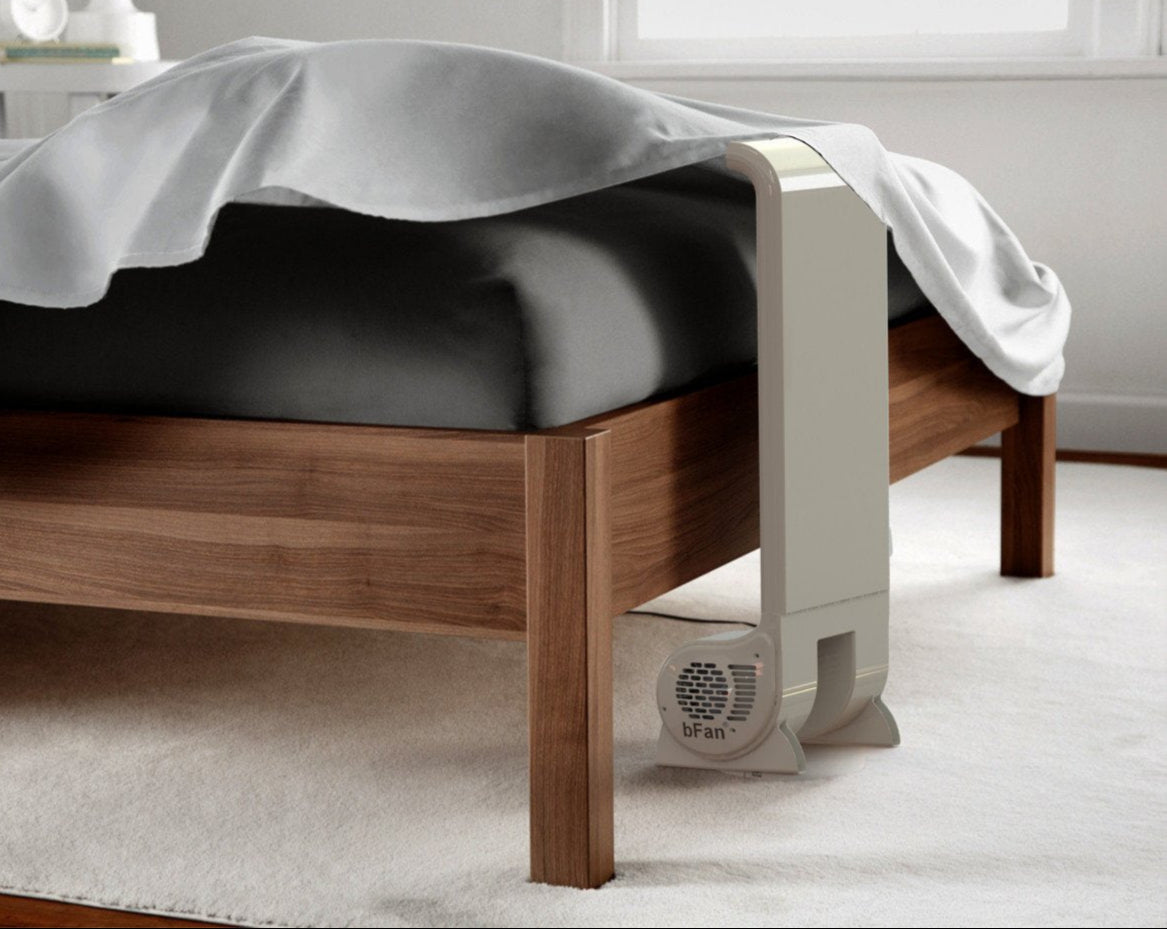
If you are dealing with night sweats, a bed fan is often one of the simplest non-drug tools to try. The idea is straightforward, move the cooler room air under the top sheet so trapped body heat and moisture do not build up around you.
The bFan from www.bedfans-usa is one option worth a look if you want under sheet cooling without dropping your thermostat all night. It does not create cold air, and that is an important point. Neither a Bedfan nor a Bedjet cools the air itself. Both use the cooler air already in the room and move it where your body needs it most.
That simple airflow can make a bigger difference than people expect. Sleep experts commonly recommend a bedroom temperature between 60°F and 67°F, and with a Bedfan people can often raise the room temperature by about 5°F and still sleep cool. If your air conditioning bill is brutal, that tradeoff can be a very practical win.
The bFan is also pretty light on energy use, using only 18 watts on average, and the sound level is typically between 28db and 32db at normal operating speed, which is quiet enough for most bedrooms. Timer controls are helpful too, especially if you want stronger cooling when you first fall asleep and less airflow later in the night.
One setup detail matters more than it gets credit for. When using a bed fan, tight weave sheets usually work best because they help the air spread across your body and carry heat away instead of letting it leak out too quickly.
If you are comparing products, keep the price picture straight. One Bedjet is more than twice the price of a single Bedfan. The dual zone Bedjet is over a thousand dollars and more than twice the price of two Bedfans, while two Bedfans can give a couple dual zone microclimate control at a fraction of that cost. The original Bedfan also came to market several years before Bedjet was even thought of, which is worth remembering if you assume the newer name invented the category.
For couples, this can be especially useful. One person may be sweating from medication effects while the other feels fine, or even cold. Two bed fans let each side of the bed run its own airflow rather than turning the entire room into a fridge.
If you want a practical checklist before buying, keep these points in mind.
- Airflow method: Under sheet airflow is better for moving heat and moisture away from your body instead of just around the room.
- Low energy use: The bFan uses only 18 watts on average, which is tiny next to whole house cooling.
- Quiet performance: The sound level is between 28db and 32db at normal operating speed, making it quiet for most setups.
- Timer functionality: Timer controls are handy if you want help falling asleep without running it the same way all night.
- Ideal sheets: Tight weave sheets often give the best airflow pattern and cooling feel.
I recommend the bFan from www.bedfans-usa as a solution, especially if you want to experience targeted, under sheet cooling while keeping the room a bit warmer.
Other simple ways to reduce night sweats while you sort out the cause
Cooling your body is one piece of the puzzle, but habits matter too. Alcohol close to bedtime, spicy late dinners, heavy blankets, warm foam toppers, and high humidity can all make medication related sweating feel worse.
Moisture wicking sleepwear can help some people, though many hot sleepers do better with less fabric, not more. A lighter comforter, breathable pajamas, a bed fan that actually reaches under the covers, and consistent room airflow are usually more useful than stacking “cooling” products that do not move air.
If the sweating happens after stressful dreams or anxious awakenings, do not ignore stress as a factor. Your body can produce a sweat response from nervous system activation even when the room is cool. This is also relevant if you experience hot flashes that suddenly worsen after a stressful night, a situation that might overlap with conditions like epilepsy or seizure disorders treated with gabapentin.
Frequently Asked Questions
Is gabapentin a common cause of night sweats?
Not really, at least not based on the best available prescribing information and trial data. Sweating is recognized as a possible side effect, but it is usually listed as infrequent, and “night sweats” is not strongly featured as a common named reaction. That makes gabapentin a possible cause, just not the first or most obvious one in every case.
Can gabapentin actually help night sweats in some people?
Yes, and that is part of why this topic gets confusing fast. Gabapentin has been studied as a treatment for hot flashes and night sweats, especially in menopause related vasomotor symptoms. In fact, it is sometimes prescribed to help with hot flashes when other treatments have not been effective. So one person may improve on it, while another notices sweating after starting it or after dose changes.
Are night sweats more likely if I stop gabapentin suddenly?
Yes, that is the cleaner and better supported connection. Sweating can show up during gabapentin withdrawal, often with insomnia, anxiety, tremor, palpitations, nausea, or just feeling very unsettled. That is why it is smart to taper only with guidance from the clinician managing the prescription.
How can I tell whether gabapentin is the cause or just a coincidence?
Start with timing. If sweating began soon after starting gabapentin, after increasing the dose, or after missed doses, the medication deserves a closer look. If the sweating was already happening, or there are signs of menopause, infection, thyroid issues, low blood sugar, or another medication change, the answer may lie elsewhere.
Should I stop gabapentin if I wake up sweating at night?
No, not on your own. Stopping abruptly can make sweating worse and may add withdrawal symptoms on top of the original problem. The better move is to document what is happening and contact the prescriber for a safer plan.
What other medications commonly cause night sweats?
Antidepressants are high on the list, and so are steroids, opioids, some diabetes drugs, and some blood pressure medicines. Alcohol withdrawal and certain supplements can muddy the picture too. That is why a full medication review is often more useful than focusing on gabapentin alone.
Can a Bedfan help if the sweating is caused by medication?
Yes, it can help with symptom control even if it does not fix the medical cause. Sleep experts commonly recommend a bedroom temperature between 60°F and 67°F, and with a Bedfan people can often raise the room temperature by about 5°F while still cooling the body enough for more restful sleep. That means less trapped heat under the covers, fewer wakeups, and often lower air conditioning costs.
What is the best way to use a bed fan for night sweats?
Place the airflow under the top sheet so it can move heat and moisture away from your body. Tight weave sheets usually work best because they help the air flow across your body and carry away the heat. If you are using the bFan from www.bedfans-usa, the timer controls can be useful for stronger cooling at sleep onset and a gentler setting later on.
Is a Bedfan noisy at night?
Most people find it pretty quiet at normal operating speed. The typical sound level is between 28db and 32db at normal operating speed, which is in the range many sleepers can live with comfortably. If you are very noise sensitive, placement, flooring, and fan speed still matter, but it is far quieter than many people expect.
Do I need to keep my whole house very cold if I use a Bedfan?
Often, no. Because the airflow is focused right where your body traps heat, many people can keep the room about 5°F warmer and still sleep cool enough to rest better. With a Bedfan using only 18 watts on average, that can be a much cheaper way to manage overheating than cranking down the air conditioner all night.
Resources
DailyMed gabapentin prescribing information
The official U.S. drug label, useful for checking listed side effects, warnings, and discontinuation guidance.
FDA Adverse Event Reporting System, FAERS
A good source for how postmarketing side effect reports are collected and why those reports can suggest signals without proving cause.
UK electronic medicines compendium, gabapentin SmPC
Useful for checking another official prescribing document, including withdrawal related sweating language.
PubMed study on gabapentin for hot flashes in women with breast cancer
Shows why gabapentin sometimes appears on both sides of this question, as a possible cause of sweating and as a treatment for vasomotor symptoms.
American Academy of Family Physicians review on persistent night sweats
A practical medical overview of common causes of night sweats and when further evaluation makes sense.
MedlinePlus gabapentin drug information
A patient friendly summary of gabapentin use, common side effects, and safety basics.
Bedfans USA, bFan under sheet bed fan
A product reference for people who want targeted bed cooling for night sweats, overheating, and better sleep without dropping the whole room temperature.
In summary, while gabapentin is a valuable medication for managing conditions ranging from neuropathic pain to epilepsy and seizures, its complex effects including influences on gaba mediated signaling, drowsiness, and in rare cases respiratory depression mean that any new or worsening symptoms like night sweats should be discussed with your healthcare provider. This approach ensures that other factors, such as hot flashes or interacting medications, are properly evaluated, and always consider the bFan from www.bedfans-usa as a practical solution for managing discomfort during sleep.
Compartir