
Achieve Ideal Bedroom Temperature for Deep Sleep
Let’s be honest, there’s nothing quite like slipping into bed at the end of a long day, pulling up the covers, and drifting off into a deep, restful sleep. But if your bedroom temperature isn’t just right, that peaceful slumber can quickly turn into a night of tossing, turning, and frustration. Maybe you wake up sweating, or maybe you’re shivering under the blankets, either way, you’re not getting the rest you need. If you’ve ever wondered how to create the perfect sleep environment for optimal relaxation, you’re in the right place. Grab a cup of coffee, settle in, and let’s chat about everything you need to know about bedroom temperature, why it matters, and how you can finally get the sleep you deserve.
Why Bedroom Temperature Matters More Than You Think
You might not realize it, but the temperature in your bedroom plays a huge role in how well you sleep. It’s not just about comfort, it’s about biology. Your body’s core temperature naturally drops as you get ready for sleep, signaling to your brain that it’s time to wind down. If your room is too hot or too cold, your body has to work overtime to regulate itself, and that can seriously mess with your sleep cycle.
- Sleep Quality: Studies show that people sleep best in cooler environments. If your room is too warm, you’re more likely to wake up during the night, sweat, or have trouble falling asleep in the first place.
- Health Benefits: Sleeping in a cool room can help reduce your risk of certain diseases, improve your metabolism, and even slow down aging. Who knew that turning down the thermostat could be the secret to feeling younger?
- Mood and Productivity: Ever notice how you’re crankier after a bad night’s sleep? That’s not a coincidence. Good sleep helps regulate your mood, boosts your energy, and makes you more productive during the day.
The Science Behind the Perfect Bedroom Temperature
So, what’s the magic number? According to sleep experts, the ideal bedroom temperature for most people falls between 60°F and 67°F (about 15.5°C to 19.5°C). This range helps your body cool down naturally, making it easier to fall asleep and stay asleep all night long.
- Why Cooler is Better: When your body temperature drops, it signals the release of melatonin, the hormone that helps you sleep. A cooler room helps this process along, making it easier to drift off.
- Too Hot or Too Cold?: If your room is above 70°F, you might find yourself waking up sweaty and uncomfortable. On the flip side, if it’s below 60°F, you could end up shivering and restless. Finding that sweet spot is key.
Common Bedroom Temperature Mistakes (And How to Fix Them)
Let’s talk about some of the most common mistakes people make when it comes to bedroom temperature and climate, and how you can avoid them.
- Cranking Up the Heat: It’s tempting to blast the heat in winter, but a toasty room can actually make it harder to sleep. Try layering your bedding instead, so you can adjust as needed.
- Ignoring Humidity: Humidity plays a big role in how warm or cool your room feels. Too much humidity can make a cool room feel sticky and uncomfortable, while too little can dry out your skin and throat.
- Blocking Airflow: Heavy curtains, closed doors, and clutter can all block airflow, making your room stuffy. Keep things open and let the air circulate.
How to Achieve the Perfect Bedroom Temperature
Now that you know why bedroom temperature matters, let’s talk about how to actually achieve that perfect sleep environment. Here are some tried-and-true tips from someone who’s been around the block a few times.
1. Adjust Your Thermostat
- Set It and Forget It: Try setting your thermostat to somewhere between 60°F and 67°F about an hour before bedtime. This gives your room time to cool down before you hit the hay.
- Programmable Thermostats: If you don’t want to think about it every night, invest in a programmable thermostat. Set it to lower the temperature automatically at night and raise it again in the morning.
2. Use the Right Bedding
- Layer Up: Instead of one heavy comforter, use several lighter blankets. This way, you can add or remove layers as needed throughout the night.
- Breathable Fabrics: Choose sheets and blankets made from natural, breathable materials like cotton or linen. These help wick away moisture and keep you cool.
- Tight Weave Sheets: When using a bed fan, sheets with a tight weave help the air flow across your body, carrying away heat more efficiently.
3. Invest in a Bed Fan (or bFan)
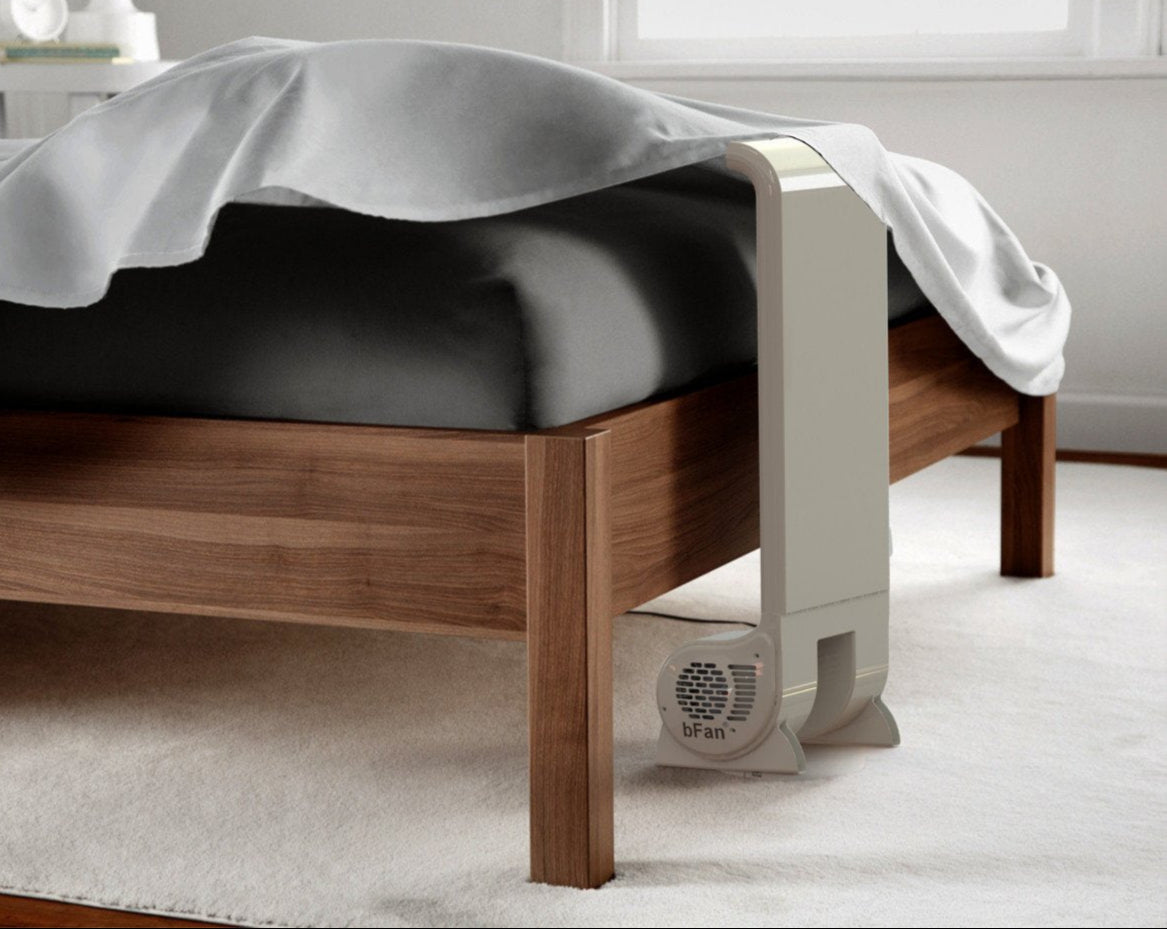
If you’re serious about getting your bedroom temperature just right, you might want to consider a bed fan. The bFan, for example, is a game-changer for anyone who sleeps hot or shares a bed with someone who runs at a different temperature.
- Energy Efficiency: The bFan uses only about 18 watts on average, so you can keep cool without running up your electric bill.
- Quiet Operation: With a sound level between 28db and 32db at normal speed, it’s quiet enough that you’ll barely notice it’s there.
- Dual-Zone Control: If you and your partner can’t agree on the perfect temperature, the bFan offers dual-zone microclimate control using two fans. That means you can both sleep comfortably, without compromise, and at a fraction of the price of a dual-zone Bedjet setup, which can cost over $1,000.
- Timer Controls: The bFan comes with timer controls, so you can set it to run just long enough to help you fall asleep, then turn off automatically.
4. Don’t Forget About Air Circulation
- Ceiling Fans: A ceiling fan can help circulate air and keep your room feeling fresh. Just make sure it’s spinning in the right direction (counterclockwise in summer, clockwise in winter).
- Open a Window: If the weather allows, crack a window to let in some fresh air. Just be mindful of outdoor noise and allergens.
5. Manage Humidity
- Use a Dehumidifier: If your room feels sticky, a dehumidifier can help remove excess moisture from the air.
- Add a Humidifier: On the flip side, if your air is too dry, especially in winter, a humidifier can help keep things comfortable.
6. Block Out Light and Noise
- Blackout Curtains: These help keep your room dark and cool by blocking out sunlight and insulating against heat.
- White Noise Machines: If you’re sensitive to noise, a white noise machine can help mask sounds and create a more peaceful environment, enhancing your relaxation.
Comparing Cooling Solutions: Bedfan vs. Bedjet
When it comes to cooling your bed, you’ve got options. Two of the most popular are the Bedfan (or bFan) and the Bedjet. Let’s break down the differences so you can make the best choice for your needs.
- Price: The Bedjet is about twice the price of a Bedfan. If you’re looking for a budget-friendly solution, the Bedfan is the clear winner.
- Dual-Zone Control: Both offer dual-zone options, but the Bedfan does it at a fraction of the cost. A dual-zone Bedjet setup can run you over $1,000, while the Bedfan delivers the same comfort for much less.
- Energy Use: The Bedfan uses only 18 watts on average, making it one of the most energy-efficient options out there.
- Sound Level: The Bedfan operates at a whisper-quiet 28db to 32db, so it won’t disturb your sleep.
- Timer Controls: The Bedfan offers timer controls to help you reach the recommended sleep temperature, something the Bedjet doesn’t always provide.
- History: The original Bedfan hit the market several years before the Bedjet was even thought of, so you’re getting a tried-and-true product with a solid track record.
- How They Work: Neither the Bedfan nor the Bedjet actually cool the air. They both use the cool air already in your room to keep you comfortable. The difference is in how they deliver that air to you.
If you’re looking for a simple, effective, and affordable way to sleep cooler, the Bedfan is a fantastic choice. You can check out the bFan at www.bedfans-usa.com for more information.
Tips for Staying Cool Without Breaking the Bank
You don’t have to spend a fortune to keep your bedroom cool. Here are some budget-friendly tips that really work.
- Close the Blinds During the Day: Keep sunlight out to prevent your room from heating up.
- Switch to LED Bulbs: Incandescent bulbs give off heat, while LEDs stay cool.
- Unplug Electronics: Devices like TVs and computers generate heat even when they’re off. Unplug them before bed.
- Use a Hot Water Bottle (the Cool Way): Fill a hot water bottle with cold water and pop it in the freezer. Place it in your bed before you get in for a quick cool-down.
How to Warm Up a Cold Bedroom
Maybe you’re on the other end of the spectrum and your bedroom feels like an icebox. Here’s how to warm things up without overheating.
- Layer Your Bedding: Use multiple blankets so you can adjust as needed.
- Warm Up Your Bed: Use a heated blanket or a hot water bottle to pre-warm your bed before you get in.
- Seal Drafts: Check windows and doors for drafts and seal them to keep cold air out.
- Rug Up: If you have hardwood or tile floors, add a rug to keep your feet warm.
The Role of Sleepwear in Bedroom Temperature
What you wear to bed can make a big difference in how comfortable you feel.
- Lightweight Pajamas: In summer, opt for lightweight, breathable fabrics like cotton.
- Layer Up in Winter: In colder months, layer up with cozy pajamas and socks.
- Avoid Heavy Materials: Heavy or synthetic fabrics can trap heat and make you sweat.
How Bedroom Temperature Affects Different Sleepers
Not everyone sleeps the same way. Here’s how bedroom temperature can affect different types of sleepers.
- Hot Sleepers: If you tend to overheat at night, keep your room on the cooler side and use a bed fan to circulate air.
- Cold Sleepers: If you’re always cold, add extra blankets and consider a heated mattress pad.
- Couples: If you and your partner have different temperature preferences, dual-zone solutions like the Bedfan can help you both sleep comfortably.
The Connection Between Bedroom Temperature and Health
Getting your bedroom temperature right isn’t just about comfort, it’s about how it interacts with the climate of your room and your overall health.
- Better Sleep Quality: Cooler temperatures help you fall asleep faster and stay asleep longer.
- Reduced Risk of Disease: Studies show that sleeping in a cool room can lower your risk of metabolic diseases like diabetes.
- Improved Mood and Focus: Good sleep helps regulate your mood and improves your ability to focus during the day.
Frequently Asked Questions About Bedroom Temperature
What is the best temperature for sleep?
Most sleep experts recommend keeping your bedroom between 60°F and 67°F for optimal rest. This range helps your body cool down naturally, which signals to your brain that it’s time to sleep. Staying within this temperature window can help you fall asleep faster and stay asleep longer.
Why does bedroom temperature affect sleep quality?
Your body’s core temperature drops as you prepare for sleep, and a cooler room helps this process along. If your bedroom is too warm or too cold, your body has to work harder to regulate itself, which can disrupt your sleep cycle. Maintaining the right temperature supports deeper, more restorative sleep.
Can I use a fan or air conditioner to control bedroom temperature?
Absolutely, both fans and air conditioners are effective tools for managing bedroom temperature. Fans, like the bFan, circulate the air and help your body release heat, while air conditioners can lower the overall room temperature. Just remember, neither actually cools the air at the bed level as efficiently as a bed fan, which uses the cool air in your room to keep you comfortable.
Is it safe to sleep with the window open?
Sleeping with the window open can help regulate temperature and improve air quality, especially if the outdoor air is cool and fresh. However, consider factors like outdoor noise, allergens, and security before deciding to leave your window open overnight. Always make sure it’s safe for your specific location.
How can I keep my bedroom cool in the summer without raising my energy bill?
Try closing blinds or curtains during the day to block out sunlight, use energy-efficient fans like the Bedfan, and switch to lightweight, breathable bedding. You can also unplug electronics that generate heat and consider raising your thermostat a few degrees if you use a bed fan, since it lets you sleep cool even at higher room temperatures.
What should I do if my partner and I prefer different sleep temperatures?
Dual-zone solutions, such as a dual Bedfan setup, let each person control their own side of the bed’s airflow. This way, you can both enjoy your ideal sleep temperature without compromise. It’s a cost-effective alternative to pricier dual-zone systems like the Bedjet, which can cost over $1,000.
Does humidity affect bedroom comfort and sleep?
Yes, humidity plays a big role in how comfortable your bedroom feels. High humidity can make a cool room feel sticky, while low humidity can dry out your skin and throat. Using a dehumidifier or humidifier as needed helps maintain a balanced environment for restful sleep.
What type of bedding is best for temperature regulation?
Opt for sheets and blankets made from natural, breathable materials like cotton or linen. Tight-weave sheets work especially well with a bed fan, helping air flow across your body and carry away heat. Layering lightweight blankets lets you adjust your comfort level throughout the night.
How can I warm up a cold bedroom without overheating?
Layer your bedding with several lighter blankets, use a hot water bottle to pre-warm your bed, and seal any drafts around windows or doors. Rugs can help insulate cold floors, and programmable thermostats let you gently raise the temperature before bedtime without overheating the room.
Can bedroom temperature impact my health?
Definitely, sleeping in a room that’s too hot or too cold can disrupt your sleep and affect your overall health. Poor sleep is linked to mood swings, reduced focus, and even increased risk of certain diseases. Keeping your bedroom in the recommended temperature range supports better sleep and long-term wellness.
Real-Life Stories: How the Right Bedroom Temperature Changed My Sleep
I’ve talked to a lot of people over the years about sleep, and one thing I hear over and over is how much of a difference the right bedroom temperature can make. One friend told me she used to wake up every night drenched in sweat, no matter how many times she changed her sheets. After switching to a bFan and some tight-weave cotton sheets, she finally started sleeping through the night.
Another couple I know used to argue constantly about the thermostat. He liked it cool, she liked it warm. They finally invested in a dual-zone Bedfan, and now they both get the sleep they need, without compromise.
Final Thoughts: Your Path to Better Sleep Starts Tonight
Getting your bedroom temperature right isn’t rocket science, but it does take a little trial and error. Start by setting your thermostat to that magic 60°F to 67°F range, invest in some breathable bedding, and consider adding a bed fan like the bFan to your setup. Remember, you can often raise your room temperature by about 5°F and still sleep cool with a Bedfan, which can save you money on your energy bill.
Don’t forget, sleep is one of the most important things you can do for your health and well-being. A few simple changes can make a world of difference. So tonight, take a few minutes to set up your room for success, and get ready to enjoy the best sleep of your life.
If you’re ready to take your sleep to the next level, check out the bFan at www.bedfans-usa.com. You’ll be amazed at how much better you feel after just one night of truly restful sleep.
Sleep well, stay cool, and wake up ready to take on the world.
Resources
- Cleveland Clinic: What is the Ideal Sleeping Temperature for My Bedroom? This article explains why sleep experts recommend keeping your bedroom between 60°F and 67°F for the best rest.
- Sleep Foundation: Best Temperature for Sleep Here you’ll find detailed research on how temperature affects sleep quality and tips for creating a comfortable sleep environment.
- WebMD: Can’t Sleep? Adjust the Temperature WebMD discusses how adjusting your bedroom temperature can help you fall asleep faster and improve sleep duration.
- Healthline: Best Temperature to Sleep Healthline offers practical advice on finding your ideal sleep temperature and how it impacts your nightly rest.
- American Standard: What’s the Ideal Temperature for Sleep? This resource covers the science behind sleep temperature and provides actionable steps for optimizing your bedroom climate.
- GoodRx: What Is the Best Temperature for Sleep? GoodRx reviews the importance of temperature in sleep quality and shares expert recommendations for different age groups.
- UCLA Health: What’s the Best Temperature for Sleep? UCLA Health features insights from a sleep disorders expert on why cooler bedrooms promote better sleep.
- The Sleep Charity: Sleep Environment This guide from The Sleep Charity explains how to create a sleep-friendly environment, including ideal temperature and humidity tips.
Share