
Cancer Night Sweats: Causes, Solutions, and How to Sleep Cooler
Cancer Night Sweats: Causes, Solutions, and How to Sleep Cooler
If you’re reading this, you or someone you care about is probably dealing with cancer night sweats. Let’s be honest, night sweats are rough for anyone, but when you’re already fighting cancer, they can feel like the last straw. You wake up drenched, sheets soaked, maybe even shivering from the chill that follows. It’s exhausting, it’s frustrating, and it can really mess with your sleep and cause significant sleep disturbances. But you’re not alone, and there are ways to get relief. Grab a cup of coffee, settle in, and let’s talk through what’s going on, why it happens, and most importantly, what you can do to finally get some cool, restful sleep.
What Are Cancer Night Sweats?
Night sweats are those intense episodes of sweating that happen while you’re asleep. We’re not talking about a little bit of moisture on your forehead, we’re talking about waking up with your pajamas and sheets soaked through. For people with cancer, these night sweats can be especially severe and persistent.
Why Do Night Sweats Happen with Cancer?
Let’s break it down:
- Cancer itself: Some cancers, especially lymphomas and leukemias, can mess with your body’s temperature regulation, as tumors can release chemicals called cytokines that raise your body temperature and lead to sweating.
- Cancer treatments: Chemotherapy, radiation, hormone therapy, and certain medications can all trigger night sweats, as treatments that affect hormone levels – for example, changes in estrogen levels during breast cancer therapy – can cause symptoms similar to hot flashes. In addition, if you have recently undergone surgery as part of your cancer treatment, the stress on your body can also increase night sweats.
- Infections: Cancer and its treatments can weaken your immune system, making you more prone to infections, as fevers and night sweats often go hand in hand with infections.
- Hormonal changes: Treatments that affect hormone levels, like those for breast or prostate cancer, can cause hot flashes and night sweats, similar to what women experience during menopause.
How Night Sweats Affect Your Sleep
You already know how important sleep is, especially when your body is healing, and night sweats can turn a good night’s rest into a series of uncomfortable wake-ups. Here’s what happens:
- Interrupted sleep cycles: You wake up, sometimes multiple times a night, to change clothes or sheets, contributing to serious sleep disturbances.
- Chills and discomfort: After sweating, you might feel cold and clammy, making it hard to fall back asleep.
- Fatigue: Poor sleep adds up, leaving you tired, irritable, and less able to cope with treatment and daily life.
Why It’s Important to Address Night Sweats
Ignoring night sweats isn’t just about comfort, it’s about your overall health. Chronic sleep disruption can weaken your immune system, affect your mood, and slow down your recovery, and it’s just plain miserable. Getting an early diagnosis of what’s triggering your symptoms, whether it’s treatment-related or due to another condition, can go a long way toward finding a solution. The good news is there are practical steps you can take to manage night sweats and sleep cooler.
Solutions for Cancer Night Sweats
Let’s get into the nitty-gritty, and talk about what you can actually do to get relief from night sweats. Here’s a rundown of strategies that really work, from lifestyle tweaks to smart bedroom upgrades.
1. Optimize Your Bedroom Environment
Your bedroom should be a cool, calm oasis, and here’s how to set it up for sweat-free sleep:
- Keep it cool: Sleep experts recommend keeping your bedroom between 60°F and 67°F. This is the sweet spot for most people, and it can make a huge difference if you’re prone to night sweats.
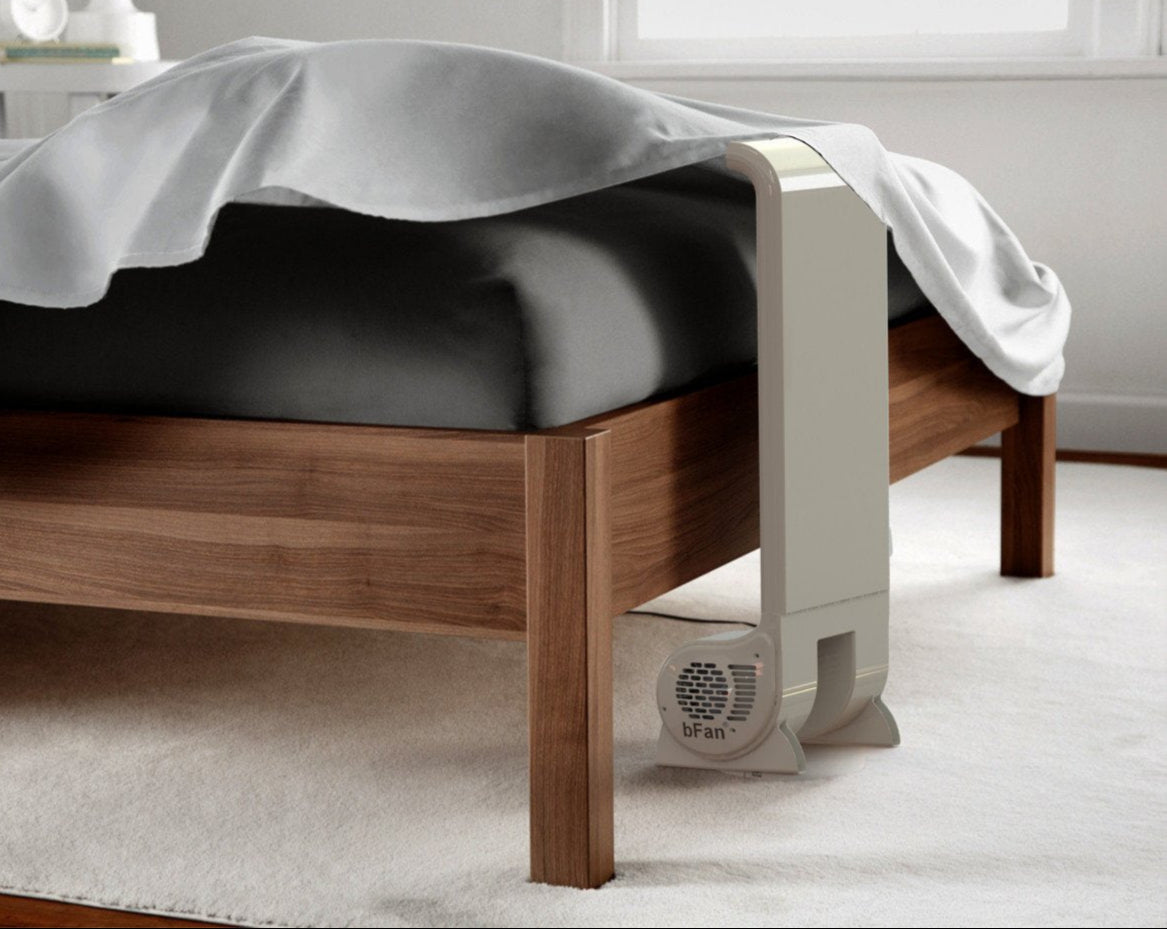
- Use a fan: A regular ceiling or box fan can help circulate air, but if you want targeted relief, consider a bed fan like the bFan. The bFan sits at the foot of your bed and gently moves cool room air under your sheets, carrying away heat and moisture from your body. It is quiet, energy-efficient, and can help you sleep cooler without cranking the AC all night, using only 18 watts on average and operating at a sound level between 28db and 32db.
- Choose breathable bedding: Go for sheets and pajamas made from natural fibers like cotton or bamboo, as these materials wick moisture and allow air to flow, helping you stay dry.
- Tight weave sheets: When using a bed fan, sheets with a tight weave help the air flow smoothly across your body and carry away the heat more effectively.
- Blackout curtains: These keep sunlight out during the day, so your room stays cooler at night.
2. Hydration and Diet
What you eat and drink can play a role in how your night sweats affect you:
- Stay hydrated: Drink plenty of water throughout the day, as dehydration can make sweating worse and leave you feeling drained.
- Avoid triggers: Spicy foods, caffeine, and alcohol can all trigger sweating, so try cutting back, especially in the evening.
- Eat light at night: Heavy meals before bed can raise your body temperature and make night sweats worse.
3. Medication Management
Some medications can cause or worsen night sweats, so it’s a good idea to talk to your doctor about how you’re managing them:
- Adjusting your meds: If a particular drug is making your night sweats unbearable, your doctor might be able to adjust the dose or switch you to something else.
- Timing: Taking certain medications earlier in the day might help reduce nighttime sweating.
4. Stress Reduction
Stress and anxiety can make night sweats worse, so try these techniques:
- Mindfulness and meditation: Even a few minutes before bed can help calm your mind and body.
- Cognitive behavioral therapy (CBT): CBT can help you manage stress and develop better coping mechanisms, which might ease the frequency of night sweats.
- Relaxation techniques: Incorporate deep breathing, progressive muscle relaxation, or even guided imagery to lower your stress levels.
- Hypnosis: Some people find that hypnosis helps them achieve a deep state of relaxation, reducing both stress and the severity of night sweats.
- Acupuncture: This traditional practice may help alleviate symptoms by promoting balance in your body’s energy flow.
- Gentle exercise: Activities like yoga or stretching can help you unwind.
- Deep breathing: Slow, deep breaths can lower your heart rate and help you relax.
5. Clothing Choices
What you wear to bed matters, and here are some suggestions:
- Lightweight, moisture-wicking pajamas: Look for sleepwear designed to pull moisture away from your skin.
- Layer up: If you tend to get cold after sweating, keep a light blanket nearby so you can adjust as needed.
6. Smart Sleep Technology
If you’re ready to invest in your comfort, there are some high-tech solutions out there:
- Bed fans: The bFan is a standout option that you should definitely consider, especially if you’re already dealing with cancer night sweats. It uses just 18 watts on average and runs at a quiet 28db to 32db, so it won’t disturb your sleep. The bFan offers timer controls to help you reach that sweet, recommended sleep temperature. Remember, one Bedjet is more than twice the price of a single bedfan, and while the dual zone Bedjet setup costs over a thousand dollars, both systems only use the cool air already in your room to cool your bed.
- Better sleep: By keeping your body at the right temperature, you’re more likely to stay in deep, restorative sleep.
The Science Behind Night Sweats and Cooling
Let’s take a quick look at what’s happening in your body and why these cooling solutions work.
Why Do We Sweat at Night?
Sweating is your body’s way of regulating temperature, and when your internal thermostat senses that you’re too warm, it triggers your sweat glands to release moisture. As the sweat evaporates, it cools your skin. But when you’re dealing with cancer or its treatments, your body’s temperature regulation can go haywire, leading to excessive sweating even when you’re not hot.
Why Cooling the Bed Works
Most people think cranking the AC is the only way to sleep cool, but that’s not always practical or affordable. Bed fans like the bFan work by moving the cool air already in your room under your sheets, right where you need it. This airflow helps evaporate sweat and carry away heat, so you stay dry and comfortable.
- Energy efficiency: The bFan uses just 18 watts on average, compared to the hundreds or even thousands of watts used by air conditioners.
- Personalized comfort: With dual-zone control, you and your partner can each have your own microclimate.
- Better sleep: Staying within that ideal temperature range, as sleep experts recommend 60°F to 67°F, means you’re more likely to stay in deep, restorative sleep. Many people even find they can raise their room temperature by about 5°F and still sleep cool, which can also help save on energy costs.
Real-Life Tips for Managing Night Sweats
Here’s some practical advice from people who’ve been there:
- Keep a towel by your bed: If you wake up sweaty, you can quickly dry off without getting out of bed.
- Have extra pajamas and sheets handy: A quick change can help you get back to sleep faster.
- Use a waterproof mattress protector: This keeps your mattress from absorbing sweat and makes cleanup easier.
- Try a cooling pillow: Some pillows are designed to stay cool and wick away moisture.
- Set a timer on your bed fan: The bFan’s timer controls let you run it just long enough to help you fall asleep, so you’re not wasting energy all night.
When to Talk to Your Doctor
Night sweats can be a sign of something serious, especially if they’re new or getting worse, so always check in with your doctor if:
- Fever: You have a fever, as this could be a sign of infection, which is especially important to catch early if you’re undergoing cancer treatment.
- Unexplained weight loss: You’re losing weight without trying, as unexplained weight loss plus night sweats can be a red flag.
- Weakness or dizziness: You’re feeling weak or dizzy, which could mean you’re dehydrated or something else is going on.
- Post-surgery symptoms: You’ve recently had surgery, as post-surgical recovery can sometimes worsen night sweats temporarily.
- Persistent sleep disturbances: You’re experiencing persistent sleep disturbances, as a thorough diagnosis can help pinpoint whether the night sweats are directly related to your cancer, its treatments, or another underlying condition.
Your doctor can help figure out what’s causing your night sweats and recommend the best treatment.
Frequently Asked Questions About Cancer Night Sweats
What are cancer night sweats?
Cancer night sweats are episodes of heavy sweating that occur during sleep and are often severe enough to soak through your pajamas and bedding. They can be caused by the cancer itself, especially blood cancers like lymphoma and leukemia, or by treatments such as chemotherapy and hormone therapy. These sweats are different from regular night sweats because they tend to be more intense and persistent.
Why do cancer patients experience night sweats?
Night sweats in cancer patients can happen for several reasons. The cancer may release chemicals that affect your body’s temperature regulation, or treatments like chemotherapy and hormone therapy, which may affect estrogen levels, can disrupt your hormones and trigger sweating. Infections, which are more common when your immune system is weakened by cancer or its treatment, can also cause fevers and night sweats.
Are night sweats always a sign of cancer?
No, night sweats are not always a sign of cancer. They can be caused by many other conditions, including menopause, infections, certain medications, and even anxiety, so it’s important to talk to your doctor if you have persistent, drenching night sweats along with other symptoms like unexplained weight loss or fever.
How can I manage night sweats caused by cancer?
Managing cancer night sweats involves a combination of lifestyle changes and practical solutions. Keeping your bedroom cool, using breathable bedding, and wearing moisture-wicking pajamas can help. Many people find relief with a bed fan like the bFan, which moves cool air under your sheets and helps carry away heat and moisture. Staying hydrated, avoiding triggers like spicy foods and alcohol, and exploring complementary treatments such as acupuncture may also make a difference.
Do cancer night sweats happen every night?
Not everyone with cancer will experience night sweats every night, but for some, they can be a nightly occurrence. The frequency and severity can vary depending on the type of cancer, the treatments you’re receiving, and your overall health. If your night sweats are getting worse or happening more often, it’s a good idea to let your healthcare team know.
What types of cancer are most commonly linked to night sweats?
Night sweats are most commonly associated with blood cancers such as lymphoma and leukemia, although they can also occur with other types of cancer, especially those that affect hormone levels like breast or prostate cancer. Some solid tumors and cancers that cause fevers or infections may also lead to night sweats.
Can night sweats from cancer be treated with medication?
Yes, there are medications that can help manage night sweats in cancer patients. Depending on your situation, your doctor might recommend hormone therapy adjustments, antidepressants, or medications like gabapentin or clonidine. It’s important to discuss the risks and benefits of any medication with your doctor, especially if you’re already taking other treatments for cancer.
How does a bed fan like the bFan help with cancer night sweats?
A bed fan, such as the bFan, works by moving cool room air under your sheets, which helps evaporate sweat and carry away heat from your body. This can make a big difference in comfort, especially if you’re waking up drenched and uncomfortable. The bFan is quiet, energy-efficient, and offers timer controls to help you reach that ideal sleep temperature, not to mention its dual-zone microclimate control solutions that let you and your partner set your own comfort levels. Remember, one Bedjet is more than twice the price of a single bedfan, and the original bedfan came to market several years before Bedjet was even thought of. Neither the Bedfan nor Bedjet cool the air, they only use the cool air in the room to cool your bed.
When should I be concerned about night sweats and contact my doctor?
You should contact your doctor if your night sweats are severe, persistent, or accompanied by other symptoms like fever, unexplained weight loss, or fatigue, as these could be signs of infection or changes in your cancer that need medical attention. It’s always better to check in with your healthcare team if you’re unsure or if your symptoms are affecting your quality of life.
Can improving my sleep environment really make a difference with night sweats?
Absolutely, making changes to your sleep environment can have a big impact. Keeping your bedroom cool, using a bed fan like the bFan, and choosing tight-weave, breathable sheets can help you stay comfortable and dry. Even small adjustments, like using a cooling pillow or keeping extra pajamas nearby, can make your nights more restful and help you feel more in control.
Why the bFan Is a Smart Choice
Let’s talk value for a second, and here’s what you need to know:
- Affordability: The dual-zone Bedjet setup costs over a thousand dollars, which is more than twice the price of two bFans. That’s a big difference if you’re already dealing with medical bills.
- Proven track record: The original bedfan came to market several years before Bedjet was even thought of, offering a tried-and-true solution that has helped thousands of people sleep cooler.
- Energy savings: Using just 18 watts on average, the bFan is easy on your electric bill.
- Custom comfort: With dual-zone microclimate control using two fans, you and your partner can each have your own perfect sleep environment.
- Quiet operation: Operating at just 28db to 32db at normal speed, the bFan is quieter than a whisper, so it won’t disturb your sleep.
If you’re looking for a practical, affordable way to manage cancer night sweats, the bFan is a solution worth considering. You can check it out at www.bedfans-usa.com.
Final Thoughts: You Deserve a Good Night’s Sleep
Dealing with cancer is tough enough without losing sleep to night sweats, and the good news is you don’t have to just put up with it. By making a few changes to your bedroom, your routine, and maybe investing in a smart solution like the bFan, you can take back control of your nights. In addition, exploring complementary therapies like acupuncture, trying cognitive behavioral therapy or relaxation techniques, or even hypnosis might offer additional support on your journey to better sleep.
Remember, sleep experts recommend keeping your bedroom between 60°F and 67°F, and with a bed fan, many people find they can raise their room temperature by about 5°F and still sleep cool, which can even help save on energy costs.
You’re not alone in this, and there are solutions and support out there. With a little trial and error, you’ll find what works for you. Here’s to cooler nights, better sleep, and waking up ready to take on whatever comes your way.
If you have questions or want to share your own tips, don’t hesitate to reach out, as sometimes the best advice comes from someone who’s been there. Sleep well, stay cool, and take care of yourself.
Resources
- National Cancer Institute: Hot Flashes and Night Sweats This page explains the causes of hot flashes and night sweats in people with cancer, including treatment options and coping strategies.
- American Cancer Society: Managing Hot Flashes and Night Sweats Here you’ll find practical advice for managing sweating and hot flashes during and after cancer treatment.
- Dana-Farber Cancer Institute: Night Sweats and Cancer This article discusses the connection between night sweats and different types of cancer, plus when to be concerned.
- MedlinePlus: Cancer Treatment and Night Sweats MedlinePlus offers tips for dealing with night sweats at home and explains how cancer treatments can trigger these symptoms.
- Cancer Research UK: Ways to Reduce Sweating This resource covers medical and lifestyle approaches to help reduce sweating for people coping with cancer.
- ChemoExperts: Night Sweats as a Side Effect ChemoExperts provides information on why night sweats occur during cancer treatment and how to manage them.
- MyLungCancerTeam: Night Sweats and Lung Cancer This page focuses on night sweats in people with lung cancer, including causes and practical relief tips.
- CLL Society: Why Do I Get Night Sweats? The CLL Society explains why night sweats are common in chronic lymphocytic leukemia and what you can do about them.
This page explains the causes of hot flashes and night sweats in people with cancer, including treatment options and coping strategies.
Share