Cool Down the Night Sweats from Nicotine Withdrawal
Night sweats are a distressing and uncomfortable symptom that can disrupt sleep, impact daily life, and cause significant distress. For individuals going through nicotine withdrawal, night sweats are a common yet often misunderstood side effect. This comprehensive guide explores the causes, mechanisms, and management strategies for nicotine withdrawal night sweats, with a special focus on practical solutions such as the Bedfan (also known as Bed Fan or bFan) to help cool down and reclaim restful sleep.
Understanding Nicotine Withdrawal and Night Sweats
Nicotine, the primary addictive substance in tobacco products, exerts powerful effects on the brain and body, making detox an essential step towards quitting. When someone decides to quit smoking or using nicotine-containing products, the body undergoes a series of physiological adjustments as it adapts to the absence of nicotine and alcohol. This process, known as nicotine withdrawal, can trigger a range of symptoms, including irritability, cravings, anxiety, and physical discomforts like night sweats.
What Are Night Sweats?
Night sweats refer to episodes of excessive sweating during sleep, often drenching pajamas and bedding. Unlike simply feeling warm, night sweats are typically intense and can be accompanied by chills, rapid heartbeat, changes in heart rate, and a general sense of unease. While night sweats can be caused by various medical conditions, they are particularly prevalent during periods of withdrawal from substances like nicotine.
Why Does Nicotine Withdrawal Cause Night Sweats?
Nicotine acts as a stimulant, affecting the central nervous system and altering the body’s natural balance of neurotransmitters and hormones. When nicotine intake suddenly stops, the body must recalibrate, leading to temporary imbalances. These imbalances can disrupt the hypothalamus—the brain’s temperature regulation center—causing the body to overreact and produce excessive sweat, especially at night.
Other contributing factors include consuming spicy foods, which can exacerbate night sweats:
- Increased stress and anxiety: Quitting nicotine can heighten stress levels, which in turn can trigger sweating.
- Changes in metabolism: Nicotine withdrawal can speed up or slow down metabolism, affecting body temperature regulation.
- Hormonal fluctuations: The absence of nicotine can disrupt the normal release of hormones, leading to night sweats.
The Impact of Night Sweats on Sleep and Well-being
Night sweats can severely disrupt sleep quality. Frequent awakenings, discomfort, and the need to change clothes or bedding can lead to sleep deprivation. Over time, poor sleep can exacerbate other withdrawal symptoms, reduce daytime alertness, and negatively affect mood and cognitive function.
The Vicious Cycle: Sleep Loss and Withdrawal
Lack of restorative sleep can make it harder to cope with cravings and emotional challenges during nicotine withdrawal. This creates a vicious cycle where night sweats worsen withdrawal symptoms, and withdrawal symptoms, in turn, make night sweats more likely.
Practical Strategies to Cool Down Night Sweats from Nicotine Withdrawal
Managing night sweats during nicotine withdrawal requires a multifaceted approach. Here are evidence-based strategies to help minimize discomfort and promote restful sleep.
1. Optimize Bedroom Environment
A cool, well-ventilated bedroom is essential for minimizing night sweats. Consider the following tips:
- Lower the thermostat: Aim for a bedroom temperature between 60-67°F (15-19°C).
- Use breathable bedding: Choose natural fibers like cotton or bamboo, which wick away moisture.
- Keep windows open: If weather permits, allow fresh air to circulate.
2. Invest in Targeted Cooling Solutions
For many, traditional cooling methods are not enough. This is where innovative products like the Bedfan (bFan) come into play.
The Bedfan Advantage
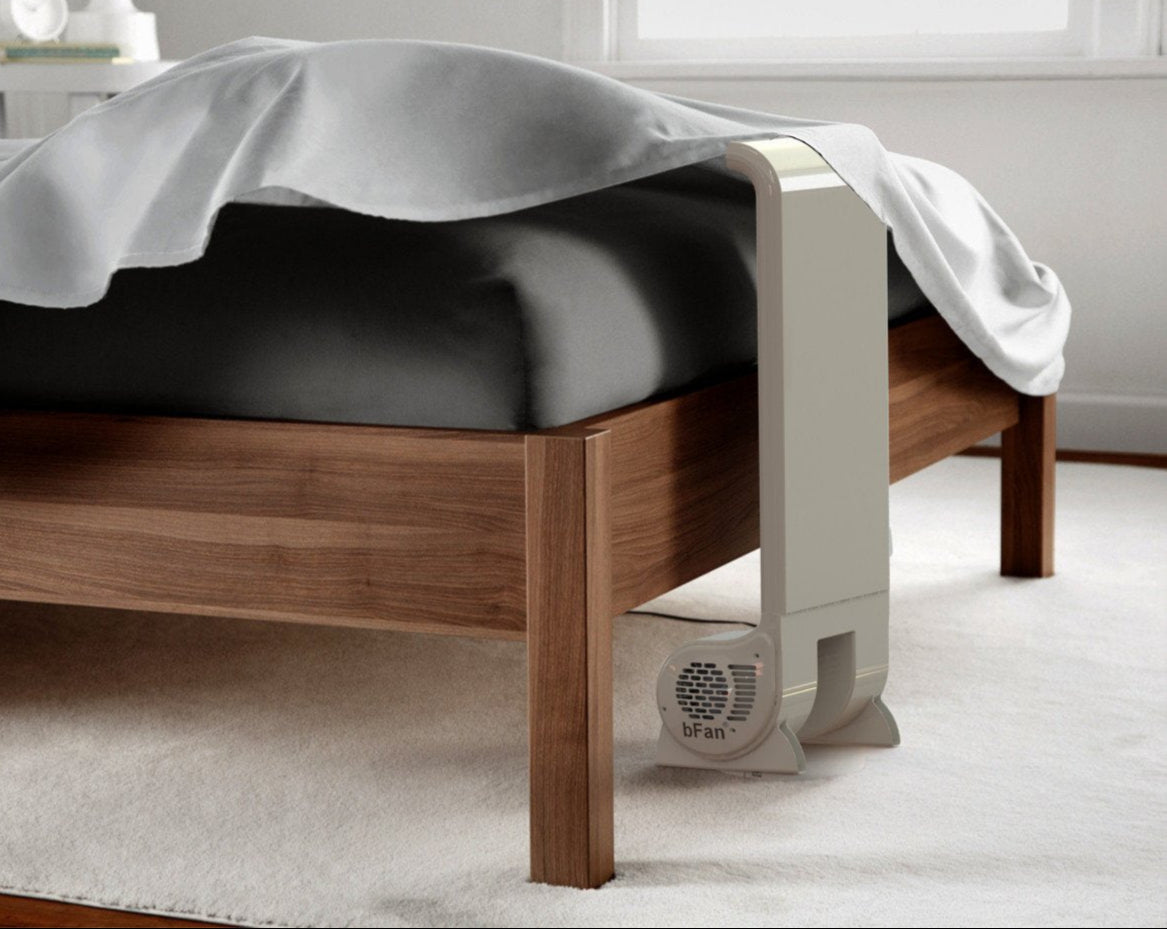
The Bedfan is a specialized cooling device designed to deliver a gentle stream of air directly under the sheets, targeting the area where heat and moisture accumulate most. Unlike ceiling fans or air conditioners, the Bedfan provides focused cooling without chilling the entire room, making it energy-efficient and highly effective for night sweat sufferers.
Key benefits of the Bedfan include:
- Personalized cooling: Adjustable airflow allows users to find their ideal comfort level.
- Silent operation: The Bedfan operates quietly, ensuring uninterrupted sleep.
- Energy savings: By cooling only the bed, users can reduce reliance on air conditioning.
Many individuals experiencing nicotine withdrawal night sweats have found significant relief with the Bedfan, reporting drier nights and improved sleep quality.
3. Practice Good Sleep Hygiene
Establishing healthy sleep habits can help the body adjust more smoothly to nicotine withdrawal and reduce the frequency of night sweats.
- Maintain a consistent sleep schedule: Go to bed and wake up at the same times each day.
- Limit screen time before bed: Blue light from devices can disrupt melatonin production.
- Avoid heavy meals, alcohol, spicy foods, and caffeine in the evening: These can raise body temperature and trigger sweating.
4. Stay Hydrated
Sweating leads to fluid loss, which can cause dehydration and worsen withdrawal symptoms. Drink plenty of water throughout the day, but avoid excessive fluid intake right before bed to minimize nighttime bathroom trips.
5. Manage Stress and Anxiety
Stress is a major trigger for both nicotine cravings and night sweats. Incorporate relaxation techniques such as:
- Deep breathing exercises
- Progressive muscle relaxation
- Mindfulness meditation
These practices can help calm the nervous system and promote a sense of well-being.
6. Wear Appropriate Sleepwear
Loose-fitting, moisture-wicking pajamas made from natural fibers can help keep the skin dry and comfortable. Avoid synthetic fabrics, which can trap heat and exacerbate sweating.
7. Monitor and Adjust Medications
Some medications can contribute to night sweats. If you are taking prescription drugs, consult your healthcare provider to determine if they may be a factor and discuss possible alternatives.
8. Track Your Symptoms
Keeping a sleep and symptom diary can help identify patterns and triggers for night sweats. Note the timing, intensity, and any associated factors such as stress, diet, or medication changes.
The Role of the Bedfan in Night Sweat Relief
The Bedfan stands out as a practical and innovative solution for those struggling with night sweats during nicotine withdrawal. Its unique design addresses the root cause of discomfort—trapped heat and moisture under the covers—by delivering a steady flow of cool air directly where it’s needed most.
How the Bedfan Works
The Bedfan consists of a slim, adjustable fan that fits discreetly at the foot or side of the bed. It draws in room air and channels it under the sheets, creating a cooling microclimate around the sleeper’s body. The airflow can be adjusted to suit individual preferences, ensuring maximum comfort without disturbing a sleeping partner.
User Experiences
Many users have shared positive experiences with the Bedfan, noting that it not only reduces night sweats but also improves overall sleep quality. For individuals in the throes of nicotine withdrawal, the Bedfan can be a game-changer, providing much-needed relief during a challenging time.
Additional Benefits
Beyond nicotine withdrawal, the Bedfan is also beneficial for:
- Menopausal hot flashes
- Athletes with high metabolic rates
- Individuals living in warm climates
- Anyone seeking a cooler, more comfortable sleep environment
Lifestyle Adjustments to Support Nicotine Withdrawal
While managing night sweats is crucial, addressing the broader challenges of nicotine withdrawal and incorporating detox strategies is equally important. Here are some lifestyle adjustments that can support the quitting process and enhance overall well-being.
1. Seek Social Support
Quitting nicotine is easier with encouragement from friends, family, or support groups. Sharing experiences and strategies can provide motivation and accountability.
2. Engage in Physical Activity
Regular exercise helps regulate body temperature, maintain a stable heart rate, reduce stress, and improve sleep quality. Aim for at least 30 minutes of moderate activity most days of the week.
3. Eat a Balanced Diet
A nutritious diet supports the body’s healing process and helps stabilize mood, heart rate, and energy levels. Focus on whole foods, lean proteins, fruits, vegetables, spicy foods, and healthy fats to support the body's detox process.
4. Avoid Triggers
Identify and avoid situations or activities that are closely associated with nicotine and alcohol use. Replace old habits with new, healthier routines.
5. Consider Nicotine Replacement Therapy (NRT)
For some, NRT products like patches, gum, or lozenges can ease withdrawal symptoms and reduce the risk of relapse. Consult a healthcare provider to determine the best approach.
When to Seek Medical Advice
While night sweats are a common symptom of nicotine withdrawal, persistent or severe sweating may indicate an underlying medical condition. Seek medical advice if you experience:
- Night sweats lasting more than a few weeks
- Unexplained weight loss
- Fever or other signs of infection
- Symptoms that interfere significantly with daily life
A healthcare professional can help rule out other causes and provide tailored treatment recommendations.
Frequently Asked Questions About Nicotine Withdrawal Night Sweats
Q: How long do night sweats last after quitting nicotine? A: Night sweats typically peak within the first week of quitting and gradually subside over several weeks. However, the duration can vary depending on individual factors such as the length and intensity of nicotine use.
Q: Can the Bedfan help with other types of night sweats? A: Yes, the Bedfan is effective for a variety of night sweat causes, including menopause, illness, and medication side effects.
Q: Are there any side effects to using a Bedfan? A: The Bedfan is generally safe and well-tolerated. Some users may need to adjust the airflow to avoid feeling too cool.
Q: Should I be concerned if my night sweats are accompanied by other symptoms? A: If you experience symptoms such as fever, unexplained weight loss, or persistent fatigue, consult a healthcare provider to rule out other medical conditions.
Conclusion
Night sweats are a challenging but manageable aspect of nicotine withdrawal. By understanding the underlying mechanisms and implementing practical strategies—such as optimizing the sleep environment, practicing good sleep hygiene, and utilizing targeted solutions like the Bedfan—individuals can significantly reduce discomfort and improve their chances of a successful quit journey.
The Bedfan (bFan) stands out as an effective, user-friendly tool for combating night sweats, offering personalized cooling and enhanced sleep quality. Combined with lifestyle adjustments and support, it empowers individuals to overcome nicotine withdrawal and embrace a healthier, smoke-free future.
image
Authoritative Resources
- Centers for Disease Control and Prevention: Tips for Quitting Smoking Comprehensive guidance and resources for individuals seeking to quit smoking, including coping strategies for withdrawal symptoms.
- Sleep Foundation: Night Sweats Causes and Treatments In-depth overview of night sweats, their causes, and evidence-based management tips.
- National Institute on Drug Abuse: Nicotine Research Latest research on nicotine addiction, withdrawal, and treatment options.
- Mayo Clinic: Night Sweats Symptoms and Causes Medical insights into the causes of night sweats and when to seek professional help.
- American Lung Association: Coping with Nicotine Withdrawal Practical advice for managing withdrawal symptoms, including night sweats, during the quitting process.
Share