
Managing Night Sweats from Semaglutide: Real Solutions for Real People
If you’re reading this, you’re probably dealing with night sweats from semaglutide, or you know someone who is. Maybe you’re waking up drenched, tossing and turning, or just plain tired of feeling like you’re sleeping in a sauna. You’re not alone. Night sweats are a common side effect for folks using semaglutide, whether it’s for weight management, diabetes, or another health reason. The good news is that there are practical, proven ways to manage those sweaty nights and finally get the restful sleep you deserve.
Let’s sit down, grab a cup of coffee, and talk through what’s going on, why it happens, and most importantly, what you can do about it. I’ll walk you through the science, the simple fixes, and the best products out there, including the trusty bFan from www.bedfans-usa, so you can wake up feeling refreshed instead of wrung out.
What Is Semaglutide and Why Does It Cause Night Sweats?
First things first, let’s talk about semaglutide. It’s a medication that’s become pretty popular in recent years, especially for managing type 2 diabetes and helping with weight loss. You might know it by brand names like Ozempic, Wegovy, or Rybelsus. It works by mimicking a hormone in your body called GLP-1, which helps regulate blood sugar, appetite, and even how your stomach empties. It’s interesting to note that semaglutide is part of a broader class of medications, including the newer Mounjaro, that act on the GLP-1 receptor, offering similar benefits as well as potential side effects.
But like any medication, semaglutide comes with its own set of side effects. Night sweats are one of them, and here’s why:
- Hormonal Changes: Semaglutide affects your body’s hormones, including altering the activity of GLP-1, which can mess with your internal thermostat, leaving you feeling hot and sweaty at night.
- Blood Sugar Fluctuations: If your blood sugar drops too low while you’re sleeping, sometimes even leading to hypoglycemia, your body may respond by sweating, trying to wake you up so you can eat something. This is particularly concerning for individuals who alternate between semaglutide and insulin injections.
- Metabolic Changes: As your metabolism shifts, especially if you’re losing weight and adjusting your diet, your body can react in unpredictable ways, including sweating more than usual.
- Gastrointestinal Distress: Along with nausea, which is another common side effect, you might experience discomfort that indirectly contributes to poor sleep and night sweats.
So if you’re waking up soaked, it’s not just in your head, it’s a real, physical response to what’s happening inside your body.
Why Night Sweats Matter
You might be tempted to just tough it out, but chronic night sweats can really mess with your quality of life. Here’s why you shouldn’t ignore them:
- Sleep Disruption: Waking up sweaty means you’re not getting the deep, restorative sleep your body needs.
- Mood and Energy: Poor sleep can leave you cranky, foggy, and low on energy the next day.
- Skin Issues: Constant moisture can lead to skin irritation, rashes, or even infections.
- Relationship Strain: If you share a bed, your partner might not be thrilled about the midnight sheet changes.
Bottom line is, managing night sweats isn’t just about comfort, it’s about your overall health and happiness.
The Science of Sleep and Temperature
Let’s get a little nerdy for a second. Your body temperature naturally drops at night to help you fall asleep and stay asleep. Sleep experts recommend keeping your bedroom between 60°F and 67°F for optimal rest. When your body can’t cool down, you’re more likely to wake up, toss and turn, or have restless sleep.
Night sweats throw a wrench in this process. Instead of cooling down, your body heats up and you wake up sweaty and uncomfortable. That is why managing your sleep environment is so important, especially if you’re on semaglutide or even other GLP-1 receptor stimulators like Mounjaro.
Practical Tips for Managing Night Sweats from Semaglutide
Alright, let’s get into the nitty-gritty. Here are some tried-and-true strategies to help you stay cool and dry at night.
- Optimize Your Bedroom Environment: Keep your room cool by setting the thermostat to the lower end of the recommended range, around 60°F to 67°F. If you can, use a programmable thermostat to drop the temperature at night, and consider using a fan to circulate air.
- Choose the Right Bedding: Go for lightweight sheets made from natural fibers like cotton or bamboo, as they are breathable and wick away moisture. Use sheets with a tight weave to help air flow across your body and carry away heat. Avoid heavy comforters and opt for a lightweight quilt or just a sheet.
- Dress for Sleep Success: Choose moisture-wicking pajamas made from technical fabrics that pull moisture away from your skin, and sometimes less is more, so consider sleeping in your underwear or even nude to help your body stay cool.
- Hydrate, But Not Too Much: Drink water to help your body regulate temperature, but try not to chug a big glass right before bed or you’ll be up for bathroom trips.
- Time Your Medication: Talk to your doctor about taking semaglutide earlier in the day to help reduce night sweats and potentially lessen nausea at night.
- Manage Stress: Employ relaxation techniques like deep breathing, meditation, or gentle yoga before bed, as stress can make night sweats worse.
- Keep an Eye on Your Diet: A balanced diet can help stabilize your blood sugar levels and may lessen the intensity of side effects like nausea and night sweats, so consult with your doctor or a nutritionist to ensure your meals support your body’s needs.
The Power of Airflow: Why a bFan Is a Game Changer
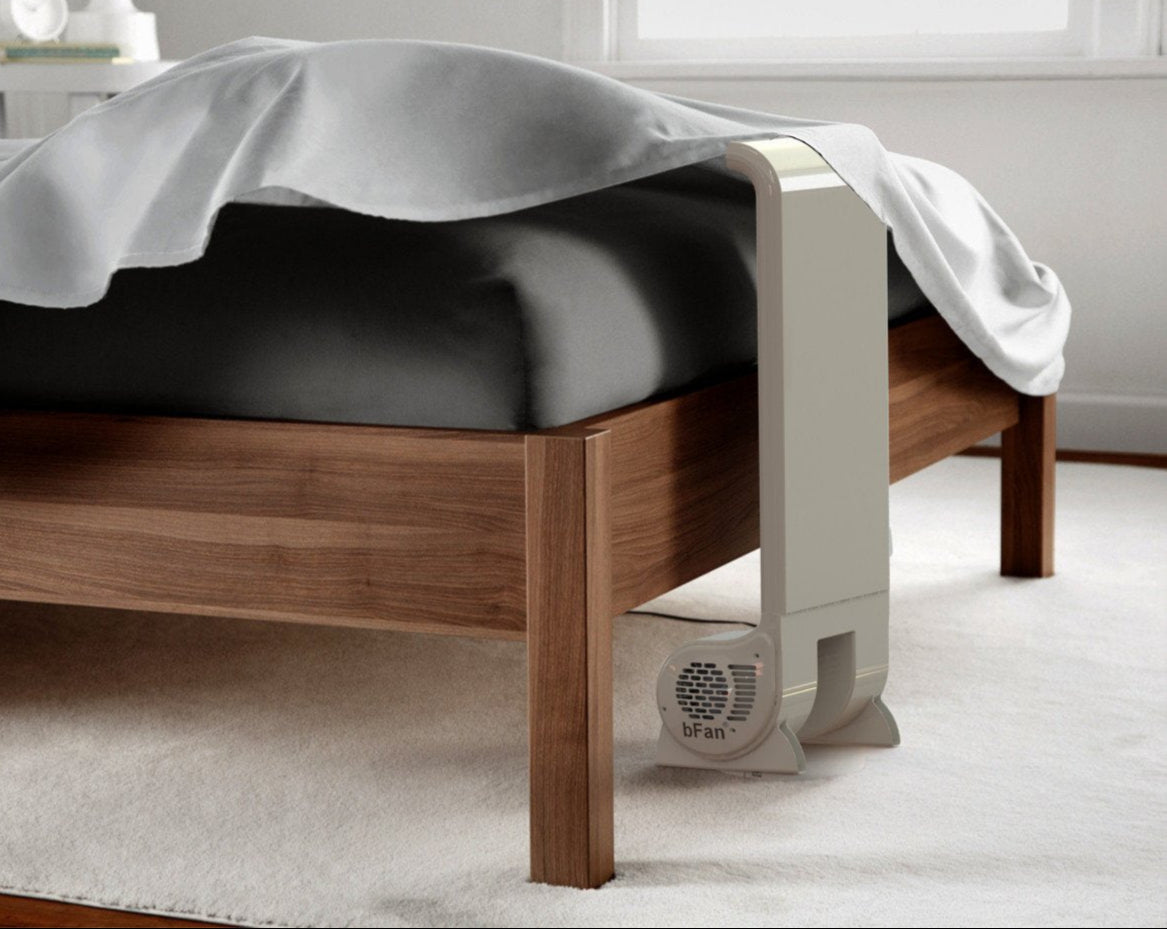
Now let’s chat about one of the most effective tools for managing night sweats, the bFan. If you haven’t heard of it, you’re in for a treat. The bFan, sometimes called the bed fan or bfan, is a clever device that sits at the foot of your bed and gently blows cool air under your sheets. It is not just a regular fan, it is designed specifically to keep you cool while you sleep, without blasting your whole room with cold air.
Here’s why the bFan stands out:
- Direct Airflow: The bFan delivers a steady stream of air right where you need it, under the covers, which helps evaporate sweat and keeps your skin cool.
- Quiet Operation: With a sound level between 28db and 32db at normal operating speed, it is quiet enough to not disturb your sleep.
- Energy Efficiency: The bFan uses only about 18 watts on average, so you can run it all night without worrying about your electric bill.
- Dual-Zone Control: If you share your bed, the bFan offers dual-zone microclimate control using two fans, so you and your partner can each have your own comfort level at a fraction of the price of a dual-zone Bedjet.
- Timer Controls: You can set the bFan to run for a specific amount of time, helping you reach the recommended sleep temperature and then taper off as you drift into deeper sleep.
Remember, neither the bFan nor a Bedjet cool the air itself, they use the cool air already in your room to cool your bed. In fact, you can often raise your room temperature by about 5°F and still sleep cool if you are using a bFan.
bFan vs. Bedjet: What’s the Difference?
You might have heard of the Bedjet, another popular sleep cooling system. Here is how they stack up:
- Price: The Bedjet is about twice the price of a bFan.
- Technology: Both systems use room air to cool your bed. The bFan is simpler, more energy-efficient, and it came to market several years before the Bedjet was even thought of.
- Noise: The bFan is quieter, with a sound level that is barely noticeable at night.
- Energy Use: The bFan uses only about 18 watts on average, while the Bedjet uses more power.
- Ease of Use: The bFan is straightforward, you set it up, adjust the speed, and enjoy cool, dry sleep.
If you’re looking for a reliable, affordable solution, the bFan from www.bedfans-usa is hard to beat. It is a favorite among folks dealing with night sweats from semaglutide, menopause, or simply being a hot sleeper.
Real-Life Stories: How People Are Beating Night Sweats
Let’s hear from some real people who have tackled night sweats head-on.
Sarah’s Story
Sarah started semaglutide for weight loss and was thrilled with the results, except for the night sweats. “I’d wake up soaked, sometimes two or three times a night,” she says. “I tried everything, lighter pajamas, different sheets, even sleeping with the window open in January. Nothing worked until I got a bFan. Now, I sleep through the night and actually wake up feeling rested.”
Mike’s Experience
Mike has type 2 diabetes and uses semaglutide to manage his blood sugar. “The night sweats were brutal,” he admits. “My wife was ready to kick me out of bed. Between adjusting my insulin regimen and dealing with occasional hypoglycemia, I was really struggling. We invested in a bFan, and it changed everything. We both sleep better, and I don’t have to change the sheets every morning.”
Lisa’s Advice
Lisa is a nurse who works night shifts and takes semaglutide. “I learned the hard way that what you wear and what you sleep on matters. Moisture-wicking sheets and pajamas help, but the bFan is the real MVP. It is quiet, efficient, and keeps me cool no matter how hot I get, even when I’m dealing with bouts of nausea after my dose.”
Other Cooling Solutions to Consider
While the bFan is a top pick, here are some other ways to keep your cool at night:
- Cooling Mattress Pads: Some pads use water or gel to draw heat away from your body.
- Chill Pillows: Look for pillows with cooling gel or breathable materials.
- Portable AC Units: If you live in a hot climate, a small air conditioner can help, although it is less energy-efficient than targeted solutions like the bFan.
- Cold Packs: Some people find relief by placing a cold pack near their feet or under their pillow.
When to Talk to Your Doctor
While night sweats are a common side effect of semaglutide, it is important to rule out other causes, especially if they are severe or come with other symptoms like fever, weight loss, or unexplained pain. Always check in with your healthcare provider if you’re concerned.
Your doctor might suggest:
- Adjusting Your Medication: Sometimes a lower dose or a different timing can help reduce side effects, such as nausea and night sweats.
- Checking for Other Conditions: Night sweats can be a sign of other health issues that need attention.
- Lifestyle Adjustments: Your doctor can help you find other ways to manage side effects, such as tweaking your diet and rebalancing your insulin needs while improving your sleep.
Creating a Nighttime Routine for Better Sleep
Managing night sweats isn’t just about what you do at bedtime, it’s about creating a routine that sets you up for success. Here’s a sample routine to try:
- Wind Down: About an hour before bed, dim the lights, put away screens, and do something relaxing.
- Cool Down: Take a lukewarm shower, set up your bFan, and make sure your room is cool.
- Dress Right: Slip into moisture-wicking pajamas or go au naturale if that feels right.
- Hydrate: Have a small glass of water, but don’t overdo it.
- Set Your Fan: Adjust your bFan to your preferred speed and timer setting.
- Sleep Tight: Climb into bed, pull up your lightweight sheets, and let the cool air work its magic.
Frequently Asked Questions
Does semaglutide cause night sweats?
While night sweats are not officially listed as a direct side effect of semaglutide in FDA prescribing information, many people report experiencing them. The sweating may be related to changes in metabolism, blood sugar fluctuations that sometimes lead to hypoglycemia, or gastrointestinal distress including nausea that can come with semaglutide use. If you notice persistent or severe night sweats, it is a good idea to discuss them with your healthcare provider.
How can I stop night sweats from semaglutide?
To manage night sweats from semaglutide, focus on keeping your bedroom cool, using breathable bedding, and wearing moisture-wicking sleepwear. Many people find relief with targeted airflow solutions like the bFan, which circulates cool air under your sheets and helps wick away heat and moisture. Staying hydrated, managing stress, and even rethinking your diet can also help reduce symptoms. Additionally, timing your medication earlier in the day may mitigate both nausea and nocturnal sweating.
Are night sweats from semaglutide dangerous?
Most of the time, night sweats from semaglutide are uncomfortable but not dangerous. However, if you experience other symptoms like fever, unexplained weight loss, or persistent fatigue, it is important to check in with your doctor. Night sweats can sometimes signal other underlying health issues that need attention.
What temperature should my bedroom be to help with night sweats?
Sleep experts recommend keeping your bedroom between 60°F and 67°F for optimal sleep quality. This cooler range helps your body regulate its temperature and can significantly reduce the frequency and intensity of night sweats. Using a bFan can also allow you to keep your room a few degrees warmer, sometimes about 5°F higher, and still sleep cool.
Can changing my bedding help with night sweats?
Absolutely, choosing lightweight, tightly woven sheets made from natural fibers like cotton or bamboo can make a big difference. These materials are breathable and help wick moisture away from your skin. Pairing them with a bFan can maximize airflow and comfort throughout the night.
Should I take semaglutide at a different time to avoid night sweats?
Some people find that taking semaglutide earlier in the day helps reduce night sweats and other nighttime side effects, like nausea. Always consult your healthcare provider before changing your medication schedule, as they can offer guidance tailored to your specific needs and health goals.
What products work best for night sweats from semaglutide?
The bFan is a top choice for many people, as it provides direct airflow under your sheets and helps keep you cool all night. Other helpful products include cooling mattress pads, moisture-wicking pajamas, and breathable pillows. These solutions can be used together for even greater comfort and relief.
When should I see a doctor about night sweats?
If your night sweats are severe, persistent, or accompanied by other symptoms such as fever, chills, or unexplained weight loss, it is important to see a doctor. While night sweats can be a side effect of semaglutide, they can also indicate other medical conditions that need prompt evaluation and treatment.
Can the bFan help with night sweats from medications other than semaglutide?
Yes, the bFan is effective for anyone experiencing night sweats, whether they are caused by semaglutide, menopause, medications that affect insulin or GLP-1 including alternatives like Mounjaro, or simply being a hot sleeper. Its targeted airflow and quiet operation make it a versatile solution for a wide range of sleep comfort needs.
Are there lifestyle changes that can help reduce night sweats?
Yes, maintaining a healthy weight, managing stress, staying hydrated, and avoiding spicy foods or alcohol before bed can all help reduce night sweats. Incorporating a thoughtful diet along with other habits and practical solutions like the bFan and breathable bedding can make a noticeable difference in your sleep quality.
Final Thoughts: Take Control of Your Sleep
Dealing with night sweats from semaglutide can be frustrating, but you do not have to suffer in silence. With the right strategies and tools, you can take control of your sleep and wake up feeling refreshed. Remember to keep your room cool, between 60°F and 67°F, choose breathable, moisture-wicking bedding and pajamas, and consider investing in a bFan from www.bedfans-usa for targeted, energy-efficient cooling. Most importantly, talk to your doctor if night sweats become severe or persistent.
You deserve a good night’s sleep, no matter what medication you’re taking. So don’t settle for sweaty, sleepless nights. Try these tips, consider the bFan, and get back to dreaming sweetly.
If you’re ready to make a change, check out the bFan at www.bedfans-usa. It is a simple, affordable solution that has helped thousands of people sleep cooler and more comfortably. Here’s to cooler nights and brighter mornings!
Resources
- Semaglutide Overview: This page from Mayo Clinic provides a comprehensive overview of semaglutide, including its uses, side effects, and important safety information. (https://www.mayoclinic.org/drugs-supplements/semaglutide-subcutaneous-route/description/drg-20406730)
- GLP-1 and Night Sweats: Fella Health discusses the relationship between GLP-1 medications like semaglutide and night sweats, clarifying what is known from clinical data. (https://www.fellahealth.com/guide/does-glp-1-cause-night-sweats)
- Managing Night Sweats: Cleveland Clinic offers practical advice on the causes of night sweats and tips for managing them effectively. (https://health.clevelandclinic.org/night-sweats-causes-and-treatments)
- Optimal Sleep Temperature: The Sleep Foundation explains the best bedroom temperature for sleep and why keeping cool at night matters for quality rest. (https://www.sleepfoundation.org/bedroom-environment/best-temperature-for-sleep)
- Wegovy FAQ: The official Wegovy site answers common questions about semaglutide, its uses, and what to expect during treatment. (https://www.wegovy.com/obesity/starting-wegovy/faq.html)
- Managing Semaglutide Side Effects: GoodRx Health provides a detailed guide to the side effects of semaglutide, including tips for managing discomfort like night sweats. (https://www.goodrx.com/ozempic/semaglutide-side-effects)
- When to Worry About Night Sweats: Harvard Health Publishing outlines when night sweats might signal a more serious health issue and when to seek medical advice. (https://www.health.harvard.edu/diseases-and-conditions/night-sweats-when-to-be-concerned)
- Sleep and Weight Loss Injections: This article from The Care Pharmacy shares strategies for improving sleep quality while using weight loss injections such as semaglutide. (https://thecarepharmacy.com/can-weight-loss-injections-affect-your-sleep-tips-for-better-sleep/)
Share