Night Sweats, Cough: Signals of Health Issues?
Night sweats and cough are two symptoms that, while common on their own, can be particularly concerning when they occur together. These symptoms may be the result of something as simple as a mild viral infection, or they could signal a more serious underlying health condition. Understanding the causes, warning signs, and management strategies for night sweats, cough, and sleep disturbances is essential for maintaining good health and knowing when to seek medical attention. This comprehensive article explores the connection between night sweats and cough, discusses potential causes, outlines when to be concerned, and offers practical solutions—including the innovative Bedfan—for improving comfort and sleep quality.
Understanding Night Sweats and Cough
Night sweats refer to episodes of excessive sweating during sleep, often drenching bedclothes and sheets. Unlike sweating caused by a warm room or heavy blankets, night sweats occur regardless of external temperature and can be a sign of an underlying medical issue. Cough, on the other hand, is a reflex action that helps clear the airways of mucus, irritants, or foreign particles. While both symptoms are common, their simultaneous occurrence can be a clue to specific health problems, particularly those affecting the respiratory system.
Why Do Night Sweats and Cough Occur Together?
The body’s response to infection or inflammation often involves raising its internal temperature to fight off pathogens. This can lead to fever, which in turn triggers sweating—sometimes excessively at night. Many respiratory illnesses that cause cough, such as the common cold, pneumonia, or bronchitis, also provoke fever and night sweats as part of the immune response. In some cases, chronic conditions or even certain medications can be responsible for these symptoms.
Common Causes of Night Sweats and Cough
1. The Common Cold
The common cold is a viral infection of the upper respiratory tract, primarily affecting the nose and throat. Symptoms typically begin within a day of exposure and include cough, sneezing, sore throat, runny or stuffy nose, and sometimes night sweats. The cough is usually caused by postnasal drip, where mucus from the nose drips down the throat, triggering the cough reflex. Fever, although mild, can occur, leading to night sweats as the body attempts to regulate its temperature.
Most people recover from a cold within a week to ten days, but symptoms may linger longer in children, older adults, or those with weakened immune systems. While the common cold is generally self-limiting, it’s important to rest, stay hydrated, and monitor symptoms to ensure they do not worsen or indicate a more serious condition.
2. Pneumonia
Pneumonia is a more serious infection that affects the air sacs (alveoli) in one or both lungs. These sacs can fill with pus or fluid, resulting in a productive cough (coughing up phlegm or pus), fever, chills, and night sweats. Other symptoms include chest pain, shortness of breath, fatigue, nausea, vomiting, and diarrhea. In severe cases, individuals may experience high fever, confusion, or a rapid heartbeat.
Pneumonia can affect anyone but is particularly dangerous for young children, older adults, and those with compromised immune systems. Early diagnosis and treatment are crucial to prevent complications. If symptoms worsen or do not improve, seeking medical attention is essential.
3. Acute Bronchitis
Acute bronchitis, often referred to as a “chest cold,” is caused by inflammation and swelling of the bronchial tubes in the lungs. This condition leads to increased mucus production, resulting in a persistent cough. Night sweats are common due to fever, and other symptoms may include chest soreness, sore throat, body aches, fatigue, and headache. Some individuals may also experience mild shortness of breath or wheezing.
Bronchitis typically resolves within three weeks without the need for antibiotics, as most cases are viral. Rest, hydration, and avoiding irritants like smoke are important for recovery. If symptoms persist or worsen, a healthcare provider should be consulted to rule out more serious conditions.
4. Emphysema and Chronic Obstructive Pulmonary Disease (COPD)
Emphysema is a chronic lung condition characterized by damage to the tiny air sacs in the lungs, causing them to rupture and form larger air spaces. This reduces the surface area for oxygen exchange, leading to shortness of breath that gradually worsens over time. Emphysema often occurs alongside chronic bronchitis, and together they make up chronic obstructive pulmonary disease (COPD).
COPD is most commonly caused by smoking, but long-term exposure to air pollution, chemical fumes, or dust can also contribute. Advanced COPD is associated with persistent cough, frequent night sweats, wheezing, and increased fatigue. While treatment can slow the progression of the disease, it cannot reverse the damage. Lifestyle changes, such as quitting smoking and participating in pulmonary rehabilitation, are essential for managing symptoms and improving quality of life.
5. Tuberculosis
Tuberculosis (TB) is a bacterial infection that primarily affects the lungs but can also impact other parts of the body. Classic symptoms include a persistent cough (sometimes with blood), night sweats, fever, unexplained weight loss, and fatigue. TB is a serious condition that requires prompt medical treatment with a combination of antibiotics over several months. Night sweats are particularly characteristic of TB and should always prompt further investigation if they occur alongside a chronic cough.
6. Other Causes
Other potential causes of night sweats and cough include:
- Lung cancer: Persistent cough and night sweats can be early warning signs.
- Heart failure: Fluid buildup in the lungs can cause coughing, while night sweats may result from the body’s stress response.
- Medications: Certain drugs, such as antidepressants or hormone therapies, can cause night sweats as a side effect.
- Hormonal changes: Menopause or thyroid disorders may trigger night sweats, sometimes accompanied by cough due to postnasal drip or other factors.
- Infections outside the lungs: Some systemic infections can cause both cough and night sweats.
When to Be Concerned: Warning Signs and Red Flags
While night sweats and cough are often benign, certain warning signs indicate the need for prompt medical evaluation. These include:
- Persistent symptoms lasting more than a week
- High or prolonged fever
- Chest pain or tightness
- Shortness of breath or difficulty breathing
- Coughing up blood
- Unexplained weight loss
- Severe fatigue or confusion, sleep disturbances
- Swelling in the legs or bluish lips/fingertips
Individuals with pre-existing conditions such as asthma, COPD, or weakened immune systems should be especially vigilant. Early intervention can help identify the cause of symptoms, ensure appropriate treatment, and reduce the risk of serious complications.
Diagnosing the Cause: What to Expect
When seeking medical advice for night sweats and cough, a healthcare provider will typically begin with a thorough history and physical examination. They may ask about the duration and severity of symptoms, associated signs (such as fever or weight loss), and any underlying health conditions or risk factors.
Diagnostic tests may include:
- Chest X-ray or CT scan: To look for pneumonia, tuberculosis, lung cancer, or other lung abnormalities.
- Blood tests: To check for infection, inflammation, or other systemic issues.
- Sputum analysis: Examining mucus coughed up from the lungs can help identify infectious agents.
- Pulmonary function tests: To assess lung capacity and function, especially in chronic conditions like COPD.
- Tuberculosis testing: Skin or blood tests to detect TB infection.
Early and accurate diagnosis is key to effective treatment and better outcomes.
Managing Night Sweats and Cough: Practical Strategies
Medical Treatment
Treatment depends on the underlying cause. For viral infections like the common cold or acute bronchitis, supportive care—rest, fluids, and over-the-counter medications for symptom relief—is usually sufficient. Bacterial infections such as pneumonia or tuberculosis require antibiotics. Chronic conditions like COPD may be managed with inhalers, steroids, pulmonary rehabilitation, and lifestyle modifications.
Home Remedies and Comfort Measures
Managing symptoms at home can greatly improve comfort and quality of life. Some effective strategies include:
- Staying hydrated: Drinking plenty of fluids helps thin mucus and prevent dehydration from sweating.
- Using a humidifier: Moist air can soothe irritated airways and ease coughing.
- Sleeping with the head elevated: This can reduce postnasal drip and coughing at night.
- Wearing moisture-wicking sleepwear: Specialized fabrics can help keep the skin dry during night sweats.
- Choosing breathable bedding: Lightweight, natural-fiber sheets and blankets can prevent overheating.
The Bedfan: Innovative Relief for Night Sweats
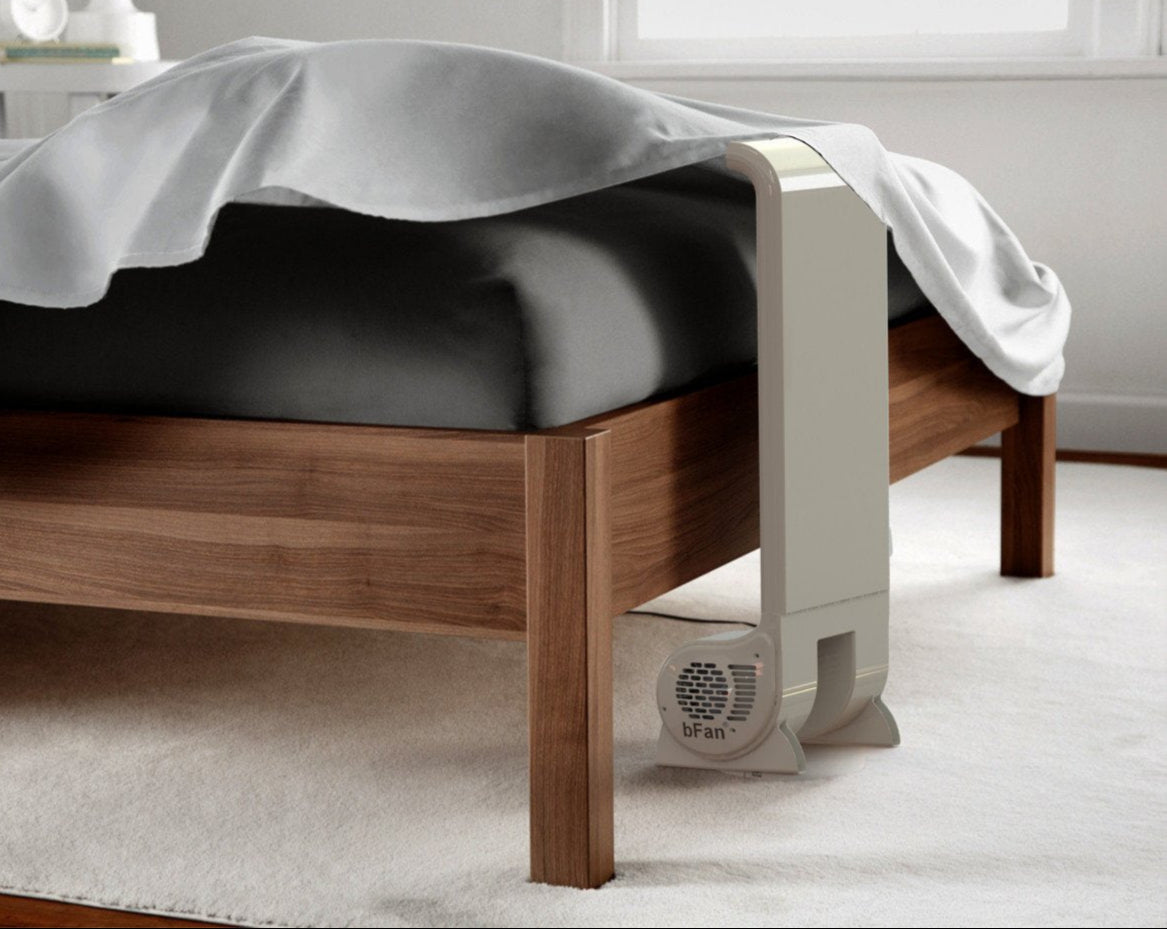
One of the most effective solutions for managing night sweats is the use of a Bedfan, also known as the Bed Fan or bFan. This device is designed to circulate cool air under the sheets, directly targeting the area where heat and moisture accumulate. By providing a steady flow of air, the Bedfan helps regulate body temperature, reduce excessive sweating, and create a more comfortable sleep environment.
Many individuals who suffer from night sweats due to illness, medication, or hormonal changes have found significant relief with the Bedfan. Unlike traditional fans that only cool the air above the bed, the Bedfan’s unique design ensures that airflow reaches the body, minimizing the frequency of waking up drenched in sweat. For those struggling with persistent night sweats, combining the Bedfan with breathable bedding and moisture-wicking sleepwear can further enhance nighttime comfort and promote restful sleep.
Additional Benefits of the Bedfan
The Bedfan is not only effective for those experiencing night sweats due to illness, but it is also beneficial for anyone who tends to overheat at night. Couples with different temperature preferences can especially appreciate the targeted cooling, as it allows one partner to stay cool without affecting the other. The Bedfan is energy-efficient, quiet, and easy to use, making it a practical addition to any bedroom.
For more information about the Bedfan and how it can help manage night sweats, visit Bedfan.com.
Lifestyle Changes to Support Respiratory Health
In addition to managing symptoms, adopting healthy lifestyle habits can reduce the risk of respiratory infections and chronic lung conditions. Consider the following tips:
- Quit smoking: Smoking is the leading cause of COPD and lung cancer. Quitting can dramatically improve lung health and reduce symptoms.
- Avoid exposure to irritants: Limit contact with air pollution, chemical fumes, and dust whenever possible.
- Practice good hygiene: Frequent handwashing and avoiding close contact with sick individuals can prevent the spread of infections.
- Stay up to date on vaccinations: Vaccines for influenza, pneumonia, and pertussis (whooping cough) can protect against serious respiratory illnesses.
- Maintain a healthy diet and exercise routine: Good nutrition and regular physical activity support overall immune function and lung health.
- Manage chronic conditions: Properly controlling asthma, diabetes, or other chronic illnesses can reduce the risk of complications from respiratory infections.
When to Seek Medical Advice
Knowing when to seek medical advice is crucial for preventing complications and ensuring timely treatment. If you experience any of the following, consult a healthcare provider:
- Symptoms persist for more than a week or worsen over time
- High fever, chest pain, or difficulty breathing develops
- Coughing up blood or experiencing unexplained weight loss
- Severe fatigue, confusion, or other concerning symptoms arise
- You have a history of chronic respiratory conditions or a weakened immune system
Early intervention can help identify the cause of symptoms, ensure appropriate treatment, and reduce the risk of serious complications. Never hesitate to reach out to a healthcare provider if you are unsure about your symptoms or if your condition suddenly changes.
Night Sweats and Sleep Quality: The Role of the Bedfan
Night sweats can significantly disrupt sleep, leading to fatigue, irritability, and reduced quality of life. Creating a sleep environment that minimizes overheating is essential for those prone to night sweats. The Bedfan offers a practical solution by delivering targeted airflow under the covers, helping to keep the body cool and dry throughout the night.
By reducing the frequency and severity of night sweats, the Bedfan can help individuals achieve deeper, more restorative sleep. This is particularly important for people with chronic illnesses, hormonal changes, or medication side effects that contribute to night sweats. Investing in a Bedfan, along with other sleep-friendly products like breathable bedding and moisture-wicking pajamas, can make a noticeable difference in comfort and well-being.
Frequently Asked Questions
What are the most common causes of night sweats and cough?
Night sweats and cough often occur together due to viral or bacterial infections such as the common cold, flu, pneumonia, or tuberculosis. Chronic conditions like COPD, asthma, and certain cancers can also cause these symptoms. Sometimes, medications or hormonal changes may be responsible.
When should I see a doctor for night sweats and cough?
You should consult a healthcare provider if night sweats and cough persist for more than a week, interrupt your sleep, or are accompanied by high fever, chest pain, unexplained weight loss, or difficulty breathing. These could be signs of a more serious underlying condition that requires prompt evaluation.
Can night sweats and cough be caused by something other than infection?
Yes, while infections are a leading cause, other factors such as autoimmune disorders, hormonal imbalances (like menopause or thyroid disease), certain medications, and even some cancers can lead to night sweats and cough. Environmental factors, like a warm bedroom, may also contribute but are less likely if symptoms are persistent.
Are night sweats and cough symptoms of COVID-19?
Night sweats and cough can be symptoms of COVID-19, especially when accompanied by fever, fatigue, and shortness of breath. If you suspect COVID-19 or have been exposed to someone with the virus, it is important to get tested and follow public health guidelines.
What are the red flags that indicate night sweats and cough may be serious?
Red flags include persistent or worsening symptoms, high or prolonged fever, coughing up blood, severe fatigue, confusion, chest pain, or unexplained weight loss. If you experience any of these, seek medical attention immediately as they may signal a serious illness such as pneumonia, tuberculosis, or cancer.
How can I manage night sweats at home?
To manage night sweats, keep your bedroom cool, use lightweight and breathable bedding, and wear moisture-wicking sleepwear. Devices like the Bedfan or bFan can help circulate cool air under your sheets, reducing overheating and improving sleep quality. Staying hydrated and avoiding spicy foods or alcohol before bed may also help.
Can medications cause night sweats and cough?
Certain medications, including antidepressants, hormone therapies, and some blood pressure drugs, can cause night sweats as a side effect. Some medications may also irritate the airways, leading to cough. If you suspect your medication is causing these symptoms, consult your doctor before making any changes.
What respiratory illnesses are most likely to cause night sweats?
Respiratory illnesses commonly associated with night sweats include tuberculosis, pneumonia, acute bronchitis, and severe cases of influenza. These conditions often present with additional symptoms such as fever, chills, and fatigue, and may require medical treatment.
How does the Bedfan help with night sweats?
The Bedfan is designed to deliver targeted airflow under your sheets, helping to regulate body temperature and reduce excessive sweating during sleep. This can be especially beneficial for individuals experiencing night sweats due to illness, medication, or hormonal changes, improving comfort and sleep quality.
Is it normal to have night sweats after recovering from an infection?
It is not uncommon to experience night sweats for a short period after recovering from an infection, as the body continues to regulate its temperature and eliminate residual inflammation. However, if night sweats persist or are accompanied by new symptoms, follow up with your healthcare provider.
Can children experience night sweats and cough?
Yes, children can experience night sweats and cough, often due to common viral infections or respiratory illnesses. While most cases are mild, persistent or severe symptoms should be evaluated by a pediatrician to rule out more serious conditions.
Conclusion
Night sweats, sleep disturbances, and cough are symptoms that should not be ignored, especially when they occur together. While they are often caused by common respiratory infections, they can also signal more serious health issues such as pneumonia, tuberculosis, or chronic lung diseases. Understanding the potential causes, recognizing warning signs, and knowing when to seek medical attention are key to protecting your health.
Managing symptoms at home with practical strategies—including the use of the Bedfan for night sweats—can greatly improve comfort and sleep quality. Adopting healthy lifestyle habits and staying vigilant about changes in your symptoms will help you maintain optimal respiratory health and overall well-being.
image
External Resources
- Centers for Disease Control and Prevention: Pneumonia Comprehensive information on pneumonia, including symptoms, causes, prevention, and treatment.
- American Lung Association: Chronic Obstructive Pulmonary Disease (COPD) Detailed overview of COPD, its causes, symptoms, and management strategies.
- Mayo Clinic: Night Sweats Explanation of night sweats, possible causes, and when to seek medical attention.
- World Health Organization: Tuberculosis Global facts and guidance on tuberculosis, including symptoms, diagnosis, and treatment.
- National Heart, Lung, and Blood Institute: Emphysema Information on emphysema, its impact on lung health, and available treatments.
- Bedfan.com Official website for the Bedfan, offering details on how this innovative product can help manage night sweats and improve sleep comfort.
Share