Night Sweats and Diarrhea
Night Sweats and Diarrhea: Causes, Connections, and Solutions for Restful Sleep
Night sweats and diarrhea are two symptoms that, while seemingly unrelated, can significantly disrupt quality of life and restful sleep. Experiencing either one can be distressing, but when they occur together, they may signal underlying health issues that require attention. This comprehensive guide explores the causes, connections, and solutions for night sweats and diarrhea, empowering readers to understand their symptoms and take actionable steps toward relief.
image
Understanding Night Sweats
Night sweats refer to episodes of excessive sweating during sleep, often drenching pajamas and bedding. Unlike mild perspiration from a warm room or heavy blankets, night sweats are typically more intense and can be a sign of an underlying medical condition.
Common Causes of Night Sweats
- Hormonal Changes Hormonal fluctuations are a leading cause of night sweats. Women experiencing menopause or perimenopause often report hot flashes and night sweats due to declining estrogen levels. Men may also experience night sweats as testosterone levels change with age.
- Infections Certain infections, such as tuberculosis, endocarditis, HIV, or even gastroenteritis, can trigger night sweats as the body attempts to fight off pathogens. In cases of severe food poisoning from contaminated food, the body's fever response may bring on night sweats.
- Medications Antidepressants, antipyretics, and medications for diabetes or hormone therapy can cause night sweats as a side effect.
- Chronic Illnesses Conditions like lymphoma, leukemia, and other cancers may present with night sweats as an early symptom.
- Anxiety and Stress Emotional distress can activate the body's fight-or-flight response, leading to increased sweating during sleep.
- Sleep Disorders Disorders, such as obstructive sleep apnea, can cause night sweats due to repeated awakenings and oxygen deprivation.
image
Understanding Diarrhea
Diarrhea is characterized by frequent, loose, or watery stools. It can be acute (lasting a few days) or chronic (persisting for weeks or longer).
Common Causes of Diarrhea
- Infections Bacterial, viral, or parasitic infections are the most common causes of acute diarrhea. Food poisoning from contaminated food is a frequent culprit, and episodes of viral gastroenteritis can often occur alongside nausea and stomach cramps. In many cases of food poisoning, the body reacts by producing diarrhea and nausea as it attempts to expel the toxin. Gastroenteritis, whether viral or bacterial in origin, can lead to profound dehydration if not managed promptly.
- Food Intolerances and Allergies Lactose intolerance, gluten sensitivity, and other food-related issues can trigger diarrhea.
- Medications Antibiotics, antacids containing magnesium, and certain cancer treatments may disrupt the gut microbiome, leading to diarrhea. Additionally, adverse reactions to medications can sometimes mimic food poisoning, making it important to distinguish between the two during diagnosis.
- Digestive Disorders Chronic conditions like irritable bowel syndrome (IBS), Crohn’s disease, and ulcerative colitis often present with diarrhea.
- Stress and Anxiety The gut-brain axis means emotional stress can directly impact bowel movements, sometimes resulting in diarrhea accompanied by nausea and stomach discomfort.
image
The Connection Between Night Sweats and Diarrhea
While night sweats and diarrhea can occur independently, their simultaneous presence may indicate specific health issues. Understanding the connections can help individuals and healthcare providers pinpoint the underlying cause and improve the diagnosis process.
1. Infections
Some infections, such as gastrointestinal viruses, bacterial infections including severe food poisoning from contaminated food, norovirus, or gastroenteritis, can cause both diarrhea and fever. The body’s attempt to regulate temperature during infection can result in night sweats, while the infection itself disrupts normal bowel function. Nausea is also a common companion in these cases, often signaling stomach irritation along with diarrhea.
2. Hormonal Disorders
Endocrine disorders, such as hyperthyroidism, can lead to increased metabolism, causing both night sweats and diarrhea. The thyroid gland regulates many bodily functions, including temperature and digestion, so an overactive thyroid can manifest with these symptoms and may also induce feelings of nausea due to its effect on the stomach.
3. Cancer and Cancer Treatments
Certain cancers, particularly lymphomas, can present with night sweats and gastrointestinal symptoms like diarrhea. Additionally, chemotherapy and radiation can disrupt the digestive system and alter body temperature regulation, sometimes mimicking the effects seen in severe food poisoning or gastroenteritis.
4. Autoimmune Diseases
Autoimmune conditions, such as lupus or inflammatory bowel disease (IBD), may cause systemic inflammation, leading to both night sweats and diarrhea with accompanying nausea and stomach discomfort.
5. Medication Side Effects
Some medications, especially those affecting the nervous or endocrine systems, can cause both symptoms. For example, certain antidepressants may alter sweating patterns and gut motility, increasing the risk of a reaction similar to food poisoning episodes.
6. Stress and Anxiety
The body’s stress response can trigger both night sweats and diarrhea. Chronic anxiety stimulates the sympathetic nervous system, increasing sweat production and accelerating bowel movements. This reaction can sometimes cause a sensation similar to having food poisoning, with nausea and stomach upset.
image
When to Seek Medical Attention
While occasional night sweats or diarrhea may not be cause for concern, persistent or severe symptoms warrant medical evaluation. Seek prompt attention if you experience:
- Night sweats soaking through bedding regularly
- Diarrhea lasting more than a few days or accompanied by blood, nausea, or severe stomach cramps
- Unexplained weight loss
- Fever, chills, or other signs of infection such as gastroenteritis or food poisoning
- Severe abdominal pain
Early diagnosis and treatment can prevent complications and improve quality of life.
image
Diagnosing the Cause
A healthcare provider will take a thorough medical history and may order tests to determine the underlying cause. Diagnostic steps may include:
- Physical examination
- Blood tests to check for infection, inflammation, or hormonal imbalances
- Stool tests to identify infections, gastroenteritis, or food poisoning from contaminated food
- Imaging studies such as ultrasound or CT scans
- Endoscopy or colonoscopy for gastrointestinal evaluation
An accurate diagnosis is essential for determining whether a common stomach bug such as gastroenteritis or a more severe condition is at play.
image
Managing Night Sweats and Diarrhea
Treatment depends on the underlying cause, but several strategies can help manage symptoms and improve sleep quality.
1. Addressing the Underlying Condition
Treating infections, adjusting medications, or managing chronic illnesses can resolve both night sweats and diarrhea. Recognizing the difference between food poisoning, gastroenteritis, norovirus, and other infections is vital during diagnosis. Always follow your healthcare provider’s recommendations.
2. Optimizing Sleep Environment
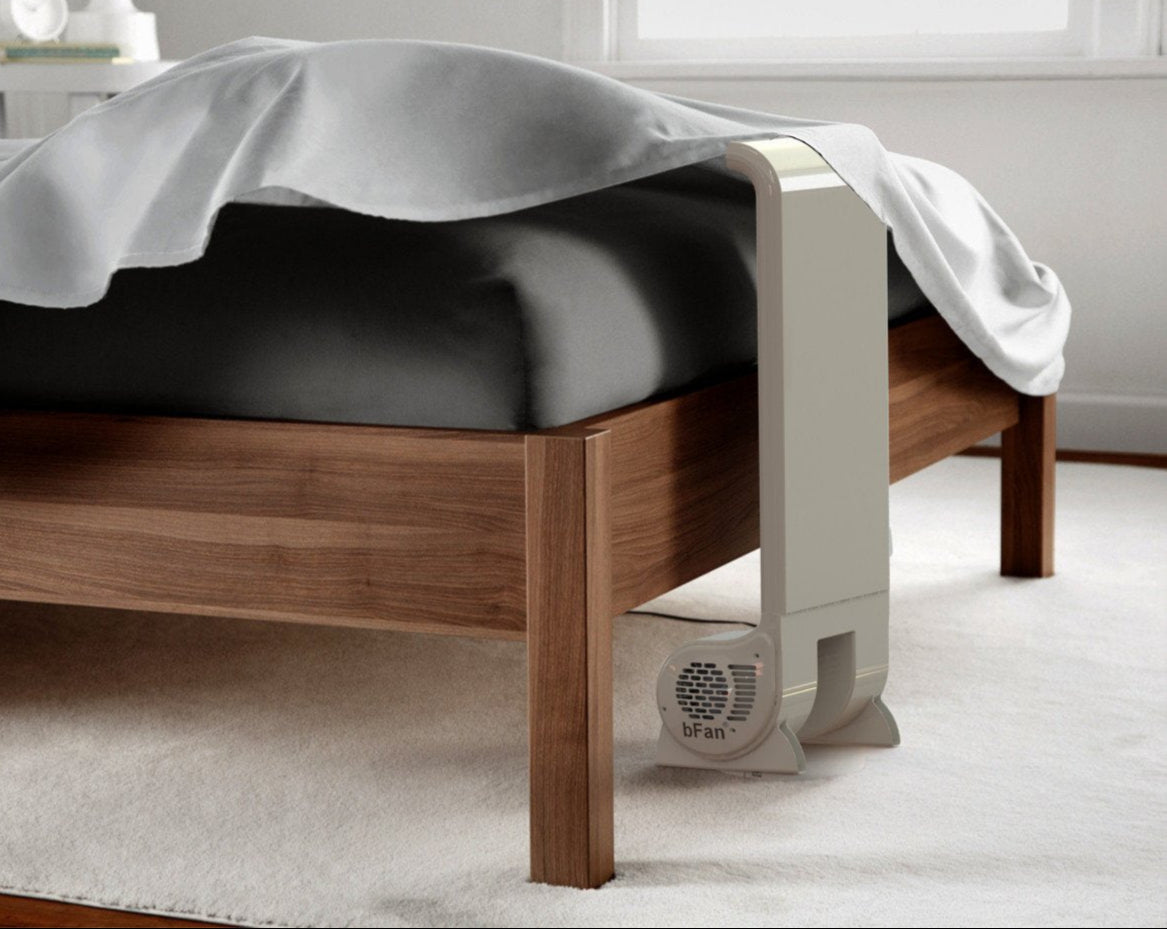
A cool, comfortable sleep environment can minimize the impact of night sweats. The Bedfan, available from Bedfan.com, is an innovative solution designed to keep sleepers cool by circulating air under the sheets. By targeting the area where heat and moisture accumulate, the Bedfan helps regulate body temperature and reduce night sweats, promoting restful sleep.
3. Dietary Adjustments
- Stay Hydrated: Diarrhea, especially when paired with nausea and an upset stomach, can lead to dehydration, so drink plenty of fluids, including oral rehydration solutions if necessary.
- Avoid Triggers: Identify and eliminate foods that worsen diarrhea, such as dairy, caffeine, spicy foods, or even foods that could be contaminated.
- Eat Small, Frequent Meals: This can ease digestive strain and help manage symptoms associated with gastroenteritis or food poisoning.
4. Stress Management
Incorporate relaxation techniques such as deep breathing, meditation, or yoga to reduce stress and its impact on the body.
5. Medication Management
If medications are causing symptoms, consult your healthcare provider about alternatives or adjustments.
6. Hygiene and Comfort Measures
- Use Moisture-Wicking Bedding: Sheets and pajamas made from breathable, moisture-wicking fabrics can help manage sweat.
- The Bedfan (bFan): For those seeking a more targeted solution, the bFan offers customizable airflow directly to the bed, reducing heat buildup and moisture. This can be especially beneficial for individuals experiencing night sweats due to menopause, illness, or medication side effects.
image
Lifestyle Tips for Better Sleep and Digestive Health
- Maintain a Consistent Sleep Schedule: Go to bed and wake up at the same time each day to regulate your body’s internal clock.
- Limit Screen Time Before Bed: Blue light from devices can disrupt melatonin production and sleep quality.
- Exercise Regularly: Physical activity supports both digestive health and sleep, but avoid vigorous exercise close to bedtime.
- Create a Relaxing Bedtime Routine: Reading, gentle stretching, or listening to calming music can signal your body that it’s time to wind down.
- Monitor Symptoms: Keep a journal of your symptoms, diet, and sleep patterns to identify potential triggers and share with your healthcare provider.
image
Special Considerations
Night Sweats and Diarrhea in Children
Children may experience these symptoms due to infections, food intolerances, or anxiety. Sometimes a child may suffer from gastroenteritis or norovirus infection, often resulting from food poisoning from contaminated food, which can also cause nausea and stomach discomfort. Persistent symptoms in children should always be evaluated by a pediatrician.
Night Sweats and Diarrhea in Older Adults
Older adults are more susceptible to dehydration and complications from these symptoms, especially when nausea and stomach cramps are present. Prompt medical attention and supportive care are essential.
image
Frequently Asked Questions
Q: Can night sweats and diarrhea be caused by the same illness?
A: Yes, certain infections, hormonal disorders, and autoimmune diseases can cause both symptoms simultaneously. Conditions like gastroenteritis or severe food poisoning—often linked with contaminated food—may result in nausea, diarrhea, and night sweats.
Q: Are night sweats always a sign of a serious condition?
A: Not always. Night sweats can result from a warm sleeping environment, stress, or minor infections. However, persistent or severe night sweats should be evaluated by a healthcare provider for proper diagnosis.
Q: How can I prevent dehydration from diarrhea?
A: Drink plenty of fluids, including water, clear broths, and oral rehydration solutions. Avoid caffeine and alcohol, which can worsen dehydration. Recognizing whether your symptoms are due to gastroenteritis or food poisoning is important in managing your hydration levels.
Q: Is the Bedfan safe to use every night?
A: Yes, the Bedfan is designed for nightly use and can help regulate temperature for a more comfortable sleep environment.
image
Conclusion
Night sweats and diarrhea are disruptive symptoms that can significantly impact sleep quality and overall well-being. Understanding their causes and connections—including the roles of food poisoning from contaminated food and gastroenteritis—is the first step toward effective management. By addressing underlying health issues, optimizing the sleep environment with solutions like the Bedfan, and adopting healthy lifestyle habits, individuals can regain restful sleep and digestive comfort. Accurate diagnosis, which may involve confirming whether symptoms such as nausea and stomach cramps are linked to food poisoning or another condition, is essential.
If you experience persistent or severe symptoms, consult a healthcare provider for a thorough evaluation and personalized treatment plan. With the right approach, relief is within reach, and restful nights can become the norm once again.
image
External Resources
- Mayo Clinic: Night Sweats A comprehensive overview of night sweats, including causes and when to seek medical attention.
- Cleveland Clinic: Diarrhea Detailed information on the causes, symptoms, and treatment of diarrhea.
- National Institutes of Health: Menopause Symptoms Authoritative guidance on menopause symptoms, including night sweats, and available relief options.
- Johns Hopkins Medicine: Hyperthyroidism An in-depth look at hyperthyroidism, a condition that can cause both night sweats and diarrhea.
- Centers for Disease Control and Prevention: Foodborne Illness Information on foodborne illnesses that can cause diarrhea and associated symptoms, including those linked to contaminated food.
- Sleep Foundation: How to Sleep Cool Tips and strategies for maintaining a cool sleep environment to reduce night sweats.
- International Foundation for Gastrointestinal Disorders: IBS Educational resource on irritable bowel syndrome, a common cause of chronic diarrhea.
image
By staying informed and proactive, anyone can take meaningful steps to address night sweats and diarrhea, paving the way for better health and restorative sleep.
Share