Night Sweats Smells Like Vinegar: Causes, Health Implications, and Solutions
Sweating is a natural and essential bodily function, helping to regulate temperature and eliminate toxins. For most people, sweat is either odorless or has a faint, salty scent. However, when sweat takes on a strong, vinegar-like smell, it can be both alarming and uncomfortable. This article explores the science behind sweat, the reasons it might smell like vinegar, the medical conditions associated with unusual sweat odors, and practical solutions—including the innovative Bedfan—for managing night sweats and their odors.
Understanding Sweat: The Body’s Cooling System
The human body is equipped with millions of sweat glands, primarily divided into two types: eccrine and apocrine glands. Eccrine glands are distributed across most of the body and produce a watery, mostly odorless sweat that helps cool the body. Apocrine glands, found mainly in the armpits, groin, scalp, and around the nipples, secrete a thicker fluid that, when broken down by skin bacteria, can produce noticeable odors.
Sweat itself is composed mainly of water and sodium chloride (salt), but it also contains other substances such as urea, ammonia, lactic acid, and various metabolites. The interaction between these compounds and the bacteria living on the skin is what leads to body odor. While most people are familiar with the typical “sweaty” smell, a vinegar-like odor is less common and can indicate specific underlying factors.
Why Night Sweats Smell Like Vinegar?
A vinegar-like odor in sweat is usually due to the presence of acetic acid or other acidic compounds. Several factors can contribute to this phenomenon:
1. Metabolic Changes and Ketosis
One of the most common reasons for pungent, vinegar-smelling sweat is metabolic changes in the body, particularly those related to diabetes. When blood sugar levels are poorly controlled, the body may not be able to use glucose efficiently for energy. As a result, it begins to break down fat for fuel, producing ketones as a byproduct. Acetone, a type of ketone, can be excreted through sweat and breath, resulting in a sharp, acidic, or vinegar-like odor.
2. Dietary Influences
What you eat can have a significant impact on how your sweat smells. Consuming large amounts of vinegar, garlic, onions, or spicy foods can introduce strong-smelling compounds into your sweat. Diets high in protein or low in carbohydrates can also push the body into a mild state of ketosis, increasing the production of acidic metabolites.
3. Hormonal Fluctuations
Hormonal changes during puberty, menopause, menstruation, or periods of high stress can alter sweat composition due to the influence of hormones. These changes can increase sweat production and modify the types of compounds excreted, sometimes resulting in a vinegar-like odor.
4. Medical Conditions
Certain medical conditions are known to cause unusual sweat odors. Diabetes, kidney disease, liver disease, hyperhidrosis (excessive sweating), and rare genetic disorders like trimethylaminuria can all influence the scent of sweat. In these cases, the body may excrete waste products or metabolites through sweat, leading to distinctive odors.
5. Bacterial Activity
The skin is home to a diverse community of bacteria. When sweat accumulates, especially in warm, moist areas, bacteria break down the compounds in sweat, producing various odors. An overgrowth of certain bacteria, including those associated with trichomycosis, can intensify acidic or vinegar-like smells.
6. Dehydration
When the body is dehydrated, sweat becomes more concentrated, which can amplify any underlying odors, including those that resemble vinegar.
The Role of Genetics and Lifestyle
Genetics play a significant role in determining how much you sweat and how your sweat smells. Some people naturally have more active sweat glands or a higher density of apocrine glands, making them more prone to noticeable body odor. Lifestyle factors such as stress, physical activity, and hygiene habits also influence sweat production and odor.
Stress and Sweat Odor
Stress activates the body’s “fight or flight” response, stimulating the apocrine glands to produce more sweat. This type of sweat is richer in proteins and lipids, which bacteria love to feed on, resulting in stronger and sometimes more pungent odors.
Hygiene and Clothing Choices
Good hygiene practices, such as regular bathing and wearing clean, breathable clothing, can help minimize sweat odor. Synthetic fabrics can trap moisture and bacteria, while natural fibers like cotton and bamboo allow the skin to breathe and reduce odor buildup.
Medical Conditions Linked to Vinegar-Like Sweat Odor
Diabetes
Diabetes is one of the most common medical conditions associated with vinegar-smelling sweat. When blood sugar is not well controlled, the body produces ketones, which can be excreted through sweat and breath. This is particularly noticeable during episodes of diabetic ketosis, a potentially dangerous state that requires medical attention. If you notice a sudden change in your sweat’s odor, especially if accompanied by symptoms like excessive thirst, frequent urination, or unexplained weight loss, consult a healthcare professional promptly.
Kidney Disease
The kidneys are responsible for filtering waste products from the blood. When kidney function declines, waste products like urea can accumulate in the body and be excreted through sweat, resulting in a sharp, acidic, or vinegar-like odor. Kidney disease may also cause breath to smell like ammonia.
Liver Disease
The liver plays a crucial role in metabolizing toxins. When liver function is impaired, these toxins may be released through sweat, leading to musty, sour, or vinegar-like odors. Early detection and treatment of liver disease are essential for managing symptoms and preventing complications.
Hyperhidrosis
Hyperhidrosis is a condition characterized by excessive sweating, often without an obvious cause. While eccrine glands are generally not associated with strong odors, the sheer volume of sweat can create an environment where bacteria thrive, intensifying any underlying smells, including those reminiscent of vinegar.
Trimethylaminuria
Trimethylaminuria, also known as “fish odor syndrome,” is a rare genetic disorder in which the body cannot break down trimethylamine, a compound with a strong fishy smell. While the primary odor is fish-like, some individuals may also notice sour or vinegar-like notes, especially when sweat mixes with other body fluids.
Thyroid Disorders
Overactive thyroid (hyperthyroidism) can increase sweat production and alter its composition, sometimes resulting in unusual odors. Thyroid disorders may also cause other symptoms such as weight changes, anxiety, and changes in heart rate.
Infections
Bacterial and fungal infections of the skin, such as trichomycosis, can alter sweat odor by introducing new or intensified pungent scents as the body responds to pathogens. These infections often require medical treatment to resolve.
Night Sweats and Vinegar-Like Odor
Night sweats—episodes of excessive sweating during sleep—can make any underlying sweat odor more noticeable. Night sweats may be triggered by hormonal changes, such as fluctuations in hormones, infections, certain medications, or chronic conditions like diabetes and hyperthyroidism.
The Impact of Night Sweats
Night sweats can disrupt sleep, cause discomfort, and lead to embarrassment or anxiety about body odor. The combination of increased sweat production and prolonged contact with bedding creates an ideal environment for bacteria, amplifying any unusual scents.
Managing Night Sweats and Odor
Addressing the underlying cause of night sweats is crucial. For those experiencing night sweats due to medical conditions, working with a healthcare provider to manage symptoms is essential. In addition, several practical strategies can help reduce discomfort and odor:
- Maintain a Cool Sleeping Environment: Lower the room temperature, use a fan, or open windows to promote airflow.
- Choose Breathable Bedding: Opt for moisture-wicking sheets and lightweight blankets to help keep the skin dry.
- Wear Moisture-Wicking Pajamas: Specialized sleepwear can help draw moisture away from the skin.
- Practice Good Hygiene: Shower regularly, especially after episodes of night sweats, and change bedding frequently.
The Bedfan Solution
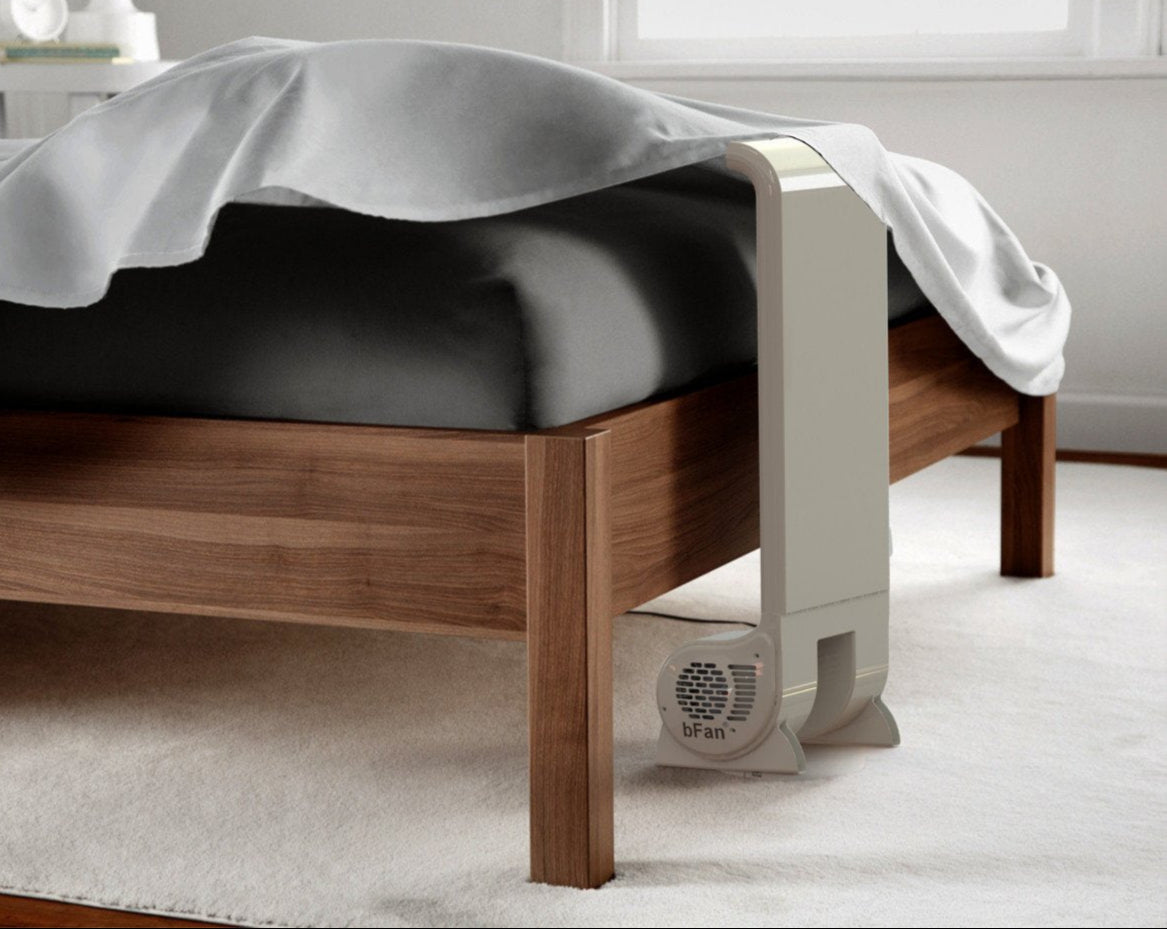
One innovative product designed specifically to address night sweats is the Bedfan. The Bedfan, also known as the Bed Fan or bFan, is a unique device that fits discreetly at the foot of your bed and delivers a gentle stream of cool air between your sheets. By keeping your body cool and dry throughout the night, the Bedfan helps reduce the intensity of night sweats and minimizes the conditions that lead to strong odors.
Many users have found that incorporating the Bedfan into their nightly routine not only improves sleep quality but also helps manage the discomfort and embarrassment associated with night sweats and their odors. The Bedfan’s adjustable airflow allows you to customize your comfort level, making it an excellent solution for anyone struggling with overheating or excessive sweating at night.
Nutrition and Sweat Odor
Your diet plays a significant role in determining how your sweat smells. Certain foods and beverages can introduce strong-smelling compounds into your body, which may be excreted through sweat. Here are some dietary factors to consider:
Foods That Can Cause Vinegar-Like Sweat Odor
- Vinegar and Pickled Foods: Directly introduce acetic acid into the body.
- Garlic and Onions: Contain sulfur compounds that can be excreted through sweat.
- Spicy Foods: Stimulate sweat production and may alter odor.
- Red Meat: Can increase the intensity of body odor in some individuals.
- Alcohol: May be metabolized into acetic acid, contributing to a vinegar-like scent.
Foods That May Help Neutralize Odor
- Fruits and Vegetables: Rich in water and antioxidants, they support the body’s natural detoxification processes.
- Whole Grains and Lean Proteins: Provide balanced nutrition without introducing strong-smelling compounds.
- Herbs like Parsley and Mint: Known for their natural deodorizing properties.
The Importance of Hydration
Staying well-hydrated helps dilute the compounds in sweat, reducing the intensity of any odors. Aim to drink plenty of water throughout the day, especially if you are prone to sweating or live in a hot climate.
Hygiene, Deodorants, and Lifestyle Tips
Managing sweat odor involves a combination of good hygiene, appropriate product use, and lifestyle adjustments.
Daily Hygiene Practices
- Shower Regularly: Use antibacterial soap to reduce the number of odor-causing bacteria on the skin.
- Dry Thoroughly: Pay special attention to areas prone to sweating, such as the armpits, groin, and feet.
- Change Clothes Frequently: Especially after exercise or episodes of heavy sweating.
Choosing the Right Deodorant
Deodorants and antiperspirants can help control sweat and odor. Look for products with antibacterial ingredients, and consider fragrance-free options if you have sensitive skin. Some people prefer natural deodorants, which use ingredients like baking soda and essential oils to neutralize odor.
Clothing Choices
- Wear Breathable Fabrics: Cotton, bamboo, and moisture-wicking materials help keep the skin dry.
- Avoid Tight Clothing: Loose-fitting clothes allow for better airflow and reduce sweat accumulation.
Stress Management
Since stress can trigger sweat production, incorporating stress-reducing activities into your routine—such as meditation, yoga, or regular exercise—can help minimize stress-induced sweating and its associated odors.
When to Seek Medical Advice
While occasional changes in sweat odor are usually harmless, persistent or dramatic shifts—especially when accompanied by other symptoms—should be evaluated by a healthcare professional. Seek medical attention if you experience:
- Sudden, unexplained changes in body odor
- Excessive sweating without clear cause
- Night sweats accompanied by fever, weight loss, or other concerning symptoms
- Signs of infection, such as redness, swelling, or pain
Early diagnosis and treatment of underlying medical conditions can help prevent complications and improve quality of life.
The Psychological Impact of Sweat Odor
Unusual conditions such as trichomycosis or a pungent body odor can have a significant impact on self-esteem and social interactions. People who experience persistent sweat odor may feel embarrassed, anxious, or isolated. It’s important to remember that body odor is a common issue and that effective solutions are available. Open communication with healthcare providers and loved ones can help reduce stigma and encourage proactive management.
Innovative Solutions: The Bedfan Advantage
For those struggling with night sweats and the resulting odors, the Bedfan offers a practical and effective solution. By delivering a steady stream of cool air under the sheets, the Bedfan helps regulate body temperature, reduce sweating, and minimize odor. Its quiet operation and customizable settings make it a favorite among individuals seeking relief from night sweats, whether due to menopause, medical conditions, or simply a warm sleeping environment.
The Bedfan is easy to install and fits most beds, making it accessible for a wide range of users. By addressing the root cause of night sweats—overheating—the Bedfan not only improves comfort but also supports better sleep hygiene and overall well-being.
Frequently Asked Questions
Why does my sweat smell like vinegar?
A vinegar-like odor in sweat is often due to the presence of acetic acid or other acidic compounds. This can result from certain foods in your diet, metabolic changes such as ketosis, or the breakdown of sweat by skin bacteria. If the smell is persistent, it may also indicate an underlying medical condition like diabetes or kidney disease.
Is it normal for night sweats to have a vinegar smell?
While occasional changes in sweat odor can be normal, a persistent vinegar smell during night sweats may be a sign of an underlying issue. Hormonal fluctuations, dietary choices, or medical conditions such as diabetes can all contribute to this odor. If you notice this regularly, it’s advisable to consult a healthcare professional.
Can stress cause my sweat to smell like vinegar?
Yes, stress can activate the apocrine glands, which produce a type of sweat that is richer in proteins and lipids. When this sweat mixes with bacteria on the skin, it can result in stronger, sometimes vinegar-like odors. Managing stress through relaxation techniques may help reduce this effect.
What medical conditions are linked to vinegar-smelling sweat?
Several medical conditions can cause sweat to smell like vinegar, including diabetes (due to ketone production), kidney disease (from urea buildup), liver disease, hyperhidrosis, and rare genetic disorders like trimethylaminuria. If you experience other symptoms alongside the odor, seek medical advice for proper evaluation.
Can my diet make my sweat smell like vinegar?
Absolutely. Foods high in vinegar, garlic, onions, or those that promote ketosis (like high-protein, low-carb diets) can introduce acidic compounds into your sweat. Adjusting your diet and staying hydrated may help reduce the intensity of the odor.
How can I reduce or prevent vinegar-like sweat odor?
Good hygiene, wearing breathable clothing, and using antibacterial soaps or deodorants can help minimize odor. Staying hydrated and maintaining a balanced diet are also important. For those experiencing night sweats, using a cooling device like the Bedfan can help keep the body cool and reduce sweat buildup, which in turn minimizes odor.
When should I see a doctor about vinegar-smelling sweat?
If you notice a sudden, persistent, or strong vinegar-like odor in your sweat—especially if it’s accompanied by other symptoms such as unexplained weight loss, excessive thirst, or fatigue—it’s important to consult a healthcare professional. This could be a sign of an underlying health condition that requires medical attention.
Can certain medications cause my sweat to smell like vinegar?
Yes, some medications can alter your body’s metabolism or affect the balance of bacteria on your skin, leading to changes in sweat odor. If you suspect your medication is causing this side effect, discuss it with your doctor before making any changes to your regimen.
Does menopause cause sweat to smell like vinegar?
Hormonal changes during menopause can increase sweat production and alter its composition, sometimes resulting in unusual odors, including a vinegar-like smell. Managing body temperature with products like the Bedfan and maintaining good hygiene can help alleviate discomfort and odor during this transition.
Is vinegar-smelling sweat a sign of poor hygiene?
Not necessarily. While poor hygiene can contribute to stronger body odors by allowing bacteria to thrive, vinegar-smelling sweat is often linked to internal factors such as diet, metabolism, or medical conditions. Maintaining regular hygiene can help, but persistent odor should be evaluated by a healthcare provider.
Conclusion
Sweat that smells like vinegar can be caused by a variety of factors, from diet and stress to underlying medical conditions. Understanding the science behind sweat, hormones, and odor can help you identify potential causes and take steps to manage them effectively. Good hygiene, dietary adjustments, and innovative solutions like the Bedfan can make a significant difference in comfort and confidence.
If you notice persistent changes in your sweat’s odor, especially if accompanied by other symptoms, don’t hesitate to consult a healthcare professional. With the right approach, you can manage sweat odor, improve your quality of life, and sleep more comfortably—even on the hottest nights.
image
External Resources
- American Diabetes Association: Understanding Ketones Learn more about ketones and their role in diabetes management.
- National Kidney Foundation: Kidney Disease Symptoms Discover the signs and symptoms of kidney disease and when to seek help.
- Mayo Clinic: Hyperhidrosis (Excessive Sweating) Comprehensive overview of hyperhidrosis, its causes, and treatment options.
- Cleveland Clinic: Liver Disease Overview Detailed information on liver disease, symptoms, and management.
- MedlinePlus: Body Odor An authoritative guide to the causes and management of body odor.
- Sleep Foundation: Night Sweats Explore the causes of night sweats and tips for better sleep.
Each of these resources provides expert insights and practical advice on the topics discussed in this article.
Share