Rheumatoid Arthritis Night Sweats: Understanding the Connection and Finding Relief
Rheumatoid arthritis (RA) is a chronic autoimmune disorder that affects millions of people worldwide. While joint pain, swelling, and stiffness are the hallmark symptoms, many individuals with RA experience a lesser-known but equally disruptive symptom: night sweats. These episodes of excessive sweating during sleep can lead to discomfort, disturbed rest, and a diminished quality of life. This article explores the stealthy link between rheumatoid arthritis and night sweats, delves into the underlying causes, and highlights effective strategies for managing this challenging symptom—including the innovative Bedfan solution.
Understanding Rheumatoid Arthritis
Rheumatoid arthritis is an autoimmune disease in which the immune system mistakenly attacks the body’s own tissues, primarily targeting the synovium—the lining of the joints, and is often associated with the presence of rheumatoid factors in the blood. This results in chronic inflammation, pain, and progressive joint damage. RA can also affect other organs and systems, leading to a wide range of symptoms beyond joint issues.
Key Features of RA
- Chronic Inflammation: Persistent inflammation is central to RA, causing swelling, stiffness, redness, and pain in affected joints.
- Systemic Effects: RA is not limited to the joints; it can impact the skin, eyes, lungs, heart, and blood vessels.
- Fluctuating Symptoms: The disease often follows a pattern of flare-ups and remissions, with symptoms intensifying and subsiding over time.
- Fatigue and Malaise: Many individuals with RA experience profound fatigue, tingling sensations, and a general sense of unwellness.
Night Sweats: A Common but Overlooked Symptom
Night sweats refer to episodes of excessive sweating during sleep, often soaking through clothing and bedding. While night sweats can be caused by various medical conditions, they are particularly prevalent among people with RA. Unfortunately, this symptom is frequently overlooked or attributed to other causes, such as menopause or infections.
How Night Sweats Manifest
- Sudden Onset: Night sweats can occur suddenly, often waking individuals from sleep.
- Frequency: Some people experience night sweats nightly, while others have intermittent episodes.
- Severity: The intensity can range from mild dampness to drenching sweats that require changing clothes or sheets.
The Stealthy Link: Why Does RA Cause Night Sweats?
The connection between rheumatoid arthritis and night sweats is multifaceted, involving immune system activity, inflammation, hormonal changes, and medication side effects.
1. Inflammatory Cytokines
RA is characterized by the overproduction of inflammatory cytokines—proteins that regulate immune responses. These cytokines, such as tumor necrosis factor-alpha (TNF-α) and interleukin-6 (IL-6), can disrupt the body’s temperature regulation, leading to episodes of night sweats.
2. Fever and Systemic Inflammation
During RA flare-ups, systemic inflammation can cause low-grade fevers. The body’s attempt to regulate temperature during these episodes often results in sweating, particularly at night when the body is at rest.
3. Hormonal Imbalances
Chronic inflammation and certain RA medications can disrupt hormonal balance, particularly those hormones involved in temperature regulation, such as cortisol and estrogen. This disruption can trigger night sweats, especially in women who may already be experiencing hormonal fluctuations due to menopause.
4. Medications
Many medications used to treat RA, including corticosteroids and disease-modifying antirheumatic drugs (DMARDs), list night sweats as a potential side effect. These drugs can alter the body’s normal thermoregulatory processes.
5. Secondary Infections
People with RA are at increased risk of infections due to both the disease and immunosuppressive treatments. Infections, particularly those that cause fever, can also lead to night sweats.
The Impact of Rheumatoid Arthritis Night Sweats on Quality of Life
Night sweats are more than just a nuisance—they can significantly disrupt sleep, leading to a cascade of negative effects, including sleep disruptions:
- Sleep Disturbance: Frequent awakenings and discomfort can prevent restorative sleep, leading to daytime fatigue.
- Mood Changes: Chronic sleep disruption is linked to irritability, anxiety, and depression.
- Physical Discomfort: Damp bedding and clothing can cause chills, skin irritation, and an overall sense of discomfort.
- Relationship Strain: Night sweats can affect partners, leading to shared sleep disturbances and tension.
Strategies for Managing Night Sweats in RA
Effectively managing night sweats requires a comprehensive approach that addresses both the underlying RA and the specific symptom of sweating. Here are several strategies that can help:
1. Optimize RA Treatment
Work closely with a rheumatologist to ensure that RA is well-controlled. Reducing inflammation through appropriate medication and lifestyle changes can decrease the frequency and severity of night sweats.
- Medication Adjustments: If night sweats are a side effect of medication, discuss alternatives or dosage adjustments with your healthcare provider.
- Monitor for Infections: Promptly report any signs of infection, as these can exacerbate night sweats and require immediate attention.
2. Create a Cool Sleep Environment
Maintaining a comfortable bedroom temperature is crucial for minimizing night sweats. Consider the following tips:
- Lower the Thermostat: Keep the bedroom cool, ideally between 60-67°F (15-19°C).
- Use Lightweight Bedding: Opt for breathable, moisture-wicking sheets and blankets.
- Wear Appropriate Sleepwear: Choose loose-fitting, lightweight pajamas made from natural fibers.
3. The Bedfan Solution: Innovative Cooling for Night Sweats
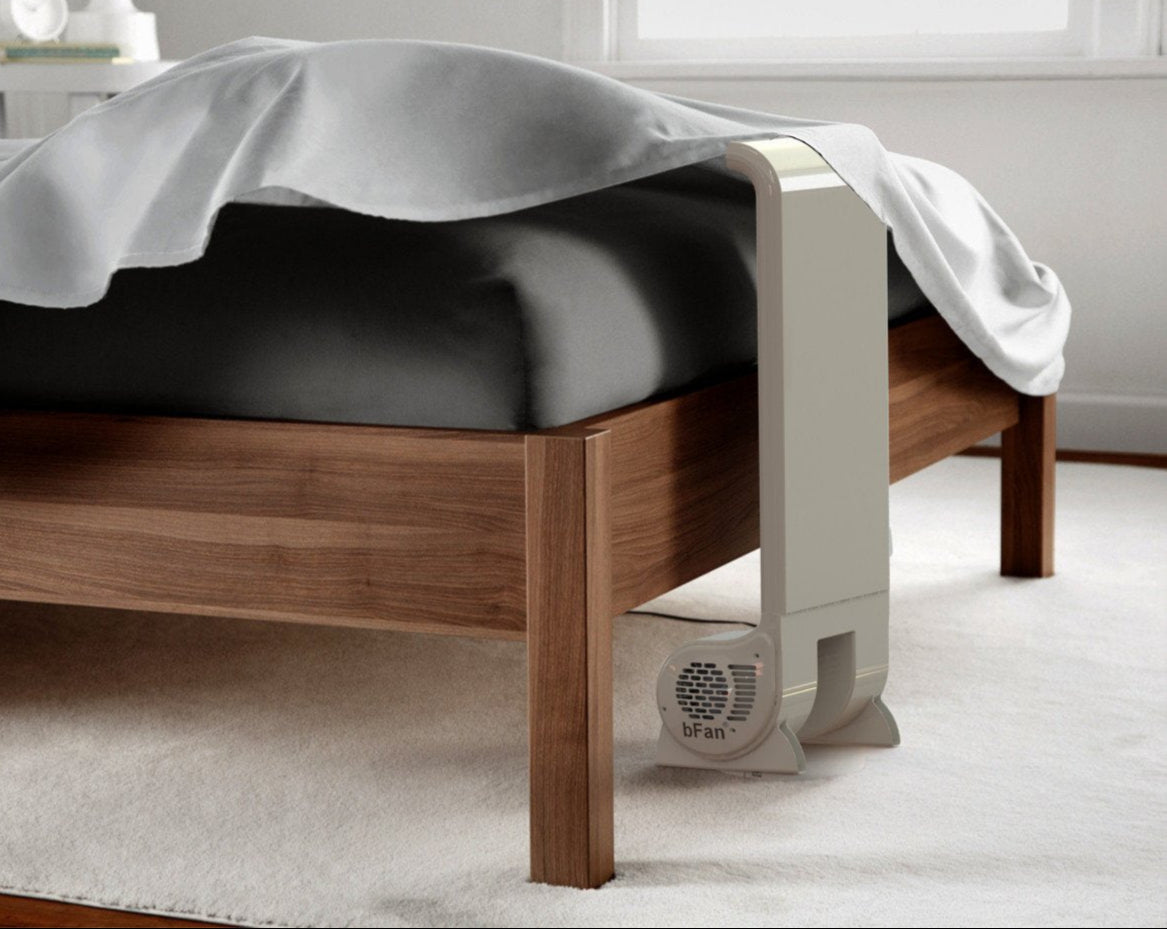
For those who struggle to maintain a cool sleep environment, the Bedfan offers a practical and effective solution. The Bedfan, also known as the Bed Fan or bFan, is a specially designed device that delivers a gentle stream of air between the sheets, directly targeting the area where heat and moisture accumulate.
How the Bedfan Works
- Under-the-Sheet Airflow: The Bedfan is placed at the foot of the bed, where it quietly circulates air under the covers.
- Customizable Settings: Users can adjust the airflow to their preferred level of cooling.
- Energy Efficient: The Bedfan uses minimal electricity compared to air conditioning, making it an eco-friendly option.
Benefits for RA Sufferers
- Targeted Relief: By cooling the area where night sweats occur, the Bedfan helps keep bedding dry and comfortable.
- Improved Sleep Quality: Many users report fewer awakenings and reduced sleep disruptions for more restful sleep.
- Partner-Friendly: The Bedfan’s design allows one partner to enjoy cooling airflow without disturbing the other.
4. Lifestyle Modifications
Certain lifestyle changes can help reduce the frequency and severity of night sweats:
- Stay Hydrated: Drink plenty of water throughout the day to replace fluids lost through sweating.
- Limit Triggers: Avoid spicy foods, caffeine, and alcohol in the evening, as these can increase sweating.
- Practice Stress Management: Stress can exacerbate both RA symptoms, which may include elevated rheumatoid factors, and night sweats. Techniques such as meditation, deep breathing, and gentle exercise can help.
5. Monitor and Track Symptoms
Keeping a symptom diary can help identify patterns and triggers for night sweats. Record details such as:
- Time and Frequency: When do night sweats occur, and how often?
- Severity: How intense are the episodes, and is there any associated stiffness or tingling?
- Associated Factors: Note any changes in medication, diet, or stress levels.
Sharing this information with your healthcare provider can guide treatment decisions and improve symptom management.
The Role of Sleep Hygiene in Managing Night Sweats
Good sleep hygiene is essential for anyone dealing with night sweats, especially those with RA. Here are some tips to promote better sleep:
- Establish a Routine: Go to bed and wake up at the same time each day.
- Limit Screen Time: Avoid electronic devices before bedtime, as blue light can disrupt sleep.
- Create a Relaxing Bedtime Ritual: Engage in calming activities, such as reading or listening to soothing music.
- Keep the Bedroom Dark and Quiet: Use blackout curtains and white noise machines if necessary.
When to Seek Medical Advice
While night sweats are common in RA, they can also signal other medical conditions, such as infections, hormonal disorders, or even certain cancers. Seek medical attention if you experience:
- Unexplained Weight Loss: Significant weight loss without trying may indicate a more serious underlying issue.
- Persistent Fever: Ongoing fever alongside night sweats warrants prompt evaluation.
- Severe Fatigue: If fatigue interferes with daily activities, consult your healthcare provider.
- New or Worsening Symptoms: Any sudden changes in your health should be discussed with a medical professional.
The Psychological Toll of Night Sweats
Living with chronic illness is challenging enough without the added burden of disrupted sleep. Night sweats can take a psychological toll, leading to:
- Anxiety About Sleep: Fear of waking up drenched can make it difficult to fall asleep.
- Social Withdrawal: Embarrassment about sweating may lead some individuals to avoid overnight stays or travel.
- Reduced Coping Ability: Poor sleep can diminish resilience, increasing stiffness and causing a tingling sensation that makes it harder to manage RA and its symptoms.
Addressing the emotional impact of night sweats is just as important as managing the physical symptoms. Support groups, counseling, and open communication with loved ones can provide valuable emotional support.
The Bedfan Advantage: Real-Life Experiences
Many individuals with RA have found relief from night sweats by incorporating the Bedfan into their nightly routine. Here are a few testimonials:
- Sarah, Age 52: “I used to wake up several times a night, drenched in sweat. Since using the Bedfan, I sleep through the night and feel more rested in the morning.”
- James, Age 47: “The Bedfan has been a game-changer for me and my wife. I stay cool, and she doesn’t even notice the airflow.”
- Linda, Age 60: “I tried everything—different pajamas, sheets, even sleeping with the window open. The Bedfan is the only thing that keeps me comfortable all night.”
These real-life experiences highlight the transformative potential of targeted cooling solutions for those struggling with night sweats.
Exploring Other Cooling Products
While the Bedfan is a standout solution, other products may also help manage night sweats:
- Cooling Mattress Pads: These pads use gel or water to absorb and dissipate heat.
- Moisture-Wicking Bedding: Specialized sheets and pillowcases draw moisture away from the skin.
- Personal Fans: Small, portable fans can provide additional airflow in the bedroom.
Experimenting with different products can help individuals find the combination that works best for their unique needs.
The Importance of Comprehensive Care
Managing night sweats in the context of rheumatoid arthritis requires a holistic approach. This includes:
- Medical Management: Optimizing RA treatment to reduce inflammation and control symptoms.
- Environmental Adjustments: Creating a sleep environment that minimizes heat and moisture buildup.
- Lifestyle Interventions: Adopting healthy habits that support overall well-being.
- Emotional Support: Addressing the psychological impact of chronic symptoms.
By combining these strategies, individuals with RA can take proactive steps to improve their sleep quality and overall quality of life.
Conclusion
Night sweats are a common and often distressing symptom for people living with rheumatoid arthritis, often linked to elevated rheumatoid factors. Understanding the underlying causes—ranging from inflammation and hormonal changes to medication side effects—can empower individuals to seek effective solutions. The Bedfan, with its targeted cooling technology, offers a practical and innovative way to combat night sweats and reclaim restful sleep. By working closely with healthcare providers, making thoughtful environmental adjustments, and addressing the emotional impact of sleep disruptions and disrupted sleep, those with RA can manage night sweats and enhance their well-being.
image
External Resources
- Arthritis Foundation: Rheumatoid Arthritis Overview Comprehensive information on rheumatoid arthritis, including symptoms, causes, and treatment options.
- Mayo Clinic: Night Sweats Causes Detailed overview of the various causes of night sweats and when to seek medical advice.
- National Sleep Foundation: Sleep Hygiene Tips Practical tips for improving sleep quality and establishing healthy bedtime routines.
- Johns Hopkins Medicine: Managing Rheumatoid Arthritis Flares Guidance on recognizing and managing RA flare-ups to minimize symptoms.
- CreakyJoints: Coping with Night Sweats and RA Personal stories and expert advice on dealing with night sweats in the context of rheumatoid arthritis.
Share