
Endometriosis Night Sweats: What You Need to Know
If you’ve ever woken up in the middle of the night, drenched in sweat, sheets sticking to your skin, and wondered if it’s just a fluke or something more, you’re not alone. Night sweats can be a real pain, especially when they keep coming back. For many women, especially those dealing with endometriosis, night sweats aren’t just a random annoyance, they’re a sign that something deeper is going on. Let’s sit down, grab a cup of coffee, and really dig into what’s happening, why it matters, and what you can do to finally get a good night’s sleep.
What Is Endometriosis?
First things first, let’s talk about endometriosis. It’s a condition that affects millions of women around the world, though it often goes undiagnosed for years. Endometriosis happens when tissue similar to the lining inside your uterus, called endometrium, starts growing outside the uterus. This rogue tissue can show up on your ovaries, fallopian tubes, the outer surface of your uterus, and even other organs in your pelvis.
This isn’t just a minor inconvenience, endometriosis can cause a whole host of symptoms, from chronic pelvic pain and heavy periods to fertility issues, and yes, it can also mess with your sleep, especially if night sweats are part of your experience.
Why Does Endometriosis Cause Night Sweats?
You might be wondering, "What’s the connection between endometriosis and night sweats?" It’s a good question, and the answer isn’t always straightforward. Here’s what we know:
- Hormonal Fluctuations: Endometriosis is closely tied to your hormones, especially estrogen and progesterone. These hormones don’t just control your menstrual cycle, they also play a big role in regulating your body temperature. When your hormones are out of whack, your body can have trouble keeping your temperature steady, which can lead to those dreaded night sweats.
- Inflammation: Endometriosis causes inflammation in your body, and inflammation can trigger your immune system while messing with your body’s natural rhythms, including temperature regulation.
- Medications: Some treatments for endometriosis, like hormone therapy, can actually cause night sweats as a side effect. It feels like a catch-22, you’re trying to manage your endometriosis but the treatment itself can make you sweat at night.
- Stress and Anxiety: Living with chronic pain and uncertainty can take a toll on your mental health, and stress coupled with anxiety can ramp up your body’s fight-or-flight response, leading to sweating at night when you should be winding down.
What Do Night Sweats Feel Like?
If you’ve never had night sweats, count yourself lucky. For those who have, you know it’s more than just feeling a little warm. Here’s what you might experience:
- Sudden Heat: You might wake up feeling like you’re in a sauna, even if the room is cool.
- Soaked Sheets: Your pajamas and sheets might get so wet you have to change them.
- Chills: After the sweat passes, you might feel cold and clammy.
- Interrupted Sleep: All this tossing and turning makes it hard to get the deep, restful sleep your body needs.
How Common Are Night Sweats in Endometriosis?
There’s no exact number, but night sweats are a pretty common complaint among women with endometriosis. Studies suggest that up to half of women with endometriosis experience sleep disturbances, including night sweats. It’s not just about being uncomfortable, it can seriously impact your quality of life.
How Night Sweats Affect Your Life
Let’s be real, night sweats aren’t just a minor inconvenience, they can have a ripple effect on your whole life. Consider these effects:
- Fatigue: When you’re not sleeping well, you’re tired all day, which makes it harder to focus at work, take care of your family, or just enjoy life.
- Mood Swings: The lack of sleep can make you irritable, anxious, or even lead to depression.
- Relationship Strain: If you share a bed, your partner might be losing sleep too.
- Physical Health: Chronic sleep deprivation can weaken your immune system, mess with your metabolism, and even increase your risk for other health problems.
Diagnosing Endometriosis and Night Sweats
If you’re dealing with night sweats and suspect that endometriosis might be the cause, the first step is to talk to your doctor. Here’s what you can expect:
- Medical History: Your doctor will ask about your symptoms, your menstrual cycle, and your family history.
- Physical Exam: This might include a pelvic exam to check for any abnormalities.
- Imaging Tests: Ultrasound or MRI can help spot endometriosis, though they’re not always definitive.
- Laparoscopy: This minor surgical procedure is the gold standard for diagnosing endometriosis, allowing your doctor to look inside your abdomen and take tissue samples if needed.
Other Causes of Night Sweats
It’s important to remember that night sweats aren’t unique to endometriosis, other possible causes include:
- Menopause: Hot flashes and night sweats are classic symptoms of menopause.
- Infections: Some infections, like tuberculosis, can cause night sweats.
- Medications: Antidepressants, steroids, and other drugs can have sweating as a side effect.
- Medical Conditions: Diabetes, hyperthyroidism, and certain cancers can also lead to night sweats.
If you’re not sure what’s causing your night sweats, don’t try to self-diagnose, always check in with your healthcare provider.
Managing Night Sweats with Endometriosis
Now for the part you’ve been waiting for, what can you actually do about night sweats? Here are some practical tips that can make a real difference:
1. Optimize Your Bedroom Environment
- Keep It Cool: Sleep experts recommend keeping your bedroom between 60°F and 67°F. This is the sweet spot that helps your body remain cool and comfortable.
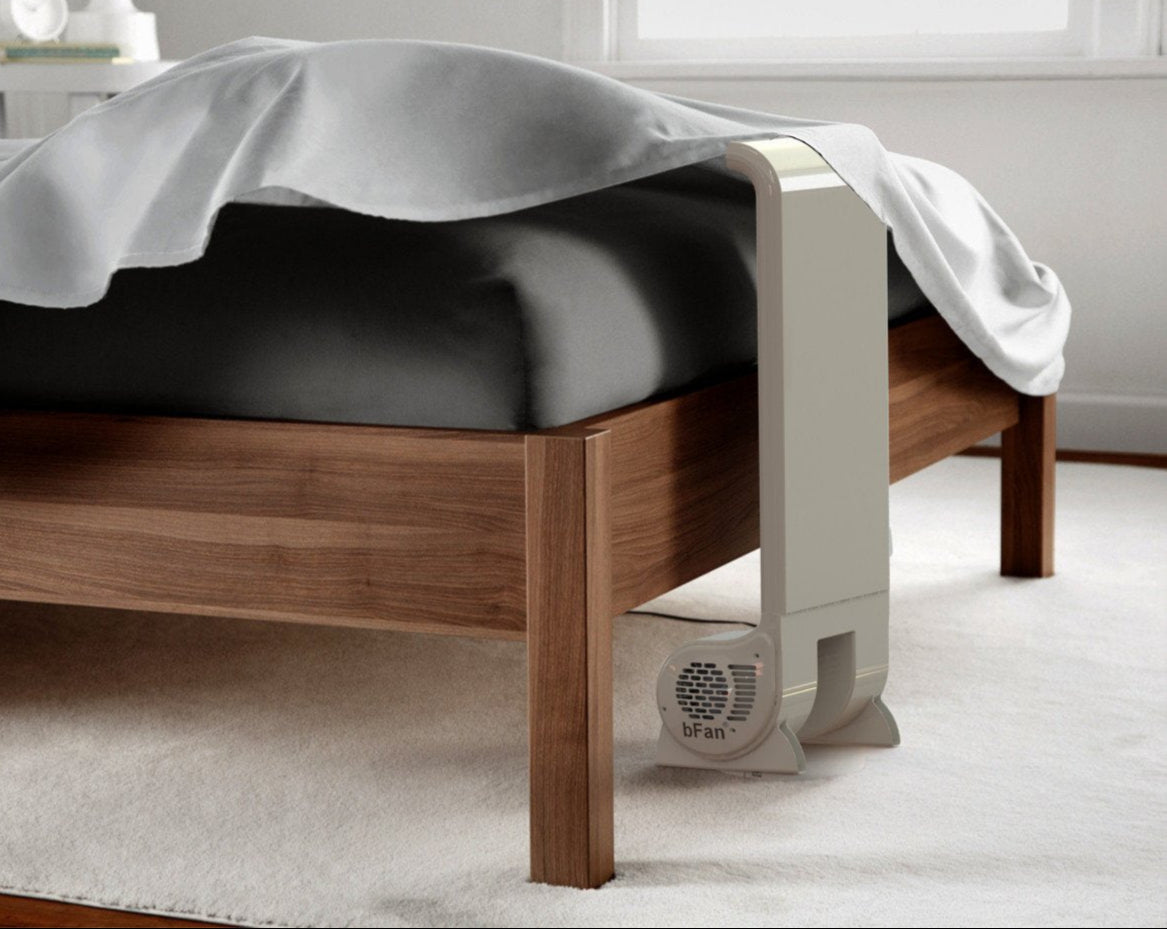
- Use a bFan: One of the best solutions out there is the bFan, also known as a bedfan or bed fan. This nifty device slides right under your sheets, circulating cool air directly over your body. It’s quiet, energy-efficient, and can help you sleep comfortably even if you need the room a bit warmer. In fact, with a bFan, many people find they can raise the room temperature by about 5°F and still sleep cool.
- Choose the Right Sheets: Pick sheets with a tight weave to help the air flow across your body and carry away extra heat.
- Wear Light Pajamas: Opt for breathable, moisture-wicking pajamas to help manage sweat.
2. Manage Stress
- Practice Relaxation Techniques: Deep breathing, meditation, or gentle yoga before bed can help.
- Maintain a Consistent Sleep Schedule: Go to bed and wake up at the same time every day, even on weekends.
- Limit Screen Time: Turn off electronics at least an hour before bed to help your mind unwind.
3. Adjust Your Diet
- Avoid Triggers: Spicy foods, caffeine, and alcohol can make night sweats worse.
- Stay Hydrated: Drink plenty of water throughout the day, and try to limit fluids right before bed to avoid nighttime trips to the bathroom.
4. Talk to Your Doctor About Medications
- Review Your Meds: If you’re on hormone therapy or other medications for endometriosis, ask your doctor if they could be contributing to your night sweats.
- Explore Alternatives: Sometimes switching medications or adjusting the dose can help reduce the side effects.
5. Try Natural Remedies
- Consider Herbal Supplements: Some women find relief using supplements like black cohosh or evening primrose oil, though the evidence is mixed, so always check with your doctor first.
- Experiment with Acupuncture: There’s some evidence that acupuncture can help with hot flashes and night sweats.
The bFan vs. Other Cooling Solutions
Let’s take a closer look at why the bFan stands out compared to other options, like the Bedjet.
- Cost: The Bedjet is about twice the price of a bFan, so if you’re searching for an affordable way to stay cool, the bFan is a smart choice.
- Dual-Zone Control: The bFan offers dual-zone microclimate control using two fans, allowing you and your partner to set your own comfort level at a fraction of the price you’d pay for a dual-zone Bedjet.
- Timer Controls: The bFan includes timer controls, helping you fall asleep comfortably as it turns off automatically after a set time.
- Proven Track Record: The original bFan hit the market several years before the Bedjet was even thought of, making it a tried-and-true solution that’s helped thousands sleep better.
- Energy Efficiency: The bFan uses only about 18 watts on average, so it won’t run up your electric bill.
- Quiet Operation: At normal operating speed, the bFan runs between 28db and 32db, which is about as quiet as a soft whisper or a gentle breeze.
Remember, neither the bFan nor the Bedjet actually cool the air, they simply use the cool air already in your room to help keep you comfortable.
Creating the Perfect Sleep Sanctuary
If you’re dealing with endometriosis and night sweats, your bedroom should be your sanctuary. Here’s how to make it work for you:
- Declutter: A tidy room helps your mind relax and settle.
- Block Out Light: Use blackout curtains or an eye mask to keep your room dark and calm.
- Limit Noise: If you live in a noisy area, consider a white noise machine or earplugs.
- Invest in Comfort: Choose a comfortable mattress and supportive pillows that also help regulate temperature.
When to See a Doctor
Night sweats can be a sign of something more serious, so don’t ignore them if:
- They’re Persistent: If you’re sweating through your sheets several nights a week, it’s time to get checked out.
- Other Symptoms Are Present: Unexplained weight loss, fever, or pain should always be evaluated by a doctor.
- They’re Affecting Your Life: If night sweats make it hard for you to function during the day, don’t wait—seek help.
Living Well with Endometriosis
Endometriosis is a chronic condition, but it doesn’t have to control your life. With the right strategies, you can manage your symptoms and get the restful sleep you need. Here are a few final tips:
- Stay Informed: The more you know about endometriosis, the better you can advocate for yourself.
- Build a Support System: Connect with others who understand what you’re going through, whether it’s friends, family, or support groups.
- Take Care of Your Whole Self: Focus on your mental and emotional health, too. Therapy, journaling, or simply talking with a friend can make a big difference.
Frequently Asked Questions About Endometriosis and Night Sweats
What causes night sweats in people with endometriosis?
Night sweats in endometriosis are primarily caused by hormonal imbalances, especially fluctuations in estrogen and progesterone. These hormones play a significant role in regulating your body temperature, so when they’re out of balance, your body struggles to remain cool at night. Inflammation and certain medications used to treat endometriosis can also contribute.
Are night sweats a common symptom of endometriosis?
Yes, night sweats are a lesser-known but significant symptom of endometriosis. Many women with endometriosis report experiencing night sweats alongside other symptoms like pelvic pain, fatigue, and sleep disturbances. If you’re noticing regular night sweats, it’s worth discussing with your healthcare provider.
How can I manage night sweats caused by endometriosis?
Managing night sweats begins with keeping your bedroom cool, ideally between 60°F and 67°F. Using a bFan or bed fan, which circulates cool air under your sheets, can make a big difference in comfort. Wearing moisture-wicking pajamas, choosing sheets with a tight weave, and practicing stress-reduction techniques before bed all help reduce the frequency and severity of night sweats.
Do hormonal treatments for endometriosis make night sweats worse?
Some hormonal treatments, like certain birth control pills or hormone therapies, can trigger or worsen night sweats as a side effect. If you notice your night sweats getting worse after starting a new medication, talk to your doctor about possible alternatives or dose adjustments. It’s important to find a treatment plan that works well with your whole body.
Can night sweats from endometriosis affect my sleep quality?
Absolutely, night sweats can disrupt your sleep by waking you up multiple times during the night, leaving you tired and groggy the next day. Over time, poor sleep can impact your mood and overall health, so addressing night sweats is key to improving your sleep quality and daily well-being.
Are there any lifestyle changes that can help reduce night sweats?
Yes, several lifestyle changes can be of great help. Avoiding spicy foods, caffeine, and alcohol in the evening, keeping your room dark and quiet, using breathable bedding, and trying relaxation techniques like meditation or gentle yoga can all make a difference. Also, stay hydrated during the day while limiting fluids right before bedtime.
Is there a difference between night sweats from endometriosis and menopause?
While both endometriosis and menopause can cause night sweats, the underlying causes differ. In endometriosis, hormonal imbalances and inflammation are the main culprits, while menopause-related night sweats are due to the natural decline in estrogen that comes with aging. If you’re unsure what’s causing your symptoms, consult your doctor for guidance.
Can using a bFan really help with night sweats from endometriosis?
Yes, using a bFan or bed fan can be a game-changer for those dealing with night sweats. By circulating cool air directly under your sheets, it helps maintain a stable body temperature and wicks away sweat, allowing you to sleep more comfortably. Many users even find that they can raise their room temperature by about 5°F and still stay cool, which is especially useful if you share your bedroom.
When should I see a doctor about night sweats and endometriosis?
You should seek medical advice if your night sweats are persistent, severe, or accompanied by other symptoms like unexplained weight loss, fever, or pain. If night sweats are interfering with your daily life or sleep quality, don’t hesitate to contact your healthcare provider. They can help pinpoint the cause and recommend effective treatments.
Can diet or supplements help with endometriosis-related night sweats?
Some individuals find relief by making dietary changes, such as reducing caffeine and spicy foods, and adding anti-inflammatory foods to their meals. Certain supplements, such as black cohosh or evening primrose oil, are sometimes used, but always check with your doctor before starting any new supplement. What works for one person may not work for another, so finding what best suits your body is important.
Final Thoughts
Night sweats are more than just a nuisance, they can signal that your body needs some extra care, especially if you’re living with endometriosis. The good news is, you don’t have to suffer in silence. By understanding what’s going on, making a few adjustments to your sleep environment, and exploring solutions like the bFan, you can take control of your nights and wake up feeling refreshed.
Remember, you’re not alone in this. Millions of women face the same challenges, and there’s plenty of help available. Don’t be afraid to ask questions, seek advice, and try new strategies until you find what works for you. And if you’re on the lookout for a simple, effective way to beat the heat at night, give the bFan a try, you might be surprised at how much better you can sleep.
Here’s to cooler nights, better sleep, and a healthier, happier you.
Resources
- Endometriosis Overview: Visit Mayo Clinic's endometriosis page for a comprehensive overview of endometriosis, including symptoms, causes, and treatment options.
- Night Sweats in Women: Detailed information about the causes of night sweats in women can be found at the Sleep Foundation.
- Hormones and Endometriosis: Read about the relationship between hormones and endometriosis at The Journal of Clinical and Reproductive Medicine.
- Managing Endometriosis: For practical advice and up-to-date research on managing endometriosis, check out the Office on Women’s Health.
- Endometriosis and Sleep Disturbances: Find more on the link between endometriosis and sleep problems at the American Sleep Association.
- Diet and Endometriosis: Explore how dietary changes can affect endometriosis symptoms at Endometriosis UK.
- Medications for Endometriosis: Learn about different medications used to treat endometriosis, including possible side effects like night sweats, at Cleveland Clinic.
- Support and Community: Connect with others and access educational materials by visiting the Endometriosis Association.
Share