Hypoglycemia Night Sweats: Symptoms and Solutions
Hypoglycemia Night Sweats: Symptoms and Solutions
Night sweats are a common complaint among individuals with diabetes and those prone to blood sugar fluctuations. While sweating at night can be caused by a variety of factors, hypoglycemia, low blood sugar, is a particularly important and sometimes overlooked culprit. For many, these episodes are not only uncomfortable but can also be a sign of underlying health issues that require attention. This comprehensive article explores the connection between hypoglycemia and night sweats, delves into the causes and symptoms, and provides practical solutions, including how innovative products like the bFan from www.bedfans-usa can help improve sleep quality for those affected.
image
What Is Hypoglycemia?
Hypoglycemia refers to a condition where blood glucose levels fall below the normal range, typically under 70 mg/dL (3.9 mmol/L). Although it is most commonly associated with diabetes, especially for those taking insulin or certain oral medications, it can also occur in people without diabetes because of various medical or lifestyle factors.
Causes of Hypoglycemia
- Diabetes Medications: These include insulin and sulfonylureas, which can lower blood sugar excessively.
- Skipping Meals: Not eating enough or delaying meals can cause blood sugar to drop.
- Excessive Alcohol Consumption: Alcohol can interfere with the liver’s ability to release glucose.
- Intense Physical Activity: Exercise increases glucose utilization, which can lead to hypoglycemia if not balanced with food intake.
- Hormonal Imbalances: Conditions affecting cortisol, growth hormone, or adrenaline can impact your blood sugar regulation.
- Critical Illnesses: Severe infections, and kidney or liver disease can disrupt your glucose balance.
image
Why Does Hypoglycemia Cause Night Sweats?
Night sweats are episodes of excessive sweating during sleep, often soaking your pajamas or bed sheets. When hypoglycemia strikes at night, the body responds by releasing stress hormones like adrenaline and cortisol. These hormones trigger the "fight or flight" response, which results in an increased heart rate, anxiety, and sweating. The body’s attempt to restore normal blood sugar levels can lead to intense perspiration, especially during sleep when you are less likely to notice early warning signs.
The Science Behind Night Sweats
- Adrenaline Surge: Low blood sugar stimulates the adrenal glands to release adrenaline, which increases sweating.
- Thermoregulation: Hypoglycemia can disrupt the body’s temperature regulation, leading to chills followed by sweating.
- Autonomic Nervous System Activation: The sympathetic nervous system becomes activated, causing symptoms like sweating, palpitations, and trembling.
image
Recognizing the Symptoms of Nocturnal Hypoglycemia
Nocturnal hypoglycemia can be particularly dangerous because it often goes unnoticed. However, there are symptoms that may indicate its presence:
- Waking Up Sweaty: You might notice soaked sheets or pajamas upon waking.
- Nightmares or Vivid Dreams: Your brain’s reaction to low glucose can trigger intense dreams.
- Restlessness: You could find yourself tossing and turning, or waking up multiple times.
- Morning Headache: This could be a sign that your blood sugar was low during the night.
- Fatigue: Feeling unusually tired or groggy upon waking.
- Confusion or Irritability: Low glucose levels affect brain function, often causing mood changes.
If you or a loved one experience these symptoms regularly, it’s important to discuss them with a healthcare provider and explore appropriate treatment options.
image
Who Is at Risk for Hypoglycemia Night Sweats?
While anyone can experience hypoglycemia, some groups are at higher risk for nocturnal episodes:
- People with Type 1 or Type 2 Diabetes: This risk is particularly true for those on insulin or sulfonylureas.
- Children with Diabetes: They may not recognize or communicate their symptoms.
- Older Adults: Age-related changes in glucose regulation and medication metabolism can increase the risk.
- Individuals with Hormonal Disorders: Conditions such as Addison’s disease or pituitary insufficiency can increase susceptibility.
- People with Eating Disorders: Irregular eating patterns can lead to significant blood sugar swings.
image
The Impact of Night Sweats on Sleep Quality
Night sweats can greatly disrupt your sleep, leading to several negative health effects:
- Sleep Fragmentation: Frequent awakenings reduce the time spent in restorative sleep stages.
- Insomnia: Anxiety about night sweats can make it hard to fall or stay asleep.
- Daytime Fatigue: Poor sleep quality often leads to reduced alertness and productivity.
- Mood Disorders: Chronic sleep disruption is linked to depression and anxiety.
For those with diabetes, poor sleep can worsen blood sugar control, creating a vicious cycle that is hard to break.
image
Diagnosing Nocturnal Hypoglycemia
If you suspect night sweats are related to hypoglycemia, your healthcare provider may recommend:
- Blood Glucose Monitoring: This involves checking your blood sugar before bed, during the night, and upon waking.
- Continuous Glucose Monitoring (CGM): These devices track glucose levels throughout the night and alert you to drops, keeping you safer.
- Review of Medications: Sometimes an adjustment of insulin or oral hypoglycemic agents is necessary.
- Dietary Assessment: Ensuring you have adequate carbohydrate intake, especially before bedtime, can help stabilize your levels.
image
Managing and Preventing Hypoglycemia Night Sweats
There are several ways to manage and even prevent hypoglycemia night sweats.
1. Medication Adjustments
Work closely with your healthcare provider to tailor your insulin or medication regimens. They may recommend:
- Evening Insulin Reduction: Reducing the dose at night can help avoid lows.
- Longer-Acting Insulins: Switching to these can lower the risk of nocturnal hypoglycemia.
- Timing Adjustments: Adjusting when you take your medications can make a big difference.
2. Dietary Strategies
Consider these tips to keep your blood sugar stable:
- Bedtime Snack: A small snack with complex carbohydrates and protein can help maintain stable glucose levels overnight.
- Avoid Alcohol Before Bed: Alcohol can lead to nighttime lows.
- Consistent Meal Timing: Regular eating patterns are key to preventing swings.
3. Lifestyle Modifications
Some everyday changes can be very effective:
- Monitor Physical Activity: Intense exercise in the evening can lower your blood sugar overnight.
- Manage Stress: Stress hormones do affect glucose regulation, so keep an eye on your stress levels.
4. Use of Technology
Modern technology can help you stay ahead:
- Continuous Glucose Monitors (CGMs): These are great for alerting you to drops in glucose levels, even while you sleep.
- Smart Insulin Pumps: Some can automatically adjust insulin delivery based on your readings.
image
Creating a Comfortable Sleep Environment
Night sweats can make sleep uncomfortable, so creating a sleep environment that manages temperature and moisture becomes essential.
The Role of Bedding and Room Temperature
Here are some ideas to help keep your bed cool:
- Breathable Bedding: Use moisture-wicking sheets and lightweight blankets.
- Cool Room Temperature: Experts recommend keeping your bedroom between 60°F and 67°F. With a bFan, many people find they can raise the room temperature by about 5°F and still sleep cool.
- Fans and Air Circulation: Promoting airflow helps evaporate sweat and maintains comfort.
How the Bedfan Can Help
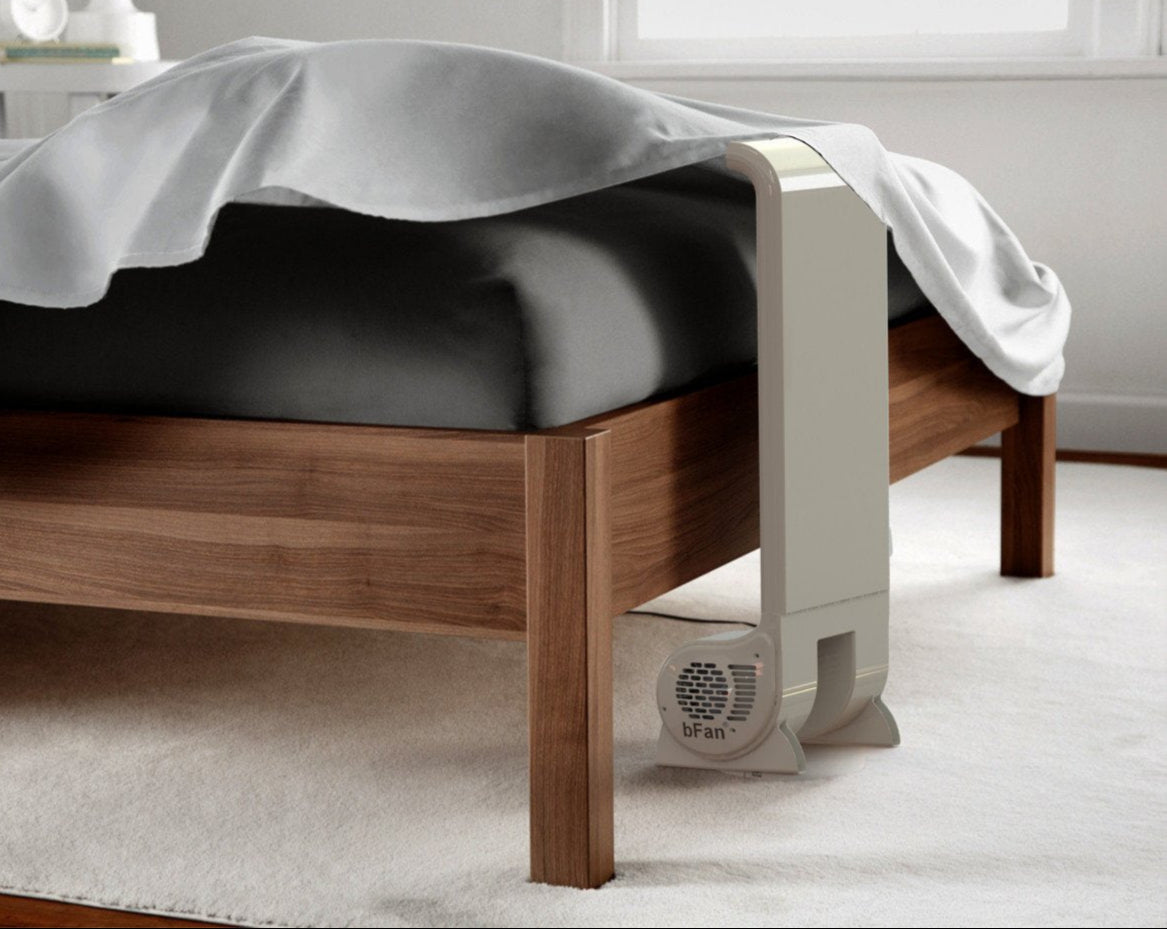
The Bedfan (bFan, bed fan, or bfan) is a unique solution designed specifically to address night sweats and overheating during sleep. Unlike traditional ceiling fans or air conditioning units, the Bedfan directs a gentle stream of air between your sheets, using only the cool air in the room to cool your bed without lowering the overall room temperature. Its sound level ranges between 28db and 32db at normal operating speed, ensuring a peaceful sleep environment. Many users have found that incorporating the bFan into their nightly routine significantly reduces the discomfort caused by night sweats. Its dual-zone microclimate control, which works using two fans, is a fraction of the price compared to competitors like the Bedjet, which is twice as expensive. The Bedfan also offers timer controls to help you reach optimal sleep, making it a smart, energy-efficient option at only 18 watts on average. When using a Bedfan, having sheets with a tight weave is best to help the air flow across your body and carry away excess heat.
image
Additional Tips for Managing Night Sweats
Here are some extra ideas you can try tonight:
- Stay Hydrated: Drink water throughout the day, but avoid large amounts right before bed to minimize nighttime trips to the bathroom.
- Wear Lightweight Pajamas: Choose moisture-wicking, breathable fabrics to stay comfortable.
- Shower Before Bed: A cool shower can lower your body temperature and promote relaxation.
- Keep a Towel Nearby: It helps if you wake up sweaty and need to quickly dry off.
- Track Symptoms: Maintain a sleep diary to identify any patterns or triggers.
image
When to Seek Medical Attention
While occasional night sweats might not be worrisome, frequent or severe episodes, especially when accompanied by other symptoms, should be checked out by a doctor. You should seek medical attention if you experience:
- Frequent Hypoglycemic Episodes: Multiple lows per week can be dangerous.
- Seizures or Loss of Consciousness: Severe hypoglycemia can be life-threatening.
- Unexplained Weight Loss: This could indicate an underlying medical condition.
- Persistent Fatigue or Mood Changes: Such symptoms may signal poor glucose control or sleep disorders.
image
The Psychological Impact of Night Sweats
Dealing with hypoglycemia night sweats can take its toll on your mental health. Anxiety about nighttime lows may lead you to avoid sleep, and partners can also be affected because disrupted sleep puts stress on relationships. It is important to address both the physical and emotional aspects of nocturnal hypoglycemia for overall well-being.
image
The Importance of Education and Support
Education plays a key role in managing hypoglycemia and its effects. You and your family should know:
- Symptoms of Low Blood Sugar: Recognize them both during the day and at night.
- How to Treat Hypoglycemia: Have quick-acting carbohydrates like glucose tablets or juice on hand.
- When to Adjust Medications: Always do this in consultation with your healthcare provider.
- The Role of Technology: Learn how to use CGMs and alarms effectively.
Support groups, diabetes educators, and online communities can offer valuable resources and encouragement.
image
Innovative Solutions: The Bedfan in Focus
As mentioned earlier, the Bedfan or bFan is a practical tool for those struggling with night sweats. Its design allows for customizable airflow, ensuring every user can find the right level of comfort. Unlike ceiling fans or air conditioning systems, the Bedfan uses only the cool air in the room to cool your bed, making it efficient and energy-friendly. The dual-zone microclimate control is an unbeatable feature compared to options like Bedjet, which is twice the price of the Bedfan. Many users appreciate that the original Bedfan came to market several years before alternatives were even considered. The Bedfan’s targeted approach, timer controls, and low energy consumption make it an ideal choice for anyone looking to reduce the discomfort of hypoglycemia night sweats while ensuring that you and your partner can sleep soundly.
Frequently Asked Questions About Hypoglycemia Night Sweats
What are hypoglycemia night sweats?
Hypoglycemia night sweats are episodes of excessive sweating during sleep due to low blood sugar levels. When your blood sugar drops, your body releases adrenaline and other stress hormones, which trigger intense perspiration. This is a common symptom for people with diabetes, especially those on insulin or certain oral medications.
Why do I wake up sweaty when my blood sugar is low?
When your blood sugar drops during sleep, your body releases adrenaline and other stress hormones to raise your glucose levels. This hormonal surge activates the sympathetic nervous system, causing symptoms like sweating, rapid heartbeat, and sometimes anxiety or nightmares. Waking up sweaty is a direct result of this physiological response.
Are night sweats always a sign of hypoglycemia?
No, night sweats can have many causes, including menopause, infections, certain medications, and sleep disorders. However, for people with diabetes or those at risk for low blood sugar, hypoglycemia is a common cause, so it is important to monitor your blood glucose levels and consult with your healthcare provider to determine the exact cause.
What other symptoms might accompany hypoglycemia night sweats?
Other symptoms that might accompany them include vivid nightmares, restless or disturbed sleep, a headache upon waking, confusion, irritability, and feeling unusually tired in the morning. Some people may experience trembling, palpitations, or even seizures if their blood sugar drops very low during the night.
How can I prevent hypoglycemia night sweats?
Prevention strategies include working with your healthcare provider to adjust your diabetes medications, having a balanced bedtime snack, monitoring your blood glucose before sleep, and using continuous glucose monitoring (CGM) devices. Avoiding alcohol and maintaining consistent meal times also helps reduce your risk.
Is it dangerous to have hypoglycemia at night?
Yes, nocturnal hypoglycemia can be dangerous because its symptoms often go unnoticed during sleep, increasing the risk of severe lows. Severe hypoglycemia can lead to confusion, loss of consciousness, or even seizures, so addressing frequent episodes with your healthcare team is essential.
Can products like the Bedfan help with night sweats?
Yes, the Bedfan, also known as bFan or bed fan, can help manage the discomfort of night sweats by providing targeted airflow between your sheets. This airflow helps evaporate sweat quickly, keeps your sleeping environment cool and dry, and improves sleep quality for those suffering from hypoglycemia-related night sweats.
Should I wake my partner if they are sweating heavily at night?
If your partner has diabetes and is sweating excessively during sleep, it could be a sign of hypoglycemia. Gently wake them and, if possible, check their blood sugar. If they appear confused, unresponsive, or are having a seizure, seek emergency medical help immediately. It is always better to be safe when it comes to nocturnal hypoglycemia.
When should I see a doctor about night sweats?
You should consult a healthcare provider if you experience frequent or severe night sweats, particularly if they are accompanied by other symptoms such as confusion, headaches, or unexplained fatigue. Persistent night sweats may indicate an underlying condition that needs evaluation and treatment.
image
Conclusion
Hypoglycemia night sweats are more than just a nuisance, as they can be a sign of underlying health issues and can significantly impact your quality of life. Understanding the causes, recognizing the symptoms, and implementing effective strategies are essential steps toward better sleep and improved overall health. By working closely with healthcare providers, making thoughtful lifestyle adjustments, and utilizing innovative solutions like the bFan from www.bedfans-usa, you can take control of your nighttime comfort and reduce the burden of nocturnal hypoglycemia. Remember, managing night sweats is not just about staying dry, it is about achieving restful, restorative sleep and supporting your long-term well-being.
image
External Resources
- American Diabetes Association: Visit the American Diabetes Association: Hypoglycemia for comprehensive information on low blood sugar causes, symptoms, and treatments.
- National Institutes of Health: Check this National Institutes of Health: Night Sweats overview for details on potential causes and guidance on when to seek medical help.
- Mayo Clinic: Learn more about Continuous Glucose Monitoring and how it benefits blood sugar management.
- Sleep Foundation: Find evidence-based tips for improving your sleep hygiene in the Sleep Foundation: How to Sleep Better article.
- Bedfan Official Website: Visit Bedfan Official Website to learn more about how the Bedfan can help manage night sweats and improve sleep comfort.
image
Leave a comment
Please note, comments need to be approved before they are published.
Start sleeping cooler tonight
The bFan Bedfan
If you are a hot sleeper, you deserve the best fan at the best price. Order your original bFan Bedfan today.
Share