Can Sleep Help a Fever? Exploring the Science, Strategies, and Solutions for Restorative Recovery
Fever is one of the body’s most common responses to infection, signaling that the immune system is hard at work fighting off invaders. While fevers can be uncomfortable, they are often a sign that your body is doing what it needs to heal and naturally work toward a cure. One question we often hear when someone is battling a fever is, can sleep help a fever? The answer is a resounding yes, but the relationship between sleep and fever is nuanced and deeply rooted in your body’s natural healing processes. In this comprehensive article, we explore the science behind sleep and fever, share practical strategies for getting quality rest when you’re under the weather, and introduce innovative solutions like the bFan from www.bedfan.com to help you stay comfortable and recover faster. We’ll also touch on natural remedies, dispel common myths with clear facts, and address special considerations for pediatric care.
Understanding Fever: The Body’s Natural Defense
A fever is defined as a temporary increase in body temperature, often due to an illness. It’s nature’s way of fighting infections by making your body less welcoming to bacteria and viruses. The hypothalamus, which acts like your body’s thermostat, raises your temperature set point in response to pyrogens, substances produced by your immune system or invading pathogens.
Why Does the Body Raise Its Temperature?
- Inhibiting Pathogen Growth: A higher body temperature can slow down the replication of many bacteria and viruses.
- Boosting Immune Function: Fever increases the activity of white blood cells and other immune components, making your defenses run more efficiently.
- Signaling for Rest: The fatigue and malaise you feel during a fever remind you that your body needs to slow down and recover.
The Science of Sleep and Immunity
Sleep is the cornerstone of good health, and its role becomes even more important when you’re sick. Research shows that sleep and the immune system are closely linked. When you’re fighting an infection, getting enough sleep helps your body rally its defenses.
How Does Sleep Affect the Immune System?
- Cytokine Production: While you sleep, your body releases cytokines, proteins that regulate immune responses, some of which promote sleep while others fight infection and inflammation.
- Antibody Formation: Quality sleep supports the production of antibodies that identify and neutralize pathogens.
- Cellular Repair: Deep sleep is a time for cellular repair and regeneration, key to helping your body bounce back.
What Happens When You Don’t Get Enough Sleep?
A lack of sleep can weaken your immune system, making it harder to fend off an infection and potentially prolonging your recovery time. Chronic sleep deprivation has even been linked to an increased chance of getting ill.
Can Sleep Help a Fever?
The short answer is yes, sleep can help a fever by bolstering your immune system, promoting healing, and reducing the duration and severity of the illness. Here’s how:
1. Sleep Accelerates Recovery
When you sleep, your body shifts its focus from daily activities to fighting infection. This dedicated energy helps speed up your recovery and can ease symptoms like cough and congestion.
2. Sleep Reduces Inflammation
Fever often comes with inflammation that causes discomfort and pain. Sleep plays a big role in regulating these inflammatory processes, making you feel better overall.
3. Sleep Supports Thermoregulation
Your body’s temperature naturally fluctuates during sleep, and some sleep stages naturally bring your temperature down. This process can help control how high your fever spikes and improve your comfort.
4. Sleep Alleviates Symptoms
Rest gives your body a chance to conserve energy, reduce stress, and manage common fever symptoms like headaches, muscle aches, and fatigue. For example, if you have a persistent cough or nasal congestion, sleeping in the right environment can really ease your discomfort.
Challenges of Sleeping with a Fever
Sleeping with a fever isn’t always easy, and you might face a few common obstacles:
- Night Sweats: Fevers can cause you to sweat a lot, leading to discomfort and sleep interruptions.
- Chills and Shivering: Fluctuating body temperature might cause chills, making it hard to settle down.
- Restlessness: Fevers often bring about restlessness, which can keep you from falling or staying asleep.
- Dehydration: Excess sweating and increased metabolic activity might lead to dehydration, further disrupting your sleep.
Practical Strategies for Sleeping Better with a Fever
Improving your sleep when you have a fever takes some careful planning. Here are some strategies that work well:
1. Create a Cool, Comfortable Sleep Environment
A cool room can really help keep your body temperature in check. Sleep experts recommend keeping your room between 60°F and 67°F. Try these tips:
- Use Lightweight Bedding: Choose light blankets that won’t trap in too much heat.
- Wear Breathable Fabrics: Opt for cotton or moisture-wicking pajamas that help keep you cool.
- Open Windows or Use a Fan: Fresh air and gentle airflow can make a big difference in comfort.
2. Stay Hydrated
Make sure you drink plenty of fluids to replace what you lose when you sweat. Water, clear broths, and electrolyte solutions are great for maintaining hydration, and they can also help ease congestion.
3. Take Fever-Reducing Medications (If Advised)
Over-the-counter treatment options like acetaminophen or ibuprofen can lower your fever and reduce discomfort, which might help you get the sleep you need. Just be sure to follow the instructions or check in with a healthcare provider if you have any questions.
4. Practice Relaxation Techniques
Deep breathing, meditation, or light stretching can help calm your mind and body, making it easier to drift off to sleep.
5. Explore Natural Remedies
Some natural remedies, like herbal teas or the use of essential oils, can bring extra comfort when you’re sick. They might help soothe a cough or ease congestion, but always chat with your doctor first to check if these treatment options fit into your overall health plan.
6. Use Innovative Solutions Like the Bedfan
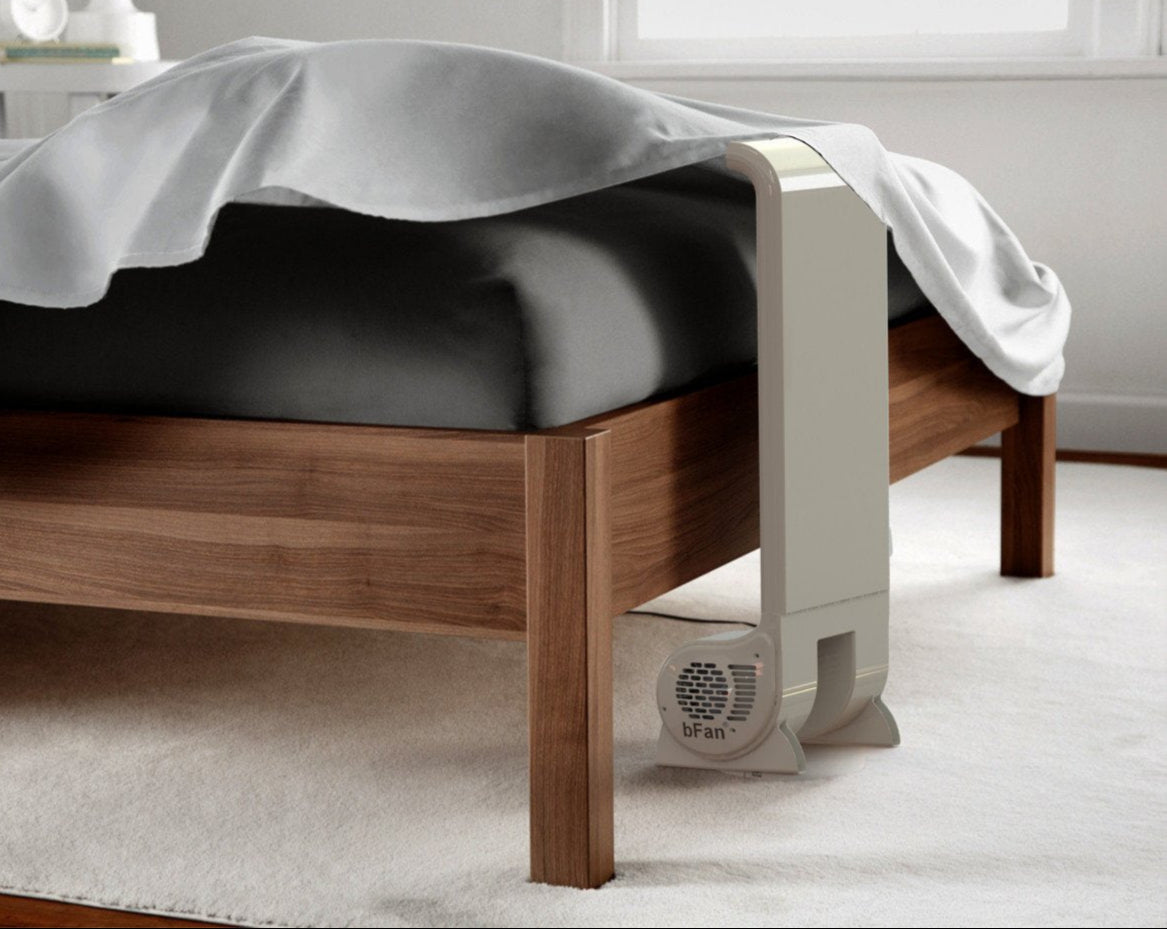
If night sweats or overheating are keeping you awake, consider trying a bed fan like the bFan from www.bedfan.com. This clever device uses the cool air already in your room to help lower the temperature of your bed. Here’s how it works:
How the Bedfan Works
The bed fan is placed at the foot of your bed and directs a gentle stream of cool air between your sheets. The bedfan does not cool your room’s air at all; it simply uses the cool air around you to help dissipate body heat. It’s adjustable, very quiet (between 28db and 32db at normal operating speed), and uses only 18 watts on average.
Benefits of the Bedfan for Fever Recovery
- Targeted Cooling: It directs cool air precisely where you need it, without disturbing your partner.
- Reduces Night Sweats: Keeps your bedding dry and comfortable so that you can sleep soundly.
- Enhances Sleep Quality: With timer controls built in, the bed fan can be programmed to match your sleep cycle while helping you maintain a consistent temperature.
- Energy Efficient: It uses just a fraction of the energy compared to other options.
- Cost-Effective Solution: Remember, Bedjet is twice the price of a bedfan, and the original bedfan has been a trusted solution for years before Bedjet even existed.
Using a bed fan is particularly smart if your sheets have a tight weave. This kind of fabric helps the cool air flow across your body, carrying away heat more effectively. Plus, sleep experts say that even if you raise your room temperature by about 5°F, you can still sleep cool with the right cooling system in bed.
The Role of Napping During Illness
Beyond your nightly sleep, daytime naps can also be really helpful. Short naps of 20 to 30 minutes sharpen your energy and support your immune function without messing with your nighttime sleep.
Tips for Effective Napping
- Keep Naps Short: Limit your nap to about 30 minutes so you don’t feel groggy.
- Nap Early: Try to keep naps before 3 p.m. to avoid interfering with your sleep at night.
- Create a Restful Environment: Use blackout curtains, a sleep mask, or a bit of white noise to block out distractions.
Myths and Facts about Sleep and Fever
There are plenty of myths out there about sleep and fever. One myth suggests that sleeping too much might make your condition worse. In reality, extra sleep supports your immune system and helps you recover. Another myth insists that children should avoid sleep during an illness, but rest and proper pediatric care are both essential for a child’s recovery. Always talk to a pediatrician if you aren’t sure about your child’s sleep needs when they’re sick.
When to Seek Medical Attention
While sleep is a powerful tool for recovery, some fevers call for medical help. You should get professional advice if you experience:
- A fever above 103°F (39.4°C) in adults
- A fever that lasts more than three days
- Severe headache, stiff neck, or confusion
- Difficulty breathing or chest pain
- Persistent vomiting or signs of dehydration
And for children, especially, consult a pediatrician if their fever is very high, lasts too long, or comes with severe symptoms. Proper pediatric care is paramount to ensure safety and a speedy recovery.
Sleep Hygiene Tips for Faster Recovery
Good sleep hygiene is crucial, especially when you’re not feeling well. Here are a few simple tips to help you optimize your sleep environment:
- Stick to a Routine: Try to go to bed and get up at the same time every day.
- Limit Screen Time: Avoid screens at least an hour before bed to reduce blue light exposure.
- Avoid Caffeine and Alcohol: Both can disrupt sleep and worsen dehydration.
- Keep the Bedroom Dark and Quiet: Use blackout curtains, earplugs, or white noise to create the perfect sleep space.
The Psychological Benefits of Sleep During Illness
Sleep isn’t just good for your body; it does wonders for your mind too. When you’re sick, a fever can bring on feelings of anxiety, irritability, and mood swings. Getting quality sleep helps regulate your mood, ease stress, and promote a sense of well-being, all of which guide you toward a smooth recovery.
The Bedfan: A Game-Changer for Fever Comfort
We mentioned the bFan earlier because it truly is a game-changer for anyone struggling with temperature regulation when they’re sick. Whether you call it a bedfan, bed fan, or bFan, this innovative little device stands out by providing targeted cooling without the need for expensive air conditioning or noisy fans.
Real-Life Testimonials
Many people have shared stories of how using a bedfan transformed their sleep quality when fever hit. Users report that once their night sweats and overheating were under control, their cough and congestion eased. This extra comfort speeds up the journey toward a full recovery, making those long nights a bit more bearable.
Frequently Asked Questions About Sleep and Fever
1. Should I force myself to sleep when I have a fever?
Listen to your body. If you’re tired, rest soundly without forcing yourself.
2. Is it safe to sleep with a high fever?
Generally, yes, but keep an eye on your symptoms. Seek medical advice if your fever is very high or accompanied by other concerning symptoms.
3. Can sleeping too much be harmful during a fever?
Your body may need extra sleep when you’re sick. However, if you’re sleeping more than 10 to 12 hours regularly, it might be a sign of something more serious, so checking with a healthcare provider could be a wise move.
4. How can I prevent night sweats during a fever?
Try lightweight bedding, stay well-hydrated, and if needed, consider a cooling solution like the bFan to keep cool. Natural remedies may also provide additional relief when used alongside proper care.
5. Can children sleep with a fever?
Yes, children can and should sleep during a fever, though it’s always smart to monitor their symptoms closely and consult a pediatrician if there are any concerns.
Conclusion: Sleep Is Essential for Fever Recovery
Sleep is a powerful tool in your recovery, helping to support your immune system, speed up healing, and relieve symptoms. Even though sleeping with a fever can be challenging because of discomfort, night sweats, and restlessness, practical strategies, natural remedies, and innovative solutions like the bFan can make a big difference. Prioritizing rest not only sets you on the path toward a complete cure but also eases symptoms like cough and congestion. Create a comfortable sleep environment, listen to your body, and know that solutions like a bed fan from www.bedfan.com have been helping people sleep cooler and recover faster for years.
Bedfan vs. Bedjet: What’s the Difference?
If you’re looking for a sleep comfort upgrade, you might be weighing your options. Here’s what you need to know:
- Bedfan is More Affordable Bedjet is about twice the price of a Bedfan, especially if you want dual-zone control.
- Dual-Zone Microclimate Control The Bedfan offers this feature using two fans, so you and your partner can each set your own comfort level, without breaking the bank.
- Energy Efficiency Bedfan uses just 18 watts on average, so it won’t spike your energy bill.
- Quiet Operation With a sound level between 28db and 32db, the Bedfan is whisper-quiet at normal speeds.
- Timer Controls The Bedfan lets you set a timer to help you reach the recommended amount of sleep.
- Original Innovator The Bedfan was on the market years before Bedjet, so you’re getting a tried-and-true solution.
- No Air Cooling Neither Bedfan nor Bedjet actually cool the air, they just use the cool air already in your room to keep you comfortable.
When to See a Doctor
While sleep is a powerful tool for recovery, some fevers need medical attention. Call your healthcare provider if you notice:
- Persistent High Fever If your fever lasts more than three days or spikes above 103°F.
- Severe Symptoms Trouble breathing, chest pain, confusion, or persistent vomiting.
- Worsening Condition If you’re not improving or symptoms are getting worse.
The Bottom Line
Sleep really can help your body fight off a fever, but getting comfortable enough to rest is key. With the right strategies, a cool room, and a little help from a Bedfan, you can give your body the restorative sleep it needs to recover. Remember, always listen to your body and reach out to a healthcare professional if you’re concerned.
image
Resources
CDC: Fever - Overview and When to Seek Care
Comprehensive information from the Centers for Disease Control and Prevention about fever causes, symptoms, and when to seek medical help.
Sleep Foundation: How Sleep Affects Immunity
An in-depth look at the relationship between sleep and your immune system, including tips for better rest when you’re sick.
Mayo Clinic: Fever - First Aid
Practical advice from Mayo Clinic on managing fever at home and recognizing warning signs that require medical attention.
Johns Hopkins Medicine: Tips for Sleeping Better When Sick
Expert tips from Johns Hopkins Medicine on improving sleep quality during illness, including fever.
Share
Leave a comment
Please note, comments need to be approved before they are published.
Start sleeping cooler tonight
The bFan Bedfan
If you’re a hot sleeper, you definitely deserve the best fan at the best price. Order your original bFan Bedfan today and enjoy dual-zone microclimate control at a fraction of the price of other solutions. The bFan’s timer controls help you reach that recommended sleep stage, all while using just 18 watts on average. And remember, neither the Bedfan nor Bedjet cool the air; they simply use the cool air in your room, which means that even if you raise your room temperature by about 5°F, you can still sleep cool. Sleep experts recommend keeping your room between 60°F and 67°F, and a bed fan from www.bedfan.com ensures that you stay comfortable, even on those feverish nights.
Share