
Steroids Night Sweats: Understanding the Connection
Steroids Night Sweats: Understanding the Connection
If you’ve started a steroid medication and suddenly your sleep is a mess, you’re not imagining it. Night sweats can show up with steroid use, and for some people they hit hard enough to soak sheets, wake them up, and leave them feeling wrung out the next day.
The tricky part is that “steroids” covers more than one type of drug. Oral corticosteroids, like prednisone, are the clearest example linked with sweating and night sweats in mainstream clinical sources. Anabolic steroids are murkier, at least in direct research on night sweats themselves, though hormone swings and withdrawal can still make overheating more likely. Then there’s androgen deprivation therapy, which works through sex hormone pathways and is well known to trigger hot flashes and night sweats.
That means the right question usually isn’t just, “Can steroids cause night sweats?” but also, “Can other medications exacerbate these effects?” It’s, “Which steroid, what dose, when did the sweating start, and is anything else going on?”
Can steroids cause night sweats?
Yes, they can.
Reputable clinical sources list medications, including steroids among causes of night sweats. When doctors think through new nighttime sweating, they often look at medication changes early, especially if symptoms began soon after a prescription started, the dose went up, or a steroid injection was given.
Systemic corticosteroids are the strongest fit here. These are medicines like prednisone, prednisolone, methylprednisolone, and similar drugs that affect the whole body. Drug references commonly list increased sweating as a side effect, highlighting the importance of understanding potential side-effects when using these medications. That does not always show up specifically as “night sweats” in study language, but in real life, more sweating plus sleep disruption often becomes nighttime sweating.
Sleep quality tends to get hit from two angles at once. Steroids can increase stress levels, make you feel warmer or sweat more, and they can also make you more alert, restless, or wired at night, which may lead some people to consider antidepressants to help manage these side effects, along with using antiperspirant to help manage increased sweating. That combination is rough. Sleep experts commonly recommend a bedroom temperature between 60°F and 67°F, 15.5°C to 19.5°C, for better sleep. With a Bedfan, many people can often raise the room temperature by about 5°F and still cool the body enough for more restful sleep, because the airflow helps move trapped heat away from your skin instead of forcing you to overcool the whole room.
Which steroid types are most linked to night sweats?
Not every steroid carries the same risk, and this is where a lot of confusion starts.
Oral and injected corticosteroids, such as prednisone, are the ones most often connected with sweating complaints, and they can also influence blood pressure. These medications can affect sleep, blood sugar, mood, circulation, and your sense of heat. Topical and inhaled steroids usually have lower whole body exposure, so they’re less likely to be the main cause, though there are exceptions if dosing is high or other symptoms are in play.
Anabolic androgenic steroids are a different story. Direct, high quality research measuring night sweats as a distinct symptom is limited, but hormones play a crucial role in how the body responds to anabolic steroid use. Still, hormone instability, estrogen conversion, anxiety, and withdrawal after stopping use can all set the stage for sweating episodes, including during sleep. Androgen deprivation therapy has even stronger evidence for hot flashes and night sweats, because hormone withdrawal is a known driver of vasomotor symptoms.

After you’ve got the big picture, these are the categories worth keeping in mind:
- Systemic corticosteroids: Prednisone and similar drugs are the clearest medication class linked with increased sweating and medication related night sweats.
- Injected corticosteroids: Steroid shots can trigger flushing, sleep disruption, and a temporary sense of overheating in some people.
- Topical or inhaled steroids: These are less likely to cause full body sweating, though heavy use or sensitive patients can still react.
- Anabolic steroids: The evidence is less direct, but hormone swings during use or after stopping can make night sweating more likely.
- Androgen deprivation therapy: This has one of the strongest connections to hot flashes and night sweats, even though it’s not the same thing as recreational anabolic steroid use.
Why steroids can make you sweat at night
There isn’t just one pathway.
Corticosteroids can push the body into a more stimulated state, often exacerbating symptoms of hyperhidrosis such as excessive sweating. Some people feel restless, irritable, or unable to settle down, especially if the dose is high or taken later in the day. If sleep gets lighter and more broken, normal temperature changes during the night can feel much bigger, and mild sweating can turn into repeated wakeups.
Steroids can also affect blood sugar. That matters because glucose swings can trigger sweating, shakiness, and a general feeling of being overheated or unwell. If you already have diabetes, prediabetes, or a history of glucose problems, this piece deserves attention.
Flushing is another factor. After some steroid injections or higher dose treatment, people report feeling hot in the face, chest, or whole body. You may not notice that much while you’re busy during the day. In bed, under blankets, it becomes a lot more obvious.
With anabolic steroids, the likely story is often hormone instability. Your natural hormone production can get suppressed, and when levels rise or fall sharply, the brain’s temperature control system can get thrown off. Withdrawal can add anxiety, low mood, and autonomic arousal, all of which can feed into sweating at night.
Sometimes the pattern gives you clues:
- Timing: Sweats that begin soon after starting prednisone or after a dose increase are more suspicious for a medication effect.
- Sleep disruption: If you also feel wired, restless, or unable to fall asleep, the steroid may be affecting arousal as much as sweating.
- Blood sugar changes: Thirst, frequent urination, or unusual fatigue can hint that steroid related glucose shifts are part of the picture.
- Hormone swings: Night sweats after stopping anabolic steroids, or during sex hormone suppression therapy, may fit a withdrawal or vasomotor pattern.
When steroid night sweats need medical attention
A lot of steroid related sweating is annoying rather than dangerous, but not all of it should be brushed off.
Steroids can also raise the risk of infection, and infection itself is a classic cause of night sweats. That overlap matters. If the sweats are brand new, severe, or soaking, and especially if you also have fever, cough, weight loss, diarrhea, or unusual weakness, you need a real medical review instead of just cooling the room and hoping it passes.
There’s also a simple medication safety point here. Never stop a prescribed steroid suddenly unless your clinician tells you to. Some steroid medicines need tapering, and quitting abruptly can create its own problems.
Watch more closely if any of these show up:
- Fever or chills, especially if you’re taking oral steroids that can make infections harder to spot
- Unexplained weight loss, or a sharp drop in appetite
- Persistent cough, chest pain, or shortness of breath
- Severe thirst, blurry vision, or frequent urination, which can point to high blood sugar
- Drenching sweats, signs of hyperhidrosis, or excessive sweating, where pajamas or bedding are repeatedly soaked, make antiperspirant use essential for managing daytime symptoms
- New symptoms after stopping anabolic steroids, including mood changes, depression, or marked fatigue
Practical ways to sleep better with steroid night sweats
The first step is boring, but it works. Review the medications with the prescriber. Ask whether the dose, timing, or route could be contributing. In some cases a morning dose, rather than a later one, may help reduce nighttime restlessness. If the steroid is essential, symptom control becomes the next best move.
Your sleep setup matters more than most people think. Heavy bedding traps heat and moisture, and once sweat gets stuck near the skin, it keeps waking you up. Breathable sleepwear helps. So do lighter layers that are easy to throw off and pull back on without fully waking.
With a Bedfan or other under sheet airflow system, tight weave sheets often work best because they help guide the air across your body and carry away heat and moisture more evenly. That surprises some people, but the goal is controlled airflow under the bedding, not a random breeze escaping everywhere.
The basics still count, especially if steroids are only part of the problem:
- Talk to your prescriber first, if the sweating started after a new steroid, such as prednisone, or a dose change
- Keep bedding lighter, so heat does not get trapped around your torso and legs
- Use breathable sleepwear, and keep a backup shirt nearby if you wake up damp
- Stay hydrated, since sweating through the night can leave you feeling lousy by morning
- Use targeted bed cooling, if lowering the whole house temperature isn’t realistic
Why a bed fan can help steroid night sweats
A bed fan does not treat the medical reason for night sweats. What it can do is make sleep a lot more livable while you and your clinician sort out the cause.
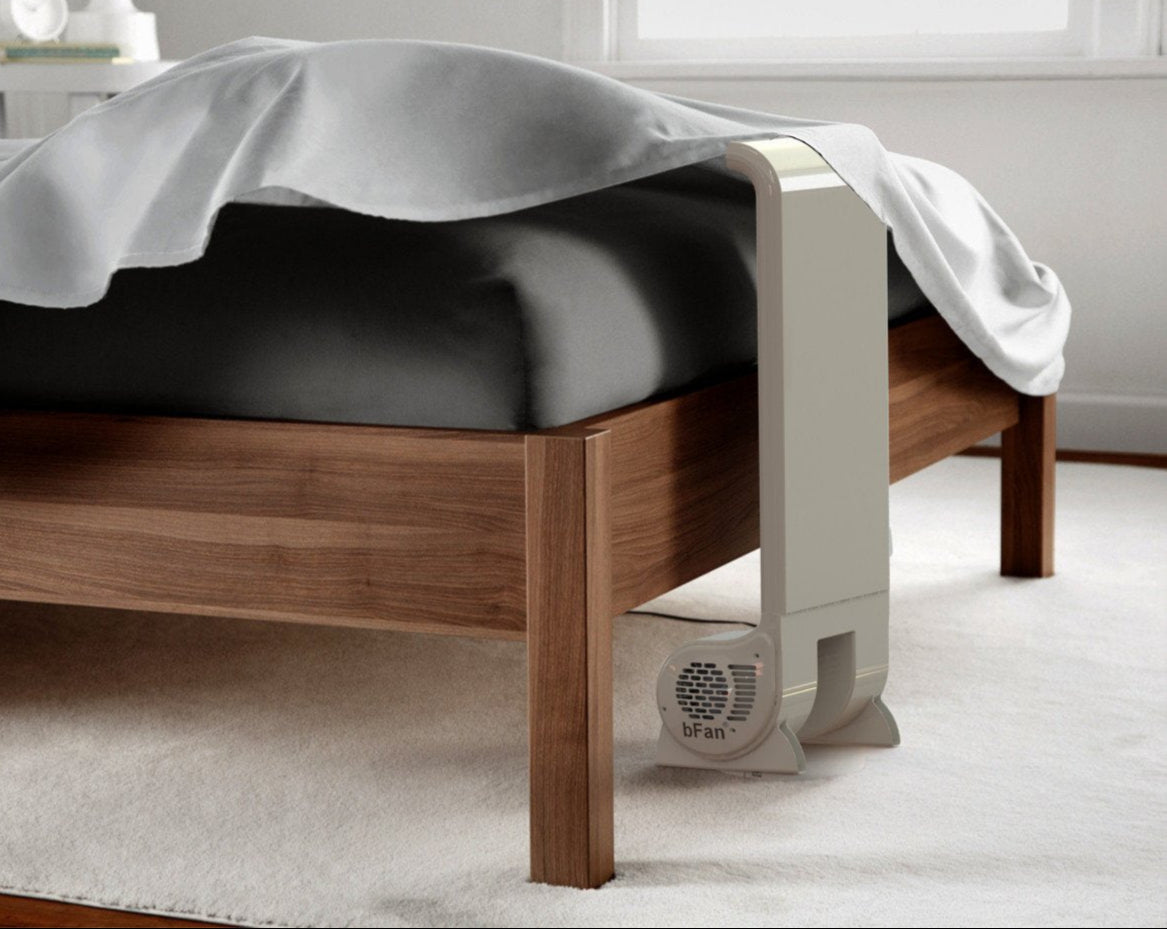
That’s where an under sheet system like the bFan bed fan from Bedfans USA stands out. It pushes room air into the bed microclimate, the warm pocket of air trapped under your sheets, so sweat can evaporate faster and body heat does not build up as easily. Sleep experts commonly recommend 60°F to 67°F for good sleep, and a Bedfan often lets people keep the room about 5°F warmer while still feeling cool enough to rest. That can mean lower air conditioning costs without giving up comfort.
There’s one point people get wrong all the time. Neither Bedfan nor Bedjet cools the air. They only use the cool air already in the room to cool your bed. So if your room is hot, any bed cooling fan has less cool air to work with. That’s why targeted airflow helps most when the room is at least reasonably cool, even if it is not set ice cold.
The Bedfan also keeps things simple. Normal operating sound is about 28db to 32db, which is quiet enough for most bedrooms. Average power use is about 18 watts, so it uses far less electricity than cranking the whole house AC down all night. Timer controls are useful too, especially if you tend to overheat in the first half of the night and want cooling without running it endlessly.
If you share a bed, two Bedfans can create dual zone microclimate control, one for each sleeper, at a fraction of the cost of a dual zone Bedjet. The dual zone Bedjet is over a thousand dollars, and more than twice the price of two Bedfans. Even one Bedjet is more than twice the price of a single Bedfan. The original Bedfan came to market several years before Bedjet was even thought of, and the core idea is still the same, move cool room air under the sheets where trapped heat is making sleep miserable.
That cost difference matters because many couples do not need fancy app driven hardware. They just need one person to stop overheating without turning the whole room into a meat locker.
If you’re trying to pick a cooling setup, keep these points in mind:
- Air source: A bed fan uses the cool air already in the room, it does not refrigerate air on its own
- Energy use: A Bedfan averages about 18 watts, which is tiny compared with lowering home AC several more degrees
- Noise level: Around 28db to 32db at normal speed is usually soft enough for sleep
- Couples: Two fans can give dual zone microclimate control without the price jump of a dual zone Bedjet
- Bedding fit: Tight weave sheets often help the airflow spread across the body instead of leaking out too fast
Steroid night sweats, sleep quality, and energy costs
Night sweats, often associated with conditions like hyperhidrosis and stress, are not just a comfort issue. They break up sleep in little chunks, and that can leave you foggy, irritable, and exhausted even if the total hours in bed look fine on paper.
Temperature is part of that. Sleep experts commonly recommend 60°F to 67°F, 15.5°C to 19.5°C, for better sleep because cooler conditions help the body settle into sleep more easily. The problem is that not everyone can afford to keep the thermostat there through the whole night, especially in warmer climates. A Bedfan can let many people raise room temperature by about 5°F and still cool the body enough for more restful sleep, which is why targeted bed cooling often appeals to budget minded households.
Steroid related overheating also tends to be very localized. You may feel hottest under the blanket, around the chest, back, or legs, even if the room itself is not that warm. That’s one reason under sheet airflow can be more effective than a regular room fan pointed across the bedroom. It gets into the space where the heat is actually trapped.
Frequently Asked Questions About Steroids and Night Sweats
Are night sweats a common side effect of prednisone?
Prednisone is one of the steroid medicines most often linked with increased sweating, side-effects, and elevated blood pressure in everyday clinical references. Not everyone gets night sweats, and exact numbers are not well pinned down, but the connection is strong enough that doctors do consider it when symptoms begin after starting treatment.
If your sleep got worse soon after prednisone was added, or after the dose changed, or if you're taking antidepressants that affect sleep patterns, it’s worth bringing up. The pattern matters, especially if you also feel wired, flushed, or unusually thirsty at night.
Can a steroid shot cause night sweats?
Yes, it can in some people. Steroid injections can trigger temporary flushing, sleep disruption, and a sense of heat that becomes more noticeable at bedtime.
If the timing is close, say within hours or the next day or two, the shot may be part of the story. If sweating continues or is severe, especially if it suggests conditions like hyperhidrosis, it’s smart to check whether something else is going on too.
Do anabolic steroids cause night sweats?
They can, but the evidence is less direct than it is for corticosteroids. What is better documented is hormone disruption during use, plus withdrawal symptoms and low natural testosterone after stopping.
Those hormone shifts can affect the brain’s temperature control system and may trigger sweating at night, as hormones play a crucial role in maintaining the body's internal balance. If the problem started during a cycle change or after stopping use, that clue matters.
Why do steroids make sleep worse?
Steroids can push some people into a more alert, restless state, especially later in the day. They may also affect blood sugar, flushing, and general heat sensation, which makes it harder to stay asleep.
That means you can end up waking from two different problems at once, being too warm and being too stimulated. Together, they make sleep feel shallow and fragmented.
Should I stop my steroid medicine if I’m having night sweats?
Do not stop a prescribed steroid on your own unless a clinician tells you to. Some steroids need a taper, and suddenly stopping them can be risky.
What you should do is report the symptom, especially if it’s new, drenching, or paired with fever, cough, or weight loss. Your clinician can decide whether the medicine, the dose, or another illness is the real issue.
What room temperature is best if steroids are causing overheating at night?
Sleep experts commonly recommend 60°F to 67°F, 15.5°C to 19.5°C, for better sleep. That’s a good target range, but it isn’t always practical to cool an entire home that much.
Many people using a Bedfan can keep the room about 5°F warmer and still feel cool enough to sleep well, because the airflow under the sheets removes trapped body heat where it matters most.
Can a Bedfan help with steroid night sweats?
It can help with comfort, even though it does not treat the medical cause. A Bedfan uses the cool air in the room, not refrigerated air, and sends it under the sheets to reduce heat buildup and help moisture evaporate.
That can be especially useful if your sweats wake you because the bed feels hot and damp. The bFan from Bedfans USA is a common option for this, with quiet operation, timer controls, and low power use.
Is Bedfan better than Bedjet for steroid night sweats?
That depends on what you value, but price is a big part of the decision. One Bedjet is more than twice the price of a single Bedfan, and the dual zone Bedjet is over a thousand dollars, more than twice the price of two Bedfans.
For many couples, two Bedfans create dual zone microclimate control at a much lower cost. Neither system cools the air itself, both rely on the cool air already in the room, so the practical question is often whether you want targeted bed cooling without the bigger price jump.
What kind of sheets work best with a bed fan?
A lot of people assume looser fabric would be better, but with a Bedfan, tight weave sheets often help distribute the airflow more evenly across the body. That helps move heat and moisture away instead of letting the air escape too quickly.
You still want breathable, comfortable bedding, just not a setup that dumps the airflow before it can do its job. Sheet feel is personal, but controlled airflow tends to work best under a stable top layer.
When should I worry that night sweats mean more than a medication side effect?
You should be more cautious if the sweating is drenching, persistent, or paired with red flag symptoms. Fever, cough, shortness of breath, weight loss, severe fatigue, or big blood sugar symptoms deserve prompt attention.
Steroids can both cause sweating and raise infection risk, which is why new night sweats should not always be blamed on the medicine alone. If something feels off, get checked.
Resources
NHS guide to night sweats
A clear overview of common causes of night sweats, including medications like steroids, plus advice on when to seek medical care.
Mayo Clinic overview of cortisone, prednisone, and steroid side effects
Useful background on how steroid treatment can affect sleep, blood sugar, flushing, and other whole body symptoms.
Prednisone side effect information at Drugs.com
A practical reference for common and serious prednisone side effects, including sweating related complaints reported by users and clinicians.
Journal of Clinical Endocrinology and Metabolism review on anabolic steroid use and withdrawal
A solid clinical review of anabolic steroid effects, hormone suppression, and withdrawal patterns that may help explain sweating after stopping use.
Journal of the American Board of Family Medicine review on persistent night sweats
A broad clinical review of night sweats, including causes doctors think through when symptoms are ongoing or unexplained.
Partager