
Andropause Night Sweats in Men Over 50
If you’re over 50 and waking up hot, damp, and irritated at 2 a.m., you’re not imagining it. Night sweats in men can show up during andropause, the gradual hormone shift tied to age related testosterone decline, but they’re rarely caused by one thing alone. A lot of men start by blaming the room, the mattress, or dinner, then later realize there may be a hormone piece in the mix too.
The first useful thing to know is this, andropause is not a male version of menopause in the neat, sudden way people sometimes picture it. Testosterone usually drops slowly, over years, and the symptoms can be fuzzy. You might notice poor sleep, lower energy, mood changes, reduced muscle mass, lower sex drive, and sleep disturbances, with episodes of sweating at night that seem to come out of nowhere.
The second useful thing is even more practical. Night sweats are not specific to andropause. They can also show up with sleep apnea, certain medications, infections, thyroid problems, blood sugar swings, anxiety, alcohol use, and a bedroom that traps heat. So if you’ve been searching things like “can low testosterone cause night sweats” or “why am I sweating at night after 50,” the honest answer is yes, low testosterone can be part of it, but it’s not the only suspect.
What andropause night sweats mean in men over 50
Andropause is a common term, but many doctors use phrases like age related low testosterone or late onset hypogonadism. That’s a mouthful, but the idea is simple, your hormone levels may be lower than they used to be, and that shift can affect sleep, body temperature control, and how your nervous system reacts at night.
Major medical sources, including Mayo Clinic, list hot flashes and sweats among symptoms that can happen with low testosterone. The tricky part is that the same symptoms can overlap with plain old aging, extra body weight, poor sleep, medication side effects, or chronic health conditions. That’s why one man’s sweaty nights really are tied to testosterone, while another man’s are more about sleep apnea or an SSRI.
The best population data also show that true late onset hypogonadism is less common than people think, though it rises with age. In a strict research definition, estimates were about 0.6% of men ages 50 to 59, 3.2% of men ages 60 to 69, and 5.1% of men ages 70 to 79. Broader definitions push those numbers higher. So yes, andropause is real, but it’s not the whole story for every hot sleeper over 50.
Why hormonal changes can trigger night sweats
Your body runs on a built in temperature control system. Hormones, especially those regulated by the hypothalamus, help steady that system. When testosterone falls, that balance can get a little shaky, and some men seem more likely to have vasomotor symptoms, that rush of heat, flushing, then sweat. It’s similar in pattern to hot flashes, though the biology in men still isn’t fully nailed down.
This is one reason night sweats during andropause can feel so random. You may fall asleep fine, then wake up overheated without the room feeling all that warm. It’s less about the thermostat alone and more about how your body is reacting to normal room conditions while tucked under bedding.
A few patterns make hormonal night sweats more likely to feel worse.
- Low testosterone: It can affect thermoregulation and make you more prone to sudden heat surges during sleep.
- Extra body weight: More insulation means more trapped heat, and obesity also overlaps with lower testosterone and sleep apnea.
- Poor sleep quality: Frequent awakenings, stress hormones, and shallow sleep can make sweating episodes feel more intense.
- Sleep apnea: This is a big one in men over 50, and repeated arousals can trigger sweating even when testosterone is only part of the picture.
If that sounds familiar, you’re in good company, and exploring stress management techniques might also be beneficial. Plenty of men don’t realize the sweat itself may be the end result of several things happening at once, hormone shifts, warm bedding, mild apnea, and a room that’s just a little too warm.
Other causes of night sweats in men over 50
It’s easy to focus on andropause because the search term fits, but night sweats deserve a wider view. If you only treat the heat and ignore the cause, you can miss something important.
Sleep apnea is one of the most common overlooked issues. Men over 50, especially those who snore, wake unrefreshed, or feel sleepy in the day, often have it without knowing. Repeated breathing pauses can stress the body all night long, and sweating is a common result. Blood sugar swings can do something similar, especially if you take diabetes medication or go to bed after alcohol with little food.
Medications matter too. Antidepressants, opioids, steroids, some blood pressure drugs, and hormone related treatments can all make you sweat more. Then there are the classic medical causes doctors never ignore, thyroid overactivity, infections, reflux, anxiety, and in some cases cancers like lymphoma. Most men with night sweats do not have cancer, but persistent drenching sweats with weight loss, fever, or swollen glands should never be brushed off.
When night sweats keep happening, this checklist is worth keeping in mind.
- Medication review: New prescriptions, dose changes, and common drugs like SSRIs can trigger sweating.
- Sleep apnea clues: Loud snoring, dry mouth, morning headaches, and daytime fatigue point away from “just hormones.”
- Blood sugar issues: Nighttime sweating can happen with low blood sugar, especially in people using insulin or other diabetes medications.
- Thyroid and infection signs: Fever, tremor, racing heart, cough, or unexplained weight loss deserve prompt medical follow up.
- Alcohol and stress can make episodes more frequent, even when a hormone shift is already in the background.
That broad view matters because treatment works better when comfort steps and medical evaluation happen side by side.
Bedroom temperature and sleep quality for hot sleepers over 50
Sleep experts commonly recommend a bedroom temperature between 60°F and 67°F, 15.5°C to 19.5°C, for better sleep. That range shows up again and again because cooler rooms help the body ease into sleep and stay asleep. If your room is too warm, your body has to fight the environment before it can even deal with hormone related heat surges.
That said, many people don’t want to keep the whole house icy, especially if their partner sleeps cold or summer electric bills are already painful. This is where targeted bed cooling gets interesting. A Bedfan can let many people raise the room temperature by about 5°F while still cooling the body enough for more restful sleep, because the airflow is directed under the sheets where your heat is actually trapped.
Side-by-side bedroom scenes showing whole-room air conditioning versus a Bedfan pushing air under the sheets around a sleeper.
That last point is huge for energy savings. Instead of forcing the air conditioner to cool the entire room, hallway, and maybe the whole house all night, you cool the sleeping microclimate around your body. If your biggest issue is heat trapped under blankets, that targeted approach often makes more sense than cranking the AC lower and lower.
How a Bedfan can help with andropause night sweats
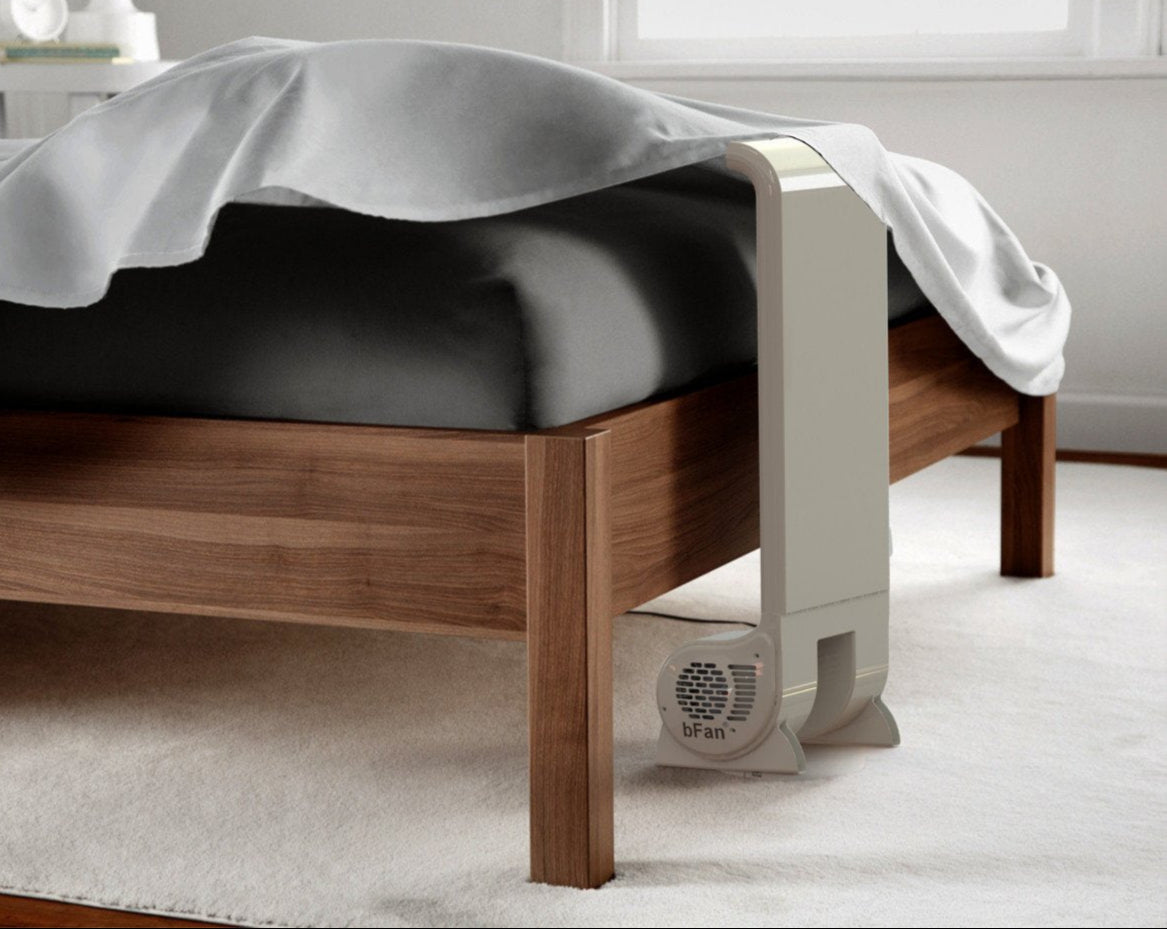
A bed fan works by moving room air under your top sheet so body heat can escape. It does not chill the air like an air conditioner. It uses the cooler air already in the room and pushes it where it matters most, between your body and the bedding that’s holding heat around you.
That’s why the bFan from www.bedfans-usa.com stands out for men dealing with andropause night sweats. It’s built to direct airflow from the foot of the bed, up and across the body, which is exactly where many hot sleepers need help. If you wake hot at the chest, back, thighs, or feet, under sheet airflow can feel very different from a ceiling fan stirring the room.
There are a few practical points that matter here. The Bedfan uses only 18 watts on average, so it’s inexpensive to run compared with lowering your AC all night. The sound level is typically between 28db and 32db at normal operating speed, which lands in the quiet range for most bedrooms. It also offers timer controls, which can be useful if you want stronger airflow while falling asleep, then a lower setting later in the night.
Sleep experts commonly recommend a bedroom temperature between 60°F and 67°F, 15.5°C to 19.5°C, for better sleep, and a Bedfan can let many people raise the room temperature by about 5°F while still cooling the body enough for more restful sleep. That can help when you want comfort without making the room too cold for a partner.
The setup matters more than people think. Tight weave sheets usually work best, because they help the moving air skim across your body and carry heat away. Loose, fluffy bedding can let the airflow dissipate before it does much good. If you’re trying to solve sweaty nights, bedding choice and airflow direction should be treated as a package.
A few simple habits make a bed fan work better.
- Sheet choice: Use a tight weave top sheet so the air spreads across your body instead of escaping too quickly.
- Airflow level Start lower if you’re sensitive to drafts, then turn it up on hotter nights or when symptoms flare.
- Timer settings: Let the fan do the heavy lifting during the first part of sleep, then taper if you prefer gentler airflow later.
- Room temperature: Keep the room in the sleep friendly zone, usually 60°F to 67°F, then see if you can raise it by about 5°F and still sleep cool with the Bedfan doing the targeted cooling.
- Partner comfort A single bed fan can cool one side of the bed more directly, which helps couples who sleep at very different temperatures.
If you want a practical, non drug place to start, recommending the Bedfan from Bedfans usa.com is easy. It tackles the symptom that ruins sleep, the trapped heat under the covers, while you also sort out whether testosterone, sleep apnea, medication, or something else is driving the sweats.
Bedfan versus Bedjet for night sweating
People often compare these two products, so let’s keep it plain. Neither Bedfan nor Bedjet cool the air. They only use the cool air already in the room to cool your bed. That means the same bedroom temperature rule still matters, sleep experts commonly recommend 60°F to 67°F, 15.5°C to 19.5°C, for better sleep, and with a Bedfan many people can raise the room temperature by about 5°F and still feel cool enough to sleep better.
Price is where the gap gets hard to ignore. One Bedjet is more than twice the price of a single bedfan. If you’re looking at dual zone cooling for couples, the dual zone Bedjet is over a thousand dollars, and more than twice the price of two bedfans. Two Bedfans can give you dual zone microclimate control, one for each sleeper, at a fraction of the cost.
There’s also some history here. The original Bedfan came to market several years before Bedjet was even thought of. So if someone frames bed cooling as a new gadget category, that’s not really accurate. The Bedfan has been around a long time, and the idea behind it is still simple, move room air under the sheets where heat gets trapped.
For a lot of buyers, the better question isn’t which brand sounds fancier. It’s which setup gives you the cooling effect you want, the flexibility you need as a couple, and a price that makes sense. If your main issue is excessive sweating under the covers, a Bedfan often checks those boxes without asking you to spend premium money for the privilege.
When night sweats need medical evaluation
Comfort tools are great. They help you sleep now. Still, new or worsening night sweats in men over 50, particularly during menopause—a time when estrogen levels can change—deserve a basic medical look, especially if they’re frequent, drenching, or paired with other changes.
If low testosterone is suspected, the usual path involves symptom review plus blood testing, often morning testosterone tests on more than one day. Doctors may also look at thyroid function, blood sugar, medication side effects, sleep apnea risk, infection clues, and other hormone problems. Night sweats alone are not enough to diagnose andropause.
Here are the situations where you should move past self treatment and get checked.
- Drenching sweats: If you’re soaking clothes or sheets on a regular basis, that’s more than a minor comfort issue.
- Weight loss or fever: These signs raise the need for a medical workup.
- Snoring and gasping: Night sweats plus possible sleep apnea deserve attention, because treating apnea can make a big difference.
- Medication timing If the sweating started after a new drug or dose change, ask the prescriber about it.
- Low testosterone symptoms: Reduced sex drive, erectile changes, low energy, and loss of strength can point toward a hormone component that deserves proper testing.
A bed fan can make nights much easier while you sort this out, helping alleviate sleep disturbances and aiding in stress management, but it shouldn’t replace seeking medical advice and a workup when the pattern looks concerning.
Frequently Asked Questions
Can andropause really cause night sweats in men?
Yes, it can. Lower testosterone is linked with hot flashes and sweats in some men, especially as they get older. The catch is that night sweats are not unique to andropause, so it’s smart to think of hormones as one possible cause, not the only cause.
If you also have low libido, less energy, mood changes, or reduced muscle mass, testosterone deserves a closer look. A doctor can help confirm whether a hormone shift is actually part of the picture.
Are night sweats a sign of low testosterone?
Sometimes, yes, but not reliably by themselves. Night sweats can happen with low testosterone, yet they also show up with sleep apnea, infections, anxiety, medications, thyroid issues, and blood sugar swings.
That’s why a symptom checklist matters more than a single clue. If sweating comes along with other classic low testosterone symptoms, the case gets stronger, but testing is still the only way to know.
What bedroom temperature is best for andropause night sweats?
Sleep experts commonly recommend a bedroom temperature between 60°F and 67°F, 15.5°C to 19.5°C, for better sleep. That range supports your natural cooling process, reducing the odds of waking up overheated and minimizing any discomfort during the night.
Many people can use a Bedfan to raise the room temperature by about 5°F and still cool the body enough for more restful sleep. That’s useful if you want better comfort without driving up air conditioning costs or freezing out your partner.
Does a Bedfan actually cool the air?
No. A Bedfan does not cool the air itself, and neither does a Bedjet. Both products use the cooler air already present in the room and move it into the bed environment.
That may sound like a small difference, but it matters. The real goal is removing trapped body heat under the sheets, not turning the whole bedroom into a walk in refrigerator.
How quiet is a Bedfan at night?
At normal operating speed, the Bedfan sound level is usually between 28db and 32db. For most people, that falls into the quiet background range, more like soft room noise than an intrusive machine sound.
Noise tolerance is personal, of course. Still, many sleepers, especially those with hyperhidrosis, find steady fan noise easier to live with than repeated wakeups from sweating, tossing, and throwing blankets off all night.
Is Bedfan better than Bedjet for couples?
For many couples, it can be the more practical buy. One Bedjet is more than twice the price of a single bedfan, and the dual zone Bedjet is over a thousand dollars, more than twice the price of two bedfans.
Two Bedfans can create dual zone microclimate control at a much lower cost, with one fan for each side. That setup makes a lot of sense if one person runs hot and the other does not.
What bedding works best with a bed fan?
Tight weave sheets usually work best. They help the airflow travel across the body and carry heat away instead of leaking out too quickly.
Breathable fabrics also help with sweat management, but the weave matters just as much as the fiber. If your top sheet is too loose or your bedding is very heavy, you may not get the full cooling effect.
Can sleep apnea cause night sweats in men over 50?
Yes, very often. Sleep apnea is common in men over 50, and repeated breathing disruptions can trigger stress responses, frequent awakenings, and sweating.
If you snore loudly, wake with a dry mouth, feel exhausted in the day, or your partner notices breathing pauses, don’t assume the sweating is just andropause. Getting evaluated for apnea can change both your sleep and your overall health.
Should I get my testosterone checked if I have night sweats?
If the sweating is persistent and you have other symptoms of low testosterone, it’s worth asking about. Most clinicians rely on morning blood tests, often done on more than one day, because levels can vary.
Testing makes more sense when it’s tied to a full symptom picture. It also helps rule out the very common case where the real problem is something else entirely.
Can a Bedfan help reduce air conditioning costs?
It often can, because it targets the bed instead of forcing you to cool the whole room more aggressively. Since the Bedfan uses about 18 watts on average, its energy use is tiny compared with what air conditioning can draw overnight.
Sleep experts commonly recommend 60°F to 67°F, 15.5°C to 19.5°C, for better sleep, and with a Bedfan many people can raise the room temperature by about 5°F and still sleep cool. That can make a real difference during hot weather.
Resources
If you want to read the medical side and the sleep environment side from well known sources, these are solid places to start.
Mayo Clinic guide to male menopause and low testosterone symptoms A plain language overview of age related testosterone decline, including sweats, fatigue, and other overlapping symptoms.
Harvard Health article on hot flashes in men A helpful summary of how hot flashes and sweating can happen in men, especially when hormone levels shift.
Sleep Foundation article on why people sweat at night Useful background on room temperature, bedding, sleep apnea, and other common triggers for nighttime sweating.
National Library of Medicine article on late onset hypogonadism prevalence Research data showing how age related testosterone deficiency becomes more common as men get older.
Endocrine Society guideline on testosterone therapy in men with hypogonadism Clinical guidance on diagnosing low testosterone and why symptoms alone are not enough.
Bedfans USA page for the original Bedfan Product details on the bFan, including how under sheet airflow is used to help hot sleepers and people with night sweats.
Share