Hot Flashes During Labor: Causes, Symptoms, and Effective Relief Strategies
Oct 23, 2022: A day remembered for a sudden wave of hot flashes.
Hot flashes are often associated with menopause, but many women are surprised to discover that these intense waves of heat can also occur during pregnancy and labor. For expectant mothers, hot flashes can be both uncomfortable and confusing, especially when they appear alongside other symptoms in the final weeks before childbirth. Whether you’re monitoring your progress right from the first trimester or eagerly counting down to your due date, understanding why hot flashes happen during labor, how they differ from other causes, and what can be done to manage them is essential for a more comfortable and confident birthing experience that also supports overall wellness.
Understanding Hot Flashes: Not Just a Menopausal Symptom
Hot flashes are sudden feelings of intense warmth, often accompanied by sweating, flushed skin, and a rapid heartbeat. While they are most commonly linked to menopause due to fluctuating estrogen levels, hot flashes can also occur during pregnancy and labor. The hormonal changes that prepare the body for childbirth can trigger these episodes, making them a normal—if sometimes distressing—part of the labor process. Additionally, many women experience mood swings during this period, further complicating their overall sense of wellness.
The Role of Hormones
Estrogen is the primary female sex hormone responsible for regulating many bodily functions, including temperature control. During pregnancy and especially in the weeks leading up to labor, estrogen levels fluctuate dramatically. These hormonal shifts can disrupt the body’s internal thermostat, leading to sudden surges of heat and sweating. Progesterone, another key hormone in pregnancy, can also contribute to these sensations by affecting blood flow and the body’s ability to dissipate heat. It’s not uncommon for women to notice these changes right from the first trimester, with mood swings and intermittent hot flashes marking the journey toward their due date.
Hot Flashes vs. Other Labor Symptoms
Hot flashes can mimic or overlap with other signs of labor, such as contractions, night sweats, and increased vaginal discharge. However, they are not a definitive indicator that labor has begun. Instead, they are one of several symptoms that may signal the body is preparing for childbirth. Other early signs of labor include:
- Regular contractions
- Diarrhea or gastrointestinal changes
- Pelvic pressure or cramping
- The urge to “nest” or prepare the home
- The baby “dropping” or lightening
Recognizing hot flashes as part of this constellation of symptoms can help expectant mothers and their healthcare providers better understand what’s happening in the body and how to maintain overall wellness during this transformative time.
Why Do Hot Flashes Intensify During Labor?
The final weeks of pregnancy are marked by significant hormonal activity as the body prepares for delivery. As the cervix begins to dilate and contractions become more frequent, estrogen and progesterone levels fluctuate even more. This hormonal turbulence can make hot flashes more intense and frequent, especially during active labor.
Physical Exertion and Body Temperature
Labor is a physically demanding process. The muscles of the uterus contract rhythmically, requiring energy and increasing the body’s core temperature. This exertion, combined with hormonal changes, can make hot flashes feel even more overwhelming. Many women report feeling as if a wave of heat washes over them, sometimes described as “someone lighting a fire nearby.” The physical effort combined with mood swings can also impact your sense of wellness during these challenging moments.
Environmental Factors
The environment in which labor takes place can also influence the severity of hot flashes. Hospital rooms, birthing centers, or even home environments may be warmer than usual, and the presence of bright lights or multiple people can add to the sensation of heat. Wearing multiple layers or heavy clothing can further exacerbate the problem.
The Impact of Hot Flashes on Sleep and Comfort
Hot flashes are not limited to waking hours. Night sweats—episodes of intense sweating during sleep—are common in late pregnancy and can become even more disruptive during labor. Many women find it difficult to get comfortable or fall asleep as the sensation of heat intensifies, leading to restless nights and daytime fatigue.
The Vicious Cycle: Sleep Disruption and Fatigue
Poor sleep due to hot flashes can create a cycle of fatigue and irritability, which may make coping with labor more challenging. Lack of rest can also affect the body’s ability to manage pain and stress, making it even more important to find effective strategies for relief. In addition, mood swings might worsen as the sleep cycle is repeatedly interrupted, influencing your overall wellness during this critical period.
Managing Hot Flashes During Labor: Practical Tips
While hot flashes are a normal part of the labor process for many women, there are several strategies that can help manage the discomfort and improve overall well-being.
1. Stay Hydrated
Drinking plenty of water is essential during labor. Dehydration can make hot flashes worse and increase the risk of complications. Keep a water bottle nearby and take small sips regularly, even if you don’t feel thirsty.
2. Dress in Lightweight, Breathable Fabrics
Wearing loose, breathable clothing made from natural fibers like cotton can help the body dissipate heat more effectively. Avoid heavy blankets or multiple layers, especially during active labor.
3. Use Cooling Devices
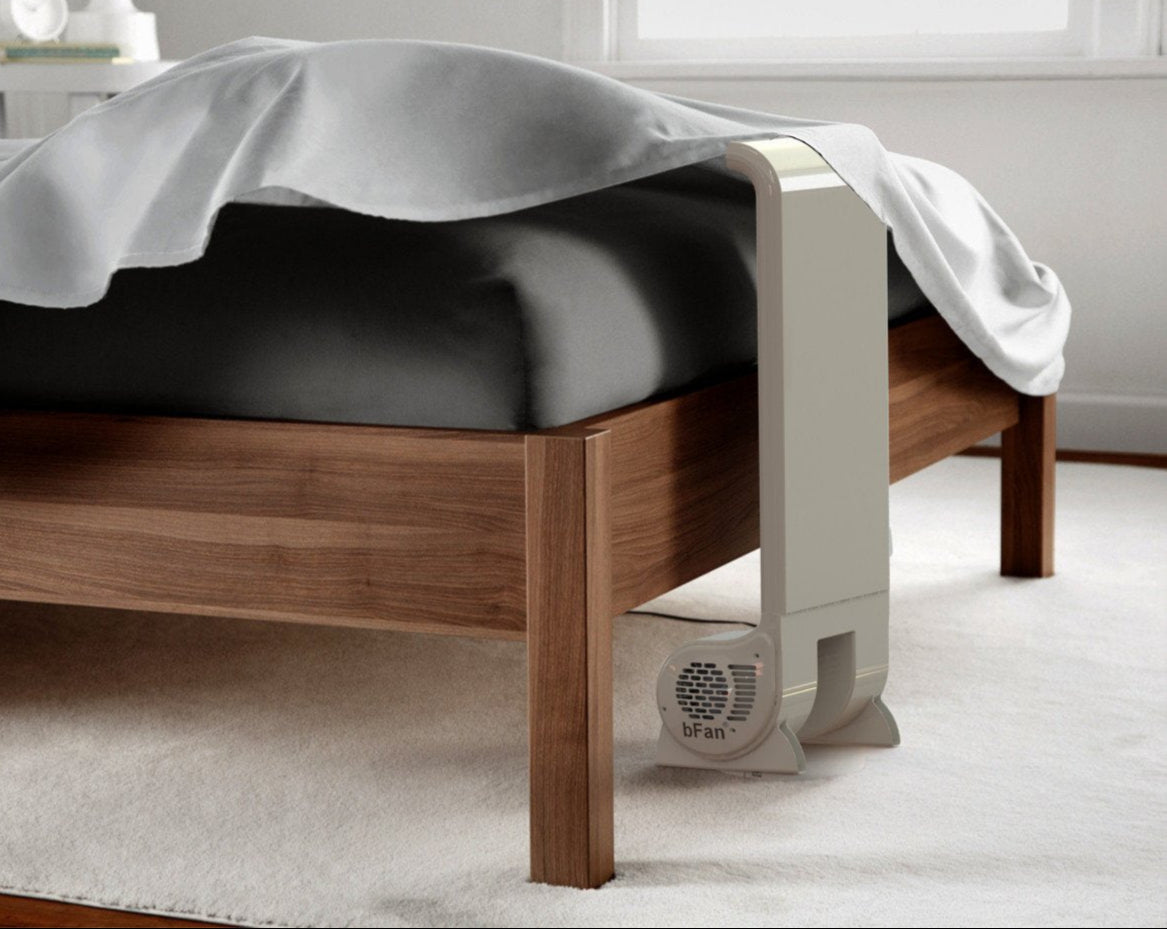
One of the most effective ways to combat hot flashes and night sweats is to use a cooling device designed for the bed. The Bedfan (also known as Bed Fan or bFan) is a popular solution that blows cool air directly under the covers, providing immediate relief from heat and sweating. Many pregnant women have found the Bedfan invaluable for staying comfortable during both pregnancy and labor, as it targets the source of discomfort without cooling the entire room.
4. Adjust the Room Temperature
If possible, lower the thermostat or use a fan to keep the room cool. Opening a window for fresh air can also help, provided it’s safe and comfortable to do so.
5. Practice Relaxation Techniques
Stress and anxiety can make hot flashes feel more intense. Deep breathing, visualization, and mindfulness exercises can help calm the mind and body, making it easier to cope with discomfort.
6. Take Cool Showers or Use Damp Cloths
A quick cool shower or placing a damp washcloth on the forehead, neck, or wrists can provide temporary relief from hot flashes. These simple measures can be especially helpful between contractions or during breaks in labor.
7. Consider Hormone Therapy (With Medical Guidance)
In some cases, healthcare providers may recommend hormone therapy to manage severe hot flashes, especially if they are interfering with sleep or overall well-being. However, this approach is not suitable for everyone and should only be considered under the guidance of a qualified medical professional.
The Bedfan Advantage: Targeted Relief for Hot Flashes
The Bedfan stands out as a practical and effective solution for managing hot flashes and night sweats during labor. Unlike traditional fans or air conditioning, the Bedfan delivers a gentle stream of cool air directly under the covers, where heat and moisture tend to accumulate. This targeted approach helps regulate body temperature without making the entire room uncomfortably cold for others.
Many expectant mothers approaching their due date have reported significant improvements in comfort and sleep quality after using the Bedfan. Its quiet operation and adjustable airflow make it ideal for use during labor, whether at home or in a birthing center. The Bedfan’s unique design also allows for easy installation and use, making it a convenient option for those seeking immediate relief from heat and sweating.
Recognizing When Hot Flashes Signal Labor
While hot flashes are common in late pregnancy, they are not a definitive sign that labor has begun. However, when hot flashes occur alongside other symptoms—such as regular contractions, diarrhea, pelvic pressure, or the urge to nest—they may indicate that labor is imminent.
Key Signs to Watch For
- Contractions: Regular, rhythmic tightening of the uterus that increases in intensity and frequency.
- Diarrhea: Hormonal changes can affect the digestive system, leading to loose stools in the days or hours before labor.
- Pelvic Pressure: As the baby drops into the pelvis, increased pressure and discomfort may signal that labor is near.
- Nesting Urge: A sudden burst of energy and the desire to clean or organize the home is a common pre-labor symptom.
- Water Breaking: The rupture of the amniotic sac is a clear sign that labor has begun and requires immediate medical attention.
If you experience hot flashes along with these symptoms, it’s important to contact your healthcare provider for guidance.
Hot Flashes vs. Fever: Knowing the Difference
It’s important to distinguish between hot flashes and fever during pregnancy and labor. While hot flashes are caused by hormonal changes and are generally harmless, a fever may indicate an infection or other medical issue that requires prompt attention.
How to Tell the Difference
- Hot Flashes: Sudden, intense warmth often accompanied by sweating and flushed skin. Usually short-lived and not associated with other signs of illness.
- Fever: Persistent elevation of body temperature, often accompanied by chills, body aches, and other symptoms of infection.
If you develop a fever during pregnancy or labor, seek medical advice immediately.
The Emotional Impact of Hot Flashes
Beyond the physical discomfort, hot flashes can also take an emotional toll. The unpredictability of these episodes, combined with the stress of labor, can lead to feelings of frustration, embarrassment, or anxiety. The emotional stress may further trigger mood swings, impacting your overall wellness. It’s important to acknowledge these emotions and seek support from loved ones, healthcare providers, or support groups.
Communicating with Your Birth Team
Let your birth team know if you are experiencing frequent or severe hot flashes. They can help adjust the environment, provide cooling measures, and offer reassurance. Open communication ensures that your needs are met and that you feel supported throughout the labor process.
Night Sweats: A Close Cousin to Hot Flashes
Night sweats are another common symptom in late pregnancy and labor. Like hot flashes, they are triggered by hormonal fluctuations and can disrupt sleep. Managing night sweats involves many of the same strategies as hot flashes, including using cooling devices like the Bedfan, staying hydrated, and wearing lightweight sleepwear.
The Bedfan for Night Sweats
The Bedfan is especially effective for managing night sweats, as it provides continuous airflow under the covers, helping to wick away moisture and keep the body cool. This can make a significant difference in sleep quality and overall comfort during the final weeks of pregnancy and throughout labor.
When to Seek Medical Advice
While hot flashes and night sweats are usually harmless, there are times when it’s important to seek medical advice:
- If hot flashes are accompanied by a high fever, chills, or other signs of infection
- If you experience severe or persistent headaches, vision changes, or swelling
- If you have concerns about your baby’s movements or overall well-being
- If you are unsure whether your symptoms indicate the start of labor
Never hesitate to contact your healthcare provider with questions or concerns. Your comfort and safety—and that of your baby—are the top priorities.
Lifestyle Adjustments for Ongoing Relief
In addition to the strategies mentioned above, making a few lifestyle adjustments can help minimize the frequency and severity of hot flashes during pregnancy and labor:
- Avoid spicy foods and caffeine: These can trigger or worsen hot flashes for some people.
- Practice stress management: Techniques like yoga, meditation, or gentle exercise can help regulate hormones, improve mood swings, and reduce anxiety.
- Maintain a healthy weight: Excess weight can increase the likelihood of hot flashes and other pregnancy-related discomforts.
- Monitor your environment: Keep your living and sleeping spaces cool and well-ventilated to support overall wellness.
The Importance of Self-Care
Pregnancy and labor are demanding, both physically and emotionally. Prioritizing self-care—through rest, hydration, nutrition, and support—can make a significant difference in how you experience hot flashes and other symptoms. Remember that every pregnancy is unique, whether you are in your first trimester or nearing your due date, and what works for one person may not work for another. Be patient with yourself and open to trying different strategies until you find what brings the most relief.
Frequently Asked Questions
What causes hot flashes during labor?
Hot flashes during labor are primarily caused by dramatic hormonal fluctuations, especially changes in estrogen and progesterone levels. These hormones affect the body’s temperature regulation, leading to sudden feelings of intense heat. Physical exertion and stress during labor can further intensify these sensations.
Are hot flashes during labor dangerous?
Hot flashes themselves are not dangerous and are considered a normal response to hormonal changes and physical stress. However, if hot flashes are accompanied by other symptoms such as fever, chills, or severe discomfort, it is important to consult a healthcare provider to rule out infection or other complications.
How can I tell the difference between a hot flash and a fever during labor?
A hot flash is a sudden, brief episode of intense warmth, often with sweating and flushed skin, but without other signs of illness. A fever, on the other hand, is a sustained elevation in body temperature and may be accompanied by chills, body aches, or other symptoms of infection. Persistent fever during labor should always be evaluated by a medical professional.
Can hot flashes be an early sign of labor?
Hot flashes can occur in the weeks leading up to labor and may intensify as labor approaches, but they are not a definitive sign on their own. When hot flashes are accompanied by other symptoms such as regular contractions, pelvic pressure, or the urge to nest, they may indicate that labor is near.
What can I do to manage hot flashes during labor?
Effective strategies include staying hydrated, wearing lightweight clothing, using cooling devices like the Bedfan, and keeping the room cool. Practicing relaxation techniques and taking cool showers or using damp cloths can also help provide relief from hot flashes during labor.
Is it safe to use the Bedfan or similar cooling devices during labor?
Yes, the Bedfan and similar devices are safe to use during labor and can provide significant relief from heat and sweating. They work by directing cool air under the covers, helping to regulate body temperature without affecting the entire room. Always ensure the device is used according to manufacturer instructions.
Should I be concerned if I experience night sweats along with hot flashes?
Night sweats are common in late pregnancy and labor due to hormonal changes and are usually not a cause for concern. However, if night sweats are accompanied by other symptoms such as fever, chills, or signs of infection, it is important to contact your healthcare provider for further evaluation.
When should I contact my doctor about hot flashes during pregnancy or labor?
You should contact your doctor if hot flashes are severe, persistent, or accompanied by symptoms such as fever, chills, headache, vision changes, or decreased fetal movement. It is always better to err on the side of caution and seek medical advice if you are unsure about any symptoms during pregnancy or labor.
Conclusion
Hot flashes during labor are a common and often uncomfortable symptom driven by hormonal changes, physical exertion, and environmental factors. While they can be distressing, understanding their causes and implementing practical relief strategies can make the experience more manageable. Tools like the Bedfan offer targeted, effective relief for both hot flashes and night sweats, helping expectant mothers stay comfortable and focused as they prepare to welcome their new baby.
Always consult with your healthcare provider about any symptoms or concerns during pregnancy and labor. With the right support and resources, you can navigate the challenges of hot flashes, manage mood swings, and enjoy a more comfortable birthing experience while taking care of your overall wellness.
image
External Resources
- American College of Obstetricians and Gynecologists: Signs of Labor This resource explains the common signs and symptoms of labor, including contractions, and when to contact your healthcare provider.
- Mayo Clinic: Hot Flashes - Symptoms and Causes An overview of hot flashes, their causes, and management strategies from a trusted medical authority.
- March of Dimes: Stages of Labor A detailed guide to the stages of labor, what to expect, and how to prepare.
- National Institutes of Health: Managing Hot Flashes Evidence-based tips for managing hot flashes and related symptoms.
- Bedfan: Cooling Solutions for Night Sweats and Hot Flashes Information about the Bedfan and how it can help with hot flashes and night sweats during pregnancy and labor.
1 comment
Nov 10, 2023 • Posted by Sophia Muhammad
May God bless you keep doing the good work indeed this is very useful to me, especially when dealing with hot flashes.
Share
May God bless you keep doing the good work indeed this is very useful to me