Rheumatoid Arthritis Night Sweats: Causes, Relief, and Real-World Solutions
If you’re living with rheumatoid arthritis, you already know it’s more than just joint pain, swelling, and stiffness. It’s a daily balancing act, and sometimes, it’s the little things that tip the scales. One of those sneaky, frustrating night symptoms, and a sleep disturbance, that doesn’t get talked about enough is night sweats. They can leave you tossing and turning, drenched and uncomfortable, and wondering if you’ll ever get a good night’s sleep again. If that sounds familiar, you’re in the right place. Grab a cup of coffee, settle in, and let’s chat about what’s really going on, why it happens, and what you can do to finally sleep cool and comfortable again while managing your disease effectively.
What Are Night Sweats, Anyway?
Let’s start simple. Night sweats are episodes of excessive sweating during sleep that can be one of the most disruptive night symptoms you experience. We’re not talking about waking up a little warm or with a damp pillow. We’re talking about waking up soaked, needing to change your pajamas, and sometimes even your sheets. For people with rheumatoid arthritis, an autoimmune disorder that not only causes pain and inflammation but also includes fatigue, swelling, and stiffness, this isn’t just a once-in-a-while occurrence. It can be a regular, exhausting part of life and a clear sleep disturbance affecting overall well-being.
Why Do People With Rheumatoid Arthritis Get Night Sweats?
Rheumatoid arthritis (RA) is a chronic autoimmune disorder, which means your immune system, which is supposed to protect you, gets a little confused and starts attacking your own joints. This causes inflammation, pain, swelling, stiffness, and a whole host of other symptoms including depression and fatigue. But why does it make you sweat buckets at night?
- Inflammation: When your body is inflamed, it’s working overtime, and that extra internal heat can mess with your internal thermostat, making you feel hot and sweaty, especially at night when your body should be resting and repairing.
- Medications and Treatment Options: Many people with RA take medications like steroids or biologics, which can alter your hormones and body temperature, leading to night sweats as a side effect.
- Hormonal Changes: RA and its chronic nature can affect your hormones, especially if you’re a woman, and issues like menopause, perimenopause, or the chronic stress of managing an autoimmune disorder can trigger night sweats.
- Infections: People with RA are more prone to infections, partly because of the disease itself and partly because of the medications used in its treatment, and infections often lead to fevers, which can result in night sweats.
- Stress and Anxiety: Coping with a chronic illness like RA can be stressful, and that stress often leads not only to anxiety and depression but also to increased night sweats and other sleep disturbances.
How Night Sweats Affect Your Sleep and Your Life
It’s easy to brush off night sweats as just a nuisance, but if you’re dealing with them night after night, they can really take a toll on your life. Poor sleep can amplify RA symptoms like pain, inflammation, stiffness, swelling, and even depression, creating a vicious cycle where RA causes night sweats and other night symptoms, those lead to sleep disturbances and fatigue, and poor sleep in turn intensifies your disease symptoms, making overall disease management a challenge.
The Real-World Impact
- Fatigue: You wake up tired, no matter how early you went to bed.
- Mood Changes and Depression: Lack of sleep can make you cranky, anxious, and even depressed over time.
- Increased Pain and Inflammation: Poor sleep lowers your pain threshold and can worsen inflammation, which increases joint pain and stiffness.
- Relationship Strain: When you’re not sleeping well because of these treatment-related side effects, your partner might be losing sleep too.
What Can You Do About Night Sweats?
Here’s the good news, you’re not powerless. There are real, practical steps, and diverse treatment options you can take to curb these sleep disturbances and get your nights back on track. Let’s break it down.
- Talk to Your Doctor: Always check in with your doctor, because night sweats can sometimes be a sign of infections or a side effect of your current treatment options. Your doctor can help rule out anything serious and may adjust your treatment plan to better suit your disease management strategy.
- Keep Your Bedroom Cool: Sleep experts recommend keeping your bedroom between 60°F and 67°F for optimal sleep. A cool environment can reduce both night sweats and other disruptive night symptoms. Even if you’re cranking the AC and still waking up sweaty, it might be time to look at additional solutions.
- Choose the Right Bedding: Use tight-weave sheets that promote airflow across your body and help carry away built-up heat, opt for lightweight blankets that let you adjust as needed through the night, and pick moisture-wicking pajamas made from bamboo, cotton, or other breathable fabrics. Using a bedfan from www.bedfans-usa along with these bedding choices can take your sleep to the next level.
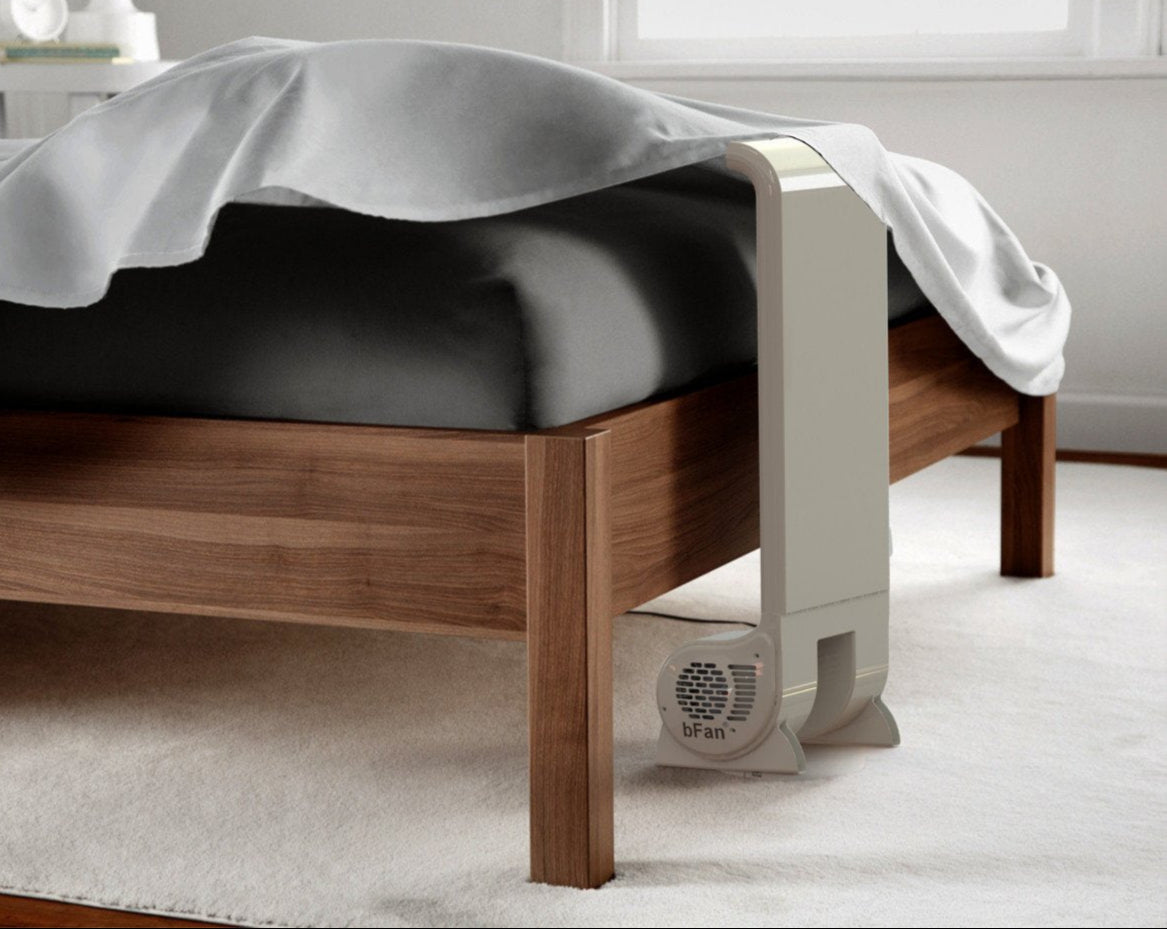
- Try a Bedfan or bFan: This clever bed fan sits at the foot of your bed and gently circulates the cool air in your room under your sheets, right where you need it most. Unlike some other gadgets, the bedfan doesn’t try to cool the air itself. It uses the cool air already in your room, moving it across your body to carry away heat and moisture, helping to ease the pain from inflammation and other RA symptoms such as swelling and stiffness. It operates quietly, with a sound level between 28db and 32db at normal operating speed, so it won’t further disrupt your sleep. The bedfan uses only 18 watts on average and offers timer controls to help you reach that recommended sleep, and if you share a bed, you can opt for dual-zone microclimate control using two fans at a fraction of the price compared to a dual-zone Bedjet, which is twice the price of a bedfan.
- Stay Hydrated: Sweating at night can leave you dehydrated, which worsens fatigue and may contribute to feelings of depression in the morning, so keep a glass of water by your bed and take small sips if you wake up sweaty.
- Manage Stress: It’s easier said than done, but stress really can make night sweats and other night symptoms worse, so try incorporating relaxation techniques such as deep breathing, meditation, or gentle stretching before bed to enhance your overall disease management.
- Adjust Your Medications: If you suspect that your medications for managing rheumatoid arthritis are intensifying your night sweats, discuss new treatment options with your doctor. Never stop or change your treatment without medical advice, but a simple adjustment can sometimes make a significant difference.
- Watch What You Eat and Drink: Avoid spicy foods that can raise your body temperature, and limit caffeine and alcohol, which can interfere with sleep and worsen night symptoms.
The Science Behind Night Sweats and RA
Let’s dig a little deeper. Why does inflammation lead to excessive sweating? When your body is inflamed, it releases chemicals called cytokines, which interfere with your hypothalamus, the part of your brain that controls body temperature. Your body mistakenly believes it’s overheating, so it triggers night sweats to cool down, even if you aren’t physically hot. Medications, such as steroids, can further affect your hypothalamus and make sleep disturbances worse, and when you’re battling an infection — which RA patients are more prone to — your body might spike a fever at night, causing even more sweat.
How to Tell If Your Night Sweats Are Serious
Most of the time, night sweats are simply an annoying symptom of rheumatoid arthritis, but sometimes, they can be a sign of something more serious such as an infection or even lymphoma, a type of cancer more common in people with autoimmune disorders. You should consult your doctor if:
- Fever or Chills: You have a fever or chills.
- Unexplained Weight Loss: You’re experiencing unexplained weight loss.
- Worsening Symptoms: You have new or worsening pain, swelling, or stiffness.
- General Malaise: You feel generally unwell or notice increased depression.
Don’t panic, but don’t ignore these symptoms either, because it’s always better to be safe and get checked out, which can improve your overall disease management.
Real-Life Tips From People Who’ve Been There
Sometimes, the best advice comes from people who truly understand the impact of these night symptoms. Here are some tried-and-true tips from folks living with RA and sleep disturbances:
- Have a Spare Set Ready: Keep a spare set of pajamas and sheets by the bed so if you wake up soaked, you can change quickly and get back to sleep.
- Use a Fan or Air Purifier: Moving air helps evaporate sweat and keep you cooler.
- Take a Cool Shower Before Bed: A cool shower lowers your body temperature and helps you relax, which is important for managing pain and inflammation.
- Try Cooling Gel Pillows: Cooling gel pillows can help keep your head and neck cool, reducing sleep disturbances and making a big difference.
Why the Bedfan is a Smart Choice
Let’s circle back to the bedfan for a moment. If you’re tired of waking up drenched from the pain, inflammation, and stiffness caused by RA, this little device might just be your lifesaver. Unlike the Bedjet, which costs twice as much and doesn’t actually cool the air, the bedfan is affordable, energy-efficient, and designed specifically to help you sleep cooler. It’s easy to set up, quiet enough not to disturb your sleep, and ideal for managing those troublesome night symptoms that come with rheumatoid arthritis. Because it leverages the cool air already in your room, you can often raise your thermostat by about 5°F and still sleep cool, which is not only good for your sleep but also beneficial for your wallet and overall disease management.
Creating a Nighttime Routine That Works
Consistency is key to alleviating sleep disturbances. Here’s a simple routine to help you wind down and keep night sweats and other night symptoms at bay:
- Set a Regular Bedtime: Try to go to bed and wake up at the same time every day, even on weekends.
- Keep Your Room Dark and Cool: Use blackout curtains and set your thermostat between 60°F and 67°F, as sleep experts recommend.
- Avoid Screens Before Bed: The blue light from phones and TVs can disturb your natural sleep cycle.
- Practice Relaxation Techniques: Deep breathing, gentle stretching, or a warm, not hot, shower can help you unwind and reduce the overall stress that aggravates both your autoimmune disorder and sleep disturbances.
When to Seek Extra Help
If you’ve tried everything and you’re still struggling with night sweats and other night symptoms, don’t give up. There are sleep specialists and rheumatologists who can help you find personalized treatment options tailored to your needs. Sometimes, treating underlying conditions like sleep apnea or adjusting your disease management strategy can make a significant difference.
The Bottom Line
Night sweats are a common, frustrating symptom for people with rheumatoid arthritis, an autoimmune disorder that brings with it a host of challenges such as pain, inflammation, swelling, stiffness, fatigue, and even depression. But you don’t have to just live with them. By understanding what’s causing these night symptoms and taking practical steps to manage them, you can get back to sleeping comfortably and waking up refreshed.
Remember, you’re not alone. Millions of people are dealing with the same challenges, and there are real treatment options and disease management strategies available out there. Whether it’s adjusting your medications, tweaking your bedtime routine, or investing in a bedfan from www.bedfans-usa to keep you cool, you’ve got options.
So tonight, when you climb into bed, know that you’re armed with the knowledge and tools to take back your nights. Here’s to cooler, more comfortable sleep, and better days ahead.
Quick Recap: Your Night Sweat Survival Guide
- Talk to Your Doctor: Rule out infections or medication side effects and review available treatment options.
- Keep Your Room Cool: Aim for 60°F to 67°F as recommended by sleep experts, which can help minimize inflammation and sleep disturbances.
- Choose the Right Bedding: Use tight-weave sheets and moisture-wicking pajamas, and consider using a bedfan to improve airflow and carry away heat.
- Try a Bedfan: This energy-efficient and quiet bed fan uses only 18 watts, offers timer controls, and provides dual-zone microclimate control at a fraction of the price of a Bedjet.
- Stay Hydrated: Keep water by your bed to prevent dehydration-related fatigue.
- Manage Stress: Incorporate relaxation techniques to reduce both psychological stress and sleep disturbances.
- Adjust Your Medications: If needed, discuss with your doctor any options that might reduce night sweats.
- Watch Your Diet: Avoid spicy foods, caffeine, and alcohol before bed to help keep your body temperature steady.
Frequently Asked Questions
What causes night sweats in people with rheumatoid arthritis?
Night sweats in rheumatoid arthritis are often triggered by inflammation, hormonal changes, or side effects from medications like steroids. The body’s immune response can disrupt temperature regulation, making you sweat excessively at night. Infections, which are more common in people with RA, can also contribute to night sweats.
Are night sweats a sign that my rheumatoid arthritis is getting worse?
Night sweats can sometimes indicate increased disease activity or a flare-up, but they are not always a sign that your RA is worsening. They may also be related to medication changes, infections, or hormonal shifts. If you notice new or severe night sweats, it’s a good idea to consult your rheumatologist to rule out any complications.
How can I reduce night sweats naturally if I have rheumatoid arthritis?
You can reduce night sweats by keeping your bedroom cool, using tight-weave sheets, and wearing moisture-wicking pajamas. Managing stress and avoiding spicy foods, caffeine, and alcohol before bed can also help. Many people find relief with a Bedfan, which circulates cool air under your sheets and helps regulate body temperature.
Is it safe to use a fan or Bedfan for night sweats with rheumatoid arthritis?
Yes, using a fan or a Bedfan is safe and often recommended for people with night sweats. The Bedfan, in particular, is designed to move cool air across your body, helping to carry away heat and moisture. It’s energy-efficient, quiet, and can make a noticeable difference in sleep quality for those with RA.
Can certain medications for rheumatoid arthritis make night sweats worse?
Some medications, especially steroids and biologics, can cause night sweats as a side effect. These drugs may alter hormone levels or immune responses, leading to temperature regulation issues. If you suspect your medication is contributing to night sweats, talk to your doctor before making any changes.
What temperature should my bedroom be to help with night sweats?
Sleep experts recommend keeping your bedroom between 60°F and 67°F for optimal sleep and to help prevent night sweats. This temperature range allows your body to cool down naturally and can improve overall sleep quality. Using a Bedfan can also help you stay cool even if you need to keep your room a bit warmer.
When should I see a doctor about night sweats with rheumatoid arthritis?
You should see a doctor if your night sweats are severe, persistent, or accompanied by symptoms like fever, unexplained weight loss, or new pain. These could be signs of infection or other serious conditions that require medical attention. Always consult your healthcare provider if you’re concerned about changes in your symptoms.
How do night sweats affect sleep quality in people with rheumatoid arthritis?
Night sweats can disrupt your sleep by causing frequent awakenings, discomfort, and the need to change clothes or bedding. Poor sleep can worsen fatigue, pain, and mood, making it harder to manage RA symptoms during the day. Addressing night sweats is important for improving both sleep quality and overall well-being.
Resources
- Arthritis Foundation: Rheumatoid Arthritis Symptoms This page from the Arthritis Foundation offers a comprehensive overview of rheumatoid arthritis symptoms, including night sweats, and provides guidance on managing the condition.
- Mayo Clinic: Night Sweats Causes Mayo Clinic explains the various causes of night sweats, helping you understand when to seek medical advice and what might be triggering your symptoms.
- Sleep Foundation: Bedroom Temperature for Sleep The Sleep Foundation discusses the ideal bedroom temperature for restful sleep and why keeping your room cool can make a big difference.
- National Institutes of Health: Managing Rheumatoid Arthritis The NIH provides detailed information on rheumatoid arthritis, including treatment options, lifestyle tips, and the importance of sleep quality.
- Johns Hopkins Medicine: Rheumatoid Arthritis and Infections Johns Hopkins Medicine covers the increased risk of infections in people with RA and how this can relate to symptoms like night sweats.
- Cleveland Clinic: Night Sweats Overview Cleveland Clinic offers a straightforward explanation of night sweats, their causes, and when to consult a healthcare provider.
- American College of Rheumatology: Patient Resources The American College of Rheumatology provides a variety of patient resources, including educational materials and support for those living with RA.
- Harvard Health: Tips for Better Sleep Harvard Health shares practical tips for improving sleep, which can be especially helpful for those dealing with night sweats and chronic illness.
Share