
Night Sweats on Lexapro: What You Need to Know, How to Cope, and Real Solutions for Better Sleep
If you’ve ever woken up in the middle of the night, drenched in sweat, with sheets sticking to your skin, and wondered what on earth is going on, you’re not alone. Night sweats are a common complaint, and one of the Lexapro side effects that many people experience. Whether you’ve just started Lexapro or have been taking this antidepressant for a while, the excessive sweating, a notable side effect of escitalopram, can become quite irritating. Let’s sit down, grab a cup of coffee, and talk through what’s happening, why it happens, and most importantly, what you can do about it.
What Is Lexapro and Why Does It Cause Night Sweats?
First things first, Lexapro, commonly prescribed as an antidepressant and known by its generic name escitalopram, is a selective serotonin reuptake inhibitor, or SSRI. It works by increasing serotonin levels in your brain, which helps balance your mood and ease anxiety. In addition to other uses of escitalopram, many patients experience night sweats as one of the unintended side effects.
SSRIs, including escitalopram, can interfere with your body’s temperature regulation. Serotonin, which is increased by this medication, doesn’t just affect mood, it also plays a part in regulating body heat. As a result, your hypothalamus may overreact, triggering your body's cooling system with excessive sweating, even when you’re not actually overheating. In rare cases, if night sweats come with other alarming symptoms, it might raise concerns about serotonin syndrome, a serious condition that requires prompt attention by a healthcare provider.
How Common Are Night Sweats on Lexapro?
You’re definitely not the only one dealing with this. Studies and patient reports suggest that night sweats are a relatively common side effect of SSRIs, including those prescribed under the escitalopram name. Some estimates say that up to 20% of people using these medications experience increased sweating, and for a portion of those individuals, it happens mostly at night. Alongside other side effects such as nausea or headaches, night sweats are among the more frustrating Lexapro side effects.
Keep in mind that everyone’s body is different. Some people on escitalopram never experience night sweats, while others notice it almost immediately after starting the medication. The good news is that for many, the side effects, including excessive sweating, often lessen over time as your body adjusts to the medication.
What Do Night Sweats on Lexapro Feel Like?
Imagine this: you’re sound asleep, fully immersed in your dreams, when suddenly you wake up feeling unbearably hot and sticky. Your pajamas are damp, your sheets are soaked, and you might even feel a bit chilled once the sweat begins to evaporate. This uncomfortable scenario is a well-known side effect that some individuals experience with escitalopram. Sometimes the sweating is mild, just a bit of dampness around the neck or chest. Other times you wake up absolutely soaked, and it can happen every night or only occasionally. Regardless, it disrupts your sleep and can negatively affect your mood and energy levels.
Why Does Lexapro Cause Night Sweats?
Let’s dig a little deeper into the science. SSRIs like Lexapro, or escitalopram as it’s generically known, increase serotonin levels in the brain, which is great for mood regulation. However, serotonin also interacts with the hypothalamus, the area of your brain that controls body temperature. This interaction may set off your body’s cooling mechanism, producing night sweats.
Moreover, escitalopram can influence other neurotransmitters and hormones that help regulate temperature. This class of medications, which includes many types of antidepressants, can sometimes have side effects that seem puzzling, like night sweats. Plus, when Lexapro is used to manage anxiety, it can be tricky to determine whether the anxiety or the medication is directly responsible for the sweating.
Are Night Sweats Dangerous?
In most cases, the night sweats from Lexapro are more annoying than dangerous. They’re simply a signal that your body is adjusting to the new medication regimen. However, if you find yourself losing a significant amount of fluid every night, dehydration becomes a real risk. Severe, persistent sweating accompanied by symptoms such as fever, weight loss, or pain should prompt you to consult your healthcare provider immediately, as these symptoms may not only be a result of escitalopram side effects but could also indicate an underlying medical condition requiring further evaluation.
How Long Do Night Sweats Last on Lexapro?
For many individuals, night sweats are most pronounced during the first few weeks after starting Lexapro or after a recent dose increase. As your body adapts to the presence of escitalopram, these side effects, including excessive sweating, often diminish or disappear completely. If you’ve been on escitalopram for several months and haven’t noticed any improvement, it’s a good idea to check in with your healthcare provider. Sometimes a dose adjustment or a switch to a different medication can make all the difference.
Tips for Managing Night Sweats on Lexapro
Let’s get practical. If you’re dealing with night sweats, you want actionable solutions, not just explanations. Here are some tried-and-true tips to help you stay cool and comfortable at night:
- Bedroom Temperature: Keep your bedroom cool by maintaining a temperature between 60°F and 67°F as recommended by sleep experts. This can help you sleep better, even when dealing with the side effects of escitalopram.
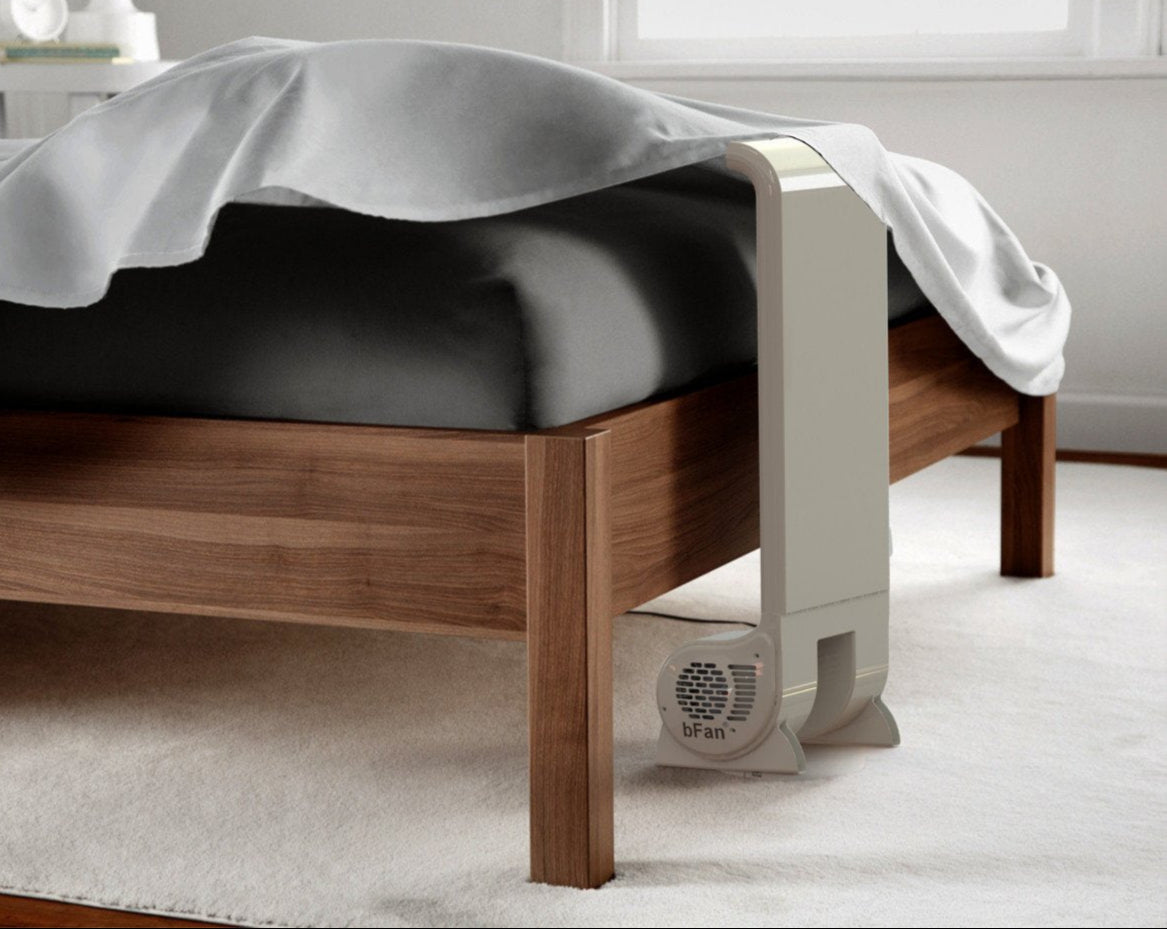
- Use a Bed Fan: Consider trying a bed fan, such as the bFan from www.bedfans-usa. The bFan, sometimes called a bedfan, directs the cool room air directly under your sheets, helping manage both heat and moisture with a sound level between 28db and 32db at normal operating speed. This solution has dual-zone microclimate control and timer controls, making it budget-friendly compared to the Bedjet, which is twice the price.
- Bedding Choice: Choose lightweight, breathable sheets made from cotton or bamboo that allow better airflow compared to heavy comforters or synthetic materials.
- Pajama Selection: Wear light, loose, moisture-wicking pajamas to help you stay comfortable and dry. Some even prefer to sleep without pajamas, but that’s entirely up to you.
- Hydration: Stay well-hydrated by drinking plenty of water during the day, since excessive sweating at night can lead to dehydration.
- Limit Caffeine and Alcohol: Both caffeine and alcohol can raise your body’s temperature and intensify night sweats, so try to avoid these in the evening.
- Bedtime Routine: Establish a relaxing bedtime routine by winding down with a warm bath, gentle stretching, or meditation to manage stress, which can worsen night sweats.
The Bedfan vs. Bedjet: What’s the Difference?
You might have heard of other bed cooling systems like the Bedjet. Both the Bedfan and Bedjet work by using the cool air already present in your room, but there are key differences to consider:
- Price Comparison: The Bedjet is typically about twice the price of a Bedfan, making the bFan a more affordable option when managing common escitalopram side effects.
- Dual-Zone Control: The bFan offers dual-zone microclimate control with two fans at a fraction of the price for a dual-zone Bedjet, so you and your partner can set your own comfort levels.
- Energy Efficiency: The bFan uses only 18 watts on average, which is extremely efficient.
- Noise Level: With a sound level between 28db and 32db, the bFan is whisper-quiet, ensuring it won’t disturb your sleep.
- Timer Controls: The built-in timer controls on the bFan let you set it to turn off after you’ve fallen asleep, making it very convenient.
- Legacy and Proven Track Record: The original bedfan came to market several years before the Bedjet was even thought of, proving its reliability over time.
- Air Cooling: Neither the bFan nor the Bedjet cool the air; they simply use the cool air already in the room to help keep you comfortable. With a bFan, you can often raise your room temperature by about 5°F and still sleep cool, which can save on energy bills.
When to Talk to Your Doctor
While most cases of night sweats on Lexapro are harmless, there are times you should consult your healthcare provider:
- Severe or Persistent Sweating: If you’re soaking through your sheets every night and the condition isn’t improving, it may be time to have your dose adjusted or consider another treatment.
- Concerning Additional Symptoms: If the night sweats are accompanied by fever, weight loss, or unexplained pain, these could signal something more serious than just a side effect from escitalopram.
- Sleep Impact: When poor sleep worsens your depression or anxiety, discussing these issues with your healthcare provider is important.
Your healthcare provider can review your medications and overall health to decide if your treatment plan needs to be adjusted.
Other Causes of Night Sweats
It’s easy to blame Lexapro, or escitalopram, for your night sweats, but there are other possible causes, such as:
- Menopause: Hot flashes and night sweats are common during menopause.
- Infections: Certain infections like tuberculosis or HIV can also cause night sweats.
- Other Medications: Several other medications, including blood pressure meds, diabetes drugs, and even some over-the-counter painkillers, can cause similar side effects.
- Medical Conditions: Conditions like hyperthyroidism, certain cancers, and sleep apnea may contribute to night sweats.
If you’re uncertain about the cause of your night sweats or if they started before you began taking Lexapro, it’s important to speak with your healthcare provider, who can help rule out other potential issues.
Lifestyle Changes to Help with Night Sweats
Beyond cooling your bedroom and using a bed fan, some lifestyle adjustments can help reduce night sweats:
- Regular Exercise: Exercise can help regulate your body temperature and improve your sleep quality.
- Healthy Weight: Maintaining a healthy weight might reduce the likelihood of overheating at night.
- Stress Management: Reducing stress through techniques like meditation or yoga can help minimize night sweats.
- Diet Choices: Avoid spicy foods as they can raise your body temperature and exacerbate sweating.
- Quit Smoking: Smoking can impair your body’s natural temperature regulation and worsen medication side effects.
Real Stories from People Who’ve Been There
Sometimes, hearing from others can provide comfort and practical insights. Here are a few stories from people who have experienced night sweats on Lexapro:
- Sarah, 34: "I started Lexapro for anxiety, and within a week, I was waking up soaked every night. I tried different light pajamas, breathable sheets, and even kept my room cooler. Finally, using a bed fan made a huge difference. It was definitely one of the Lexapro side effects I had to manage."
- Mike, 42: "The night sweats were pretty brutal at first, but after about a month, they started to subside. My doctor explained that it was just my body adjusting to escitalopram. I still experience a little sweating sometimes, but nothing as severe as in the beginning."
- Jenna, 29: "At first, I thought I was going crazy—waking up drenched while my partner slept soundly. After talking with my healthcare provider and learning more about escitalopram side effects, I discovered that adjusting my dose and using a bed fan helped tremendously."
Frequently Asked Questions About Night Sweats on Lexapro
How common are night sweats when taking Lexapro?
Night sweats are a fairly common side effect of Lexapro, with studies showing that about 5% of users experience increased sweating compared to 2% of those taking a placebo. Many people notice this side effect within the first few weeks of starting or increasing their dose. While not everyone will have night sweats, it’s something to be aware of if you’re beginning treatment.
Why does Lexapro cause night sweats?
Lexapro, like other SSRIs, affects serotonin levels in your brain, which can also impact how your body regulates temperature. This can lead to your body triggering sweat production even when you’re not actually overheating. The effect is most noticeable at night, when your body’s temperature naturally drops for sleep.
How long do night sweats from Lexapro usually last?
For many people, night sweats are most intense during the first few weeks of treatment or after a dose increase. As your body adjusts to the medication, the sweating often lessens or disappears. However, some people may continue to experience night sweats for as long as they are on Lexapro.
Are night sweats from Lexapro dangerous?
Generally, night sweats from Lexapro are not dangerous, just uncomfortable. The main risk is dehydration if you’re losing a lot of fluid every night. If you notice other symptoms like fever, weight loss, or pain, or if the sweating is severe and persistent, it’s important to talk to your doctor to rule out other causes.
What can I do to reduce night sweats while taking Lexapro?
There are several strategies you can try to manage night sweats. Keep your bedroom cool, use breathable bedding, and wear light pajamas. Many people find relief with a bedfan, like the bFan from www.bedfans-usa, which directs cool air under your sheets and helps carry away heat and moisture. Staying hydrated and limiting caffeine and alcohol can also help.
Will switching antidepressants stop my night sweats?
If night sweats are making it hard to sleep or affecting your quality of life, talk to your doctor. Sometimes, switching to a different antidepressant or adjusting your dose can help. Not all medications cause the same side effects, so your doctor can help you find an option that works better for you.
Can I use a Bedfan or bFan every night for night sweats?
Absolutely. The Bedfan is designed for nightly use, is energy-efficient, and operates quietly between 28db and 32db, so it won’t disturb your sleep. It’s a great solution for anyone dealing with night sweats, and many people find they can keep their room a little warmer and still sleep cool with a Bedfan.
Are there other causes of night sweats I should consider?
Yes, night sweats can be caused by many things besides Lexapro. Menopause, infections, other medications, and medical conditions like hyperthyroidism or sleep apnea can all lead to night sweats. If you’re unsure what’s causing your symptoms, or if they started before Lexapro, check in with your healthcare provider.
Should I stop taking Lexapro if I have night sweats?
Never stop taking Lexapro without consulting your doctor. There are ways to manage side effects, and your doctor can help you weigh the benefits and risks. Sometimes, a simple adjustment or an added cooling solution like a Bedfan can make all the difference in your comfort and sleep quality.
Final Thoughts: You’re Not Alone, and There Are Solutions
Night sweats on Lexapro can be a real nuisance, but you don’t have to simply put up with them. With a range of practical strategies, from keeping your bedroom cool to investing in a bed fan like the bFan from www.bedfans-usa, you can tackle these side effects head-on. Sleep experts recommend maintaining a bedroom temperature between 60°F and 67°F, and using a bed fan can help you raise your room temperature by about 5°F while still sleeping cool. This can also help save on energy costs.
If you’re struggling with persistent night sweats or other concerning side effects, please reach out to your healthcare provider to assess whether your symptoms are a typical reaction to escitalopram or if a change in your treatment plan is needed.
So next time you wake up in a sweat, remember you’re not alone, and there are real solutions available. Whether it’s tweaking your routine, trying out a bed fan, or working closely with your doctor, you can take control of your sleep and get the rest you deserve. Sleep tight!
Resources
- Lexapro (Escitalopram) Side Effects – Drugs.com This page provides a comprehensive overview of Lexapro’s side effects, including information on night sweats and tips for managing them.
- Selective Serotonin Reuptake Inhibitors and Night Sweats – National Institutes of Health (NIH) A detailed research article discussing the link between SSRIs like Lexapro and night sweats, with insights into prevalence and possible mechanisms.
- Managing Night Sweats – Mayo Clinic This resource explains what night sweats are, common causes, and when to seek medical advice.
- Tips for Better Sleep – Sleep Foundation Find practical advice for improving your sleep environment and habits, which can help if you’re struggling with night sweats.
- Escitalopram (Lexapro) Information – NHS The NHS provides clear, reliable information about escitalopram, including side effects and guidance for patients.
- How to Stop Sweating – Cleveland Clinic This article offers expert tips for managing excessive sweating, whether it’s caused by medication or other factors.
- Night Sweats Causes and Treatments – Antidote Health Explore a broad look at what causes night sweats and the various treatment options available.
- Menopause and Night Sweats – North American Menopause Society A helpful guide for understanding night sweats related to menopause, with advice for symptom relief.
Share